- Company Articles
- Products and Technology
- Installation And Maintenance
- Multi-Angle Fixed Aluminum Joint Material Rack B: Application Guide

Multi-Angle Fixed Aluminum Joint Material Rack B: Application Guide
Related Product
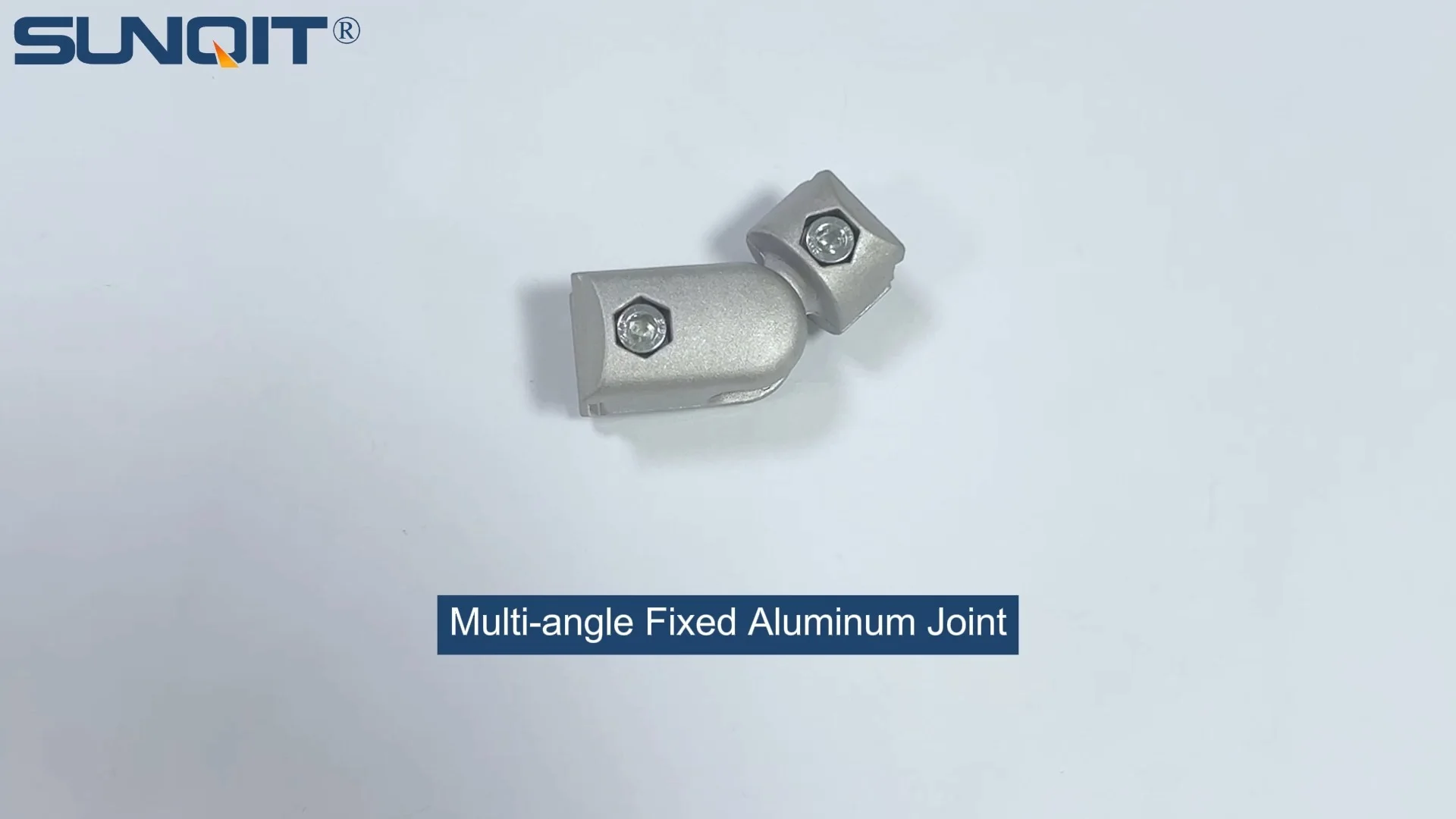
Multi-angle Fixed Aluminum Joint
Aluminum joint pipe connection for two pipe connection and work in mutiple angle.
Walk into any busy manufacturing plant, warehouse, or assembly line, and you'll quickly spot the difference between chaos and order. Materials scattered across the floor, tools misplaced, and workers spending precious minutes hunting for parts—these are the silent productivity killers that eat into profits and morale. But what if there was a solution that didn't just store materials, but actively streamlined how your team works? Enter Material Rack B (3 row and 3 floor) —a workhorse of lean material management, built around the flexibility of multi-angle fixed aluminum joints and durable aluminum profiles . In this guide, we'll dive deep into how this rack transforms disorganized spaces into hubs of efficiency, why its design matters, and how to make it work hardest for your unique needs.
Understanding the Backbone: Multi-Angle Fixed Aluminum Joints
Before we explore Material Rack B itself, let's zoom in on the unsung hero holding it all together: the multi-angle fixed aluminum joint. These small but mighty components are the reason this rack isn't just another metal shelf—it's a modular, adaptable system that grows with your business. Unlike rigid steel welds or one-size-fits-all plastic connectors, multi-angle fixed aluminum joints are engineered to do exactly what their name suggests: connect aluminum profiles at multiple angles (think 30°, 45°, 90°, or even custom angles) while maintaining rock-solid stability.
Crafted from high-grade aluminum alloy (typically 6063-T5, known for its strength and corrosion resistance), these joints feature precision-machined grooves and locking mechanisms that grip aluminum profiles tightly. Imagine building with a set of advanced LEGO blocks—each joint clicks into place, but instead of plastic, it's industrial-strength metal that can support hundreds of pounds. This flexibility means if your storage needs change—say, you start stocking taller boxes or need to add dividers for smaller parts—you don't have to buy a whole new rack. Just loosen a few joints, reposition the profiles, and you're good to go. No welding, no special tools, no downtime.
But durability isn't the only win here. Aluminum's natural resistance to rust and corrosion makes these joints ideal for environments like food processing plants, pharmaceutical labs, or even outdoor warehouses—places where steel would degrade over time. And because they're lightweight compared to steel connectors, assembling the rack is a two-person job at most, saving you from hiring heavy-lifting crews. It's this combination of strength, flexibility, and longevity that makes multi-angle fixed aluminum joints the cornerstone of modern lean system storage solutions.
Breaking Down Material Rack B: 3 Rows, 3 Floors, Endless Possibilities
Now, let's put those joints to work in the star of the show: Material Rack B (3 row and 3 floor). At first glance, you'll notice its clean, grid-like structure—three horizontal rows (the "width") and three vertical floors (the "height"), creating nine distinct storage compartments. But don't let the simplicity fool you. This design is the result of years of refining how materials flow in a workspace. Let's break down its key components and why each matters:
1. The Frame: Aluminum Profiles You Can Count On
The skeleton of Material Rack B is built from heavy-duty aluminum profiles, usually 30mm x 30mm or 40mm x 40mm in cross-section—thick enough to support heavy loads but slim enough to maximize storage space. These profiles aren't just plain tubes; they feature T-slots along their length, which act like built-in tracks for attaching shelves, dividers, or accessories. Want to add a label holder to each compartment? Slide it into the T-slot. Need a safety rail to keep items from falling off? Screw it into the slot. This "plug-and-play" design eliminates the need for drilling holes or modifying the frame, keeping assembly quick and damage-free.
2. The Shelves: Sturdy, Adjustable, and Safe
Each of the three floors is topped with a shelf, and here's where customization really shines. Depending on your needs, shelves can be made from aluminum honeycomb panels (lightweight and strong for general use), particleboard with a anti-slip coating (great for small parts that might roll), or even wire mesh (ideal for ventilated storage, like drying components). Most importantly, thanks to the multi-angle fixed aluminum joints, each shelf's height is adjustable in 1-inch increments. So if you're storing 12-inch tall boxes on the bottom floor and 6-inch bins on the top, you can tweak the spacing to fit—no wasted vertical space, no cramming items where they don't belong.
3. The Rows: Organizing by Workflow, Not Just Size
The three horizontal rows are where Material Rack B truly aligns with lean system principles. Instead of dumping all your materials into one big shelf, you can zone each row by workflow stage. For example, in an electronics assembly line, the first row might hold raw components (resistors, capacitors), the second row partially assembled parts (circuit boards), and the third row finished products ready for testing. This way, workers don't have to cross the shop floor to grab what they need—everything is within arm's reach, in the order they need it. It's a small change that cuts down on walking time, reduces errors, and keeps the production line moving smoothly.

Why Material Rack B Stands Out: Real-World Impact
Numbers and specs are great, but let's talk about real results. Take ABC Manufacturing, a mid-sized automotive parts supplier we worked with last year. Before switching to Material Rack B, their assembly line storage was a hodgepodge of wooden pallets, plastic bins stacked haphazardly, and a few rusted steel shelves that had seen better days. Workers spent an average of 25 minutes per shift searching for the right bolts or gaskets, and misplaced parts cost them $1,200 per month in reorders. worst of all, their old steel racks were so heavy and fixed in place that rearranging the floor plan for a new production line took a full weekend of downtime.
Six months after installing 12 Material Rack B units (each 3 row and 3 floor), here's what changed: Search time dropped to 8 minutes per shift—a 68% improvement. Misplaced parts? Cut by 75%, saving $900 monthly. And when they reconfigured their line last quarter? The racks were disassembled, moved, and reassembled in under 4 hours, with just a team of four workers. "It's like night and day," their production manager told us. "The guys don't dread going to get materials anymore. They know exactly where everything is, and if we need to shift things around, we just grab an Allen wrench and adjust the joints. No more waiting for the maintenance crew with a welder."

Installation Made Simple: A Step-by-Step Guide
You might be thinking, "This sounds great, but I'm not a DIY expert—will I need to hire a professional to put it together?" The short answer: No. Material Rack B is designed for easy assembly, even if you've never built furniture before. Here's a step-by-step walkthrough to get you started:
Step 1: Unpack and Organize Components
Start by laying out all the parts in a clear, flat space. You'll have: vertical aluminum profiles (usually 4 per rack, for the corners), horizontal profiles (for the rows and floors), multi-angle fixed aluminum joints (packaged by angle—90° for corners, 45° for bracing if included), shelves, and a small bag of bolts and T-slot nuts. Check the included manual to make sure nothing's missing—most suppliers include a checklist.
Step 2: Build the Base Frame
Begin with the bottom layer. Take four vertical profiles and connect them with horizontal profiles using 90° multi-angle joints. Tighten the bolts just enough to hold the frame together—you'll want some wiggle room to square things up later. Stand the frame upright (have a helper hold it steady!) and measure the diagonals—both should be equal to ensure the frame is square. If not, gently push or pull until they match, then fully tighten the joints with the included Allen wrench.
Step 3: Add the Middle and Top Floors
Now, attach horizontal profiles at your desired shelf heights for the middle and top floors. Most users set the bottom shelf at 18 inches from the ground (easy to reach without bending), the middle at 48 inches, and the top at 72 inches (avoiding overreaching). Slide the multi-angle joints onto the vertical profiles, position them at your marked heights, and tighten. Then connect the horizontal profiles between the joints to form the shelf frames.
Step 4: Install Shelves and Accessories
Finally, place the shelves onto the horizontal frames. If using T-slot shelves, secure them with T-slot nuts and bolts to prevent sliding. Add any extras like label holders, dividers, or safety rails by sliding them into the T-slots of the profiles. Give the rack a gentle shake to test stability—if it wobbles, double-check that all joints are tight. And that's it! You're ready to load it up.

Comparing Material Rack B to the Competition
Still on the fence? Let's see how Material Rack B stacks up against other common storage solutions. The table below compares it to traditional steel racks and basic single-shelf aluminum racks across key metrics:
| Feature | Material Rack B (3 Row, 3 Floor) | Traditional Steel Rack | Basic Single-Shelf Aluminum Rack |
|---|---|---|---|
| Dimensions (WxDxH) | 1200mm x 600mm x 1800mm (standard) | 1200mm x 600mm x 1800mm (fixed) | 1200mm x 600mm x 1800mm (single shelf) |
| Weight Capacity (per shelf) | Up to 80kg | Up to 150kg (heavier, but fixed) | Up to 50kg |
| Assembly Time (2 people) | 60–90 minutes | 180–240 minutes (welding/bolting) | 30–45 minutes |
| Reconfigurability | High (adjustable shelves, angles) | None (fixed welding) | Low (only height-adjustable) |
| Corrosion Resistance | Excellent (aluminum alloy) | Poor (requires painting/coating) | Good (basic aluminum) |
| Long-Term Cost (5 years) | $1,200 (initial + minor adjustments) | $1,800 (initial + repainting + replacement) | $900 (initial + replacement of flimsy parts) |
As you can see, Material Rack B hits the sweet spot between capacity, flexibility, and cost. It may not match steel racks in raw weight capacity, but for most manufacturing, warehousing, or assembly needs (80kg per shelf is more than enough for bins of parts, tools, or small components), the trade-off for reconfigurability and corrosion resistance is well worth it. And compared to basic aluminum racks, it offers three times the storage space without sacrificing durability.
Maintenance Tips to Keep Your Rack in Top Shape
Like any tool, Material Rack B works best when you take care of it. Luckily, aluminum's low-maintenance nature means upkeep is minimal—but a little attention goes a long way. Here's what we recommend:
1. Inspect Joints Quarterly
Over time, vibrations from loading/unloading or temperature changes can loosen the multi-angle fixed aluminum joints. Every three months, walk around the rack with an Allen wrench and gently tighten any joints that feel wobbly. This takes 5 minutes per rack and prevents bigger issues down the line.
2. Clean Shelves Regularly
Dust, grease, or spills can make shelves slippery or damage sensitive parts. Wipe shelves with a damp cloth (mild soap and water for tough stains) every month. For wire mesh shelves, use a soft brush to dislodge debris from the gaps.
3. Avoid Overloading
Each shelf is rated for 80kg, but that doesn't mean piling 80kg in one corner. Distribute weight evenly to prevent bending or warping. If you're unsure, mark the maximum load on each shelf with a label—visual reminders go a long way!
4. replace Worn Accessories
Label holders, dividers, or T-slot nuts can wear out over time. Keep a small stock of spares on hand (most suppliers sell accessory kits) so you can replace them quickly without disrupting workflow.
Looking Ahead: The Future of Lean Storage
As lean system practices continue to evolve, so too will the tools that support them. Material Rack B is just the beginning. We're already seeing suppliers experiment with smart features—like RFID tags embedded in shelves to track inventory levels automatically, or sensors that alert managers when a shelf is overloaded. And as aluminum extrusion technology improves, we can expect even lighter, stronger profiles and joints that snap together with zero tools—making assembly almost as easy as stacking blocks.
But at its core, the success of Material Rack B lies in something timeless: solving real problems for real people. It's not just about storing materials—it's about respecting your team's time, reducing frustration, and creating a workspace that adapts as your business does. In a world where efficiency is everything, that's a difference you can feel every single day.
So whether you're running a small workshop or a large manufacturing plant, if you're tired of disorganized storage holding you back, it might be time to give Material Rack B a closer look. With its multi-angle fixed aluminum joints, durable aluminum profiles, and 3x3 design, it's more than a rack—it's a foundation for better, smarter work.