- Company Articles
- Products and Technology
- Product knowledge
- Multi-Angle Fixed Aluminum Joint vs. Brass Joints: Conductivity & Corrosion

Multi-Angle Fixed Aluminum Joint vs. Brass Joints: Conductivity & Corrosion
Related Product
Multi-angle Fixed Aluminum Joint
Aluminum joint pipe connection for two pipe connection and work in mutiple angle.
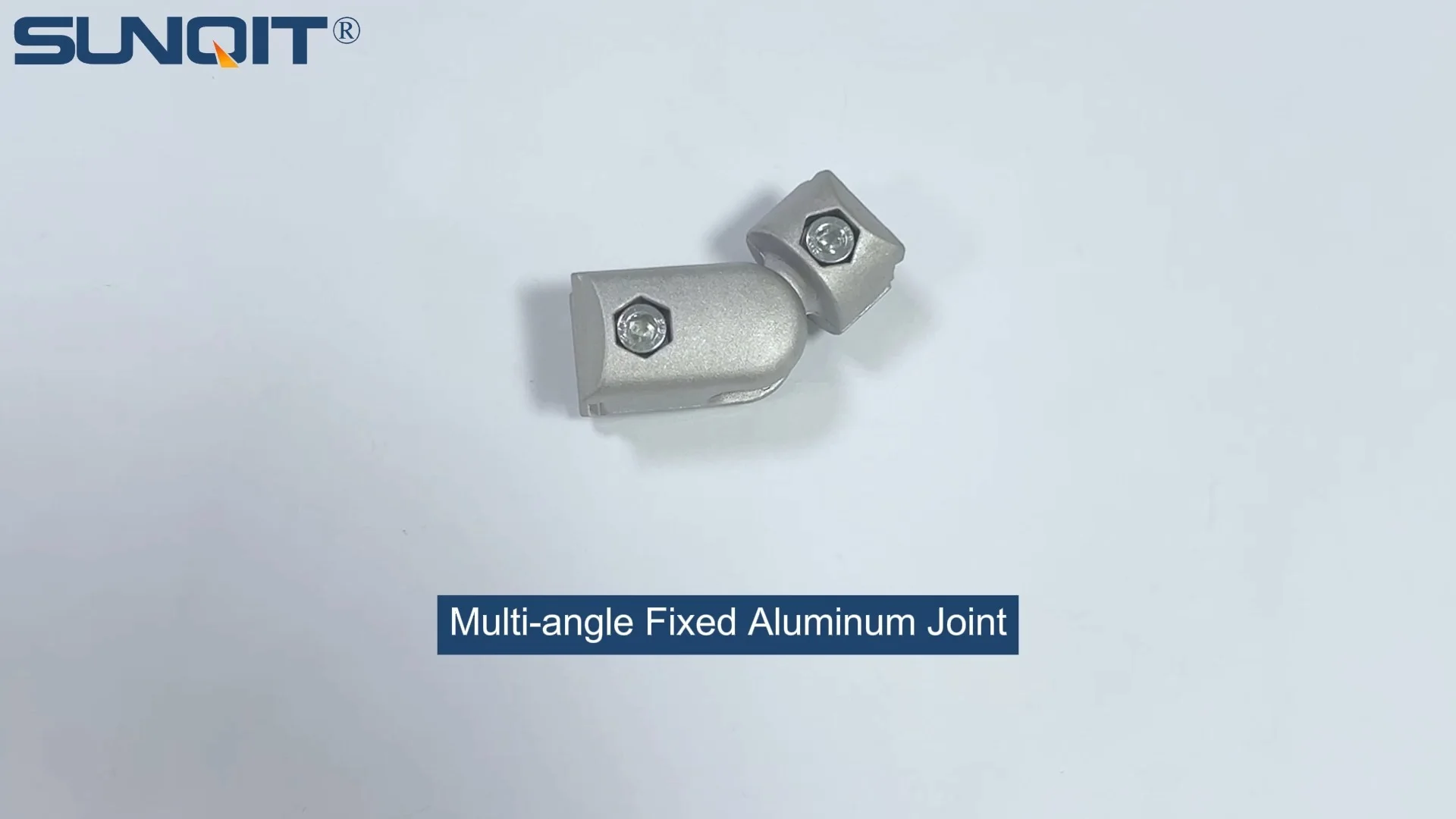
Walk into any manufacturing workshop, warehouse, or assembly line, and you'll spot them: the unsung connectors holding everything together. From the workbench where technicians assemble circuit boards to the material racks storing components, joints are the quiet backbone of efficient operations. But not all joints are created equal. Two common players in this space are the multi-angle fixed aluminum joint and the traditional brass joint. While both serve the basic purpose of linking pipes, tubes, and profiles, their performance in key areas like conductivity and corrosion resistance can make or break a production line's efficiency, cost-effectiveness, and longevity. Let's dive into what sets these two apart, and why the choice between them matters more than you might think.
First Things First: What Are We Actually Comparing?
Before we get into the nitty-gritty of conductivity and corrosion, let's make sure we're on the same page about what these joints are. A lean pipe joint is a hardware component designed to connect pipes (like aluminum lean pipe, stainless steel pipe, or even traditional steel tubes) at various angles, enabling the creation of custom structures—think workbenches, flow racks, turnover trolleys, or material handling systems. They're the reason you can reconfigure a workshop layout in a day instead of a week; no welding, no heavy tools, just simple assembly.
Multi-angle fixed aluminum joints, as the name suggests, are made from aluminum (often alloyed for strength) and designed to lock pipes into specific angles (90°, 45°, 135°, etc.) with precision. They're lightweight, often part of aluminum profile accessories kits, and pair seamlessly with aluminum lean pipe systems. Brass joints, on the other hand, are crafted from brass—a copper-zinc alloy—and have been a go-to for decades thanks to their perceived durability and malleability.
Now, let's zoom in on the two big topics: conductivity and corrosion. These aren't just technical specs; they directly impact how well your equipment works, how often you'll need to replace parts, and even how safe your workspace is.
Conductivity: When Electricity (or Heat) Matters
Conductivity might not be the first thing you think about when picking a joint, but in many industrial settings, it's critical. Whether your setup involves electrical grounding, heat dissipation, or even static control (hello, ESD workbenches!), how well a joint conducts electricity or heat can affect performance and safety.
Aluminum Joints: Lightweight Conductors
Aluminum is known for being a solid conductor of electricity—about 61% as conductive as copper, which is the gold standard. For most industrial applications, this is more than enough. Take, for example, an assembly line using aluminum lean pipe to build a frame for an ESD workstation. ESD (Electrostatic Discharge) workbenches need to safely channel static electricity away from sensitive electronics to prevent damage. Aluminum joints, when paired with aluminum pipes, create a continuous conductive path, ensuring static is grounded effectively.
Heat conductivity is another plus. In environments where equipment generates heat—like near welding stations or high-speed machinery—aluminum joints help dissipate that heat faster than non-conductive materials. This prevents overheating in enclosed structures, reducing the risk of warping or material degradation over time. And since aluminum is lightweight, you don't add unnecessary bulk to the structure, which keeps things agile and easy to reconfigure.
Brass Joints: The Copper Advantage (and Caveats)
Brass, being a copper alloy, has a conductivity edge over aluminum—about 28-40% that of pure copper, depending on the zinc content. In theory, this makes brass joints better at conducting electricity than aluminum. But here's the catch: real-world performance isn't just about raw conductivity numbers. Brass joints are often plated (with nickel or chrome) to improve corrosion resistance, and that plating can act as an insulator. Even if the plating is thin, it can create resistance in the conductive path, negating some of brass's inherent advantages.
Another issue? Brass is dense and heavy. If you're building a large structure—say, a multi-tier material rack using stainless steel pipe series—adding brass joints can make the entire setup cumbersome. This extra weight not only makes installation harder but also puts more stress on the joints themselves, leading to loosening over time. And a loose joint? That's a broken conductive path waiting to happen, which is a big problem in ESD or grounding applications.

Corrosion Resistance: Battling the Elements (and Chemicals)
If conductivity is about performance, corrosion resistance is about longevity. Industrial environments are tough: humidity, oils, cleaning chemicals, even salt in coastal areas can eat away at metal joints over time. A joint that corrodes isn't just ugly—it becomes weak, prone to breaking, and can contaminate products (think food processing or pharmaceutical settings). Let's see how aluminum and brass stack up here.
Aluminum Joints: The Power of the Oxide Layer
Aluminum's greatest defense against corrosion is its own oxide layer. When exposed to air, aluminum reacts with oxygen to form a thin, invisible film of aluminum oxide (Al₂O₃). This layer is incredibly tough—harder than the aluminum itself—and it self-heals: if scratched, it quickly reforms to protect the underlying metal. This makes aluminum joints ideal for humid environments, like warehouses near the coast or facilities that use water-based cleaning solutions.
In workshops where chemicals are present—coolants, lubricants, or even mild acids—aluminum holds up surprisingly well. Unlike steel, it doesn't rust; instead, it may develop a slight dullness, but this doesn't compromise structural integrity. For example, a workbench in an auto repair shop, where oil and grease are everywhere, will see aluminum joints stay functional for years with minimal maintenance. Just a quick wipe-down with a mild detergent is usually enough to keep them in shape.
Brass Joints: Tarnish, dezincification, and the Cost of Upkeep
Brass is often praised for its corrosion resistance, but that reputation comes with asterisks. In dry, indoor environments, brass joints can last a long time—they'll tarnish (develop a dark patina), but tarnish is mostly cosmetic. The problem arises in damp or chemically active settings. Brass is susceptible to dezincification, a process where zinc leaches out of the alloy when exposed to water, especially water with high chloride levels (like seawater or some industrial cleaning agents). This leaves behind a porous, brittle copper structure that can snap under stress.
To fight this, many brass joints are plated, but plating can chip or wear off at the contact points where pipes are inserted. Once the plating is compromised, the brass underneath is exposed, and corrosion accelerates. I've seen workshops replace brass joints every 6-12 months in high-moisture areas, whereas aluminum joints in the same spot lasted 3-5 years. That's a big difference in downtime and replacement costs.

A Side-by-Side Comparison: Key Factors at a Glance
| Factor | Multi-Angle Fixed Aluminum Joint | Brass Joint |
|---|---|---|
| Electrical Conductivity | Good (61% of copper); ideal for ESD and grounding in most industrial settings. | Better raw conductivity (28-40% of copper), but plating can reduce effectiveness. |
| Heat Conductivity | Excellent; dissipates heat quickly, preventing overheating in structures. | Good, but denser material retains heat longer than aluminum. |
| Corrosion Resistance | High; self-healing oxide layer resists humidity, oils, and mild chemicals. | Moderate; prone to tarnish and dezincification in damp/chemical environments (unless heavily plated). |
| Weight | Lightweight (about 1/3 the weight of brass for the same volume). | Heavy; adds bulk to structures, making reconfiguration harder. |
| Cost (Initial vs. Long-Term) | Slightly higher initial cost than basic brass joints, but lower long-term due to minimal maintenance/replacement. | Lower upfront cost, but higher long-term costs from frequent replacements and plating upkeep. |
| Compatibility | Works seamlessly with aluminum lean pipe, aluminum profile accessories, and most metal pipes. | Compatible with steel and iron pipes but may cause galvanic corrosion when paired with aluminum. |
Real-World Impact: A Small Workshop's Big Win
Let's talk about a scenario I encountered last year: a small electronics assembly workshop in Portland, Oregon. They'd been using brass joints for their workbenches and material racks for years. The workshop is in a basement, which means higher humidity, and they use alcohol-based cleaners to sanitize work surfaces daily. Over time, their brass joints started corroding—some even developed greenish deposits (a sign of dezincification), and the workbenches began to wobble as joints weakened.
Their maintenance team was replacing joints every 8 months, costing them around $500 per replacement cycle (parts + labor). Then, they switched to multi-angle fixed aluminum joints paired with aluminum lean pipe. Two years later, those joints still look brand new. The workbenches are sturdier, there's no more wobbling, and they've saved over $1,200 in replacement costs alone. Plus, the aluminum setup is lighter, so they could reconfigure their layout in a day when they expanded—something that would've taken a weekend with the heavy brass joints.
"We didn't realize how much time we were wasting fixing rusted joints until we stopped doing it," the workshop manager told me. "Now, we focus on building products, not repairing our tools."

Beyond Conductivity and Corrosion: Other Practical Considerations
While conductivity and corrosion are critical, there are other reasons aluminum joints are gaining popularity. For starters, they're part of a larger ecosystem of aluminum profile accessories , which means you can mix and match components to create custom solutions. Need a workbench with adjustable height? Swap out a joint. Want to add a shelf to a material rack? Just connect a new aluminum profile with a multi-angle joint. Brass joints, by contrast, are often more limited in compatibility—they work best with specific pipe sizes and require tools like wrenches to tighten, whereas many aluminum joints use quick-lock mechanisms for tool-free assembly.
Sustainability is another angle. Aluminum is 100% recyclable, and recycling it uses just 5% of the energy needed to produce new aluminum. For businesses aiming to reduce their carbon footprint, this is a small but meaningful choice. Brass is recyclable too, but its heavier weight means higher transportation emissions, and the plating process often involves harsh chemicals.
So, Which One Should You Choose?
At the end of the day, the choice between multi-angle fixed aluminum joints and brass joints depends on your specific needs. If you're working in a dry, indoor environment with minimal chemical exposure and need maximum conductivity (and don't mind heavier structures), brass might still have a place. But for most modern workshops, warehouses, and assembly lines—where flexibility, low maintenance, and resistance to the elements are key—aluminum joints are the smarter bet.
Think about it: aluminum joints offer reliable conductivity for ESD and grounding, superior corrosion resistance in tough environments, lighter weight for easy reconfiguration, and compatibility with a wide range of aluminum profile accessories. They might cost a bit more upfront, but the long-term savings in maintenance, replacement parts, and downtime make them a worthwhile investment. Plus, as the Portland workshop showed, sometimes the biggest benefits are the ones you don't see—like the peace of mind that comes with knowing your equipment won't let you down.
Final Thoughts: Joints That Grow With Your Business
Joints might not be the most glamorous part of your workflow, but they're foundational. Choosing between aluminum and brass isn't just about metal—it's about choosing a system that can keep up with your business's needs. Whether you're building a single workbench or outfitting an entire factory, multi-angle fixed aluminum joints bring conductivity, corrosion resistance, and flexibility to the table. They're not just connectors; they're partners in efficiency.
So next time you're setting up a new line or upgrading old equipment, take a closer look at those joints. The right choice could be the difference between a setup that holds you back and one that helps you move forward—one connection at a time.