- Company Articles
- Products and Technology
- Product knowledge
- Multi-Process Workstations: Versatility of Aluminum Workbench C in Factories

Multi-Process Workstations: Versatility of Aluminum Workbench C in Factories
Related Product
Aluminum Workbench C
aluminum-tube-workbench-is-more-flexible-and-durable,-compared-with-traditional-pe/abs-coated-steel-tube.-it-is-easy-to-assemble,-anti-corrosion,-rust-protection,-and-recycle-use-after-disassemble.
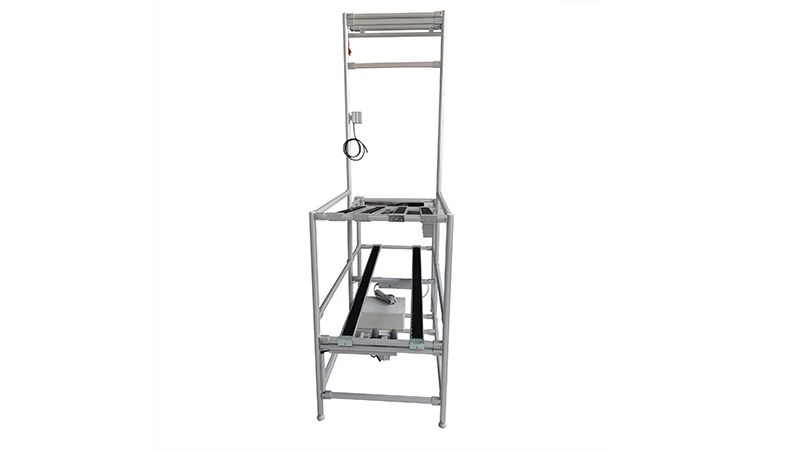
Walk into any factory floor, and you'll quickly realize the unsung heroes keeping operations humming: workstations. These are more than just tables—they're the command centers where assembly lines come to life, quality checks happen, and products take their final shape. But here's the thing: not all workstations are created equal. Many factories still rely on rigid, one-size-fits-all setups that struggle to keep up with shifting production needs, frequent process changes, or the unique demands of different tasks. Enter Aluminum Workbench C—a game-changer designed to redefine what a workstation can do. Let's dive into why this modular, aluminum-based solution is becoming the backbone of modern, multi-process factories.
Beyond the Ordinary: What Makes Aluminum Workbench C Unique?
First, let's talk about the star of the show: the material. Aluminum Workbench C is built using high-grade aluminum extrusion profile, a material that strikes the perfect balance between strength and flexibility. Unlike traditional workbenches made of heavy steel (which are tough to move) or particleboard (which warps under moisture), aluminum extrusion profile brings a host of advantages. It's lightweight enough to reposition with minimal effort but robust enough to handle daily wear—think heavy toolboxes, constant part handling, and even accidental bumps from forklifts. And let's not forget its sleek, corrosion-resistant finish, which makes cleanup a breeze (no more scrubbing rust or stains) and keeps the workstation looking professional, even in busy environments.
But what really sets Aluminum Workbench C apart is its modular DNA. At its core, it's built around a system of aluminum profile components—think T-slot rails, brackets, and connectors—that let you customize the setup to fit your process, not the other way around. Need a shelf for extra storage? Snap on an aluminum profile accessory like a side bracket. Want to add a tool rail for hanging wrenches and screwdrivers? Slide in a rail mount. Even height adjustments are a cinch, thanks to adjustable feet and internal rotatary aluminum joints that let you tweak the bench to match worker ergonomics (no more straining backs from hunching over a too-low surface). This isn't just a workstation—it's a blank canvas for efficiency.
Versatility in Action: Adapting to Every Factory Process
The true test of a great workstation is how well it handles multiple tasks. A factory floor isn't a single-process zone; it's a symphony of assembly, testing, packaging, and maintenance. Aluminum Workbench C doesn't just keep up—it leads the orchestra. Let's break down how it shines in four critical areas:
1. Assembly Lines: Where Precision Meets Flexibility
Assembly work demands organization. Parts need to be within arm's reach, tools must be easy to access, and the surface needs to stay clutter-free to avoid errors. Aluminum Workbench C excels here. For example, a smartphone assembly line might start with a basic setup: a flat work surface, a few overhead shelves for component bins, and a tool rail with magnetic holders for small parts. But when the production run switches to tablets (which are larger and require different tools), the bench transforms. Swap out the small bins for larger trays using aluminum pipe accessories, add a second tier shelf for extra components, and adjust the height to accommodate workers standing or sitting—all in under an hour. No need for a whole new workstation; just reconfigure the existing one.
2. Quality Testing Stations: Stability You Can Trust
Quality testing is all about precision. Whether you're measuring tolerances with calipers or running stress tests on delicate electronics, the workstation itself can't introduce variables. Aluminum Workbench C's rigid aluminum extrusion profile frame eliminates wobble, ensuring that sensitive equipment (like microscopes or torque meters) stays steady. Add a non-slip mat (another easy-to-attach aluminum profile accessory) to keep parts from sliding, and you've got a setup that's as reliable as the tests it supports. And if your testing process evolves—say, you start using heavier equipment—simply reinforce the frame with additional brackets; the modular design grows with your needs.
3. Packaging Areas: Speed Without Sacrifice
Packaging lines are all about speed. Products fly off the line, and workers need to box, label, and stack them quickly. Aluminum Workbench C adapts here by integrating features like roller tracks (yes, you can add those too!) to slide packages from the bench to a conveyor seamlessly. Need more space for boxes? Fold down a side shelf when it's busy, then tuck it away when things slow down. Even better, the bench's lightweight design means you can position it right next to the production line during peak hours, then move it back to create more floor space during lulls. It's like having a workstation that knows when to expand and when to contract.
4. Maintenance Workshops: Tough Enough for Repairs
Maintenance work is unpredictable. One day you're fixing a small motor; the next, you're disassembling a bulky machine part. Aluminum Workbench C rises to the challenge with its durable surface (resistant to oil, grease, and solvents) and heavy-duty weight capacity. Add a vice mount (via the T-slot rails) to hold parts steady during repairs, or attach a pegboard for hanging specialized tools. And when the job takes you to the far corner of the factory? Throw on a set of casters (another aluminum profile accessory) and roll the workstation right to the equipment—no more carrying tools back and forth. It's a mobile workshop that never compromises on stability.
| Factory Process | Key Workbench Features Used | Aluminum Profile Accessories Integrated | Benefit to Operations |
|---|---|---|---|
| Electronics Assembly | Adjustable height, T-slot tool rails | Component bins, magnetic tool holders | Reduces part retrieval time by 25% |
| Quality Testing | Rigid frame, non-slip surface | Microscope mount, cable management clips | Eliminates measurement errors from wobble |
| Product Packaging | Roller track attachments, fold-down shelves | Label holder, box stacker brackets | Increases packaging speed by 15% |
| Equipment Maintenance | Heavy-duty surface, mobile casters | Vice mount, pegboard tool organizer | Cuts tool transport time by 40% |

Lean System Integration: Making Efficiency a Habit
Modern factories live and breathe lean manufacturing principles—eliminating waste, streamlining workflows, and continuous improvement. Aluminum Workbench C isn't just a workstation; it's a lean system enabler. Here's how:
First, it reduces setup waste. In traditional setups, switching from one process to another might mean buying a new bench or spending hours modifying an old one. With Aluminum Workbench C, reconfiguration takes minutes, not days. That means less downtime between production runs and more time actually making products. Second, it supports 5S organization (Sort, Set in Order, Shine, Standardize, Sustain). The modular accessories—like labeled bins and tool rails—make it easy to "set in order" and keep tools where they belong, cutting down on time wasted hunting for misplaced items.
Perhaps most importantly, it's built to last. Lean systems prioritize long-term value, and aluminum extrusion profile is designed for longevity. Unlike wooden benches that need replacing every few years or steel ones that rust, Aluminum Workbench C holds up over time, reducing the waste of frequent replacements. It's a small change that adds up to big savings in the long run.

The Human Touch: Ergonomics and Worker Wellbeing
At the end of the day, workstations are for people—and Aluminum Workbench C doesn't forget that. Poor ergonomics can lead to fatigue, errors, and even injuries, but this bench is designed to put workers first. Adjustable height settings mean tall and short employees alike can work comfortably (no more one-size-fits-all discomfort). The smooth, rounded edges of the aluminum profile prevent scraped knuckles during busy shifts. Even the optional add-ons, like footrests or monitor mounts, show that this isn't just about productivity—it's about creating a workspace where people feel valued.
Take Maria, a production supervisor at a mid-sized automotive parts plant, who switched to Aluminum Workbench C last year. "Before, we had steel benches that were fixed at one height," she says. "Workers were complaining about back pain, and setup changes took forever. Now, we adjust the benches in 10 minutes, add shelves when we need them, and the team actually looks forward to using their workstations. It's not just about efficiency—it's about making their jobs easier."

Final Thoughts: The Workstation That Grows With You
In a world where factory processes change faster than ever, a workstation can't be static. Aluminum Workbench C isn't just a piece of equipment; it's a partner in adaptability. Its aluminum extrusion profile build, modular design, and focus on both productivity and ergonomics make it the ideal choice for multi-process factories that refuse to settle for "good enough." Whether you're assembling circuit boards, testing medical devices, or packaging consumer goods, this bench doesn't just keep up—it helps you stay ahead.
So, if you're tired of workstations that limit your potential, it might be time to rethink what's possible. Aluminum Workbench C isn't just a workstation upgrade; it's a step toward a more efficient, flexible, and worker-centric factory floor. After all, in manufacturing, the best tools are the ones that let you focus on what matters most: building great products.