- Company Articles
- Products and Technology
- Product knowledge
- 0mm vs 1.5mm Stainless Steel Pipe: Which Thickness Fits Your Needs?

0mm vs 1.5mm Stainless Steel Pipe: Which Thickness Fits Your Needs?
Related Product
1.5mm Stainless Steel Pipe
Stainless steel pipe, lean pipe, diameter is 28mm, material is SS201 or SS304, SS201 is normally used in the market. It knows a KARAKURI, KAIZEN material for industrial plant to improve efficiency, save labor cost, standard management.
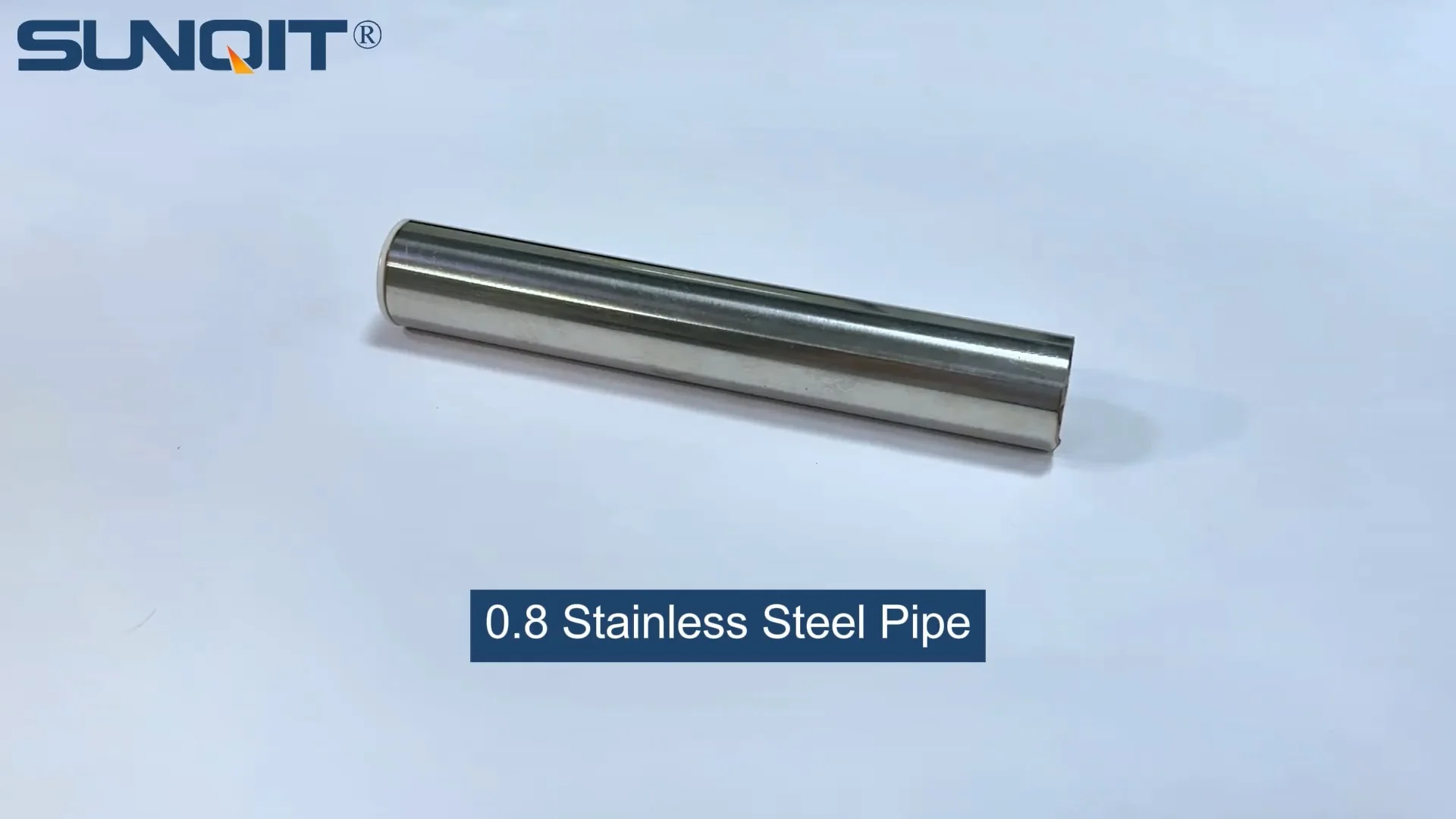
If you've ever walked through a busy workshop, a manufacturing plant, or even a small-scale assembly line, you've probably seen them—sturdy, shiny pipes holding up workbenches, guiding conveyor belts, or forming the frame of a turnover trolley. Those are often stainless steel pipes, and while they might seem like simple components, the thickness of these pipes can make or break your setup. Today, we're diving into a common dilemma: choosing between 0.8mm and 1.5mm stainless steel pipes. Whether you're a small business owner setting up your first production area or a seasoned operations manager looking to upgrade, this guide will help you pick the right thickness for your needs.
First Things First: What Do These Thicknesses Actually Mean?
Before we compare, let's clarify what "0.8mm" and "1.5mm" refer to. This is the wall thickness of the pipe—the distance between the inner and outer surface. It's not about the diameter (though diameter matters too), but about how robust the pipe itself is. Think of it like choosing between a thin plastic straw and a thick metal straw: one bends easily, the other holds its shape under pressure. In the world of industrial setups, that "pressure" could be the weight of heavy tools on a workbench, the constant movement of products on a roller track, or the daily wear and tear of a busy warehouse.
Stainless steel is prized for its strength, corrosion resistance, and longevity, but those benefits are amplified (or limited) by thickness. The stainless steel pipe series includes various grades and thicknesses, each designed for specific tasks. Today, we're zooming in on two popular options: the lightweight 0.8mm and the heavy-duty 1.5mm.
0.8mm Stainless Steel Pipe: The Lightweight Contender
Let's start with the slimmer option: 0.8mm stainless steel pipe. At first glance, you might think, "That's pretty thin—can it even hold anything?" But don't let its delicate appearance fool you. 0.8mm pipes have carved out a niche in industries where flexibility, portability, and cost-efficiency are key. Here's what makes them stand out:
Advantages of 0.8mm Stainless Steel Pipe
Light as a Feather (Relatively Speaking): The biggest draw of 0.8mm pipes is their weight. They're significantly lighter than 1.5mm pipes, which makes them easy to handle during installation. If you're setting up a temporary structure—like a pop-up workbench for a short-term project—or need to move equipment around frequently (think trolleys with caster wheels), this lightness is a game-changer. Your team won't strain their backs lifting these pipes, and assembly becomes a quick, one-person job in many cases.
Easier on the Budget: Thinner walls mean less material, and less material means lower costs. For small businesses or startups watching their bottom line, 0.8mm pipes offer a way to build functional setups without overspending. They're also ideal for projects where you need a lot of pipe (like a long material rack) but don't require maximum strength—you get more length for your money.
Flexibility in Design: While stainless steel is rigid compared to materials like PVC, 0.8mm pipes have a bit more "give" than their thicker counterparts. This makes them easier to cut, bend (within reason), and customize. If you need a pipe to fit a unique angle or a non-standard frame, 0.8mm is more forgiving during the fabrication process.
Disadvantages to Keep in Mind
Limited Load Capacity: The trade-off for lightness is strength. 0.8mm pipes can't handle heavy loads over extended periods. A workbench made with 0.8mm pipes might wobble if you place a 50kg machine on it, or a material rack could sag under the weight of stacked boxes. They're best for light to medium-duty tasks—think holding tools, guiding small parts on a roller track, or framing lightweight shelving.
Durability Over Time: Thinner walls are more prone to dents, scratches, and bending if bumped or dropped. In high-traffic areas where equipment or carts might collide with the pipes, 0.8mm could show wear faster than 1.5mm. They'll still last years with proper care, but they're not built for the "abuse" of a 24/7 production line.
Best Applications for 0.8mm Stainless Steel Pipe
So, when should you reach for 0.8mm? Think "light, temporary, or low-load." Examples include:
- Small Workbenches: If you're setting up a workbench for assembling small electronics or packaging products (not heavy machinery), 0.8mm pipes can form a stable base when paired with sturdy joints.
- Light-Duty Trolleys: Trolleys used to move small parts around a workshop—think bins of screws, labels, or finished products—often rely on 0.8mm pipes. The caster wheels handle mobility, and the pipe frame stays light enough to push easily.
- Display Racks: In retail or warehouse settings, 0.8mm pipes work well for display racks holding lightweight items like samples, brochures, or small components.
- Temporary Structures: Pop-up assembly lines, event setups, or seasonal storage racks that don't need to withstand years of heavy use.

1.5mm Stainless Steel Pipe: The Heavy-Duty Workhorse
Now, let's shift to the thicker option: 1.5mm stainless steel pipe. This is the pipe you want when "sturdy" and "long-lasting" are non-negotiable. It's the backbone of many industrial setups, and for good reason. Here's why it's a favorite among manufacturers and warehouse managers:
Advantages of 1.5mm Stainless Steel Pipe
Unmatched Strength: The biggest advantage of 1.5mm pipes is their load capacity. They can handle heavy weights without bending or warping. A workbench framed with 1.5mm pipes can easily support large machinery, stacks of metal sheets, or even multiple workers leaning on it. Material racks built with 1.5mm pipes? They'll hold row after row of heavy components without sagging, even over years of use.
Durability That Stands the Test of Time: Thicker walls mean more resistance to dents, scratches, and impact. In busy environments—where forklifts might nudge a rack, or tools might accidentally fall against a pipe—1.5mm pipes shrug off damage that would leave 0.8mm pipes bent or dented. They're also better at withstanding environmental stress, like temperature fluctuations or exposure to moisture (though all stainless steel resists corrosion, thickness adds an extra layer of protection).
Stability for High-Traffic Areas: If your setup involves constant movement—like a conveyor system transporting heavy parts, or a roller track guiding pallets—1.5mm pipes provide the stability you need. They minimize vibration, reduce noise (since they don't rattle as much), and ensure that your equipment stays aligned even under repeated use.
Disadvantages to Consider
Heavier to Handle: All that strength comes with weight. 1.5mm pipes are noticeably heavier than 0.8mm, which can make installation more labor-intensive. You might need two people to lift longer sections, and mounting them to walls or floors requires more robust brackets. If you need a setup that's easy to reconfigure (like a modular workbench you rearrange weekly), the weight can be a hassle.
Higher Cost: More material = higher price tag. 1.5mm pipes cost more per meter than 0.8mm, which can add up quickly if you're building a large structure. For small businesses on a tight budget, this might mean scaling back on other equipment or accessories.
Less Flexibility in Design: Thicker walls are harder to cut, drill, or bend. You'll need more powerful tools (like a heavy-duty pipe cutter) to work with 1.5mm pipes, and custom angles or shapes require careful planning. If you're not sure about your setup's final design, 1.5mm leaves less room for on-the-fly adjustments.
Best Applications for 1.5mm Stainless Steel Pipe
1.5mm pipes are all about "heavy, permanent, or high-load." Use them for:
- Industrial Workbenches: Workbenches where heavy machinery (like drills, presses, or 3D printers) will sit for years. The 1.5mm frame ensures stability and reduces vibration, which is crucial for precision work.
- Heavy-Duty Material Racks: Racks storing metal parts, engine components, or large inventory. A 1.5mm frame can handle the weight of stacked boxes or pallets without compromising safety.
- Conveyor Systems: The frames and supports for conveyor belts transporting heavy products (think automotive parts, large appliances, or construction materials).
- Permanent Storage Solutions: Warehouse racks, tool cribs, or equipment stands that will stay in place for years and need to withstand daily use.

Side-by-Side: 0.8mm vs. 1.5mm at a Glance
| Feature | 0.8mm Stainless Steel Pipe | 1.5mm Stainless Steel Pipe |
|---|---|---|
| Weight | Lightweight; easy to handle alone | Heavy; often requires 2+ people to install |
| Load Capacity | Light to medium (up to ~50kg per linear meter) | Heavy (100kg+ per linear meter, depending on diameter) |
| Cost | More budget-friendly | Higher upfront cost |
| Durability | Good for low-traffic areas; prone to dents with heavy impact | Excellent for high-traffic areas; resists dents and wear |
| Installation Ease | Easy to cut, bend, and assemble | Requires heavy tools; less flexible for adjustments |
| Ideal For | Small workbenches, light trolleys, temporary racks | Industrial workbenches, heavy material racks, conveyor systems |
Real-World Scenarios: How to Decide
To make this more concrete, let's walk through two hypothetical scenarios. Maybe one of them sounds like your situation.
Case Study 1: The Small Electronics Workshop
Maria runs a small workshop assembling custom circuit boards. Her team of 3 works with small components—resistors, capacitors, tiny circuit boards—and uses light tools like soldering irons and magnifying lamps. She needs a few workbenches and a trolley to move parts between stations. Her budget is tight, and she might expand to a larger space in a year or two.
Recommendation: 0.8mm stainless steel pipe. Maria's setup doesn't require heavy load capacity—her tools and components are lightweight. The workbenches won't see heavy machinery, and the trolley (fitted with caster wheels) needs to be easy to push around. Since she might move soon, the light, easy-to-disassemble 0.8mm pipes will make relocating a breeze. Plus, the lower cost frees up money for other tools, like better soldering stations.
Case Study 2: The Automotive Parts Manufacturer
Raj manages a production line that makes metal brackets for car engines. His team uses hydraulic presses, drills, and grinders—all heavy equipment. They need workbenches that can support these machines, plus material racks to store large metal sheets and finished brackets. The factory runs 12-hour shifts, so the setup needs to withstand constant use.
Recommendation: 1.5mm stainless steel pipe. Raj's workbenches need to handle the weight of hydraulic presses (which can weigh 200kg+), and the material racks will hold stacks of metal sheets. With 12-hour shifts, durability is key—dents or sagging could disrupt production. The higher cost is worth it for a setup that will last years without needing repairs or replacements.
Working with a Lean Pipe Supplier: Why Expertise Matters
Choosing between 0.8mm and 1.5mm isn't always black and white. Maybe you need a mix—0.8mm for lightweight trolleys and 1.5mm for the main workbench. That's where a reliable lean pipe supplier comes in. A good supplier won't just sell you pipes; they'll ask questions about your needs: What's the maximum weight your setup will handle? How often will you move it? What's your budget? They can even help you design a hybrid system that uses both thicknesses, ensuring you get the most bang for your buck.
When shopping for a supplier, look for one that offers the full stainless steel pipe series, including accessories like joints, caster wheels, and brackets. This way, you can get everything you need in one place, and the components will be compatible (no guessing if a joint fits a 0.8mm pipe or not). A supplier with experience in your industry (whether it's electronics, automotive, or retail) will also have insights into common challenges and solutions—like which thickness works best for roller tracks in food processing vs. heavy manufacturing.
Final Thoughts: It's All About Your Needs
At the end of the day, there's no "better" thickness—only the "right" one for your situation. 0.8mm stainless steel pipe is the lightweight, budget-friendly choice for light loads and temporary setups. 1.5mm is the heavy-duty workhorse for permanent, high-load environments. If you're still unsure, start by asking yourself:
- What's the maximum weight my setup will need to support?
- How often will I need to move or reconfigure the structure?
- What's my budget, and how long do I need the setup to last?
And when in doubt, talk to a lean pipe supplier. They'll help you assess your needs, avoid costly mistakes, and build a setup that works as hard as your team does. After all, the best stainless steel pipe is the one that fits your workflow—no more, no less.