- Company Articles
- Products and Technology
- Product knowledge
- 10 Benefits of Using Two Way Aluminum Pipe Joints in Lean Manufacturing Systems

10 Benefits of Using Two Way Aluminum Pipe Joints in Lean Manufacturing Systems
Related Product
Two Way Aluminum Pipe Joint
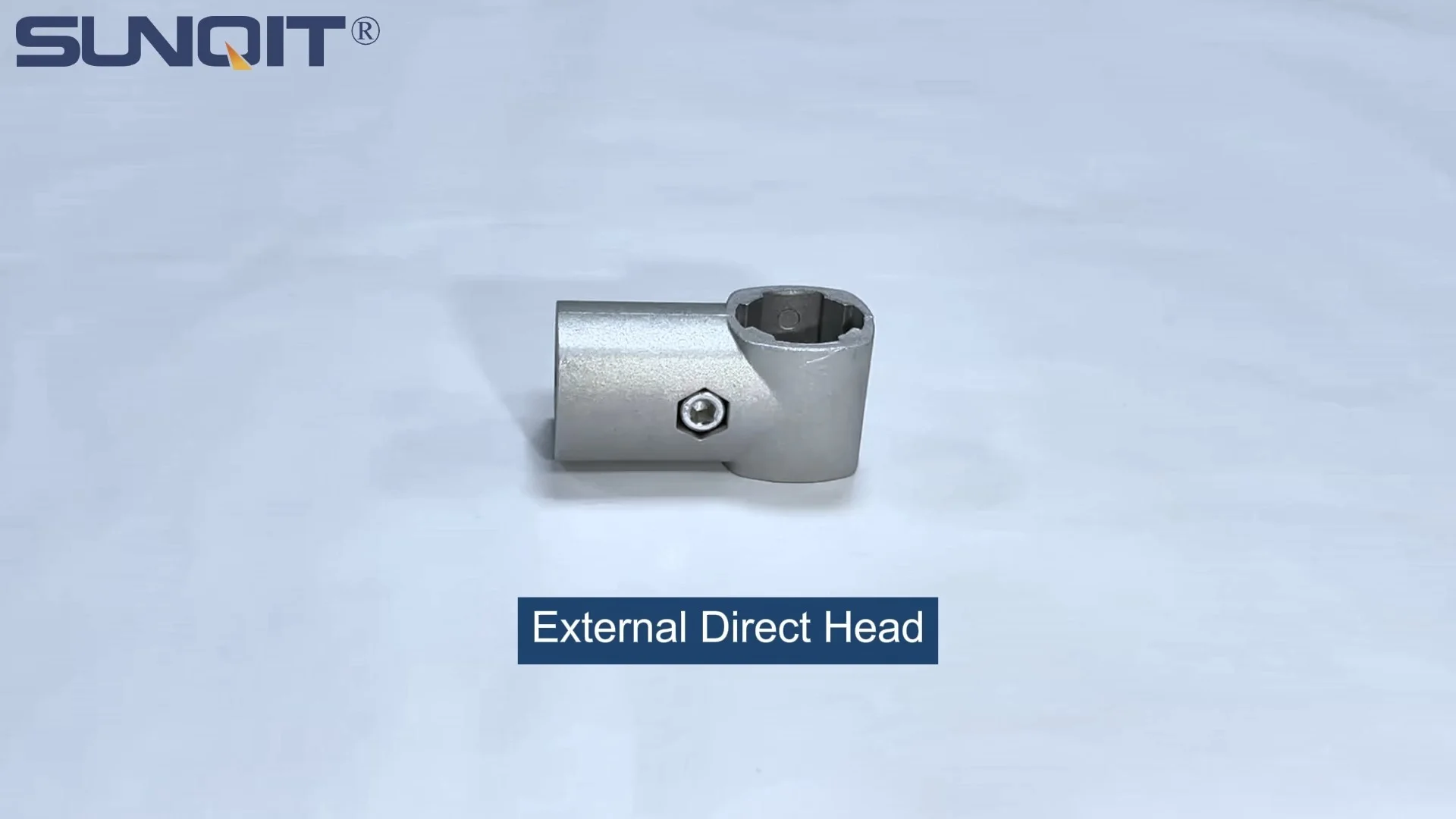
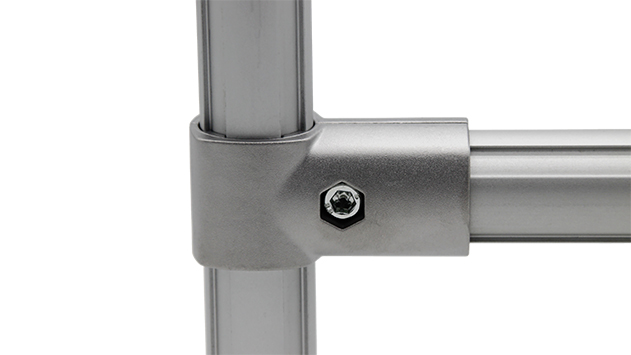
Aluminum 2 way pipe joint for 28mm aluminum pipe connection in 2 direction.
In the fast-paced world of manufacturing, where efficiency, adaptability, and cost-effectiveness are the cornerstones of success, lean manufacturing systems have emerged as a game-changer. At the heart of these systems lies the need for components that can keep up with dynamic production demands—components that are not just tools, but enablers of smarter, more responsive workflows. Among these unsung heroes are two way aluminum pipe joints: simple in design, yet powerful in impact. These unassuming connectors play a pivotal role in assembling everything from workbenches and flow racks to conveyors and material handling trolleys, making them indispensable in modern lean setups. Let's dive into 10 key benefits that make two way aluminum pipe joints a must-have for any manufacturer looking to streamline operations and stay ahead of the curve.
1. Unmatched Flexibility for Agile Production Lines
Lean manufacturing thrives on agility—the ability to pivot quickly when production needs change, whether it's a new product launch, a shift in demand, or a process optimization. Two way aluminum pipe joints excel here because they're designed for rapid reconfiguration. Unlike traditional welded or bolted connections, which require specialized tools and hours of labor to modify, these joints simply twist, lock, and release. Picture this: a electronics manufacturer suddenly needs to adjust their assembly line to accommodate a smaller circuit board. With two way joints, workers can disassemble a section of their aluminum profile workbench, reposition the pipes, and have the new setup ready in under an hour—no welding torches, no heavy machinery, just a few hand tools. This flexibility isn't just convenient; it's a competitive advantage. In an industry where time-to-market can make or break a product, the ability to adapt on the fly reduces downtime and keeps production lines humming.
But flexibility isn't just about speed—it's also about customization. Two way aluminum pipe joints work seamlessly with a variety of aluminum pipes and accessories, from basic aluminum tubes to specialized aluminum profile accessories. This means manufacturers can mix and match components to create unique structures tailored to their specific needs. Need a taller flow rack to store bulkier materials? Add longer pipes. Want a mobile workstation with casters? Swap out fixed feet for caster wheels. The possibilities are nearly endless, allowing teams to design systems that grow and evolve with their business.
2. Durability That Stands the Test of Heavy-Duty Use
Manufacturing floors are tough environments—constant movement, heavy loads, and exposure to dust, moisture, and occasional impacts. Components here can't afford to be flimsy, and two way aluminum pipe joints deliver on durability. Made from high-grade aluminum alloys, these joints are lightweight yet surprisingly strong, with a tensile strength that rivals many steel alternatives. Aluminum's natural resistance to corrosion is another boon; unlike iron or steel, it won't rust when exposed to humidity or spills, making it ideal for industries like food processing, pharmaceuticals, or automotive, where cleanliness and longevity are critical.
Consider a scenario in a busy automotive parts plant, where a flow rack assembled with two way aluminum pipe joints is used to transport heavy engine components daily. Over months of use, the rack endures constant vibration from conveyor systems, occasional bumps from forklifts, and exposure to lubricants and cleaning agents. Thanks to the joints' robust design—precision-engineered to distribute weight evenly and lock securely—there's no loosening, bending, or degradation. Compare this to plastic joints, which might crack under stress, or steel joints that rust and seize up over time. Two way aluminum joints not only last longer but also maintain their structural integrity, reducing the risk of accidents and the need for frequent replacements. For manufacturers, this translates to lower maintenance costs and a more reliable production line.
3. Cost-Effective Solutions for Long-Term Savings
At first glance, aluminum components might seem pricier than plastic or low-grade steel alternatives. But lean manufacturing is about looking beyond upfront costs to total cost of ownership—and here, two way aluminum pipe joints shine. Let's break it down: their durability means fewer replacements over time. Unlike plastic joints that need to be swapped out every few months, aluminum joints can last for years, even in high-traffic areas. Then there's the labor savings. Assembling a workbench with two way joints takes a fraction of the time compared to welding steel pipes or drilling holes for bolts. A team of two workers can put together a basic material rack in under 30 minutes, whereas a welded steel rack might take half a day and require a skilled welder. When you multiply that by dozens of racks, workbenches, and conveyors across a facility, the labor cost difference adds up quickly.
There's also the cost of reconfiguration. In traditional setups, modifying a steel structure often means cutting, rewelding, or buying entirely new parts—all expensive and time-consuming. With two way aluminum joints, reconfiguration is as simple as disassembling and reassembling, so components can be repurposed instead of discarded. For example, a turnover trolley used for one product line can be taken apart and rebuilt into a parts bin for another line, eliminating the need to purchase new equipment. Over time, these savings—on materials, labor, and replacement parts—make two way aluminum pipe joints a cost-effective choice that aligns perfectly with lean's focus on waste reduction.

4. Effortless Assembly for Reduced Labor Burden
In manufacturing, every minute spent on setup or maintenance is a minute taken away from production. Two way aluminum pipe joints are designed with simplicity in mind, making assembly a breeze—even for workers with minimal training. Unlike traditional methods that require specialized skills (like welding) or tools (like torque wrenches), these joints use a straightforward twist-and-lock mechanism. Most models feature internal threads or cam levers that secure the joint to the pipe with a simple turn, no adhesives or heat required. This means a new hire can be trained to assemble a basic aluminum profile workbench in under an hour, freeing up skilled workers to focus on more complex tasks.
Take a small electronics manufacturer ramping up production for a new smartphone model. They need to build 10 new assembly workbenches in a week to meet deadlines. With two way aluminum pipe joints, their team of general laborers can tackle the project without hiring outside contractors or pulling skilled tradespeople off the line. Each workbench—complete with a wooden top, tool holders, and overhead shelving—takes just 45 minutes to assemble. Compare that to the days it would take to weld steel frames or the frustration of aligning pre-drilled holes in plastic systems. The result? The workbenches are ready on time, production starts as scheduled, and labor costs stay in check. For lean teams, this ease of assembly isn't just convenient—it's a way to eliminate bottlenecks and keep operations running smoothly.

5. Seamless Compatibility with Existing Lean Components
No manufacturing system exists in a vacuum, and two way aluminum pipe joints are designed to play well with others. They're compatible with a wide range of lean components, from aluminum pipes and profiles to conveyor parts, caster wheels, and roller tracks. This interoperability is key for manufacturers looking to upgrade their systems incrementally, without replacing everything at once. For example, a company using older steel flow racks can start by swapping out steel joints for two way aluminum ones, then gradually replace steel pipes with aluminum profiles as needed. The joints fit standard pipe diameters and profile slots, so there's no need to redesign the entire setup.
Consider a food packaging plant that wants to integrate a new roller track conveyor into their existing lean system. The conveyor needs to connect to a flow rack made with aluminum profiles. Thanks to two way aluminum pipe joints, which can attach to both the conveyor's roller track connectors and the flow rack's aluminum guide rails, the integration is seamless. Workers simply lock the joints into place, adjust the height, and the system is ready to move packages from the rack to the conveyor. No custom adapters, no modifications to existing equipment—just plug-and-play compatibility. This flexibility to mix and match components not only saves time and money but also future-proofs the system, allowing manufacturers to adopt new technologies or expand operations without overhauling their infrastructure.
6. Ergonomic Design to Boost Worker Comfort and Productivity
Lean manufacturing isn't just about machines and processes—it's about people. A key principle of lean is eliminating waste, and that includes waste caused by worker fatigue or injury. Two way aluminum pipe joints contribute to ergonomic workspaces by enabling adjustable, customizable setups that fit the needs of individual workers. For example, a workbench assembled with these joints can be easily raised or lowered to match the height of the person using it, reducing strain on the back, shoulders, and wrists. Similarly, flow racks can be tilted to bring materials to eye level, so workers don't have to bend or reach awkwardly.
In a pharmaceutical manufacturing facility, where precision is critical, workers spend hours assembling small medical devices at a workbench. With a two way aluminum joint setup, the workbench's height can be adjusted by simply loosening the joints, moving the pipes, and relocking them—no tools required. A taller worker can raise the bench to elbow height, while a shorter colleague can lower it, ensuring both work comfortably. The result? Fewer ergonomic injuries, less fatigue, and higher productivity. Studies have shown that ergonomic workspaces can increase output by up to 15% by reducing downtime from discomfort or injury. For manufacturers, this isn't just a moral win—it's a bottom-line boost.
7. Sustainability to Align with Green Manufacturing Goals
Today's manufacturers are under increasing pressure to reduce their environmental footprint, and lean manufacturing—with its focus on waste reduction—naturally aligns with sustainability goals. Two way aluminum pipe joints support these efforts in several ways. First, aluminum is 100% recyclable, and recycling it uses just 5% of the energy required to produce new aluminum. This means that even at the end of their lifespan, the joints can be melted down and repurposed, reducing landfill waste. Second, their durability and reusability mean fewer resources are consumed over time. Instead of discarding an entire workbench when needs change, manufacturers can disassemble it and reuse the joints and pipes for a new project, minimizing material waste.
Take a furniture manufacturer that prides itself on eco-friendly practices. By using two way aluminum pipe joints in their production line, they not only reduce the need for new steel (which has a high carbon footprint) but also cut down on packaging waste—aluminum components are lightweight, so shipping them requires less fuel. When the company upgrades its flow racks, the old joints and pipes are sent to a recycling facility instead of the trash, and the recycled aluminum is used to make new components. For customers and stakeholders, this commitment to sustainability enhances brand reputation, making the manufacturer more attractive in a market where eco-consciousness matters. Two way aluminum pipe joints aren't just good for the bottom line—they're good for the planet.
8. Improved Workflow Efficiency Through Streamlined Material Handling
At the core of lean manufacturing is the goal to eliminate bottlenecks and create smooth, continuous workflows. Two way aluminum pipe joints contribute to this by enabling the design of highly efficient material handling systems, from flow racks that guide components to assembly lines to conveyors that move products with minimal friction. For example, a flow rack assembled with these joints can be tilted at a precise angle using adjustable feet, allowing gravity to move parts from the back to the front—so workers always have materials within reach, reducing time spent walking or searching for supplies.
In an automotive assembly plant, a roller track conveyor built with two way aluminum joints ensures that car parts glide smoothly from one station to the next. The joints hold the roller track guide rails securely, preventing misalignment that could jam the conveyor or slow down production. Because the joints are adjustable, the conveyor can be curved or elevated to navigate around obstacles, keeping the workflow uninterrupted. Compare this to rigid steel conveyors that are fixed in place, forcing workers to carry parts across the floor when the line changes. With two way aluminum joints, material flow becomes a well-oiled machine—faster, more reliable, and less prone to delays. For manufacturers, this translates to higher throughput and happier customers who get their orders on time.
9. Reduced Downtime for Faster Recovery from Issues
In manufacturing, downtime is the enemy. Even a small hiccup—a loose joint, a broken pipe, or a misaligned conveyor—can bring production to a standstill, costing thousands of dollars per hour. Two way aluminum pipe joints minimize downtime by making repairs and adjustments quick and easy. Unlike welded systems, where a single damaged joint might require cutting the entire structure apart, these joints can be replaced individually. If a joint on a workbench loosens, a worker can simply twist it off, pop on a new one, and be back to work in minutes—no waiting for a maintenance crew or specialized tools.
Imagine a scenario in a consumer goods factory: during a morning shift, a caster wheel on a turnover trolley suddenly jams, causing the trolley to get stuck on the conveyor line. The trolley is assembled with two way aluminum pipe joints, so the operator doesn't panic. They grab a spare joint from the maintenance closet, remove the faulty caster by unscrewing the joint, replace it with a new one, and the trolley is back in action in under 10 minutes. The line barely skips a beat. In contrast, a trolley with welded steel joints would require a welder to cut off the old caster and reattach a new one, leading to hours of downtime. For manufacturers, this ability to recover quickly isn't just about saving time—it's about maintaining consistent output and meeting tight deadlines.
10. Enhanced Safety for a Happier, Healthier Workforce
Safety is non-negotiable in manufacturing, and two way aluminum pipe joints contribute to a safer workplace in several ways. Their secure locking mechanism ensures that structures like workbenches, flow racks, and conveyors don't wobble, collapse, or shed parts—critical for preventing accidents like falling materials or workers tripping over unstable equipment. Aluminum's lightweight nature also reduces the risk of injury during assembly or reconfiguration; workers can maneuver pipes and joints without straining their backs, unlike heavy steel components that require lifting equipment.
Additionally, many two way aluminum joints are designed with rounded edges and smooth surfaces, eliminating sharp corners that could snag clothing or cause cuts. In industries like electronics manufacturing, where static electricity is a hazard, some joints even come with ESD (electrostatic discharge) coatings to protect sensitive components. For example, an ESD workstation assembled with these joints ensures that static charges are grounded, preventing damage to microchips or circuit boards. When workers feel safe, they're more focused, productive, and loyal—creating a positive cycle that benefits the entire organization.
Why Two Way Aluminum Pipe Joints Are a Lean Manufacturing Staple
From flexibility and durability to cost savings and safety, two way aluminum pipe joints check all the boxes for lean manufacturing success. They're not just components—they're partners in creating systems that are efficient, adaptable, and built to last. Whether you're assembling a simple workbench or a complex conveyor network, these joints empower your team to design, build, and reconfigure with ease, all while keeping costs low and productivity high.
To put this into perspective, let's compare traditional manufacturing setups with those using two way aluminum pipe joints:
| Aspect | Traditional Manufacturing Setup | Two Way Aluminum Pipe Joints in Lean Systems |
|---|---|---|
| Setup Time | Days (requires welding, drilling, or specialized labor) | Hours (simple twist-and-lock assembly, no special skills needed) |
| Reconfiguration Flexibility | Low (permanent structures; modifications require rebuilding) | High (easily disassembled and repurposed for new needs) |
| Durability | Variable (plastic joints crack; steel joints rust over time) | High (corrosion-resistant aluminum; long lifespan even in tough environments) |
| Maintenance Costs | High (frequent replacements; specialized repairs) | Low (minimal replacements; easy DIY repairs) |
| Safety | Risk of instability (welds weaken; sharp edges) | Secure (stable locking mechanism; rounded edges reduce injury risk) |
As manufacturers continue to embrace lean principles, two way aluminum pipe joints will only grow in importance. They embody the lean spirit of "less waste, more value"—delivering the flexibility to adapt, the durability to endure, and the efficiency to thrive in today's competitive market. So, whether you're just starting your lean journey or looking to upgrade your existing systems, consider making two way aluminum pipe joints a cornerstone of your manufacturing setup. Your team, your bottom line, and your customers will thank you.