- Company Articles
- Products and Technology
- Application Cases
- 10 Ways Aluminum Workbench C Improves Overall Factory Efficiency

10 Ways Aluminum Workbench C Improves Overall Factory Efficiency
Related Product
Aluminum Workbench C
aluminum-tube-workbench-is-more-flexible-and-durable,-compared-with-traditional-pe/abs-coated-steel-tube.-it-is-easy-to-assemble,-anti-corrosion,-rust-protection,-and-recycle-use-after-disassemble.
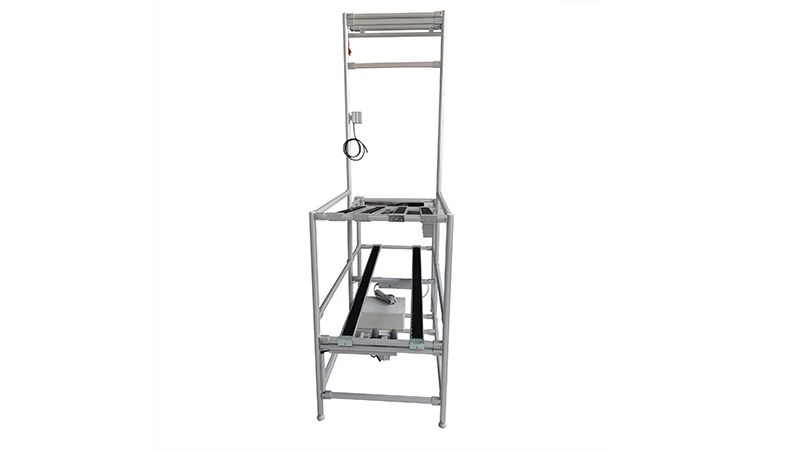
In the fast-paced world of manufacturing, every second counts. The workbench—often the unsung hero of the production floor—can make or break your team's productivity. Outdated, rigid, or cumbersome workstations slow down operations, frustrate operators, and create bottlenecks that ripple through your entire workflow. Enter Aluminum Workbench C: a modern solution designed to align with the demands of lean manufacturing, dynamic production lines, and the need for adaptable, durable workspaces. More than just a table, it's a catalyst for efficiency, built with precision and purpose to address the unique challenges of today's factories. Let's explore how this innovative workstation transforms everyday operations, one improvement at a time.
| Feature | Traditional Workbench | Aluminum Workbench C |
|---|---|---|
| Customization | Fixed design; difficult to reconfigure | Modular aluminum profile system; easy to adjust for changing needs |
| Weight | Heavy (steel/wood); hard to move | Lightweight aluminum; easy to reposition with caster wheel options |
| Material Flow | Manual handling; no integrated transport | Built-in roller track for seamless part movement |
| Assembly Time | Hours (requires tools/welding) | Minutes (snap-fit aluminum profile accessories) |
| Maintenance | Prone to rust/damage; high upkeep | Corrosion-resistant aluminum; low maintenance |
1. Modular Design with Aluminum Profile Flexibility
Factories rarely stay the same. Production lines shift, product specs change, and new machinery gets added—yet traditional workbenches remain stubbornly fixed, like anchors dragging down progress. Aluminum Workbench C solves this with its core building block: the aluminum profile. These lightweight, durable extrusions come with pre-engineered T-slots that let you attach accessories—shelves, tool holders, bins, or even monitors—in seconds. Need to add a second shelf for smaller parts? Just slide in an aluminum profile bracket. Want to mount a label printer? Use a T-slot nut and bolt to secure it anywhere on the frame. This isn't just customization; it's adaptability on demand.
Unlike wooden workbenches that splinter or steel ones that bend, aluminum profiles maintain their shape and strength, even with frequent reconfigurations. And because the aluminum profile accessories (like connectors and end caps) are standardized, you won't waste time hunting for custom parts. It's a system built for the way factories actually work: evolving, not static.
"A electronics manufacturer recently shifted from producing smartphones to tablets. Their old steel workbenches couldn't accommodate the larger tablet cases—until they switched to Aluminum Workbench C. Using extra aluminum profiles and a few brackets, they extended the work surface by 18 inches in under an hour. No welding, no downtime, just a quick adjustment that kept production on track."
2. Integrated Roller Track for Seamless Material Flow
Material handling is often the silent productivity killer. Operators spending minutes reaching, lifting, or sliding parts across a workbench add up to hours of wasted time daily. Aluminum Workbench C eliminates this by integrating roller track directly into its design. These smooth-rolling tracks let parts glide from one station to the next with minimal effort—whether it's a circuit board moving to the testing phase or a plastic housing heading for assembly.
The roller track isn't an afterthought, either. It's engineered to work with the workbench's height and layout, ensuring parts flow at the optimal angle to reduce strain. Plus, with options like plastic roller track guide rails (in yellow or grey) and aluminum guide rails, you can match the track to your specific needs—whether you're moving lightweight components or heavier assemblies. And because the roller track connects easily to other workbenches or conveyor systems, it turns isolated workstations into a connected ecosystem where materials move as efficiently as your team does.
"A automotive parts plant was struggling with bottlenecks at their inspection station. Parts arrived in bins, requiring operators to lift each piece onto the workbench. After installing Aluminum Workbench C with roller track, parts now slide directly from the incoming conveyor onto the inspection surface. The result? A 30% faster inspection process and fewer reports of back strain from the team."

3. Lightweight Mobility with Caster Wheel Compatibility
A workbench that stays stuck in one spot is a liability in dynamic factories. Deep cleaning, line reconfigurations, or temporary projects often require moving workstations—but traditional steel benches can weigh 200+ pounds, requiring multiple people and forklifts to shift. Aluminum Workbench C changes the game with its lightweight aluminum frame and easy caster wheel installation. Add a set of caster wheels (with or without brakes) to the base, and suddenly your workstation becomes mobile, ready to roll wherever it's needed most.
This mobility isn't just about convenience; it's about agility. Need to create a temporary assembly line for a rush order? Roll in two Aluminum Workbench C units and connect them with roller track. Want to deep clean under the workbench? Unlock the casters and glide it out of the way. And because the aluminum frame is strong enough to support tools and materials without flexing, you won't sacrifice stability for mobility. It's the best of both worlds: a sturdy workstation that moves when you need it to.
Even better, the caster wheel accessories are designed for quick attachment. No drilling or welding—just bolt them onto the workbench's base using pre-drilled holes, and you're ready to roll. When mobility isn't needed, simply remove the casters and lock the bench in place with adjustable leveling feet for a stable, stationary setup.

4. ESD Workstation Compatibility for Sensitive Electronics
In industries like electronics manufacturing, static electricity is a silent enemy. A single electrostatic discharge (ESD) can fry a circuit board, ruin hours of work, and cost thousands in wasted materials. Aluminum Workbench C addresses this with optional ESD workstation configurations, turning it into a safe haven for sensitive components. The work surface can be treated with ESD-safe materials, and the aluminum frame itself conducts static away from parts, grounding it harmlessly. Even the roller track can be upgraded with ESD-safe black wheels, ensuring every part of the workstation protects your products.
This isn't just about compliance; it's about confidence. Operators working with delicate microchips or LED components no longer have to second-guess whether their workstation is putting products at risk. And because the ESD features are integrated into the workbench's design (not added as an afterthought), you get consistent protection across the entire surface—no weak spots, no missed areas.
"A medical device manufacturer was losing 5% of their circuit board production to static damage. After switching to ESD-configured Aluminum Workbench C units, that number dropped to 0.1%. The team now focuses on assembling devices, not worrying about hidden ESD threats—and their rework costs plummeted by $40,000 in the first quarter alone."

5. Quick Assembly with Minimal Tools
Time is money, especially when setting up a new production line or replacing old equipment. Traditional workbenches often require teams of installers, power tools, and even welding to put together—dragging out setup time for days. Aluminum Workbench C flips this script with its tool-free (or minimal-tool) assembly. Thanks to the aluminum profile's T-slot design and pre-engineered accessories (like internal rotary aluminum joints and parallel aluminum joints), you can build the workbench in under an hour with just a hex key or screwdriver.
Every component is designed to snap, slide, or bolt into place without guesswork. The aluminum guide rails click into the roller track, the shelves attach to the frame with T-slot nuts, and the legs adjust with simple leveling feet. Even complex configurations—like adding a second tier or integrating a material rack—are straightforward, thanks to standardized parts. This means less downtime during installation, faster onboarding for new lines, and the ability to reconfigure on the fly without calling in a maintenance crew.
6. Enhanced Ergonomics for Happier, More Productive Teams
Operator fatigue isn't just a comfort issue—it's a productivity and safety issue. A workbench that's too low, too high, or poorly laid out leads to slouching, reaching, and straining, which slow down work and increase the risk of injury. Aluminum Workbench C prioritizes ergonomics with adjustable features that adapt to your team, not the other way around. The legs can be fitted with adjustable leveling feet, letting you tweak the height by inches to match each operator's ideal working position. Add a tilting work surface, and suddenly tasks like soldering or labeling become easier on the neck and shoulders.
Even the little details matter: the roller track is positioned to reduce bending, the edges are rounded to prevent bruising, and the work surface is wide enough to keep tools within arm's reach without overcrowding. When operators are comfortable, they focus better, work faster, and take fewer breaks. It's a simple equation: happier teams equal higher output.
7. Low Maintenance and Longevity
Factories are tough environments—dust, oils, and daily wear take a toll on equipment. Traditional workbenches often show their age quickly: wood warps, steel rusts, and laminates peel. Aluminum Workbench C, however, is built to last. Aluminum naturally resists corrosion, so it won't rust even in humid or oily environments. The surface is easy to wipe clean with a damp cloth, and aluminum profile accessories like end caps prevent dust and debris from getting stuck in T-slots.
Unlike wood, it won't splinter or absorb spills, and unlike steel, it doesn't require painting or coating to stay looking new. Even the roller track components—like plastic guide rails and stainless steel swivel roller balls—are designed for heavy use, with replaceable parts that cost a fraction of a new workbench. Over time, this translates to lower maintenance costs and a longer lifespan, making Aluminum Workbench C an investment that pays off for years.
8. Space Optimization with Compact, Multi-Functional Design
Floor space is a premium in most factories, and bulky workbenches eat into valuable real estate. Aluminum Workbench C maximizes space with a compact footprint that does more with less. The modular aluminum profile system lets you stack storage vertically—adding shelves, bins, or material racks above or below the work surface—so you don't need separate storage units cluttering the area. Need a place to hold tools? Attach a hanging rail to the side. Want to store finished products? Add a lower shelf with roller track for easy access.
Even the workbench's base is designed to save space. The slim aluminum legs take up minimal floor area, making it easier to navigate around and clean underneath. And when paired with caster wheels, you can tuck the workbench away when not in use, freeing up space for other tasks. It's a workstation that works with your layout, not against it.
9. Seamless Integration with Lean Systems
Lean manufacturing is all about eliminating waste—whether it's time, materials, or motion. Aluminum Workbench C is built with lean principles in mind, acting as a foundation for a more efficient workflow. Its modular design reduces overproduction of workbench features you don't need; the roller track cuts down on motion waste by letting parts flow to operators; and its mobility eliminates the waste of waiting for a workstation to be moved.
Even small details align with lean goals: the ESD compatibility reduces defects (waste from rework), the quick assembly minimizes downtime (waste from waiting), and the adjustable design ensures you're not stuck with a workstation that becomes obsolete (waste from overprocessing). It's not just a tool for doing work—it's a tool for doing work smarter, in line with the lean systems that drive modern manufacturing success.
10. Compatibility with a Wide Range of Accessories
A workbench is only as good as the tools and accessories it supports. Aluminum Workbench C doesn't limit you to a few basic add-ons; it works with a vast ecosystem of aluminum profile accessories, lean pipe and accessories, and roller track components. Need to hold a monitor for work instructions? Use a T-slot monitor mount. Want to add a light bar? Clip it into the aluminum profile. Need to secure tools? Install a pegboard using profile brackets. The possibilities are nearly endless, ensuring your workstation grows with your needs, not against them.
And because these accessories are standardized (many from the same supplier), you won't face compatibility issues. A roller track placon mount from last year will still fit a new aluminum profile today. This consistency means you can build a workstation that's truly yours—no compromises, no workarounds.
Aluminum Workbench C isn't just a workstation; it's a statement about how you approach manufacturing. It says you value adaptability over rigidity, efficiency over tradition, and your team's well-being over cutting corners. From its modular aluminum profile design to its integrated roller track, from caster wheel mobility to ESD safety, every feature is engineered to make your factory run smoother, faster, and smarter. In a world where every advantage counts, Aluminum Workbench C isn't just an upgrade—it's a transformation. It's time to stop working around your workbench, and start working with it.