- Company Articles
- Products and Technology
- Application Cases
- 2020 Aluminum Profile End Cap Applications in 3C Assembly Lines

2020 Aluminum Profile End Cap Applications in 3C Assembly Lines
Related Product
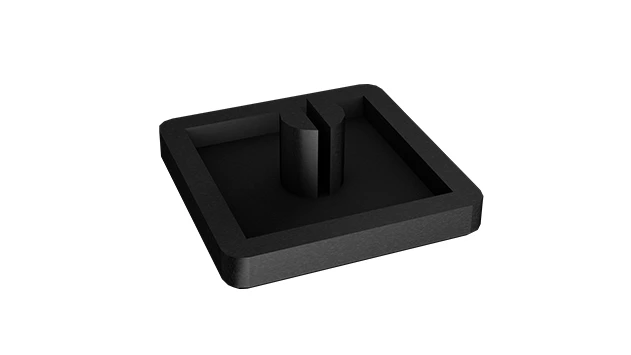
2020 Aluminum Profile End Cap
The aluminum profile end cap adds a finishing touch to your project and closes off profile ends to limit dust and debris buildup, also it can avaid some scratch for material and labor during the assemble work.
In the fast-paced world of 3C (Computers, Communication, and Consumer Electronics) manufacturing, precision isn't just a goal—it's a necessity. Every component, no matter how small, plays a role in keeping assembly lines running smoothly, ensuring product quality, and protecting the workers who bring these devices to life. One such unsung hero? The 2020 aluminum profile end cap. Often overlooked in discussions about high-tech machinery or cutting-edge robotics, this humble accessory is a cornerstone of efficient, safe, and lean 3C assembly lines. Let's dive into why it matters, how it works, and the critical role it plays in bringing our favorite gadgets from blueprint to reality.
Understanding 2020 Aluminum Profiles: The Backbone of Modern Assembly Lines
Before we explore the end cap itself, let's start with the foundation: the 2020 aluminum profile. In 3C manufacturing, where space is tight and flexibility is key, modularity reigns supreme. Aluminum profiles—extruded pieces of aluminum with standardized cross-sections—have become the go-to for building everything from workbenches and material racks to conveyor supports and machine frames. The "2020" designation refers to the profile's dimensions: 20mm in width and 20mm in height. This compact size makes it ideal for constructing lightweight yet sturdy structures that fit into the cramped quarters of electronics assembly lines, where every inch of space is precious.
What makes 2020 aluminum profiles so popular? For starters, aluminum is inherently lightweight, which reduces the strain on assembly line infrastructure and makes reconfiguring workstations easier—a must in 3C manufacturing, where production lines often shift to accommodate new phone models, tablet sizes, or wearable tech. It's also corrosion-resistant, a critical feature in environments where cleaning agents or humidity might otherwise degrade metal components. Plus, aluminum profiles are extruded with T-slots—longitudinal grooves running along their length—that allow for quick attachment of accessories like brackets, shelves, or conveyor tracks. This modularity means a single 2020 profile can be repurposed from holding circuit board bins one month to supporting a testing rig the next, without the need for welding or heavy modifications.
But even the most well-designed profile isn't complete without its finishing touches. Enter the 2020 aluminum profile end cap: a small, often unassuming piece that caps off the open ends of the profile. At first glance, it might seem like a trivial addition—after all, isn't the profile already strong enough on its own? But in the high-stakes world of 3C assembly, where precision and safety can't be compromised, the end cap proves its worth in a dozen small, vital ways.
What Is a 2020 Aluminum Profile End Cap? Design and Materials
At its core, a 2020 aluminum profile end cap is a simple device: a cover designed to fit snugly over the exposed ends of a 2020 aluminum profile. But don't let its simplicity fool you—its design is the result of careful engineering to meet the unique demands of 3C manufacturing. Most end caps are made from one of two materials: high-grade plastic (like polypropylene or ABS) or aluminum. Each has its own advantages, depending on the application.
Plastic end caps are lightweight, cost-effective, and often come in a variety of colors, making them easy to integrate into color-coded assembly systems (think: red for "inspection," blue for "assembly," green for "packaging"). They're also slightly flexible, which helps them absorb minor impacts—handy in busy lines where tools or components might bump against the profile ends. Aluminum end caps, on the other hand, offer superior durability and heat resistance, making them ideal for areas near soldering stations or heat-testing equipment, where plastic might warp. They also provide a more seamless, professional look, which can boost worker morale by creating a cleaner, more organized workspace.
Regardless of material, the best 2020 end caps share a few key design features. They're typically friction-fit, meaning they slide into the profile end without the need for screws or adhesives—though some models include small tabs or notches to ensure a tighter hold. This "snap-on" design is intentional: in 3C lines, where time is money, workers can install or replace end caps in seconds, minimizing downtime. Many end caps also feature a slightly rounded or beveled edge, which eliminates sharp corners—a critical safety detail we'll explore more later.
Some end caps go a step further, incorporating additional functionality. For example, "vented" end caps have small holes to allow air circulation, preventing dust buildup inside hollow profiles. Others might include slots for labeling, letting workers quickly identify which workstation or material rack a profile belongs to. In 3C manufacturing, where lines are often reconfigured, these small touches can make a big difference in keeping operations organized and efficient.

The Critical Functions of 2020 Aluminum Profile End Caps in 3C Lines
Now that we know what 2020 aluminum profile end caps are, let's break down why they're indispensable in 3C assembly. Their functions might seem minor on the surface, but each contributes to the bigger picture of safety, efficiency, and product quality.
1. Safety First: Protecting Workers from Sharp Edges
In any manufacturing environment, worker safety is paramount—but in 3C lines, where employees often work in close quarters with machinery and hand tools, even small hazards can lead to injuries. Aluminum profiles, while durable, have raw, cut ends that can be surprisingly sharp. A worker reaching across a workbench to grab a component might brush against an exposed profile end, resulting in a cut or a snagged glove. In the worst cases, this could lead to a pause in production, medical attention, or even a more serious accident.
The 2020 end cap eliminates this risk by covering those sharp edges with a smooth, rounded surface. Consider a typical day on a smartphone assembly line: workers stand for hours, their hands moving quickly to place microchips, attach screens, or test buttons. A single misstep—like a hand slipping while reaching for a tweezers—could bring skin into contact with an unprotected profile end. With an end cap in place, that contact is harmless. Over time, this small change reduces the number of minor injuries, keeping workers comfortable and focused, and keeping the line running without unnecessary interruptions.
2. Preventing Debris Buildup: Keeping Profiles (and Products) Clean
3C devices are delicate. A single speck of dust or metal shard can ruin a circuit board, scratch a display, or interfere with a device's functionality. Aluminum profiles, with their hollow interiors (in many cases), can act like tiny dust traps if their ends are left open. Over time, dust, lint, or even small metal filings from nearby machining processes can accumulate inside the profile. When the line is reconfigured or the profile is moved, this debris can shake loose, falling onto sensitive components below.
End caps seal off the profile's interior, acting as a barrier against unwanted particles. This is especially important in "clean room" environments, common in semiconductor or precision electronics manufacturing, where air quality is strictly controlled. By preventing debris buildup, end caps reduce the risk of product defects and the need for time-consuming cleanup. They also extend the life of the profile itself: trapped moisture or corrosive particles inside an open profile can lead to internal rust or degradation, but a sealed end cap keeps these elements out.
3. Enhancing Aesthetics and Organization
At first glance, "aesthetics" might seem irrelevant in a factory setting—but in reality, a clean, organized workspace has a direct impact on worker morale and efficiency. A line cluttered with exposed profile ends, rusty edges, or mismatched components can feel chaotic, leading to distractions and even mistakes. 2020 aluminum profile end caps give workstations a polished, professional look by covering unsightly cut ends and creating a uniform appearance across the line.
Color-coded end caps take this a step further. In large 3C facilities, where hundreds of workstations might be spread across a single floor, color-coding helps workers quickly identify which stations are for assembly, testing, packaging, or maintenance. For example, yellow end caps might mark profiles used in "active assembly" zones, while grey end caps denote "material storage" areas. This visual cue reduces confusion, speeds up training for new employees, and helps workers navigate the line more efficiently—all of which contribute to a leaner, more productive operation.
4. Supporting Modular Flexibility: A Key Component of Lean Systems
Lean manufacturing is the backbone of modern 3C production. At its core, lean is about eliminating waste—whether that's wasted time, materials, or space—and maximizing value. Modular assembly lines, built with components like 2020 aluminum profiles, are a cornerstone of lean systems because they allow for quick reconfiguration to adapt to changing production needs. But modularity only works if the individual components are easy to install, remove, and reuse.
End caps play a subtle but vital role here. Their friction-fit design means they can be removed and reinstalled in seconds, without tools. This is crucial when reconfiguring a workstation: if a profile needs to be cut to a new length, the old end cap can be popped off, the profile trimmed, and a new end cap snapped on—no need for adhesives that would permanently fix the cap in place, or screws that would require a toolkit and extra time. This ease of use reduces the "changeover time" between production runs, a key metric in lean manufacturing. For example, when a smartphone manufacturer shifts from producing a 6-inch model to a 6.7-inch model, the assembly line's workbenches and material racks might need minor adjustments. With end caps that are quick to remove and replace, those adjustments can happen in minutes, not hours, keeping the line agile and responsive to market demands.

Real-World Applications: Where 2020 End Caps Shine in 3C Assembly
To truly appreciate the value of 2020 aluminum profile end caps, let's look at their applications in some of the most common structures on a 3C assembly line. From workbenches to material racks, these small accessories make a big difference in day-to-day operations.
Workbenches: The Heart of Assembly
Workbenches are where the magic happens in 3C manufacturing. It's here that workers assemble circuit boards, attach screens, and test device functionality. Most modern workbenches are built using 2020 aluminum profiles for their frames, thanks to the material's strength, lightweight, and modularity. The end caps on these workbenches are critical for both safety and functionality.
Consider a typical workbench setup: the frame is made of 2020 profiles, with a wooden or aluminum top for workers to place components. The legs, crossbars, and shelf supports all end in exposed profile edges—prime candidates for end caps. On the front edge of the workbench, where workers rest their forearms during long shifts, a plastic end cap with a soft, ergonomic design can reduce fatigue by providing a comfortable surface to lean against. On the back edge, near where tools hang, an aluminum end cap might be used for added durability, as it's less likely to crack if a heavy tool bumps against it.
End caps also help with cable management—a constant challenge in workbenches cluttered with power tools, testing equipment, and charging stations. Some end caps feature small notches or channels that allow cables to pass through, keeping them organized and preventing tangles. This not only makes the workspace neater but also reduces the risk of tripping hazards or damaged cables, which can lead to equipment downtime.
Material Racks and Turnover Trolleys: Keeping Components Moving
In 3C manufacturing, components—from microchips to display panels—need to move quickly from storage to the assembly line. Material racks and turnover trolleys, often built with 2020 aluminum profiles, are the workhorses of this process. These structures are constantly being loaded, unloaded, and pushed across factory floors, making durability and safety top priorities.
On a material rack with multiple shelves (like the "material rack b (3 row and 3 floor)" mentioned in our keyword list), each shelf is supported by 2020 profiles. The end caps on these profiles prevent components from catching on sharp edges as they're slid onto the shelf. For example, a bin of small screws or capacitors might slide off-center, hitting the end of a profile—without an end cap, the bin could snag, spilling its contents. With a smooth end cap, the bin glides past, avoiding disruption.
Turnover trolleys, which are wheeled to transport materials between stations, face similar challenges. As the trolley is pushed around corners or over uneven floors, its frame can vibrate, causing loose items to shift. End caps on the trolley's handle or side rails prevent workers from getting scraped hands while maneuvering it. They also protect the trolley itself: a trolley with exposed profile ends is more likely to get dented or bent if it bumps into a wall or another trolley, but end caps absorb some of that impact, extending the trolley's lifespan.
Conveyor Systems: The Lifeline of the Line
Conveyors move partially assembled devices from one station to the next—for example, from screen attachment to battery installation. Many conveyor supports and guides are built using 2020 aluminum profiles, and here, end caps play a role in both safety and functionality. On roller conveyors (like the "roller track" in our keywords), the profiles that frame the conveyor belt or roller track often have end caps at the entry and exit points. These caps prevent items from getting stuck in the gap between the conveyor and the profile, a common cause of jams that can halt production.
In some cases, end caps on conveyor profiles are designed with specific angles or shapes to guide products along the line. For example, a "plastic roller track guide rail yellow" might be paired with end caps that slope gently upward, ensuring that a device stays centered on the conveyor as it moves. This precision is critical in 3C manufacturing, where even a slight misalignment can lead to a product being damaged or processed incorrectly.
The Role of 2020 End Caps in Lean Systems: Reducing Waste, Boosting Efficiency
Lean manufacturing is all about eliminating waste in seven key areas: overproduction, waiting, transportation, defects, inventory, motion, and overprocessing. 2020 aluminum profile end caps contribute to reducing waste in several of these categories, making them a small but essential part of any lean 3C operation.
First, they reduce "defects" by preventing damage to products and components, as we've discussed. Fewer defects mean less rework, less scrap, and fewer wasted materials—all core lean goals. Second, they reduce "motion waste" by creating a safer, more organized workspace. When workers don't have to navigate around sharp edges or clean up spilled components, they can focus on their tasks, moving more efficiently.
Third, end caps reduce "transportation waste" by extending the life of material racks and trolleys. A trolley with damaged, unprotected profile ends will need to be replaced sooner, requiring resources to transport the old trolley for repair and bring in a new one. End caps slow this wear and tear, keeping equipment in use longer. Finally, their modular design supports "inventory waste" reduction: because end caps are easy to install and replace, there's no need to keep large stocks of spare profiles on hand—just a few extra end caps will do.
Perhaps most importantly, end caps enable the "flexibility" that's central to lean systems. In a market where 3C products evolve rapidly, assembly lines must adapt quickly. A manufacturer producing smartwatches today might shift to fitness trackers next month, requiring workstations to be reconfigured. With end caps that pop on and off in seconds, workers can disassemble and reassemble profiles without delay, ensuring the line is up and running with minimal downtime.
Comparing End Cap Materials: Plastic vs. Aluminum for 3C Lines
When choosing 2020 aluminum profile end caps, manufacturers must decide between plastic and aluminum options. Each has its strengths, and the right choice depends on the specific application. The table below breaks down the key differences:
| Feature | Plastic End Caps | Aluminum End Caps | Best For |
|---|---|---|---|
| Cost | Lower upfront cost | Higher upfront cost | Plastic: High-volume, low-stress areas (e.g., basic workbench legs). Aluminum: High-wear areas (e.g., conveyor guides). |
| Durability | Good for light to moderate use; may crack under heavy impact | Excellent for heavy use; resistant to dents and cracks | Plastic: Shelves with lightweight components. Aluminum: Trolleys, high-traffic workbenches. |
| Safety | Slightly flexible, absorbs impacts; soft edges ideal for worker contact | Rigid, but smooth finish; better heat resistance near hot equipment | Plastic: Front edges of workbenches (forearm contact). Aluminum: Near soldering stations or ovens. |
| Aesthetics | Available in multiple colors for color-coding | Matches aluminum profiles for a seamless look | Plastic: Color-coded zones (e.g., red for "inspection"). Aluminum: Clean-room environments where uniformity is key. |
| Installation | Friction-fit; easy to snap on/off without tools | May require slight pressure or adhesive for tight fit | Plastic: Lines with frequent reconfiguration. Aluminum: Permanent or long-term setups. |
In most 3C assembly lines, a mix of both plastic and aluminum end caps is ideal. For example, a workstation might use plastic end caps on its front edge (for comfort) and aluminum end caps on its back edge (for durability near machinery). This hybrid approach balances cost, safety, and functionality, ensuring the line runs smoothly without overspending on unnecessary components.
Challenges and Solutions: Making the Most of 2020 End Caps
While 2020 aluminum profile end caps offer numerous benefits, they're not without challenges. One common concern is cost: high-quality end caps, especially custom-colored or specialized models, can add up when purchased in bulk. However, this upfront cost is often offset by long-term savings: fewer injuries, less downtime, and reduced replacement costs for damaged profiles or components.
Another challenge is finding the right supplier. With so many "lean pipe supplier" and "aluminum profile accessories" options on the market, it can be difficult to ensure consistent quality. A low-quality end cap might crack after a few weeks of use, defeating its purpose. To mitigate this, manufacturers should partner with reputable suppliers who offer samples for testing and stand behind their products with warranties. Many suppliers also offer bulk discounts, making it more affordable to stock up on end caps for future use.
Customization is a third challenge. Some 3C manufacturers require end caps with specific dimensions, colors, or features (like integrated cable channels) to meet unique line requirements. While generic end caps work for most cases, specialized applications may need tailored solutions. The good news is that many suppliers now offer custom end cap services, using 3D printing or injection molding to create prototypes quickly. This allows manufacturers to test the end cap in their specific environment before committing to a full order.
The Future of 2020 Aluminum Profile End Caps in 3C Manufacturing
As 3C devices continue to shrink in size and increase in complexity, assembly lines will demand even more precise, efficient components. So, what does the future hold for 2020 aluminum profile end caps? Here are a few trends to watch:
Eco-Friendly Materials: With sustainability becoming a priority for manufacturers worldwide, we'll likely see more end caps made from recycled plastics or biodegradable materials. These options will appeal to brands looking to reduce their environmental footprint without sacrificing performance.
Integrated Smart Features: As Industry 4.0 (the "smart factory") takes hold, end caps might incorporate small sensors to monitor temperature, vibration, or even worker proximity. For example, an end cap with a built-in RFID tag could help track the location of modular workstations in real time, improving inventory management.
Enhanced Ergonomics: With a growing focus on worker well-being, end caps will become more ergonomically designed—think softer, more contoured edges for workbench rails, or anti-fatigue materials that reduce strain during long shifts.
3D-Printed Customization: 3D printing technology will make it easier and cheaper to produce small batches of custom end caps, allowing manufacturers to tailor them to specific devices or assembly processes. This could include end caps shaped to fit unique profile modifications or branded with company logos for a more professional look.
Conclusion: Small Part, Big Impact
In the grand scheme of 3C manufacturing—with its robots, AI-driven quality checks, and cutting-edge materials—the 2020 aluminum profile end cap might seem. But as we've explored, its impact is anything but small. From protecting workers and preventing defects to enabling lean efficiency and flexible production, this humble accessory plays a vital role in bringing our favorite devices to life.
For manufacturers, investing in high-quality end caps isn't just about checking a box on a parts list—it's about investing in safety, efficiency, and the long-term success of their operations. For workers, it's about coming home without cuts or scrapes, and working in an environment that feels cared for. And for consumers, it's about knowing their devices were built with attention to every detail, no matter how small.
So the next time you pick up your smartphone, tablet, or smartwatch, take a moment to appreciate the unseen heroes of its creation. The 2020 aluminum profile end cap might not make headlines, but it's a quiet reminder that in manufacturing, as in life, the smallest parts often make the biggest difference.