- Company Articles
- Products and Technology
- Product knowledge
- 2020 Aluminum Profile End Cap Compatibility with Lean Tube Systems

2020 Aluminum Profile End Cap Compatibility with Lean Tube Systems
Related Product
2020 Aluminum Profile End Cap
The aluminum profile end cap adds a finishing touch to your project and closes off profile ends to limit dust and debris buildup, also it can avaid some scratch for material and labor during the assemble work.
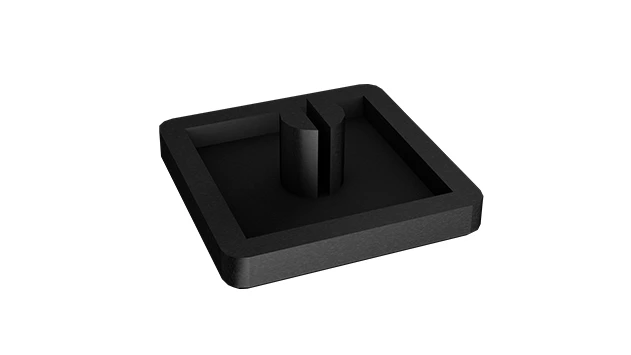
Walk into any modern manufacturing facility, and you'll likely spot a maze of workbenches, material racks, and conveyor lines that seem to hum with precision. What you might not notice at first glance are the small, unassuming components holding it all together—components like the 2020 aluminum profile end cap. These tiny caps, often no larger than a postage stamp, play a quiet but critical role in keeping lean tube systems running smoothly. In this article, we'll dive into why these end caps matter, how they integrate with lean tube systems, and why compatibility isn't just a technical detail but a cornerstone of operational efficiency.
What Are 2020 Aluminum Profile End Caps?
Let's start with the basics. The term "2020" refers to the dimensions of the aluminum profile they're designed to fit: 20mm by 20mm. These profiles are the backbone of modular workstations, racks, and production lines in lean manufacturing setups. The end cap, as the name suggests, is a cover that snaps or presses onto the open ends of these profiles. But don't let their simplicity fool you—they're engineered to solve three big problems:
- Debris Protection: Open profile ends collect dust, metal shavings, and even small tools, which can jam moving parts or contaminate products.
- Safety: Sharp, exposed aluminum edges pose a cut risk to workers handling or cleaning equipment.
- Structural Integrity: End caps add a subtle but important layer of rigidity, preventing the profile ends from bending or deforming under stress.
Most 2020 end caps are made from durable plastics like polypropylene or nylon, though metal versions exist for heavy-duty environments. They come in various styles: press-fit (snapping tightly into the profile), threaded (screwing into pre-tapped holes), or snap-on (using flexible tabs to lock in place). Some even feature rubber gaskets for extra dust resistance—handy in food processing or pharmaceutical settings where cleanliness is non-negotiable.
Lean Tube Systems: The Backbone of Modern Manufacturing
Before we jump into compatibility, let's clarify what a "lean tube system" actually is. At its core, it's a modular framework built from tubes, joints, and accessories that can be quickly assembled, disassembled, or reconfigured to adapt to changing production needs. Think of it as industrial Lego for factories. Traditional lean tube systems used steel pipes with plastic coatings (often called "lean pipe" or "lean tube"), but aluminum profiles—like the 2020 series—have grown in popularity for their lightweight, corrosion-resistant, and sleek design.
The magic of lean tube systems lies in their flexibility. A single set of aluminum profiles and lean pipe accessories can be transformed into a workbench one week, a material rack the next, and a conveyor guide the month after. This adaptability is why they're a staple in industries from automotive to electronics, where production lines evolve rapidly to meet new demands.
But here's the catch: for this flexibility to work, every component must play well with others. A 2020 aluminum profile end cap that doesn't fit snugly isn't just an annoyance—it can throw off the entire system's functionality. Let's break down what "compatibility" really means in this context.

Key Factors in Compatibility
1. Profile Size and Shape
First and foremost, the end cap must match the profile's dimensions. While "2020" seems straightforward (20x20mm), not all 20mm profiles are identical. Some have rounded edges, others square; some have T-slots (the grooves running along the length) of varying widths. A 2020 end cap designed for a square-edge profile with a 6mm T-slot won't fit a rounded-edge profile with an 8mm slot—it'll either pop off or get stuck, defeating its purpose.
Manufacturers like to avoid confusion by labeling end caps with the exact profile series they pair with. For example, a "2020 EU standard aluminum profile end cap" is tailored to the European-style 20x20 profiles with standardized slot sizes, while a "2020 national standard profile end cap" fits the slightly different Chinese domestic profile specs. Always check the profile's specs before buying—measure the width, height, and slot size if you're unsure.
2. Material Compatibility
Most 2020 aluminum profile end caps are plastic, but the type of plastic matters. Polypropylene (PP) end caps are affordable and work well in dry, indoor environments, like electronics assembly lines. Nylon end caps, on the other hand, are more heat-resistant and durable, making them better for warehouses with high temperatures or heavy foot traffic. In ESD (electrostatic discharge) sensitive areas—think semiconductor manufacturing—you might even find conductive plastic end caps that dissipate static, preventing damage to sensitive components.
But what if your lean tube system uses a mix of aluminum and stainless steel profiles? Stainless steel is heavier and more corrosion-resistant, often used in food or chemical plants. In these cases, ensure the end cap's material can withstand the environment. For example, a PP end cap might degrade quickly in a humid, chemical-exposed area, so a stainless steel end cap (though pricier) would be the safer bet.
3. Mounting Mechanism
How the end cap attaches to the profile is another compatibility puzzle. There are three common mounting styles:
- Press-Fit: These end caps rely on friction—you push them into the profile until they "click" into place. They're quick to install but require a tight tolerance between the cap and profile. Too loose, and they fall off; too tight, and you might crack the cap or damage the profile.
- Snap-On: Snap-on caps have flexible tabs that bend as you insert them, then spring back to lock the cap in place. They're ideal for profiles with T-slots, as the tabs grip the slot edges. Look for reinforced tabs if the cap will be subject to vibration (like on a conveyor line).
- Threaded: For heavy-duty applications, some end caps screw into pre-tapped holes in the profile. These are the most secure but require the profile to have threaded inserts—something not all 2020 profiles include. They're often used in workbenches that support heavy machinery, where a loose cap could lead to instability.

Real-World Applications: Where Compatibility Counts
To understand why compatibility matters, let's look at a few scenarios where 2020 end caps and lean tube systems intersect in daily operations.
Production Assemble Lines
Imagine a smartphone assembly line where workers stand at aluminum workbenches (like the "workbench e (single deck-without caster)" from many suppliers). Each bench is built from 2020 aluminum profiles, with end caps sealing the edges. If those end caps are incompatible—say, they're too loose—dust and tiny screws can fall into the profile's T-slots. Over time, those slots get clogged, making it impossible to attach accessories like tool holders or monitor mounts. Workers waste time cleaning out slots instead of assembling phones, and productivity dips.
On the flip side, a compatible end cap keeps slots clean and edges safe. Workers can focus on their tasks, and the line stays flexible—if the assembly process changes, the workbench can be reconfigured in hours, not days, because the end caps (and other aluminum profile accessories) work as intended.
Material Racks and Flow Systems
Material racks, like "material rack b (3 row and 3 floor)" setups, rely on 2020 profiles to support heavy loads of parts. Exposed profile ends here aren't just a dust magnet—they can catch on boxes or injure workers loading/unloading materials. A well-fitted end cap smooths those edges, reducing the risk of snags or cuts. In flow rack systems, where parts slide down roller tracks, even a slightly protruding end cap can disrupt the flow, causing jams. Compatibility ensures the cap sits flush, keeping materials moving seamlessly.
ESD Workstations
In electronics manufacturing, ESD (electrostatic discharge) workstations are critical for protecting sensitive components like circuit boards. These workstations use conductive materials to ground static electricity, and that includes end caps. A non-ESD end cap on an ESD workstation profile can create a "hot spot" where static builds up, potentially frying components. That's why "esd workstation" setups require ESD-safe 2020 end caps—often made with carbon-infused plastic—to maintain a continuous ground path. Using a standard plastic cap here isn't just incompatible; it's a costly mistake waiting to happen.
Compatibility Table: 2020 End Caps and Lean Tube Components
| End Cap Type | Compatible Profile Series | Best For | Mounting Style |
|---|---|---|---|
| 2020 Standard Plastic End Cap | 2020 EU Standard, 2020 National Standard | General workbenches, non-heavy-duty racks | Press-fit |
| 2020 ESD Conductive End Cap | 2020 ESD-Safe Aluminum Profiles | ESD workstations, electronics assembly | Snap-on (with conductive tabs) |
| 2020 Stainless Steel End Cap | 2020 Stainless Steel Profiles, Corrosive Environments | Food processing, chemical plants | Threaded (screws into profile inserts) |
| 2020 Rounded-Edge End Cap | 2020 Rounded-Edge Aluminum Profiles | Public areas, schools, or low-risk work zones | Press-fit (flexible, rounded design) |
Installation Tips for Maximum Compatibility
Even the most compatible end cap won't perform well if installed incorrectly. Here are a few pro tips to ensure a snug, long-lasting fit:
- Clean the Profile End First: Dust, grease, or debris on the profile's end can prevent the cap from seating properly. Wipe it with a dry cloth before installing.
- Align Before Pressing: Hold the cap parallel to the profile end, not at an angle. Angling can bend the cap's tabs or damage the profile's edges.
- Test the Fit: A properly installed cap should require a firm push to seat but shouldn't bend or crack. If it slides on too easily, it's too loose; if it won't seat, check for profile damage or a mismatched cap.
- Use the Right Tool for Threaded Caps: For threaded end caps, use a torque wrench to avoid over-tightening (which can strip threads) or under-tightening (which leads to loosening over time).
Troubleshooting Common Compatibility Issues
Even with careful planning, compatibility issues can pop up. Here's how to spot and fix them:
End Caps Falling Off
If caps keep coming loose, the first suspect is size mismatch. Check if the cap is labeled for 2020 profiles—sometimes suppliers mix up 2020 and 3030 caps. If the size is correct, the profile might be worn (e.g., T-slots widened from repeated use). In that case, switch to a snap-on cap with longer tabs or a threaded cap for a tighter grip.
End Caps Cracking or Breaking
Cracking usually happens when the cap is too rigid for the profile's shape or when it's forced onto a misaligned end. Try a more flexible material (like nylon instead of hard plastic) or check if the profile end is bent—use a file to smooth out any burrs before reinstalling.
Incompatibility with Accessories
Sometimes the issue isn't the cap and profile, but the cap and other accessories. For example, a thick end cap might prevent a T-slot nut from sliding into the profile. In this case, opt for a low-profile end cap or one with a cutout to accommodate the nut.
The Bottom Line: Compatibility Drives Lean Success
At the end of the day, lean manufacturing is about eliminating waste—waste of time, materials, and effort. A mismatched 2020 aluminum profile end cap might seem like a small problem, but it can snowball into bigger issues: downtime for repairs, damaged products, even worker injuries. By prioritizing compatibility, you're not just checking a box on a parts list—you're investing in the reliability and flexibility that make lean systems so powerful.
So the next time you're setting up a new workstation or replacing parts, take a moment to inspect those end caps. Are they the right size? The right material? Do they fit the profile like a glove? Those small checks will pay off in smoother operations, happier workers, and a lean system that truly lives up to its name.