- Company Articles
- Products and Technology
- Product knowledge
- 2020 Aluminum Profile End Cap vs. 2040: Which Profile End Cap to Choose?

2020 Aluminum Profile End Cap vs. 2040: Which Profile End Cap to Choose?
Related Product
2020 Aluminum Profile End Cap
The aluminum profile end cap adds a finishing touch to your project and closes off profile ends to limit dust and debris buildup, also it can avaid some scratch for material and labor during the assemble work.
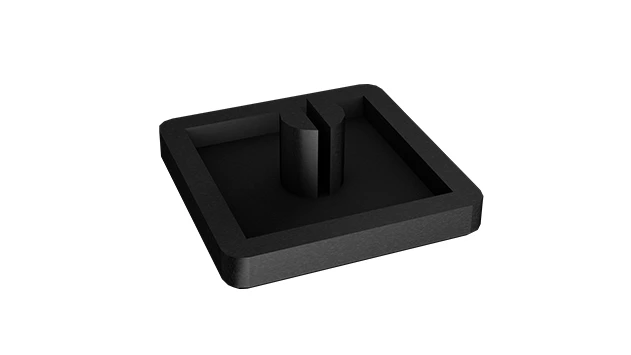
Walk into any modern factory, workshop, or even a DIY garage, and you'll likely spot the unsung heroes of industrial efficiency: aluminum extrusion profiles. These sleek, modular metal structures form the backbone of workbenches, material racks, conveyor systems, and everything in between. But here's a little secret: the real magic isn't just in the profiles themselves—it's in the tiny details that make them functional, safe, and built to last. Enter aluminum profile end caps —those small, often overlooked accessories that might seem trivial until you realize they're the difference between a polished, professional setup and a jumble of sharp edges and loose components.
If you've ever shopped for these end caps, you've probably noticed a common dilemma: 2020 vs. 4040. What do those numbers even mean? And more importantly, which one is right for your project? Let's cut through the confusion. This isn't just about picking a part number—it's about understanding how these small caps fit into your larger goals, whether you're building a lightweight workbench for a home lab or a heavy-duty material rack for a manufacturing floor. Let's dive in.
First Things First: What Are Aluminum Extrusion Profiles, Anyway?
Before we get to the end caps, let's make sure we're on the same page about the stars of the show: aluminum extrusion profiles . These are lengths of aluminum shaped into specific cross-sections (think T-slots, squares, rectangles) through a process called extrusion—imagine squeezing toothpaste through a tube, but with molten aluminum and industrial-grade precision. The result? Strong, lightweight, and infinitely customizable building blocks that can be assembled with aluminum profile accessories like connectors, brackets, and yes, end caps.
Why aluminum? It's corrosion-resistant, easy to work with, and balances strength and weight better than most materials. That's why you'll find these profiles in everything from electronics manufacturing (ESD workstations, anyone?) to automotive assembly lines (heavy-duty conveyor systems) and even retail displays. The T-slots running along their length are the real game-changer—they let you attach accessories without drilling or welding, making reconfiguration a breeze. But none of that matters if the ends of your profiles are exposed.
The Unsung Hero: What Do Aluminum Profile End Caps Actually Do?
Let's be honest: end caps don't get the glory. They're not as flashy as a shiny new conveyor or as critical as a sturdy workbench. But try running a workshop without them, and you'll quickly learn their value. Here's what these small-but-mighty accessories bring to the table:
- Safety First: Raw aluminum extrusion ends are sharp. Not "paper cut" sharp—we're talking "scrape your arm raw" sharp. End caps cover those edges, turning a hazard into a smooth, safe surface. This is non-negotiable in spaces with frequent foot traffic or where workers handle profiles regularly.
- Dust and Debris Defense: The T-slots and hollow centers of aluminum profiles are magnets for dust, dirt, and even small tools (we've all dropped a screw into a profile and spent 10 minutes fishing it out). End caps seal off the ends, keeping your setup clean and reducing maintenance headaches.
- Aesthetic Appeal: Exposed profile ends look unfinished. Whether you're building a customer-facing display or just want your workshop to feel professional, end caps give projects a polished, intentional look.
- Structural Support (Indirectly): While end caps aren't load-bearing, they prevent the ends of profiles from deforming under stress. Think of them like the cap on a marker—without it, the tip bends; with it, the whole structure stays intact longer.
Now, back to the numbers: 2020 and 4040. These refer to the cross-sectional dimensions of the aluminum profiles they're designed for. A 2020 profile measures 20mm x 20mm, and a 4040 profile is 40mm x 40mm. Simple enough, right? But size isn't the only difference. Let's break down each type.

2020 Aluminum Profile End Cap: The Compact Contender
The 2020 aluminum profile end cap is the "small but mighty" option in the end cap world. Designed for 20mm x 20mm profiles, it's lightweight, low-profile, and built for projects where space and weight matter most. Let's dig into its features, best uses, and what makes it stand out.
Features of 2020 End Caps
Most 2020 end caps are made from durable plastics like nylon or ABS (though metal options exist for heavy-duty needs). They're typically "push-fit" or "snap-on" design—no screws required. You just align the cap with the profile end and press firmly; the flexible plastic tabs grip the inner walls of the profile, holding it in place. Some have a slightly textured surface for better grip during installation, and others come in neutral colors (black, white, gray) to blend with most profiles.
Size-wise, they're tiny—about the size of a large thumbtack. This compactness is a double-edged sword: it makes them easy to store and install, but it also means they're not built for extreme stress. For example, if you're slamming a heavy object against the end of a 2020 profile (please don't do that), the cap might pop off. But under normal use? They're rock-solid.
Best Uses for 2020 End Caps
2020 profiles are the workhorses of small-scale projects, so their end caps follow suit. Here are the scenarios where 2020 end caps shine:
Lightweight Workbenches and Tables: Think home labs, hobby workshops, or small electronics assembly stations. A 2020-based workbench is sturdy enough for a laptop, soldering iron, or small tools, and the end caps keep the edges safe without adding unnecessary bulk.
Shelving and Storage for Small Parts: If you're organizing resistors, screws, or craft supplies, 2020 profiles make great shelving. The end caps here keep dust out of the shelves and prevent small items from slipping into the profile ends.
DIY Projects and Prototyping: Makers and hobbyists love 2020 profiles because they're easy to cut, drill, and assemble. End caps are a quick way to finish prototypes without investing in permanent solutions—if you redesign the project later, just pop the caps off and reuse the profiles.
Retail Displays and Kiosks: 2020 profiles are lightweight enough to mount on walls or suspend from ceilings, making them ideal for product displays. End caps here add a clean, professional look that customers notice (even if they don't realize it).
Pros and Cons of 2020 End Caps
Pros:
- Budget-Friendly: 2020 profiles and their accessories are cheaper than larger options, so end caps won't break the bank—you can stock up for a whole project without overspending.
- Easy to Install: No tools needed! Just push and snap. This is a huge plus for quick builds or projects where you're iterating frequently.
- Space-Saving: Their small size means they don't add extra bulk, which is crucial in tight spaces like under-desk shelves or wall-mounted setups.
Cons:
- Not for Heavy Loads: 2020 end caps (and profiles) aren't designed for extreme weight. If you're building something that will hold hundreds of pounds, these might not be up to the task.
- Limited Durability in Harsh Environments: Plastic 2020 end caps can crack if exposed to extreme temperatures or heavy impacts. For outdoor use or industrial settings with high vibration, you might need metal alternatives (which are pricier).

4040 Aluminum Profile End Cap: The Heavy-Duty Hero
On the other end of the spectrum, we have the 4040 aluminum profile end cap . Built for 40mm x 40mm profiles, this end cap is the "workhorse" of industrial settings. It's bigger, sturdier, and designed to handle the wear and tear of heavy manufacturing, warehouses, and large-scale projects. Let's explore what makes it tick.
Features of 4040 End Caps
4040 end caps are larger (about 40mm x 40mm, as you'd guess) and often made from thicker, more durable materials. While plastic options exist, many industrial-grade 4040 end caps are made from reinforced nylon or even aluminum (for maximum strength). Unlike 2020 caps, some 4040 models use screws to secure them to the profile—this adds stability but requires a bit more installation effort.
Another key feature? They're designed to match the heft of 4040 profiles. These profiles are thicker-walled and built to support heavy loads, so their end caps need to keep up. You'll often find 4040 end caps with ribbed interiors or extra tabs to grip the profile's inner walls, ensuring they stay put even under vibration or impact.
Best Uses for 4040 End Caps
4040 profiles are the backbone of industrial operations, so their end caps are right at home in high-stress environments. Here's where they excel:
Heavy-Duty Material Racks and Shelving: In warehouses or factories storing metal parts, tools, or raw materials, 4040 profiles can support hundreds of pounds. End caps here not only protect workers but also prevent heavy items from damaging the profile ends when loaded or unloaded.
Conveyor Systems and Assembly Lines: 4040 profiles often form the frames for conveyors that move products through production. End caps here need to withstand constant vibration and occasional impacts (like a dropped box), so their durability is non-negotiable.
Workstations for Industrial Machinery: Think automotive repair bays, where mechanics lean on workbenches or mount heavy tools. 4040 profiles provide the stability needed, and their end caps ensure the setup remains safe even with daily rough use.
Outdoor and Harsh Environment Setups: 4040 end caps (especially metal or reinforced plastic ones) hold up better to rain, snow, and temperature swings. They're a good choice for outdoor storage racks or construction site temporary structures.
Pros and Cons of 4040 End Caps
Pros:
- Industrial-Grade Durability: These caps are built to last in tough environments—no cracking, popping off, or warping under stress.
- Secure Fit: Many 4040 end caps use screws or reinforced tabs, so they stay in place even with heavy use or vibration.
- Versatile Material Options: From plastic to aluminum, you can choose the material that matches your environment (e.g., aluminum for corrosion resistance, reinforced plastic for cost savings).
Cons:
- More Expensive: Larger profiles mean larger (and pricier) end caps. If you're working on a tight budget, 4040 caps can add up quickly.
- Tools Required (Sometimes): Screw-on 4040 end caps need a screwdriver or Allen wrench, which adds time to installation compared to push-fit 2020 caps.
- Bulkier: Their size can be a downside in small spaces—if you're building something compact, 4040 caps might stick out more than you'd like.
2020 vs. 4040 End Caps: A Side-by-Side Comparison
| Factor | 2020 Aluminum Profile End Cap | 4040 Aluminum Profile End Cap |
|---|---|---|
| Profile Size | 20mm x 20mm profiles | 40mm x 40mm profiles |
| Typical Material | Basic nylon or ABS plastic | Reinforced nylon, aluminum, or heavy-duty plastic |
| Installation | Push-fit/snap-on (no tools needed) | Push-fit or screw-on (tools may be required for screw-on models) |
| Best For | Small-scale projects: home labs, DIY builds, light shelving, retail displays | Industrial settings: heavy material racks, conveyors, workstations with heavy tools |
| Cost | Budget-friendly (typically $0.50–$2 per cap) | More expensive (typically $2–$5+ per cap) |
| Durability | Good for light use; may crack under heavy impact | Excellent for heavy use; resists impact, vibration, and harsh environments |
| Space Requirements | Low-profile (no extra bulk) | Bulkier (adds 40mm to profile ends) |
How to Choose: 3 Key Questions to Ask Yourself
Now that you know the basics, how do you decide between 2020 and 4040 end caps? It all comes down to your project's unique needs. Ask yourself these three questions to narrow it down:
1. What's the Scale of Your Project?
Start with size. Are you building a single workbench for your garage, or outfitting an entire factory floor? 2020 end caps shine in small, lightweight setups where cost and space are priorities. If you're working with 20mm profiles, there's no need to overcomplicate things—stick with 2020 caps.
On the flip side, if your project involves 40mm profiles (or larger), 4040 end caps are non-negotiable. Using a 2020 cap on a 4040 profile would be like putting a bicycle tire on a truck—it won't fit, and it won't hold up. Always match the end cap size to the profile size.
2. How Much Weight and Wear Will It Handle?
Next, think about stress. Will your setup be used occasionally (like a weekend DIY project), or daily in a high-traffic area (like a warehouse)? 2020 end caps are fine for light, occasional use, but if you're dealing with heavy loads, constant vibration, or rough handling, 4040 caps (especially metal or reinforced ones) are worth the investment.
Example: A 2020 workbench holding a laptop and a few tools? 2020 caps are perfect. A 4040 material rack holding 50-pound boxes that get loaded/unloaded 20 times a day? Go with 4040 caps—your future self (and your workers) will thank you.
3. What's Your Budget and Timeline?
Finally, consider practicalities. 2020 end caps are cheaper and faster to install—great if you're on a tight budget or need to finish quickly. 4040 caps cost more and may take longer to install (especially screw-on models), but they save money long-term by reducing maintenance and replacement costs.
Pro Tip: If you're unsure, check the profile's load rating. Most aluminum extrusion suppliers list how much weight their profiles can handle. If the rating is under 100 pounds per linear foot, 2020 caps are probably enough. Over 100 pounds? 4040 (or larger) is the way to go.
Real-World Scenarios: Putting It All Together
Let's walk through a few examples to see how these choices play out in real life. Sometimes, seeing it in action makes all the difference.
Scenario 1: The Hobbyist's Home Lab
Mia is a electronics hobbyist building a home lab. She needs a small workbench (3ft x 2ft) to hold her soldering station, multimeter, and bins of components. She's using 2020 aluminum profiles because they're lightweight enough to mount on her garage wall and affordable enough to fit her budget. For end caps, she picks 2020 push-fit models—they're cheap, easy to install, and she doesn't need anything heavy-duty. Plus, if she decides to expand the lab later, she can pop the caps off and reconfigure the profiles without hassle.
Scenario 2: The Factory Floor Upgrade
Carlos manages a small automotive parts factory and needs to replace old wooden material racks with aluminum extrusion ones. The racks will hold heavy engine parts (up to 300 pounds per shelf), and workers will load/unload them with forklifts daily. He chooses 4040 profiles for their strength and pairs them with screw-on 4040 end caps made from reinforced nylon. The screws ensure the caps stay put even when parts bump against the racks, and the reinforced material resists cracks from impacts. Yes, they cost more than 2020 caps, but Carlos knows they'll last longer and keep his team safe.
Scenario 3: The Retail Store Display
Priya owns a boutique clothing store and wants to build wall-mounted display shelves for accessories (scarves, hats, jewelry). She needs something lightweight, stylish, and easy to install. She goes with 2020 profiles because they're thin enough to mount cleanly on her walls and won't overpower her store's aesthetic. For end caps, she picks white 2020 push-fit models—they blend with the profiles, add a polished look, and cost next to nothing. Her customers comment on how "put-together" the displays look, and Priya smiles, knowing the end caps are the unsung heroes.
Common Mistakes to Avoid
Even with all this info, it's easy to slip up. Here are a few pitfalls to steer clear of:
Mistake 1: Choosing Based on Price Alone It's tempting to grab the cheapest end caps, but if they're too small or flimsy for your profile, you'll end up replacing them (or worse, dealing with safety issues). Spend a little extra to match the cap to the profile and use case.
Mistake 2: Ignoring Material Compatibility Not all end caps work with all profiles. Some 4040 profiles have thicker walls or unique slot designs, so double-check that the end cap is compatible with your specific profile model (suppliers usually list this info).
Mistake 3: Overlooking the Environment If your setup is outdoors or in a humid space (like a kitchen), plastic end caps might warp or degrade. In these cases, metal 4040 end caps (or corrosion-resistant plastic) are worth the investment.
Final Thoughts: It's All About Balance
At the end of the day, choosing between 2020 and 4040 aluminum profile end caps isn't about which is "better"—it's about which fits your project. 2020 caps are the affordable, flexible choice for small-scale, lightweight builds. 4040 caps are the tough, reliable workhorses for industrial, heavy-duty setups. Both have their place, and both play a critical role in making aluminum extrusion projects safe, functional, and professional.
So, take a step back, assess your project's size, load, and environment, and pick the cap that matches. And remember—whether you go with 2020 or 4040, those small caps are doing big work. They're the finishing touch that turns a pile of profiles into a setup you can be proud of.
Need help finding the right end caps? Reach out to your aluminum profile supplier—they'll have specs, compatibility charts, and even sample caps to test. Happy building!