- Company Articles
- Products and Technology
- Product knowledge
- 2020 Aluminum Profile End Caps: Balancing Aesthetics and Functionality

2020 Aluminum Profile End Caps: Balancing Aesthetics and Functionality
Related Product
2020 Aluminum Profile End Cap
The aluminum profile end cap adds a finishing touch to your project and closes off profile ends to limit dust and debris buildup, also it can avaid some scratch for material and labor during the assemble work.
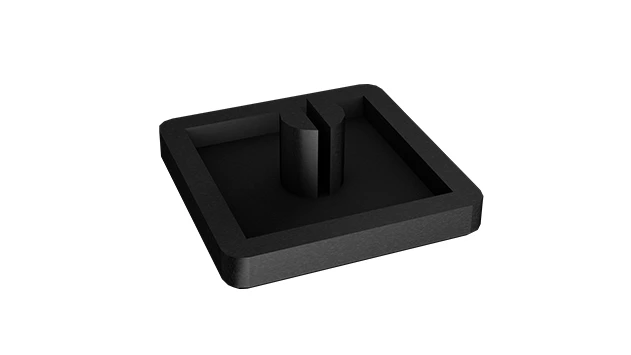
The unsung heroes of aluminum extrusion systems
Introduction: More Than Just a "Cap"
Walk into any modern manufacturing facility, office workspace, or retail display area, and you'll likely encounter aluminum extrusion profiles. These versatile structures form the backbone of workbenches, shelving units, machine guards, and even modular furniture. But if you take a closer look at the ends of these profiles—those clean, finished edges—you're probably seeing 2020 aluminum profile end caps in action. At first glance, they might seem like simple afterthoughts, but these small components play a critical role in both the functionality and visual appeal of aluminum profile systems. In this article, we'll dive into why 2020 aluminum profile end caps matter, how they balance form and function, and why they're an indispensable part of any well-designed aluminum profile setup.
The Functional Backbone: Protecting What Matters Most
Let's start with the basics: aluminum extrusion profiles, by design, have hollow, open ends. Without end caps, these exposed ends can become a liability—both for the profiles themselves and the people interacting with them. Imagine running your hand along a workbench made of aluminum profile and catching a finger on a sharp, unfinished edge. Not only is that painful, but it's also a safety hazard in busy environments where workers or customers are constantly moving around. 2020 aluminum profile end caps eliminate this risk by covering those raw edges, creating a smooth, rounded finish that's safe to touch. This might seem like a small detail, but in high-traffic areas like production lines or retail stores, it's a detail that prevents countless minor injuries and keeps operations running smoothly.
But their protective role doesn't stop at safety. Aluminum profiles are often used in environments where dust, moisture, or debris is common—think factory floors, garages, or outdoor settings. Without end caps, these elements can seep into the hollow interior of the profile, leading to corrosion, buildup, or even structural weakening over time. A well-fitted end cap acts as a barrier, sealing off the profile's interior and preserving its integrity. For example, in a workshop where metal shavings or coolant are present, an end cap prevents these particles from collecting inside the profile, which could otherwise cause jamming if the profile is part of a sliding mechanism or contains wiring. Over the long term, this protection translates to longer-lasting profiles and lower maintenance costs—a win for any business looking to maximize the lifespan of its equipment.
Structural support is another underrated benefit. While aluminum extrusion profiles are inherently strong, their open ends can be points of vulnerability, especially in load-bearing applications. End caps add a layer of reinforcement by distributing stress evenly across the profile's end. This is particularly important for profiles used in shelving or workbenches that hold heavy tools or materials. By preventing the ends from deforming under pressure, 2020 aluminum profile end caps ensure the entire structure remains stable and reliable. It's a subtle contribution, but one that engineers and facility managers appreciate when designing systems that need to withstand daily wear and tear.

Aesthetics: Making Function Look Good
Now, let's shift to the "aesthetics" side of the equation. In today's design-conscious world, even industrial equipment isn't just about function—it needs to look good, too. Aluminum extrusion profiles are often chosen for their modern, clean lines, but those open, unfinished ends can disrupt that sleek appearance. Imagine a minimalist office desk built with aluminum profiles: the exposed ends would stick out like sore thumbs, breaking the visual flow and making the whole piece feel unpolished. 2020 aluminum profile end caps solve this by creating a cohesive, finished look. Whether they're color-matched to the profile or chosen to add a subtle accent, end caps turn a "work-in-progress" appearance into a professional, intentional design.
Color coordination is a key part of this. Many manufacturers offer 2020 aluminum profile end caps in a range of finishes, from matte black to glossy white, or even custom colors to match brand palettes. This flexibility allows designers to integrate end caps seamlessly into the overall scheme. For example, a retail display using silver aluminum profiles might pair them with black end caps to create a bold contrast, while a medical facility might opt for white end caps to maintain a sterile, clean look. In each case, the end caps aren't just hiding the profile's edges—they're enhancing the design's visual impact. It's the difference between a system that looks "thrown together" and one that feels thoughtfully crafted.
Sleekness is another aesthetic advantage. Aluminum extrusion profiles are known for their industrial-chic appeal, but exposed ends can make them look clunky. End caps, with their smooth, rounded edges, soften the profile's appearance, making it feel more refined. This is especially important in settings where aluminum profiles are on full display, like modern offices or customer-facing retail spaces. A well-designed end cap doesn't draw attention to itself; instead, it lets the profile's clean lines take center stage, creating a look that's both functional and visually pleasing. It's the design equivalent of a well-tailored suit—every detail works together to create a polished final product.

Material Matters: Choosing the Right End Cap for the Job
Not all 2020 aluminum profile end caps are created equal. The material they're made from affects everything from durability to cost to appearance. The most common options are plastic and aluminum end caps, each with its own set of pros and cons. Plastic end caps, often made from polypropylene or ABS, are lightweight, affordable, and come in a wide range of colors. They're a popular choice for indoor applications where weight and cost are priorities, like office furniture or retail displays. However, they may not hold up as well in extreme temperatures or high-impact environments—for example, a factory floor where heavy equipment might bump into the profiles. In those cases, aluminum end caps are the better bet. Made from the same material as the profiles themselves, they offer superior strength and heat resistance, making them ideal for industrial settings. They also tend to have a more premium look, with finishes that match the profile's natural aluminum sheen.
Another consideration is customization. Some projects require end caps with specific features, like holes for wiring or ventilation, or textured surfaces for grip. While plastic end caps are easier to mold into complex shapes, aluminum end caps can be machined or anodized for a custom finish. For example, a manufacturing plant might need end caps with pre-drilled holes to route cables through the profile, keeping wires organized and out of the way. In this case, a plastic end cap with integrated cable management features could be the perfect solution. On the other hand, a high-end retail display might opt for anodized aluminum end caps with a brushed finish to match the profile's premium look. The key is to match the end cap material and design to the project's specific needs—whether that's durability, cost, or custom functionality.
Types of Aluminum Profile End Caps: A Quick Comparison
Aluminum profiles come in various sizes, and so do their end caps. The "2020" in 2020 aluminum profile end caps refers to the profile's dimensions—typically 20mm x 20mm, a common size for smaller-scale applications like shelving, workbenches, or light-duty frames. But there are other sizes too, like 3030, 4040, or 4080, each with its own corresponding end cap. To help you understand the differences, here's a breakdown of some popular aluminum profile end caps and their typical uses:
| Profile Series | End Cap Dimensions (mm) | Common Material | Typical Applications | Key Feature |
|---|---|---|---|---|
| 2020 Aluminum Profile | 20x20 | Plastic (ABS/PP) or Aluminum | Small workbenches, shelving, modular furniture | Lightweight, cost-effective, ideal for small-scale projects |
| 3030 Aluminum Profile | 30x30 | Aluminum or Reinforced Plastic | Medium-duty frames, machine guards, retail displays | Balances strength and weight; good for moderate loads |
| 4040 Aluminum Profile | 40x40 | Aluminum (Anodized) | Heavy-duty workbenches, production lines, industrial shelving | High strength; resistant to corrosion and impact |
| 4080 Aluminum Profile | 40x80 | Thick-Walled Aluminum | Large machinery frames, structural supports | Maximum load capacity; designed for industrial environments |
As you can see, 2020 aluminum profile end caps are the "small but mighty" option, perfect for projects where space and weight are limited but finish and safety still matter. They're the go-to choice for everything from hobbyist 3D printer enclosures to small office storage solutions, proving that even the smallest components can make a big difference.
Installation Tips: Getting the Perfect Fit
Installing 2020 aluminum profile end caps is usually a straightforward process, but there are a few tips to ensure they fit snugly and last. First, make sure the profile's ends are clean and free of debris. Dust or burrs from cutting the profile can prevent the end cap from seating properly, leading to a loose fit that might fall off over time. A quick wipe with a cloth or a light sanding of rough edges can make a big difference here. Next, check the end cap's design—some are press-fit, meaning they simply snap into place, while others might require adhesive for a more secure hold. Press-fit end caps are great for temporary setups or projects where you might need to remove the end caps later (for wiring, for example), while adhesive-backed ones are better for permanent installations where you want maximum stability.
Another pro tip: don't force the end cap. If it doesn't slide on easily, check if the profile is bent or if the end cap is the right size. Using the wrong size end cap (e.g., a 3030 cap on a 2020 profile) will lead to a loose or tight fit, both of which are problematic. Most manufacturers label end caps clearly with their corresponding profile series, so double-checking the packaging can save you time and frustration. And if you're working with aluminum end caps, consider using a rubber mallet to gently tap them into place—this ensures a tight fit without damaging the cap or the profile.
Finally, think about future maintenance. If you anticipate needing to access the inside of the profile (for example, to run new cables or clean out debris), opt for reusable end caps that can be removed without breaking. Some plastic end caps are designed with small tabs that can be pried open with a flathead screwdriver, making disassembly easy. For permanent setups, adhesive is fine, but it's always good to plan for the unexpected—you never know when you might need to modify your aluminum profile system down the line.
Real-World Impact: Why End Caps Matter in Daily Use
To truly appreciate 2020 aluminum profile end caps, let's look at a real-world example. Consider a small electronics manufacturing workshop that uses 2020 aluminum profiles to build workbenches for assembling circuit boards. Without end caps, the sharp edges of the profiles could scratch sensitive components or injure workers handling small parts. The open ends might also collect solder debris or dust, which could contaminate the circuit boards. By adding plastic 2020 end caps, the workshop eliminates these risks: the edges are safe to touch, debris can't collect inside the profiles, and the workbenches look neat and professional—important for both employee morale and client visits. Over time, these end caps save the workshop money by reducing injuries, preventing component damage, and extending the life of the workbenches.
Another example: a boutique retail store that uses 2020 aluminum profiles to create custom shelving for displaying clothing and accessories. The store's brand is all about modern, minimalist design, so the profiles need to look sleek and uncluttered. Exposed ends would ruin this aesthetic, making the shelves look industrial and out of place. By choosing white plastic end caps that match the store's color scheme, the shelves look polished and intentional, enhancing the overall shopping experience. Customers notice these details—even if they can't put their finger on exactly what makes the display look "nice"—and that translates to a more positive perception of the brand.
Conclusion: The Small Component with a Big Role
At the end of the day, 2020 aluminum profile end caps are a perfect example of how the smallest components can have the biggest impact. They protect users from sharp edges, preserve the integrity of aluminum extrusion profiles, enhance the visual appeal of designs, and even contribute to brand perception. Whether you're building a workbench in a garage, designing a retail display, or setting up a production line in a factory, these unassuming caps play a critical role in making sure your aluminum profile system is safe, functional, and visually cohesive.
So the next time you encounter an aluminum profile system—whether it's a shelf, a workbench, or a machine guard—take a moment to look at the ends. Chances are, you'll see 2020 aluminum profile end caps doing their job quietly, efficiently, and stylishly. And now that you know what they do, you'll appreciate just how much thought and design goes into making even the "simple" parts of our built environment work together seamlessly. After all, in the world of aluminum extrusion profiles, it's the details that turn a good system into a great one.