- Company Articles
- Products and Technology
- Product knowledge
- 2020 Aluminum Profile End Caps: Custom Sizing for Unique Project Needs

2020 Aluminum Profile End Caps: Custom Sizing for Unique Project Needs
Related Product
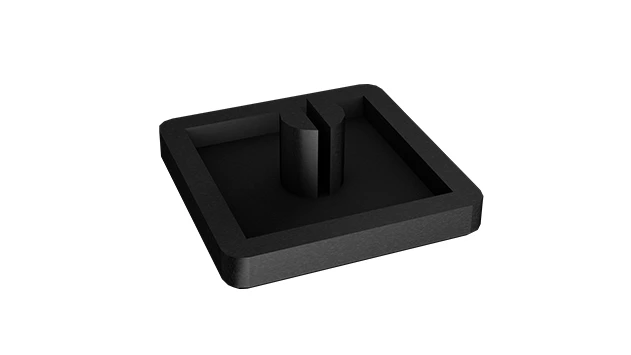
2020 Aluminum Profile End Cap
The aluminum profile end cap adds a finishing touch to your project and closes off profile ends to limit dust and debris buildup, also it can avaid some scratch for material and labor during the assemble work.
Imagine walking into a workshop where every surface is sharp, every edge is exposed, and every aluminum profile stands like a half-finished puzzle—its ends jagged, unprotected, and begging for attention. Now, picture the opposite: a space where those same profiles are smooth, safe, and seamlessly integrated into workbenches, material racks, and conveyor systems. The difference? A small but mighty component: the aluminum profile end cap. While often overlooked, these unassuming accessories are the unsung heroes of any project involving aluminum extrusion profiles. Today, we're diving deep into one specific star of the show: the 2020 aluminum profile end cap. More importantly, we're exploring why custom sizing isn't just a luxury but a necessity for anyone tackling unique projects—whether you're building a DIY workbench in your garage or optimizing a factory's material flow with a custom material rack b (3 row and 3 floor) .
What Are 2020 Aluminum Profile End Caps, Anyway?
Let's start with the basics. Aluminum profiles are the backbone of countless industrial, commercial, and even hobbyist projects. They're lightweight, durable, and infinitely customizable, thanks to their T-slot design that lets you attach everything from shelves to wheels with ease. The "2020" in 2020 aluminum profile refers to its dimensions: 20mm in width and 20mm in height. It's a compact, versatile size—think of it as the "goldilocks" of profiles: not too big for small-scale projects, not too small for supporting weight. You'll find it in everything from small workbenches to intricate machine guards, and yes, even in that workbench e (single deck-without caster) you've been eyeing for your home workshop.
Now, the end cap. If the aluminum profile is the backbone, the end cap is the "band-aid" that keeps it all together—literally. These caps snap or press into the open ends of the profile, serving three critical roles: safety, aesthetics, and functionality. Safety first: raw aluminum ends can be sharp, posing a risk of cuts or scrapes, especially in high-traffic areas like factories or busy workshops. A well-fitted end cap smooths those edges, turning a hazard into a harmless surface. Aesthetics matter too: there's something unprofessional about a project with exposed profile ends—it looks unfinished, like you ran out of time (or supplies). End caps give your work a polished, intentional look, whether it's a customer-facing retail display or a backroom storage rack. Functionally, end caps also protect the inside of the profile from dust, debris, and moisture. Without them, dirt can accumulate in the T-slots, making it harder to attach accessories later, or worse, causing corrosion over time.
Most standard end caps are mass-produced to fit "off-the-shelf" profiles, which works perfectly for run-of-the-mill projects. But what if your project isn't run-of-the-mill? What if you've cut your 2020 profile at a non-standard angle, or modified it to fit a unique space? That's where custom sizing comes in—and it's a game-changer.
Why "One Size Fits All" Falls Short for Unique Projects
Standard end caps are designed for standard profiles—profiles that are cut straight, unmodified, and used in their original form. But unique projects? They rarely play by the rules. Let's walk through a few scenarios where custom sizing isn't just nice to have, but essential.
Scenario 1: The DIY Workbench with Angled Cuts
Meet Alex, a hobbyist woodworker who wants to build a corner workbench using 2020 aluminum profiles for the frame. To maximize space, Alex decides to cut the profiles at 45-degree angles where the bench meets the corner. Standard end caps, which are designed for 90-degree straight ends, won't fit here—the angled cut leaves gaps, exposing the sharp edges and ruining the bench's clean look. A custom end cap, shaped to match that 45-degree angle, would seal the deal (literally), making the bench safe and visually consistent.
Scenario 2: The Factory's Custom Material Rack
Now, consider a manufacturing plant that needs a material rack b (3 row and 3 floor) to store irregularly shaped parts. The standard rack design uses straight 2020 profiles, but the plant's parts are longer than average, so the team extends the rack's depth by 10mm. Suddenly, the standard end caps are too short—they sit recessed inside the profile, leaving the edges exposed and collecting dust. A custom end cap, sized to the extended profile length, would protect the ends, keep debris out, and ensure the rack meets safety standards.
These scenarios highlight a simple truth: unique projects demand unique solutions. Standard end caps work for standard profiles, but when you start modifying lengths, angles, or even the profile's internal structure (e.g., adding extra holes for wiring), you need end caps that adapt. Custom sizing also matters for specialized environments. For example, in cleanrooms or medical facilities, end caps might need to be made from anti-microbial materials and fit so tightly that no particles can sneak inside. In outdoor projects, they might need UV-resistant plastic or aluminum to withstand the elements. Standard caps rarely check all these boxes—custom ones do.

Key Features to Look for in Custom 2020 End Caps
So, you've decided custom sizing is right for your project. Now, what should you look for in a high-quality custom 2020 aluminum profile end cap? Let's break it down into non-negotiables:
1. Material Matters: Durability Meets Project Needs
End caps come in a range of materials, and choosing the right one depends on your project's environment. The most common options are:
- Plastic (PP/Nylon): Lightweight, affordable, and available in colors (great for color-coding projects). Ideal for indoor use, like workbenches or office partitions.
- Aluminum: Heavy-duty and corrosion-resistant, perfect for outdoor use or industrial settings where durability is key.
- Rubber: Offers extra grip and shock absorption—useful for profiles that might bump into other surfaces, like the legs of a mobile workbench.
2. Snug Fit: No Gaps, No Slippage
A custom end cap should fit like a glove. If it's too loose, it'll fall off; too tight, and you'll struggle to install it (or risk damaging the profile). The best custom caps are precision-machined to match your profile's exact dimensions—including any modifications like extended lengths or angled cuts. Look for caps with a slight taper or ribbed interior; these features help them "grip" the profile without requiring adhesives (though adhesives can be added for extra security in high-vibration environments).
3. Compatibility with Aluminum Profile Accessories
Your end cap shouldn't just fit the profile—it should play well with other accessories. For example, if you're using your 2020 profile in a workbench with a T-slot that holds a tool holder, the end cap shouldn't block the slot or interfere with the holder's installation. Custom caps can be designed with cutouts or notches to accommodate these accessories, ensuring your project remains functional and cohesive.
| Feature | Standard End Caps | Custom End Caps |
|---|---|---|
| Fit for modified profiles | Limited (only fits straight, unmodified ends) | Unlimited (angled, extended, or custom-shaped ends) |
| Material options | Basic (plastic, sometimes aluminum) | Wide range (UV-resistant, anti-microbial, heat-resistant, etc.) |
| Compatibility with accessories | Generic (may block T-slots or holes) | Tailored (cutouts/notches for specific accessories) |
| Safety compliance | Meets basic standards | Meets project-specific standards (e.g., medical, food-grade) |

Beyond the Basics: How Custom End Caps Elevate Your Project
At this point, you might be thinking, "Okay, custom end caps fit better—but is that all?" Far from it. Custom sizing opens the door to a host of benefits that go beyond fit and function, turning a good project into a great one.
1. Safety First (and Always)
We can't stress this enough: exposed aluminum profile ends are a hazard. Even a small nick can cause a cut, and over time, sharp edges can wear down gloves or clothing, increasing injury risk. Custom end caps eliminate this danger by covering every exposed edge, regardless of how "non-standard" that edge might be. For example, a workbench in a school shop, used by students, needs to be as safe as possible. Custom caps shaped to fit the bench's unique angles would ensure no sharp edges are within reach.
2. Aesthetics That Impress
Let's be honest: we all care about how our projects look. A custom end cap isn't just functional—it's a design choice. Imagine building a sleek, modern workbench with black aluminum profiles. Standard white plastic end caps would clash, sticking out like a sore thumb. A custom black aluminum end cap, on the other hand, would blend seamlessly, giving the bench a high-end, professional finish. Custom caps can even be branded with logos or colored to match a company's palette, turning a utilitarian project into a marketing tool.
3. Longevity and Low Maintenance
Dust, moisture, and debris are the enemies of aluminum profiles. They clog T-slots, corrode metal, and make accessories harder to install. A well-fitted custom end cap acts as a barrier, keeping these enemies out. Over time, this means less cleaning, fewer repairs, and a longer lifespan for your project. For example, a material rack b (3 row and 3 floor) in a warehouse, exposed to sawdust or oil, would benefit from custom caps that seal the profile ends, preventing buildup and extending the rack's usability by years.
Finding the Right Partner: Why Your Aluminum Profile Supplier Matters
So, you're sold on custom 2020 aluminum profile end caps. Now, where do you get them? The answer lies in choosing the right aluminum profile supplier —one that doesn't just sell profiles but understands the value of aluminum profile accessories and custom solutions. Here's what to look for:
1. In-House Customization Capabilities
Avoid suppliers who outsource customization—this leads to delays, miscommunication, and higher costs. Instead, opt for a supplier with in-house machining and design teams. They can work directly with you to understand your project's needs, create prototypes, and tweak designs until the end cap is perfect. Bonus points if they use 3D printing for rapid prototyping—this lets you test a cap before committing to a full order.
2. Material Expertise
Not all plastics or aluminums are created equal. A good supplier will ask questions: Is the project indoors or outdoors? Will the end caps be exposed to chemicals, heat, or UV light? Do they need to be ESD (electrostatic discharge) safe? Based on your answers, they'll recommend the best material—whether it's a heat-resistant nylon for a factory setting or a UV-stabilized plastic for an outdoor kiosk.
3. A Track Record of Collaboration
The best suppliers don't just take orders—they collaborate. They'll look at your project drawings, suggest improvements (e.g., "A slightly thicker cap would better protect that angled edge"), and even help you source other accessories, like aluminum profile accessories or casters, to complete your project. Think of them as a partner, not just a vendor.
Final Thoughts: Small Parts, Big Impact
The 2020 aluminum profile end cap might be small, but its impact is huge. It's the difference between a project that feels thrown together and one that feels intentional, safe, and built to last. And when your project is unique—whether it's a DIY workbench with angled cuts, a custom material rack b (3 row and 3 floor) , or anything in between—custom sizing is the key to unlocking that impact.
So, the next time you're planning a project with aluminum profile s, don't overlook the end caps. Invest the time to find a aluminum profile supplier who offers custom sizing, and work with them to design caps that fit your project's exact needs. Your hands (and your project's aesthetics) will thank you. After all, great projects aren't just about the big parts—they're about the small details that tie everything together. And in the world of aluminum profiles, few details are as crucial as the humble end cap.