- Company Articles
- Products and Technology
- Product knowledge
- 2020 Aluminum Profile End Caps Enhancing Safety in Auto Parts Manufacturing

2020 Aluminum Profile End Caps Enhancing Safety in Auto Parts Manufacturing
Related Product
2020 Aluminum Profile End Cap
The aluminum profile end cap adds a finishing touch to your project and closes off profile ends to limit dust and debris buildup, also it can avaid some scratch for material and labor during the assemble work.
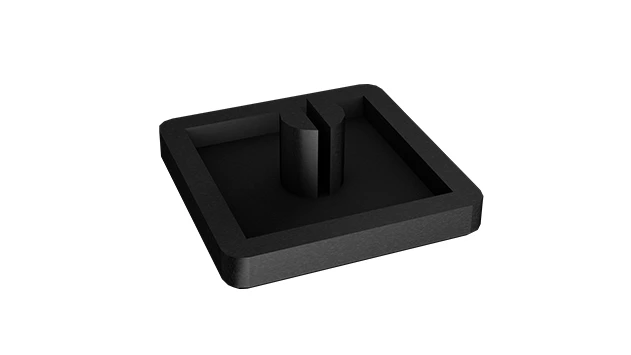
In the fast-paced world of auto parts manufacturing, where precision and efficiency are paramount, there's an unsung hero quietly safeguarding the well-being of workers and the integrity of operations: the 2020 aluminum profile end cap. It's a small component, often overlooked amid the roar of machinery and the complexity of assembly lines, but its role in enhancing safety is nothing short of critical. Today, we're diving into how these unassuming caps, paired with aluminum extrusion profiles and other accessories, are transforming factory floors—one protected edge at a time.
The Stakes of Safety in Auto Parts Manufacturing
Auto parts manufacturing is a high-stakes industry. Every day, workers handle sharp tools, heavy components, and operate machinery that demands focus and precision. According to the Bureau of Labor Statistics, the manufacturing sector sees over 2.8 million non-fatal workplace injuries annually, with a significant portion occurring in automotive plants. Many of these injuries are minor but preventable—scrapes, cuts, or bruises from contact with exposed metal edges, for example. While "minor" might sound trivial, these incidents add up: lost work hours, decreased morale, and a culture of caution that can slow down production.
Consider the workbench—a staple in any auto parts facility. From assembling brake components to inspecting wiring harnesses, workbenches are where much of the hands-on work happens. Most modern workbenches are built using aluminum extrusion profiles—lightweight, durable, and infinitely customizable. These profiles, with their T-slots and modular design, allow factories to adapt workstations to specific tasks, whether it's adding tool holders, shelves, or conveyor attachments. But here's the catch: aluminum extrusion profiles, by design, have open ends. When left exposed, these ends can have sharp edges from the cutting process, creating a hazard for anyone leaning against the bench, reaching across it, or simply brushing past.
"We used to have a recurring issue with workers getting minor cuts on their forearms when reaching over workbenches," says Mike Torres, a safety supervisor at a mid-sized auto parts plant in Michigan. "It wasn't until we started inspecting the workstations closely that we realized the exposed ends of the aluminum profiles were the culprit. A simple fix, but one that made a world of difference."
Aluminum Extrusion Profiles: The Backbone of Modern Workstations
To understand the importance of 2020 aluminum profile end caps, we first need to appreciate why aluminum extrusion profiles have become the backbone of auto parts manufacturing workstations. Unlike traditional steel frames, aluminum profiles are lightweight, making them easy to reconfigure as production needs change. They're also resistant to corrosion, which is crucial in environments where oils, coolants, and cleaning agents are common. Most importantly, their T-slot design allows for quick attachment of accessories—think tool hooks, lighting, or even small conveyors—without the need for welding or drilling. This flexibility is a game-changer in an industry where product lines can shift overnight.
Aluminum extrusion profiles come in various sizes, identified by their cross-sectional dimensions. The "2020" in 2020 aluminum profile refers to a 20mm x 20mm cross-section—compact enough for smaller workstations but sturdy enough to support tools and components. These profiles are used not just in workbenches but also in material racks, turnover trolleys, and even lightweight assembly line structures. Their popularity is a testament to their versatility, but it's their open ends that present the hidden safety risk.
When an aluminum extrusion profile is cut to length—whether for a workbench leg or a shelf bracket—the cutting process can leave burrs or sharp edges. Over time, even a "smooth" cut can become jagged from wear and tear, especially if the profile is moved or adjusted frequently. For workers, this means a constant risk of catching a sleeve, scraping a hand, or worse, getting a cut that could lead to infection if not treated promptly. In high-volume facilities, where workers are focused on meeting quotas, these small hazards can easily be overlooked—until an injury occurs.

Enter the 2020 Aluminum Profile End Cap: A Simple Solution with Big Impact
This is where the 2020 aluminum profile end cap steps in. Designed to fit snugly over the open ends of 20mm x 20mm aluminum extrusion profiles, these caps are engineered to eliminate sharp edges, protect against debris buildup, and even enhance the overall durability of the workstation. Made from materials like high-density plastic or rubber, they're flexible enough to snap into place without tools, yet rigid enough to withstand the daily rigors of a factory environment.
Let's break down their benefits:
1. Edge Protection:
The primary function of end caps is to cover sharp edges. By creating a smooth, rounded surface, they prevent cuts and scrapes. This is especially important for workbenches where workers lean across the edges or place their forearms while using tools. A study by the National Institute for Occupational Safety and Health (NIOSH) found that edge protectors like end caps can reduce minor lacerations by up to 60% in manufacturing settings.
2. Debris Prevention:
Exposed profile ends can collect dust, metal shavings, or small parts—debris that can scratch components or even jam moving parts if it falls into machinery. End caps seal off these open ends, keeping the interior of the profile clean and reducing the need for frequent cleaning.
3. Durability Enhancement:
Aluminum profiles are strong, but their ends can dent or bend if struck by heavy objects. End caps act as a buffer, absorbing impact and protecting the structural integrity of the profile. This extends the lifespan of workstations and reduces replacement costs over time.
4. Aesthetic and Organizational Benefits:
While safety is the top priority, end caps also give workstations a polished, professional look. They come in various colors—often matching the factory's color-coding system for different work zones—and create a cohesive appearance that reflects a well-maintained facility. A tidy workspace, research shows, can boost worker morale and focus.

What Makes 2020 Aluminum Profile End Caps Stand Out?
Not all end caps are created equal. The 2020 aluminum profile end cap, in particular, is designed with the unique needs of compact workstations in mind. Let's compare it to other common end caps to see why it's a favorite among auto parts manufacturers:
| End Cap Type | Profile Size | Material | Key Features | Safety Benefits |
|---|---|---|---|---|
| 2020 Aluminum Profile End Cap | 20mm x 20mm | High-density plastic/rubber | Snug snap-fit design, rounded edges, color options | Eliminates sharp edges in compact spaces; ideal for workbench edges |
| 3030 Aluminum Profile End Cap | 30mm x 30mm | Plastic/metal | Larger surface area, heavier-duty construction | Good for heavy machinery frames; less common in workbenches |
| 4040 Aluminum Profile End Cap | 40mm x 40mm | Reinforced plastic/metal | Industrial-grade, impact-resistant | Best for large shelving units; overkill for most workstations |
The 2020 end cap's advantage lies in its balance of size and functionality. Its 20mm x 20mm fit is perfect for the smaller, more maneuverable workstations common in auto parts assembly, where space is often at a premium. Unlike larger end caps, which can add unnecessary bulk, the 2020 version sits flush with the profile, maintaining the workstation's sleek design while providing maximum protection.
Another key feature is the snap-fit installation. Most 2020 end caps require no screws, adhesives, or tools—simply press them onto the end of the profile, and they lock into place. This makes installation quick and easy, even for workers with minimal training. In a factory where downtime is costly, being able to replace a damaged end cap in seconds is a significant advantage.
Real-World Impact: A Day in the Life with End Caps
To truly grasp the difference 2020 aluminum profile end caps make, let's walk through a typical day at an auto parts plant—before and after their installation.
Before End Caps:
Maria, a veteran assembler, starts her shift at 7 AM. Her workstation is a cluttered aluminum extrusion profile bench, used for sorting and inspecting small plastic clips for door panels. As she reaches across the bench to grab a bin, her forearm brushes against the exposed end of a profile. She winces—a small cut opens up, and she has to pause to clean and bandage it. Later, during a rush to meet a deadline, a new hire, Jake, bumps the corner of the bench with a tool cart; the impact dents the end of the profile, creating an even sharper edge. By the end of the week, the safety log has three entries for minor cuts related to the workstation.
After End Caps:
The plant invests in 2020 aluminum profile end caps, installing them on all workbenches. Maria arrives to find her workstation's edges smooth and rounded. She can reach across without hesitation, and when Jake bumps the cart, the end cap absorbs the impact, leaving the profile unharmed. Over the next month, the safety log for minor cuts drops to zero. "It sounds silly to get excited about something so small," Maria says, "but not worrying about getting cut lets me focus on my work. I feel like the company cares about us, you know?"
This isn't just a hypothetical scenario. A case study by the Automotive Industry Action Group (AIAG) documented a 45% reduction in minor injuries at a midwestern auto parts plant after implementing aluminum profile end caps and other aluminum profile accessories. The plant estimated saving over $15,000 in annual workers' compensation costs and lost productivity—all from an investment of less than $2,000 in end caps.
Beyond Safety: End Caps as Part of a Lean Manufacturing Strategy
While safety is the primary benefit, 2020 aluminum profile end caps also align with lean manufacturing principles—another cornerstone of auto parts production. Lean manufacturing focuses on eliminating waste, optimizing processes, and continuous improvement. How do end caps fit in?
Reduced Downtime:
As Maria's story shows, injuries cause downtime. By preventing cuts and scrapes, end caps keep workers on the line, reducing interruptions to production.
Lower Maintenance Costs:
Exposed profile ends require frequent filing or sanding to smooth sharp edges. End caps eliminate this need, freeing up maintenance staff for more critical tasks.
Improved Ergonomics:
Smooth, rounded edges make workstations more comfortable to use, reducing fatigue and increasing efficiency. When workers don't have to adjust their movements to avoid sharp edges, they can work more naturally and quickly.
In short, end caps aren't just a safety measure—they're a smart business investment. They support lean goals by turning a potential liability (exposed edges) into an asset (safer, more efficient workstations).
Choosing the Right Aluminum Profile Accessories
2020 aluminum profile end caps are most effective when paired with other high-quality aluminum profile accessories. For example, adding corner brackets can reinforce the connection between profiles, reducing the risk of flexing that might loosen end caps over time. Rubber gaskets, another accessory, can be placed between the end cap and profile for a tighter seal, preventing dust and debris from entering.
When selecting end caps, it's also important to consider the material. Plastic end caps are cost-effective and lightweight, making them ideal for most indoor workstations. For environments with exposure to chemicals or extreme temperatures, rubber end caps offer better resistance. Some manufacturers even offer conductive end caps for ESD (electrostatic discharge) workstations, critical for handling sensitive electronic components like sensors or wiring harnesses.
"We prioritize end caps that match the profile's finish and the workstation's function," says Torres. "For ESD workbenches, we use conductive rubber caps to prevent static buildup. For general assembly, standard plastic caps work great. The key is choosing accessories that complement each other—end caps alone can't do the job if the profiles are poorly installed or the workbench is overloaded."
The Future of Workplace Safety: Small Components, Big Change
As auto parts manufacturing continues to evolve—with automation, AI, and advanced robotics becoming more prevalent—the focus on human-centric safety remains unwavering. While robots can handle many dangerous tasks, humans are still at the heart of quality control, problem-solving, and intricate assembly work. This means that the tools and workspaces designed for human workers must prioritize safety above all else.
2020 aluminum profile end caps are a prime example of how innovation in small components can drive meaningful change. They're a reminder that safety doesn't always require expensive, high-tech solutions—sometimes, it's the simple fixes that make the biggest difference. As more plants adopt these caps, we can expect to see further reductions in minor injuries, higher worker satisfaction, and a shift toward a culture where safety is integrated into every aspect of design and operation.
So the next time you walk through an auto parts factory, take a moment to look at the workbenches. If their edges are smooth and rounded, chances are 2020 aluminum profile end caps are hard at work. They may not make headlines, but for the workers who rely on them every day, they're nothing short of essential.
In the end, safety in auto parts manufacturing isn't about grand gestures—it's about the details. It's about the end caps that protect a worker's arm, the rubber gaskets that keep debris out, and the aluminum extrusion profiles that form the backbone of a secure workstation. And in that attention to detail lies the key to a stronger, more efficient, and safer industry.