- Company Articles
- Products and Technology
- Product knowledge
- 2020 Aluminum Profile End Caps: Enhancing Workplace Safety in Factories

2020 Aluminum Profile End Caps: Enhancing Workplace Safety in Factories
Related Product
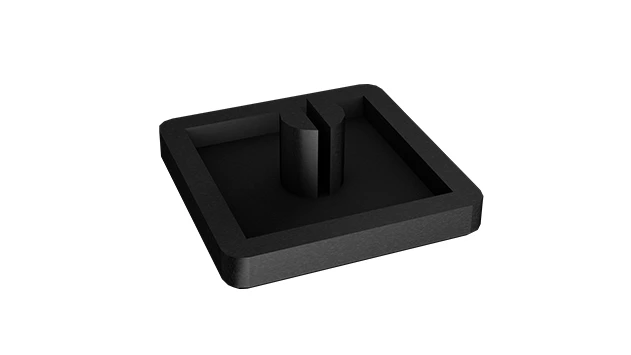
2020 Aluminum Profile End Cap
The aluminum profile end cap adds a finishing touch to your project and closes off profile ends to limit dust and debris buildup, also it can avaid some scratch for material and labor during the assemble work.
Walk through any factory floor, and you'll likely see a maze of aluminum profiles—supporting workbenches, framing material racks, guiding conveyor belts, or structuring assembly lines. These lightweight, durable structures are the backbone of modern manufacturing, but they hide a silent risk: sharp, exposed edges. A single misstep, a hurried reach for a tool, or a box sliding against an unprotected profile can lead to painful lacerations, bruised knuckles, or worse. For factory managers and safety officers, these seemingly small hazards add up to lost productivity, increased workers' compensation claims, and a culture of stress rather than confidence. Enter the unsung hero of factory safety: the 2020 aluminum profile end cap. These unassuming components might look simple, but they play a critical role in turning aluminum profiles from potential dangers into safe, reliable infrastructure. In this article, we'll explore how these small caps make a big difference, why they matter in lean systems and workbench setups, and how choosing the right ones can transform your workplace safety culture.
The Hidden Danger of Exposed Aluminum Profiles
Aluminum extrusion profiles have revolutionized manufacturing. Their modular design, strength-to-weight ratio, and adaptability make them ideal for everything from lightweight workbenches to heavy-duty material racks. But their functionality comes with a trade-off: the precision-cut ends of these profiles are often sharp, with burrs or rough edges left behind by the extrusion or cutting process. In a busy factory, where workers are moving quickly, carrying heavy loads, or operating machinery, these edges become accident waiting to happen.
Consider a typical scenario: An assembly line worker leans across a workbench to grab a component from a nearby aluminum-framed shelf. Their forearm brushes against the exposed end of a 2020 aluminum profile—a common size used for lighter structures—and suddenly, they're bleeding from a deep scratch. The injury isn't life-threatening, but it requires first aid, a trip to the clinic, and lost time on the job. Multiply that by dozens of similar incidents across a factory over a year, and the costs stack up: medical bills, downtime, and a workforce that's constantly on edge, worried about hidden hazards.
It's not just cuts, either. Exposed profile ends can catch on clothing, gloves, or hair, leading to trips or falls. In warehouses, where forklifts and pallet jacks navigate tight spaces, a protruding edge might even damage equipment or inventory. Over time, these "minor" issues erode morale. Workers who feel their safety isn't prioritized are less engaged, more likely to make mistakes, and quicker to leave for employers who take safety seriously. For factories invested in lean systems—where efficiency and continuous improvement are core values—these inefficiencies are the opposite of what lean aims to achieve. Lean manufacturing is about eliminating waste, and waste includes time lost to preventable injuries and the resources spent fixing them.
What Are 2020 Aluminum Profile End Caps?
At their core, 2020 aluminum profile end caps are protective covers designed to fit snugly over the exposed ends of 2020-series aluminum extrusion profiles. The "2020" designation refers to the profile's cross-section dimensions: 20mm by 20mm, a compact size widely used for lightweight structures like workbench frames, small material racks, and machine guards. These end caps are typically made from plastic or aluminum, and they come in various designs to match different profile types—whether the profile has T-slots, smooth edges, or specialized grooves for accessories.
But they're more than just "caps." A well-designed end cap doesn't just cover the edge; it forms a seamless barrier that eliminates sharpness, reduces friction, and even adds stability to the profile. Think of them as the final piece of the puzzle in aluminum profile assembly—turning a functional but incomplete structure into one that's safe, polished, and ready for daily use. They're easy to install, often requiring no tools beyond a firm push or a gentle tap with a rubber mallet, and they're affordable enough to be a low-cost investment in safety.

Design Matters: Why 2020 End Caps Are More Than Just "Covers"
Not all end caps are created equal. A cheap, ill-fitting cap might fall off after a few weeks, leaving the profile exposed again. A well-designed 2020 aluminum profile end cap, though, is engineered with both safety and durability in mind. Let's break down the key features that set quality end caps apart:
Snug, Secure Fit
The best end caps are precision-molded or machined to match the exact dimensions of 2020 profiles. They feature internal ribs or clips that grip the profile's inner walls, ensuring a tight fit that won't loosen over time—even in high-vibration environments like near conveyor belts or heavy machinery. Some designs include a slight taper, making installation easy but preventing accidental removal. For example, plastic end caps might use flexible tabs that bend during installation and then snap into place, while aluminum end caps might have a friction fit enhanced by a rubber O-ring for extra grip.
Smooth, Rounded Edges
The whole point of an end cap is to eliminate sharp edges, so the cap itself must be smooth. Quality end caps have rounded outer edges and no internal burrs, ensuring that even if a worker does bump into them, there's no risk of injury. Some caps even have a slightly domed or convex shape, which redirects force away from the profile—useful in areas where impacts are common, like at the corners of workbenches.
Material Compatibility
End caps are made from materials that complement the profiles they protect. Plastic caps, often made from polypropylene or nylon, are lightweight, corrosion-resistant, and affordable—great for dry, indoor environments like assembly lines. Aluminum end caps, on the other hand, are better for heavy-duty use: they're heat-resistant (important near welding stations or ovens), chemical-resistant (useful in factories with oils or solvents), and more durable in high-traffic areas. For factories using stainless steel pipe series alongside aluminum profiles, some manufacturers even offer stainless steel end caps for a consistent, long-lasting finish.
Compatibility with Accessories
In lean systems, aluminum profiles rarely stand alone—they're part of larger setups with brackets, connectors, and panels. A good end cap won't interfere with these accessories. For example, if a 2020 profile is part of a workbench with a plywood top, the end cap should sit flush with the profile's surface, so the top can mount evenly without gaps. Some end caps even have pre-drilled holes or slots, allowing them to double as mounting points for small accessories like cable clips or label holders—adding functionality without sacrificing safety.

Comparing End Cap Options: Which One Fits Your Factory?
Choosing the right 2020 aluminum profile end cap depends on your factory's unique needs: the environment, the type of work being done, and the profiles' role in your setup. To help you decide, let's compare the most common options—plastic and aluminum end caps—in terms of durability, cost, and application.
| Feature | Plastic 2020 End Caps | Aluminum 2020 End Caps |
|---|---|---|
| Durability | Moderate; ideal for low-to-medium traffic areas. Prone to cracking in extreme cold or warping in high heat. | High; withstands heavy impacts, temperature extremes, and chemical exposure. Resists wear even in busy zones like loading docks. |
| Cost | Budget-friendly; typically 30-50% cheaper than aluminum caps. Great for large-scale installations where cost is a priority. | More expensive upfront, but longer lifespan reduces replacement costs over time. Better for critical safety areas. |
| Weight | Lightweight (10-15g per cap), adding minimal load to profiles. Useful for overhead structures or mobile carts. | Slightly heavier (25-30g per cap), but still lightweight enough for most applications. Adds stability to bottom-heavy setups. |
| Best For | Indoor workbenches, light-duty shelving, office partitions, and temporary structures in climate-controlled environments. | Warehouses, outdoor storage areas, manufacturing lines with heat or chemicals, and high-traffic zones like assembly stations. |
There's also a third option: rubber end caps. These are soft, flexible, and excellent for areas where noise reduction is key—like conveyor systems where products slide onto profiles, or workbenches where tools are frequently set down. Rubber caps absorb impact, reducing both noise and the risk of damage to equipment or products. However, they're less durable than plastic or aluminum and may degrade in oily or acidic environments.
2020 End Caps in Action: Real-World Applications
To understand how 2020 aluminum profile end caps make a difference, let's look at three common factory setups where they shine: lean workbenches, material racks, and conveyor systems. In each case, end caps transform a potential hazard into a safe, efficient part of the workflow.
1. Lean Workbenches: Where Precision Meets Safety
Workbenches are the heart of assembly lines, where workers spend hours each day performing detailed tasks. A typical lean workbench might use 2020 aluminum profiles for its frame—light enough to reposition but sturdy enough to support tools, parts, and equipment. Without end caps, the bench's corners and edges are a minefield of sharp ends. Add plastic or aluminum caps, though, and suddenly the bench feels intentional, not haphazard.
Take, for example, a electronics assembly workbench. Workers here handle small, delicate components, requiring focus and steady hands. A single scratch from an exposed profile could jolt them, leading to a dropped part or a soldering mistake. With 2020 end caps, the bench becomes a safe space. The caps also prevent small parts from slipping into the profile's T-slots—a common frustration that wastes time spent fishing for lost screws or washers. For workbenches without casters (like the "Workbench E (single deck-without caster)" often used in fixed assembly lines), end caps add stability by covering any unevenness in the profile cuts, ensuring the bench sits level and wobble-free.
2. Material Racks: Protecting Workers and Inventory
Material racks—like the "Material Rack B (3 row and 3 floor)" used to store parts in factories—are another area where 2020 profiles shine. These racks are often loaded and unloaded multiple times a day, with workers reaching, bending, and lifting heavy boxes. Exposed profile ends on the rack's uprights or crossbars are a constant risk. A plastic end cap here might seem like a small addition, but it means the difference between a smooth, safe reach and a painful scrape.
In warehouses, where racks are often moved or reconfigured to adapt to changing inventory, aluminum end caps are a smarter choice. They stand up to the bumps and knocks that come with frequent rearrangement, and their corrosion resistance ensures they won't rust in humid environments. For racks holding metal parts or sharp tools, aluminum caps also prevent the ends from chipping or deforming over time—keeping the rack structurally sound and safe for years.
3. Conveyor Systems: Smoothing the Flow of Production
Conveyors are the arteries of a factory, moving products from one station to the next. Many conveyor frames use 2020 or larger aluminum profiles to support roller tracks and guides. Here, end caps do double duty: they protect workers from sharp edges near the conveyor and prevent products from catching on exposed ends as they move. For example, plastic roller track guide rails (yellow or grey) are often paired with 2020 profiles to guide items along the conveyor. An end cap on the profile where the rail meets the frame ensures there's no gap for a product to get stuck in—avoiding jams that halt production.
In high-speed conveyors, where products move quickly, even a small protrusion can cause a domino effect: one box catches, others pile up, and suddenly the line is backed up. Aluminum end caps, with their tight fit and smooth finish, eliminate that risk. They also reduce noise—an added bonus in factories where constant conveyor hum can lead to worker fatigue.
Installing 2020 End Caps: A Step-by-Step Guide
Installing 2020 aluminum profile end caps is a simple process that requires no special tools and can be done by any worker with basic training. Here's how to do it right, ensuring a secure fit that lasts:
- Prepare the profile end: Before installing the cap, inspect the profile's end for burrs, rust, or debris. Use a file or sandpaper to smooth any rough edges—even with an end cap, a sharp burr under the cap can still cause problems over time. Wipe the end with a clean cloth to remove dust or oil, which can prevent the cap from gripping properly.
- Choose the right cap size: Not all "2020" profiles are identical—some have thicker walls or unique slot designs. Check the cap's specifications to ensure it matches your profile's dimensions. Most manufacturers label caps with the profile size they fit (e.g., "2020 Plastic End Cap for T-Slot Profiles").
- Align and press: Hold the cap at a 90-degree angle to the profile end, ensuring the internal tabs or clips line up with the profile's slots or walls. Apply firm, even pressure with your palm until you hear a "click"—this means the cap has snapped into place. For tighter fits, tap the cap gently with a rubber mallet (never a metal hammer, which can damage the cap or profile).
- Test for security: After installation, tug gently on the cap to ensure it doesn't come loose. If it wiggles or falls off, check for debris in the profile or a misaligned cap. For aluminum caps, you may need to apply a small amount of thread locker (like Loctite) to the inside if the fit is too loose—just be sure to clean excess locker to avoid damaging the profile's finish.
- Inspect regularly: Add end cap checks to your routine maintenance schedule. Over time, caps can loosen due to vibration or impact. A quick visual inspection during shift changes or weekly safety walks can catch loose caps before they become a hazard.
The Ripple Effect: How End Caps Strengthen Lean Systems
For factories committed to lean systems, 2020 aluminum profile end caps are more than a safety upgrade—they're a lean tool. Lean manufacturing is about eliminating waste in all forms: time, resources, and inefficiency. Preventable injuries are a major source of waste, and end caps directly address that by reducing downtime, medical costs, and rework caused by accidents.
But the benefits go deeper. A safer workplace is a more engaged workplace. Workers who trust that their employer prioritizes their well-being are more likely to embrace lean principles like continuous improvement. They'll suggest ways to optimize workflows, spot inefficiencies, and take pride in their work—all of which drive productivity. End caps also align with the lean focus on "5S" (Sort, Set in Order, Shine, Standardize, Sustain). By standardizing the use of end caps, you're "setting in order" your workspace, creating a clean, organized environment that reduces distractions and errors.
Consider a factory that recently switched to lean manufacturing. They've reorganized their assembly line, implemented visual management tools, and trained workers in waste reduction. But they overlooked the small hazards, like exposed profile ends. Six months in, they're still dealing with frequent minor injuries, and morale is low. Adding 2020 end caps might seem like a "small" fix, but it sends a message: "We care about the details, and we care about you." That message transforms the lean initiative from a top-down mandate into a culture where everyone feels invested.
Conclusion: Small Caps, Big Impact
In the grand scheme of factory operations, 2020 aluminum profile end caps are easy to overlook. They're small, inexpensive, and don't make for flashy safety presentations. But as we've explored, their impact is anything but small. They turn sharp hazards into smooth surfaces, anxious workers into confident ones, and inefficient workspaces into lean, productive environments.
Whether you're outfitting a new lean system, upgrading workbenches, or simply looking to reduce injuries, investing in quality end caps is a decision that pays off in every metric that matters: lower costs, higher morale, and a factory that runs like it should—safely, smoothly, and without waste. So the next time you walk your factory floor, take a moment to look at those aluminum profiles. Are their ends exposed, or are they capped? The answer might just be the difference between a good factory and a great one.
After all, safety isn't about grand gestures—it's about the small, consistent choices that show you value the people who make your operation run. And in that sense, 2020 aluminum profile end caps are one of the smartest choices you can make.