- Company Articles
- Products and Technology
- Product knowledge
- 2020 Aluminum Profile End Caps: Essential for Material Rack B Longevity

2020 Aluminum Profile End Caps: Essential for Material Rack B Longevity
Related Product
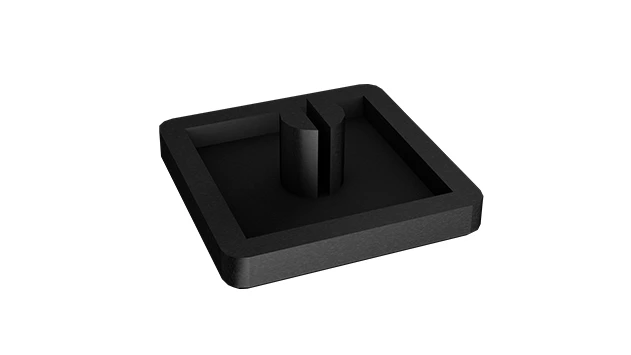
2020 Aluminum Profile End Cap
The aluminum profile end cap adds a finishing touch to your project and closes off profile ends to limit dust and debris buildup, also it can avaid some scratch for material and labor during the assemble work.
Introduction: The Backbone of Lean Systems – Where Every Component Counts
Walk into any well-run manufacturing facility or warehouse, and you'll notice a common theme: efficiency. From the way products move along conveyor belts to how tools are organized on workbenches, every detail is designed to minimize waste and maximize productivity. This is the heart of a lean system – a philosophy that turns even the smallest components into unsung heroes of operational success. Today, we're shining a spotlight on one such hero: the 2020 aluminum profile end cap. It might seem like a piece of plastic or nylon, but when it comes to keeping your Material Rack B (3 row and 3 floor) in top shape for years, this tiny accessory punches far above its weight.
Think about it: Material Rack B is the workhorse of your production line. It holds raw materials, semi-finished goods, and tools, keeping them within arm's reach of operators. Over time, it endures constant use – items being loaded and unloaded, bumps from forklifts or turnover trolleys, and exposure to dust, moisture, and even occasional spills. Without proper protection, its structural integrity can degrade, leading to wobbly shelves, stuck rollers, or worse, safety hazards. That's where the 2020 aluminum profile end cap steps in. It's not just a "cap" – it's a shield, a guardian, and a quiet enabler of longevity.
Understanding Material Rack B (3 row and 3 floor): The Workhorse of Your Production Line
Before diving into end caps, let's get to know the star of the show: Material Rack B (3 row and 3 floor) . If you've ever worked in a facility that relies on organized storage, you've probably seen this rack in action. With three rows and three floors, it's designed to maximize vertical space while keeping items easily accessible. Whether you're storing small components like swivel roller balls 1 inch or bulkier materials, Material Rack B balances capacity with convenience – a key trait in lean systems.
What makes Material Rack B so popular? For starters, its modular design. Built from aluminum extrusion profiles , it can be customized with accessories like roller tracks, dividers, or hooks to fit specific needs. Its load capacity is impressive too – depending on the thickness of the aluminum profiles, it can safely hold hundreds of pounds per shelf. But here's the catch: that durability hinges on the integrity of its aluminum frame. And the frame's weakest points? The exposed ends of its aluminum profiles.

The Backbone of Material Rack B: Why Aluminum Extrusion Profiles Matter
Aluminum extrusion profiles are the building blocks of Material Rack B, and for good reason. Unlike steel, aluminum is lightweight yet surprisingly strong – perfect for racks that need to be sturdy but not cumbersome. It's also resistant to corrosion, which is a big plus in environments where moisture or chemicals are present. But what really sets aluminum extrusion profiles apart is their T-slot design. These slots run along the length of the profile, allowing you to attach accessories like shelves, brackets, or roller track placon mount for aluminum profile flat with ease. No drilling, no welding – just slide a bolt into the slot and tighten. It's this flexibility that makes aluminum profiles the go-to choice for lean systems.
But here's the thing about aluminum extrusion profiles: their ends are sharp. When the profile is cut to length during manufacturing, the raw edge can be jagged, with burrs that catch on gloves, clothing, or even skin. Over time, these edges can also collect dust, dirt, and moisture, which seep into the T-slots and cause internal corrosion. Imagine trying to slide a connector into a T-slot clogged with grime – suddenly, that "easy customization" becomes a frustrating chore. And if moisture gets trapped inside? The profile's structural integrity weakens from the inside out, turning a solid rack into a wobbly liability.

Aluminum Profile Accessories: Small Parts, Big Impact
If aluminum extrusion profiles are the bones of Material Rack B, then aluminum profile accessories are the muscles, tendons, and ligaments that hold everything together. From connectors that join profiles at 90-degree angles to brackets that support shelves, these accessories transform a pile of metal into a functional rack. And at the top of this list of essential accessories? End caps.
End caps are designed to fit snugly over the exposed ends of aluminum profiles, and they do more than just cover up sharp edges. Think of them as the profile's first line of defense. A good end cap seals the T-slot, keeping out dust and moisture. It cushions impacts, absorbing the force when a trolley bumps into the rack or a heavy item is dropped nearby. It also adds a finished look, turning a utilitarian structure into something that looks professional and well-maintained. For Material Rack B, which is often in high-traffic areas, these benefits aren't just "nice to have" – they're critical for longevity.
Meet the 2020 Aluminum Profile End Cap: Your Rack's Best Friend
Not all end caps are created equal. Aluminum profiles come in different sizes – 2020, 3030, 4040, and so on – each named for their width and height in millimeters (e.g., 20mm x 20mm for 2020 profiles). Material Rack B, with its 3-row, 3-floor design, typically uses 2020 aluminum extrusion profiles for its vertical supports and crossbars. That's why the 2020 aluminum profile end cap is non-negotiable here. It's engineered to fit the 2020 profile like a glove, with a diameter and shape that seals the end completely.
Most 2020 end caps are made from durable materials like nylon or polypropylene (PP). These plastics are tough enough to withstand impacts, resistant to chemicals, and flexible enough to snap onto the profile without cracking. Some even have a slight taper, so once you push them on, they stay on – no need for glue or screws. This snug fit is key: it prevents the end cap from falling off during use, ensuring continuous protection.
The Cost of Cutting Corners: What Happens Without 2020 End Caps
Let's say you skip installing 2020 end caps on your Material Rack B. What's the worst that could happen? At first, maybe nothing. The rack looks fine, and it holds your materials just like before. But over time, the consequences start to add up – and they're costlier than you might think.
Safety Risks: Sharp, exposed profile ends are a hazard. An operator reaching for a tool could graze their arm, leading to cuts or even infections. In a busy facility, these injuries mean downtime, workers' compensation claims, and a hit to team morale. No lean system can afford that.
Clogged T-Slots: Dust, dirt, and debris love to settle in open T-slots. Over weeks and months, this gunk builds up, making it impossible to attach new accessories. Need to add a shelf? Good luck sliding a bolt into a slot packed with sawdust. You'll end up spending hours cleaning the slot – time that could have been spent on actual production.
Corrosion: Moisture is aluminum's silent enemy. Even in dry warehouses, humidity can condense on exposed profile ends, seeping into the T-slots and causing internal rust (yes, aluminum can corrode too, especially if it's not anodized). Over time, this corrosion weakens the profile, making it prone to bending or snapping under load. Suddenly, your "durable" Material Rack B is wobbly, and replacing a bent profile costs far more than a pack of end caps.
Damaged Accessories: Ever tried to roll a swivel roller ball 1 inch along a track that's connected to a profile with a jagged end? The ball can get caught, scratching the track or even damaging the item it's carrying. That means replacing rollers, fixing tracks, and dealing with product defects – all avoidable with a simple end cap.
Why 2020 Aluminum Profile End Caps Are Worth Every Penny
Now that we've covered the risks of skipping end caps, let's talk about the benefits of using them. The 2020 aluminum profile end cap might cost just a few cents per unit, but its return on investment is massive. Here's how:
Impact Absorption: Nylon and PP end caps act like mini shock absorbers. When a trolley bumps into the rack or a heavy box is set down too hard, the end cap cushions the blow, preventing dents or scratches on the aluminum profile. This keeps the rack looking new and functioning smoothly.
Dust and Moisture Protection: By sealing the profile's end, end caps keep dust, dirt, and moisture out of the T-slots. This means your slots stay clean and functional, so you can add or remove accessories in seconds – not hours. It also stops internal corrosion, extending the profile's lifespan by years.
Safety First: Smooth, covered ends eliminate the risk of cuts and scrapes. Your team can work confidently, knowing the rack won't harm them. This reduces downtime from injuries and keeps morale high – two pillars of a strong lean system.
Aesthetic Appeal: Let's not underestimate the power of a clean, professional look. A rack with end caps looks finished and well-maintained, which sends a message to clients, auditors, and team members that you care about quality. First impressions matter, even in a warehouse.
Comparing End Caps: Why 2020 Stands Out for Material Rack B
Not all end caps are the same. Aluminum profiles come in different sizes, and so do their end caps. Let's take a closer look at how the 2020 aluminum profile end cap stacks up against others, and why it's the best fit for Material Rack B.
| End Cap Type | Profile Compatibility | Material | Key Features | Best For |
|---|---|---|---|---|
| 2020 Aluminum Profile End Cap | 2020 aluminum extrusion profiles | Nylon/PP | Snug fit, dust-resistant, impact absorption, lightweight | Light to medium-duty racks like Material Rack B (3 row and 3 floor) |
| 3030 Aluminum Profile End Cap | 3030 aluminum extrusion profiles | Nylon/PP | Larger diameter, higher load protection, thicker walls | Heavy-duty storage racks with 30mm x 30mm profiles |
| 4040 Aluminum Profile End Cap | 4040 aluminum extrusion profiles | ABS | Heat-resistant, chemical-resistant, reinforced design | Industrial environments with high temperatures or corrosive substances |
As the table shows, the 2020 end cap is tailored for the 2020 aluminum extrusion profiles that make up Material Rack B. Its lightweight design won't add unnecessary bulk, and its snug fit ensures maximum protection without interfering with the rack's structure. For a rack that's used daily but doesn't need to support extreme weights, the 2020 end cap is the perfect balance of protection and practicality.
Installing 2020 Aluminum Profile End Caps: A Quick, Foolproof Guide
Installing 2020 end caps is so easy, you don't need any special tools or training. Here's how to do it in three simple steps:
Step 1: Clean the Profile End – Wipe the end of the aluminum profile with a dry cloth to remove dust, dirt, or oil. This ensures the end cap adheres properly.
Step 2: Align the End Cap – Hold the end cap with the open side facing the profile. Make sure it's straight – the end cap should fit flush against the profile's end.
Step 3: Press Firmly – Push the end cap onto the profile until you hear a "click." This sound means the cap has locked into place. Give it a gentle tug to make sure it doesn't come off – if it does, repeat step 3 with a bit more pressure.
That's it! Each end cap takes about 10 seconds to install, so even a large Material Rack B with dozens of profile ends can be fully protected in under an hour. It's a small investment of time for years of peace of mind.
Maintaining Your End Caps: Keeping Material Rack B Strong for the Long Haul
Installing end caps is just the first step. To keep Material Rack B in top shape, you'll need to check on the end caps periodically. Here's a quick maintenance routine:
Monthly Inspections: Walk around the rack and check each end cap. Look for cracks, chips, or signs of wear. If an end cap is damaged, replace it immediately – a cracked cap won't protect the profile.
Cleaning: Wipe the end caps with a damp cloth during your regular warehouse cleaning. This removes dust and grime, keeping them looking new and ensuring they don't become brittle over time.
replace When Needed: End caps are durable, but they're not indestructible. If a cap falls off (maybe due to a hard impact), don't wait to replace it. Keep a few spares in your toolbox so you can swap them out on the spot.
Case Study: How One Warehouse Extended Material Rack B's Lifespan by 5+ Years
Let's wrap up with a real-world example (names changed for privacy). A mid-sized electronics manufacturer in Ohio was struggling with Material Rack B failures. Their racks, which held circuit boards and small components, were only lasting 2-3 years before becoming wobbly or developing stuck rollers. The maintenance team blamed "heavy use," but after an audit, they noticed something: none of the racks had end caps. The aluminum profiles' ends were corroded, and the T-slots were clogged with dust, making it impossible to adjust shelves.
The solution? They ordered 2020 aluminum profile end caps for all their Material Rack B units and installed them in a single afternoon. Five years later, those racks are still going strong. The maintenance team reports fewer issues with stuck rollers, no more corrosion in the profiles, and zero injuries from sharp edges. "It's amazing how a 50-cent part saved us thousands in replacement costs," said the facility manager. "We'll never skip end caps again."
Conclusion: Small Part, Big Difference – Invest in Your Lean System's Future
In the world of lean systems, success lies in the details. The 2020 aluminum profile end cap might be small, but its impact on your Material Rack B (3 row and 3 floor) 's longevity is huge. It protects against corrosion, prevents injuries, keeps T-slots functional, and ensures your rack stays strong for years – all for just a few cents per unit.
So, the next time you're setting up a new Material Rack B or maintaining an existing one, don't overlook the end caps. They're not just accessories – they're an investment in your facility's efficiency, safety, and bottom line. After all, in a lean system, every component counts – even the tiny ones.