- Company Articles
- Products and Technology
- Product knowledge
- 2020 Aluminum Profile End Caps for Cleanroom Environments: Medical Applications

2020 Aluminum Profile End Caps for Cleanroom Environments: Medical Applications
Related Product
2020 Aluminum Profile End Cap
The aluminum profile end cap adds a finishing touch to your project and closes off profile ends to limit dust and debris buildup, also it can avaid some scratch for material and labor during the assemble work.
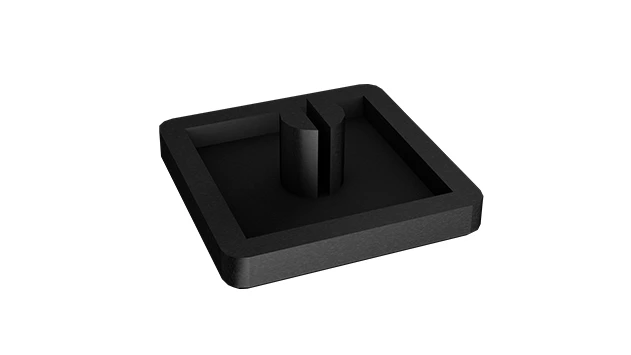
In the high-stakes world of medical manufacturing, where precision can mean the difference between a life-saving device and a catastrophic failure, every detail matters. Walk into a Class 7 cleanroom, and you'll find a symphony of controlled chaos: technicians in head-to-toe sterile gowns, robotic arms assembling catheter components, and rows of gleaming workbenches where surgical tools take shape. What you might not notice at first glance is the infrastructure holding it all together—aluminum extrusion profiles, the unsung heroes of cleanroom design. And on the ends of those profiles, tiny but critical components: 2020 aluminum profile end caps. These small accessories are far more than afterthoughts; they're guardians of sterility, safety, and compliance. Let's dive into why these unassuming parts play such a vital role in medical cleanrooms.
The Critical Role of Cleanroom Environments in Medical Manufacturing
Cleanrooms are the backbone of medical device and pharmaceutical production, designed to minimize airborne particles, microbes, and contaminants that could compromise product integrity. Regulated by standards like ISO 14644, which classifies cleanrooms based on particle count (a Class 7 cleanroom allows no more than 352,000 particles of 0.5μm or larger per cubic meter), these environments leave no room for error. A single speck of dust or bacteria on a pacemaker component, for example, could lead to infection or device malfunction in a patient. That's why every surface, every piece of equipment, and every material used in cleanrooms is meticulously chosen to meet strict cleanliness and durability standards.
In this context, the infrastructure of the cleanroom—racks, workbenches, material handling systems, and partitions—isn't just about organization. It's about creating a space where contamination risks are minimized at every turn. Traditional materials like wood or steel fall short here: wood is porous and harbors bacteria, while steel can corrode and shed particles over time. Enter aluminum extrusion profiles, which have become the gold standard for cleanroom construction. Their smooth, non-porous surfaces resist bacterial growth, their corrosion resistance stands up to frequent sanitization, and their modular design allows for easy customization to fit evolving production needs. But even the best aluminum profiles need protection at their most vulnerable points: their open ends. That's where 2020 aluminum profile end caps come in.
Aluminum Extrusion Profiles: The Backbone of Cleanroom Design
Aluminum extrusion profiles are created by forcing heated aluminum through a die to create uniform, custom cross-sections. This process results in lightweight yet strong structures with consistent dimensions—ideal for building everything from workbenches and shelving to conveyor systems and machine guards in cleanrooms. What makes aluminum extrusion profiles so well-suited for medical environments? For starters, aluminum is naturally resistant to corrosion, a must in spaces where daily cleaning with harsh disinfectants (like hydrogen peroxide or isopropyl alcohol) is routine. Unlike steel, it doesn't rust, and its smooth surface doesn't trap moisture, reducing the risk of mold or bacterial growth.
Another key advantage is customization. Aluminum extrusion profiles come in a range of sizes and shapes, with the 2020 profile being a popular choice for smaller, precision-focused applications. The "2020" refers to the profile's cross-section dimensions (20mm x 20mm), making it compact enough for tight spaces while still offering sufficient strength for lightweight loads—perfect for holding tools, small parts bins, or testing equipment on cleanroom workbenches. But aluminum profiles rarely work alone; they rely on aluminum profile accessories to enhance functionality. From brackets and connectors that join profiles into complex structures to hinges and locks that add mobility and security, these accessories turn basic profiles into fully integrated systems. And among these accessories, end caps are perhaps the most underrated.

2020 Aluminum Profile End Caps: Small Components, Big Impact
At first glance, a 2020 aluminum profile end cap might seem like little more than a plastic plug. But in a cleanroom, its role is multi-faceted and critical. Let's break down why these small components matter:
Sealing Against Contamination
Aluminum extrusion profiles are hollow, with open ends that, if left uncovered, become magnets for dust, debris, and moisture. In a cleanroom, where even a single particle can ruin a batch of medication or a medical device, these open ends are a contamination risk. 2020 aluminum profile end caps seal off these cavities, preventing particles from settling inside and being dislodged during cleaning or equipment operation. Imagine a workbench used to assemble insulin pumps: if the end of its aluminum frame is open, dust could accumulate there, only to be blown into the air when a technician wipes the surface. With an end cap in place, that risk is eliminated.
Enhancing Safety
Uncapped aluminum profiles have sharp, unfinished edges—hazards in a fast-paced environment where technicians are constantly moving tools and materials. A slip or bump against an exposed profile end could lead to cuts, which not only injure workers but also introduce bloodborne pathogens into the sterile environment. 2020 aluminum profile end caps soften these edges, creating a smooth, rounded finish that reduces the risk of injury. In facilities where safety is non-negotiable, this simple addition can significantly lower accident rates.
Simplifying Cleaning and Maintenance
Cleanroom sanitization is a rigorous process, often involving high-pressure hosing, chemical wipes, or UV light treatment. Uncapped profiles trap water, cleaning solutions, and debris, making it impossible to fully disinfect the surface. End caps create a seamless, closed surface that can be wiped down quickly and thoroughly, ensuring compliance with cleaning protocols. For busy medical manufacturers, this translates to less downtime and more consistent adherence to regulatory standards like FDA's Current Good Manufacturing Practices (cGMP).
Maintaining Aesthetic and Functional Consistency
Beyond functionality, end caps contribute to the clean, professional appearance of cleanroom infrastructure. Exposed profile ends can make even the most well-designed workbench look unfinished, which matters in environments where clients, auditors, or regulatory inspectors may visit. A uniform set of 2020 aluminum profile end caps gives the space a polished look, reflecting the precision and attention to detail that defines medical manufacturing. Additionally, end caps can be color-coded to match cleanroom zones (e.g., yellow for "sterile" areas, blue for "non-sterile"), adding an extra layer of organization and safety.

Key Features of High-Quality 2020 Aluminum Profile End Caps
Not all end caps are created equal. In medical cleanrooms, where performance and compliance are non-negotiable, end caps must meet specific criteria. Here are the features to look for when selecting 2020 aluminum profile end caps for medical applications:
| Feature | Importance in Medical Cleanrooms | Example Materials |
|---|---|---|
| Chemical Resistance | Must withstand frequent exposure to disinfectants (e.g., ethanol, hydrogen peroxide) without degrading or leaching chemicals. | Polypropylene (PP), Polyvinyl Chloride (PVC), Silicone |
| Non-Porous Surface | Prevents bacterial growth and makes cleaning easier; no cracks or crevices for contaminants to hide. | High-Density Polyethylene (HDPE), Polytetrafluoroethylene (PTFE) |
| Precision Fit | Snug, gap-free installation to prevent particle ingress; designed specifically for 20mm x 20mm profiles. | Molded plastic (custom-fit to profile dimensions) |
| Temperature Stability | Resistant to temperature fluctuations from sterilization processes (e.g., autoclaving, dry heat). | Silicone (up to 200°C), PTFE (up to 260°C) |
| FDA/USP Compliance | Meets regulatory standards for materials in contact with medical devices or pharmaceuticals (e.g., FDA 21 CFR Part 177). | Medical-grade PP, Silicone (USP Class VI certified) |
For example, a medical device manufacturer producing implantable sensors might opt for silicone end caps for their workbenches. Silicone's flexibility ensures a tight seal, its temperature resistance stands up to autoclaving, and its USP Class VI certification guarantees it won't release harmful substances into the environment. On the other hand, a pharmaceutical lab using corrosive cleaning agents might choose PTFE end caps for their chemical inertness. The key is matching the end cap material to the specific conditions of the cleanroom.
Installation and Maintenance: Ensuring End Caps Perform as Intended
Even the best end caps fail if installed incorrectly. In cleanrooms, where precision is everything, proper installation is critical. Here's a step-by-step guide to installing 2020 aluminum profile end caps:
- Prepare the Profile End: Ensure the end of the aluminum extrusion profile is clean and free of burrs. Use a deburring tool to smooth any sharp edges, which could damage the end cap or create gaps.
- select the Right End Cap: Verify that the end cap is designed for 20mm x 20mm profiles. Mismatched sizes will lead to loose fits and contamination risks.
- Press-Fit Installation: Most end caps are designed for press-fit installation—simply align the cap with the profile end and apply even pressure until it snaps into place. Avoid using tools that could scratch the profile or damage the cap.
- Inspect for Gaps: After installation, visually inspect the seal. There should be no visible gaps between the end cap and the profile. Run a gloved finger along the edge to check for looseness.
- Document Installation: In regulated environments, keep records of end cap installation and replacement dates to demonstrate compliance during audits.
Maintenance is equally important. Over time, end caps can wear down from repeated cleaning or exposure to chemicals. Establish a regular inspection schedule—monthly checks are standard in most medical cleanrooms—to look for signs of damage: cracks, discoloration, or looseness. replace any compromised end caps immediately to prevent contamination risks. For high-wear areas, like workbenches used for heavy tool storage, consider upgrading to more durable materials (e.g., switching from PP to PTFE) to extend lifespan.
Real-World Applications: How 2020 End Caps Support Medical Innovation
To understand the impact of 2020 aluminum profile end caps, let's look at two real-world scenarios where they make a tangible difference:
Case Study 1: Surgical Instrument Manufacturing
A leading manufacturer of laparoscopic tools operates a Class 8 cleanroom where stainless steel components are assembled into precision graspers and scissors. Their workbenches, built from 2020 aluminum extrusion profiles, are subject to daily sanitization with 70% isopropyl alcohol. Initially, the benches used uncapped profiles, and during routine particle testing, technicians noticed elevated particle counts near the bench edges. Upon investigation, they discovered dust and alcohol residue trapped inside the open profile ends, which were being dislodged during cleaning. After installing 2020 PP end caps, particle counts dropped by 40%, and the facility passed its next FDA inspection with zero observations related to contamination control.
Case Study 2: Pharmaceutical Packaging Lines
A pharmaceutical company produces oral solid dosages (tablets and capsules) in a cleanroom where aluminum profile racks hold blister packaging materials. The racks are cleaned weekly with a hydrogen peroxide vapor system, which requires all components to withstand high humidity and chemical exposure. The company initially used generic plastic end caps, which began to crack and warp after several months of treatment. Switching to silicone 2020 aluminum profile end caps solved the issue: the silicone's flexibility and chemical resistance allowed it to withstand the vapor treatments, and the racks maintained their structural integrity for over two years without replacement.
Challenges and Future Trends in Cleanroom End Cap Design
While 2020 aluminum profile end caps are effective, manufacturers face ongoing challenges. One key issue is balancing performance with cost: medical-grade materials like PTFE or silicone are more expensive than standard plastics, which can strain budgets for small to mid-sized companies. Another challenge is adapting to evolving cleanroom standards, such as the growing focus on sustainability. As the medical industry shifts toward eco-friendly practices, there's a push for end caps made from recycled or biodegradable materials that still meet performance requirements—a tricky balance, as many biodegradable plastics lack the chemical resistance needed for cleanroom use.
Looking ahead, innovation in end cap design is likely to focus on three areas: antimicrobial properties, smart monitoring, and enhanced durability. Antimicrobial end caps, treated with silver ions or other agents to inhibit bacterial growth, could add an extra layer of protection in high-risk environments like vaccine production facilities. Smart end caps with embedded sensors might one day monitor temperature, humidity, or particle levels inside profiles, alerting technicians to potential issues before they escalate. And advances in material science could lead to ultra-durable composites that combine the best of PP (cost-effectiveness) and PTFE (chemical resistance), making high-performance end caps accessible to more manufacturers.
Conclusion: Small Parts, Big Responsibility
In the world of medical cleanrooms, where the stakes are life and death, 2020 aluminum profile end caps prove that size doesn't determine importance. These tiny aluminum profile accessories seal off vulnerabilities, protect against contamination, and ensure that the aluminum extrusion profiles forming the cleanroom's backbone perform at their best. As medical technology advances—with smaller, more precise devices and stricter regulatory demands—the role of end caps will only grow. So the next time you step into a cleanroom, take a moment to appreciate the details: the smooth edges of the workbench, the absence of dust in the air, the confidence that comes with knowing every component, no matter how small, is working to keep patients safe. In the end, it's the little things that make the biggest difference.