- Company Articles
- Products and Technology
- Product knowledge
- 2020 Aluminum Profile End Caps for Communication Equipment Racks

2020 Aluminum Profile End Caps for Communication Equipment Racks
Related Product
2020 Aluminum Profile End Cap
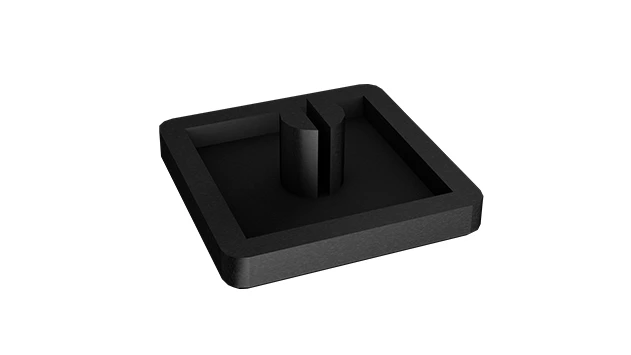
The aluminum profile end cap adds a finishing touch to your project and closes off profile ends to limit dust and debris buildup, also it can avaid some scratch for material and labor during the assemble work.
In the bustling world of data centers and communication hubs, where servers hum, routers blink, and cables weave like digital arteries, it's easy to overlook the small components that keep everything running smoothly. Think about the last time you walked into a server room—your eyes probably went straight to the towering racks, the blinking lights of network equipment, or the bundles of Ethernet cables snaking through cable management arms. But what about the quiet, unassuming parts that hold these systems together? Today, we're shining a spotlight on one such component: the 2020 aluminum profile end cap. It might seem trivial, but this tiny accessory plays a giant role in protecting your communication equipment racks, ensuring safety, and maintaining the integrity of your network infrastructure.
What Are 2020 Aluminum Profile End Caps, Anyway?
Before we dive into their importance, let's start with the basics. 2020 aluminum profile end caps are small, often unnoticeable covers designed to fit snugly over the exposed ends of 2020 aluminum extrusion profiles. If you're not familiar with aluminum extrusion profiles, they're lightweight, modular structural components used to build everything from workbenches and shelving units to, you guessed it, communication equipment racks. The "2020" in their name refers to their dimensions: typically 20mm by 20mm, making them a popular choice for medium-duty applications where space and weight matter—like in the tight confines of a server rack.
These end caps are part of a broader category of aluminum profile accessories, which includes everything from brackets and hinges to rubber strips and fixings. While they might not get the same attention as a high-speed router or a redundant power supply, 2020 end caps are the unsung guardians of the aluminum extrusion profiles that form the backbone of your communication racks. They're like the finishing touch on a well-tailored suit—small, but essential for a polished, functional result.
The 2020 Aluminum Extrusion Profile: A Quick Primer
To truly appreciate the role of 2020 end caps, we need to first understand the star of the show: the 2020 aluminum extrusion profile itself. Aluminum extrusion is a manufacturing process where aluminum alloy is forced through a die to create long, uniform shapes with consistent cross-sections. The 2020 profile, with its 20x20mm dimensions, is a workhorse in industrial and commercial settings. Its popularity stems from its perfect balance of strength, weight, and versatility.
In communication equipment racks, 2020 profiles are often used to build frame structures, shelf supports, or cable management rails. They're lightweight enough to keep rack systems from becoming too heavy (critical for floor-loading limits in data centers) but strong enough to support servers, switches, and other gear. Plus, their modular design—thanks to T-slots running along their length—makes them easy to customize with accessories like brackets, shelves, and yes, end caps. Without these profiles, many of the sleek, efficient communication racks we rely on today would be bulkier, harder to assemble, and more expensive to maintain.

Materials and Design: What Makes a Great 2020 End Cap?
Not all end caps are created equal. The best 2020 aluminum profile end caps are designed with both functionality and durability in mind, and they come in a range of materials to suit different needs. Let's break down the most common options:
- Polypropylene (PP): The most popular choice for end caps, polypropylene is lightweight, impact-resistant, and affordable. It's resistant to chemicals, moisture, and temperature fluctuations—all important traits in a server room where humidity and heat can vary. PP end caps often feature a snap-fit or friction-fit design, making them easy to install without tools.
- Rubber: For applications where a tighter seal or extra grip is needed, rubber end caps are ideal. They're flexible, which helps them conform to slightly irregular profile ends, and they provide better dust and moisture resistance than plastic. Rubber end caps are also great for reducing vibration noise, a small but welcome benefit in noisy data centers.
- Aluminum: When durability is non-negotiable, aluminum end caps step up to the plate. They're heavier than plastic or rubber, but they offer superior strength and heat resistance. Aluminum end caps are often used in industrial settings or outdoor communication racks where the profile ends might be exposed to rough handling or harsh weather.
Design-wise, 2020 end caps are surprisingly thoughtful. Many feature ribbed interiors to enhance grip, ensuring they stay in place even when the rack is moved or vibrated. Some have vented designs to allow airflow (useful if the profile is hollow and used for cable routing), while others are solid to block dust and debris. Color options are also a consideration—black, white, and gray are standard to match the neutral tones of most communication equipment racks, but custom colors are available for brands that want to add a subtle logo or design element.

Why 2020 End Caps Matter for Communication Equipment Racks
Now, let's get to the heart of the matter: why do these tiny caps deserve a place in your communication infrastructure? The answer lies in their ability to address four critical challenges in server rooms and network closets: protection, safety, aesthetics, and maintenance.
Protection: Shielding Profiles (and Equipment) from Wear and Tear
Aluminum extrusion profiles are strong, but their exposed ends are vulnerable. When a rack is assembled, moved, or reconfigured, the ends of the 2020 profiles can chip, dent, or scratch. Over time, these small damages can weaken the profile, compromising the rack's structural integrity. Worse, sharp, chipped edges can snag on cables, tearing insulation and exposing wires—a fire hazard in a room full of electrical equipment.
2020 end caps act as a barrier, absorbing impacts and preventing direct damage to the profile ends. Think of them as a helmet for your rack's frame. By covering the edges, they keep the aluminum intact, ensuring the rack remains stable and secure for years to come. This is especially important in dynamic environments where racks are frequently reconfigured to accommodate new servers or network gear.
Safety: No More Sharp Edges for Technicians
Data center technicians and IT professionals spend hours working in and around equipment racks. Whether they're installing a new server, troubleshooting a connection, or replacing a faulty power supply, they're constantly reaching into tight spaces. Exposed aluminum profile ends—even if they're not chipped—can have sharp edges from the extrusion process. A simple slip could result in a cut, which not only hurts the technician but also introduces the risk of blood contamination in a sensitive environment (yes, data centers have strict hygiene protocols too).
End caps eliminate this risk by softening the edges of the profiles. Rubber and polypropylene caps are especially effective here, as their slightly flexible material provides a cushioned surface. Even aluminum end caps are designed with rounded edges to prevent injury. In short, 2020 end caps turn a potential hazard into a safe, user-friendly surface—because no one should have to bleed for better network performance.
Aesthetics: Keeping Racks Looking Professional (and Functional)
First impressions matter, even in server rooms. A messy, disorganized rack area can signal poor maintenance practices, which might make clients or auditors wary. Exposed aluminum ends, with their raw, unfinished look, can detract from an otherwise clean setup. 2020 end caps provide a polished, uniform appearance, making racks look intentional and well-maintained.
But aesthetics aren't just about looks—they're about functionality too. A clean, consistent rack design makes it easier for technicians to identify components, spot issues, and work efficiently. When every profile end is covered with a matching end cap, there are no visual distractions, allowing the team to focus on what matters: keeping the network up and running.
Dust and Debris: Sealing the Gaps in Sensitive Environments
Communication equipment is sensitive to dust. Even small particles can clog cooling fans, insulate heat sinks, and interfere with electrical connections. In a data center, dust buildup on a server's heat sink can cause it to overheat and shut down—a disaster for a business relying on continuous uptime.
Hollow aluminum profiles (which are common in 2020 designs to reduce weight) can act like chimneys, drawing dust into the rack through their open ends. 2020 end caps seal these openings, preventing dust from entering the profiles and settling on internal components. Rubber end caps are particularly effective here, as their flexible material creates a tight seal that blocks even fine particles. This not only extends the life of your equipment but also reduces the need for frequent cleaning—a time-consuming task in large data centers.
Installation Guide: How to Fit 2020 Aluminum Profile End Caps
Installing 2020 end caps is a straightforward process, but there are a few tips to ensure a snug, long-lasting fit. Here's a step-by-step guide:
- Prepare the Profile End: Start by cleaning the end of the 2020 aluminum extrusion profile. Use a dry cloth to wipe away dust, debris, or oil (from manufacturing or handling). If there are any burrs or sharp edges (common in new profiles), gently sand them down with fine-grit sandpaper—this will prevent the end cap from tearing during installation.
- Choose the Right End Cap: Ensure you have the correct size and design for your profile. Most 2020 end caps are labeled with their dimensions, but it's always a good idea to test-fit one before installing a whole rack. Snap-fit caps should have a slightly smaller inner diameter than the profile's outer diameter to create friction; friction-fit caps (like rubber ones) will stretch to fit.
- Align and Press: Hold the end cap parallel to the profile end, making sure the opening is centered. Apply firm, even pressure to push the cap onto the profile. For snap-fit caps, you'll hear a satisfying "click" when it's in place. For rubber caps, you might need to twist slightly as you press to ensure the cap seats evenly.
- Check for Secure Fit: After installation, give the end cap a gentle tug to make sure it doesn't come loose. If it slides off easily, the cap might be too large, or the profile end might be too smooth. In that case, try a different cap size or add a small amount of rubber cement (sparingly!) to create extra grip (note: this is a last resort, as cement can make future removal difficult).
Pro tip: If you're installing end caps in cold weather, rubber caps might be stiffer and harder to fit. Warm them up slightly in your hands first—this makes the rubber more flexible and easier to stretch. Conversely, in hot environments, polypropylene caps can become soft, so avoid over-pressing them, as they might warp.
Comparing 2020 End Cap Options: Which One Is Right for You?
With so many end cap materials and designs on the market, choosing the right one for your communication racks can feel overwhelming. To simplify things, we've put together a comparison table of the most common options:
| End Cap Type | Material | Design Feature | Best For | Key Benefit |
|---|---|---|---|---|
| Snap-Fit | Polypropylene | Rigid, with internal ribs for grip | Standard communication racks in climate-controlled rooms | Easy installation, cost-effective, good impact resistance |
| Friction-Fit | Rubber | Flexible, stretches to fit | Racks with hollow profiles (dust sealing), outdoor or high-moisture areas | Excellent dust/water resistance, vibration dampening |
| Threaded | Aluminum | Screws into profile end (requires tapped holes) | Heavy-duty industrial racks, high-vibration environments | Ultra-secure fit, heat resistant, long lifespan |
| Vented | Polypropylene | Small holes for airflow | Profiles used for cable routing (prevents heat buildup in hollow channels) | Allows ventilation while still protecting edges |
As a general rule, polypropylene snap-fit caps are the go-to for most indoor communication racks—they're affordable, easy to install, and meet the basic needs of protection and safety. If you're dealing with outdoor racks (like those used for cell towers) or high-humidity environments, rubber friction-fit caps are worth the extra cost for their sealing properties. For industrial-grade setups with heavy equipment or constant vibration, aluminum threaded caps provide the ultimate security.
Common Issues and Solutions: Troubleshooting End Cap Problems
While 2020 end caps are simple components, they can run into issues from time to time. Here are the most common problems and how to fix them:
Loose End Caps
If end caps start to slide off, the first thing to check is wear and tear. Over time, polypropylene caps can become brittle and lose their grip, especially if exposed to UV light (from windows or overhead lights). Rubber caps might stretch out with repeated removal and reinstallation. The solution? replace worn caps with new ones. If the problem persists, try a size smaller or a different design (e.g., switching from snap-fit to friction-fit).
Difficulty Installing Caps on New Profiles
New aluminum extrusion profiles often have sharp edges or burrs from the cutting process, which can make end caps hard to push on. As mentioned earlier, sanding the edges with fine-grit sandpaper will smooth them out. For rubber caps, warming them up (as noted in the installation guide) increases flexibility. If the profile has a particularly tight tolerance, you can also apply a tiny amount of soapy water to the inside of the cap—this acts as a lubricant and makes sliding it on easier (the soap will dry, leaving the cap secure).
Discoloration or Fading
Polypropylene and rubber end caps can fade or discolor over time if exposed to direct sunlight or harsh cleaning chemicals. To prevent this, choose UV-resistant end caps (look for labels like "UV-stabilized") and avoid using abrasive cleaners near the caps. If discoloration is purely aesthetic and the cap still fits well, there's no need to replace it—function over form here!
The Bigger Picture: 2020 End Caps in the Aluminum Profile Accessories Ecosystem
2020 end caps don't work in isolation—they're part of a larger family of aluminum profile accessories that together create functional, modular systems. Let's take a look at how they interact with other key components:
Aluminum Profile Rubber Strip
While end caps seal the ends of profiles, aluminum profile rubber strips seal the T-slots that run along the sides of the extrusion. These strips prevent dust, debris, and even small insects from entering the slots, which can jam accessories like brackets or shelf supports. Together, end caps and rubber strips create a "sealed unit" for the profile, keeping it clean and functional.
Aluminum Profile Fixings
Fixings like bolts, nuts, and brackets are what hold the profile system together. End caps don't directly interact with fixings, but they do protect the structural integrity of the profile, which in turn ensures fixings remain secure. A damaged profile end could weaken the entire frame, causing fixings to loosen over time. By keeping the profile intact, end caps help maintain the stability of the entire rack system.
Shelves and Panels
Many communication racks use shelves or panels mounted on 2020 profiles to hold equipment. These shelves often attach to the profiles via brackets that slide into the T-slots. End caps ensure the profile ends don't snag on these brackets during installation or adjustment, making it easier to reconfigure the rack as needed.
Future Trends: What's Next for Aluminum Profile End Caps?
As communication technology evolves, so too do the components that support it. Here are a few trends we're seeing in the world of 2020 aluminum profile end caps:
- Eco-Friendly Materials: With sustainability becoming a priority for data centers, manufacturers are developing end caps made from recycled plastics or biodegradable materials. These caps perform just as well as traditional ones but have a lower environmental impact.
- Integrated Features: Some companies are experimenting with end caps that include built-in cable clips, labels, or even tiny sensors. Imagine an end cap with a QR code that links to the rack's configuration details, or a temperature sensor that alerts technicians if the rack is overheating—small innovations that could streamline maintenance.
- Custom Branding: As data centers become more competitive, some operators are using custom-colored or logo-printed end caps to reinforce their brand identity. This is a subtle touch, but in client-facing facilities (like colocation centers), it can make a memorable impression.
Conclusion: Don't Overlook the Small Stuff
At the end of the day, 2020 aluminum profile end caps might not be the most glamorous components in your communication equipment rack, but they're undoubtedly some of the most important. They protect your investment, keep technicians safe, maintain a professional appearance, and contribute to the overall reliability of your network infrastructure.
Next time you're upgrading your server room or installing a new communication rack, take a moment to appreciate the humble end cap. It's a reminder that in the world of technology, the smallest details often have the biggest impact. And when you're choosing end caps, opt for quality—your racks, your technicians, and your network uptime will thank you.
So, here's to the unsung heroes: the 2020 aluminum profile end caps. Quiet, reliable, and always there when you need them. Because in the fast-paced world of communication, sometimes the best innovations come in small packages.