- Company Articles
- Products and Technology
- Product knowledge
- 2020 Aluminum Profile End Caps for Flexible Production Lines: A Must-Have

2020 Aluminum Profile End Caps for Flexible Production Lines: A Must-Have
Related Product
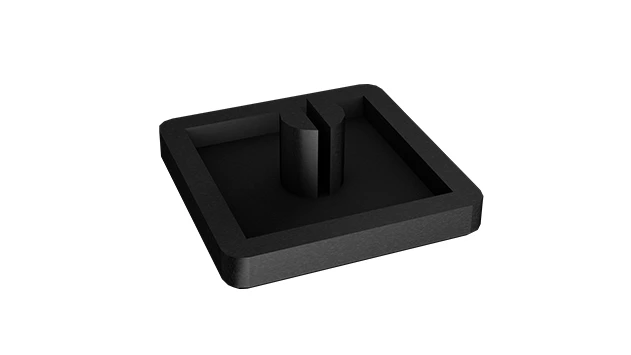
2020 Aluminum Profile End Cap
The aluminum profile end cap adds a finishing touch to your project and closes off profile ends to limit dust and debris buildup, also it can avaid some scratch for material and labor during the assemble work.
Walk into any modern manufacturing facility, and you'll likely be struck by the rhythm of production lines—conveyors humming, workbenches bustling, and materials flowing seamlessly from one station to the next. These lines are the lifelines of factories, the engines that turn raw materials into finished products. But what keeps these lines running smoothly, day in and day out? It's not just the big machines or the high-tech software. Often, it's the smallest components—the unsung heroes—that ensure everything stays efficient, safe, and adaptable. Today, we're shining a spotlight on one such hero: the 2020 Aluminum Profile End Cap. Though tiny in size, this unassuming accessory plays a critical role in flexible production lines, and once you understand its value, you'll wonder how you ever managed without it.
The Rise of Flexible Production Lines: Why Adaptability Matters
Gone are the days of rigid, one-size-fits-all production lines. In today's fast-paced manufacturing world, where consumer demands shift overnight and product cycles grow shorter, flexibility isn't just a nice-to-have—it's a survival skill. A flexible production line can pivot quickly: reconfigure workstations for a new product, scale up or down based on demand, and adapt to changing workflows without grinding operations to a halt. This adaptability relies on modular, durable building blocks that can be easily adjusted, expanded, or repurposed. And that's where aluminum extrusion profiles come into play.
Aluminum extrusion profiles are the backbone of modern flexible production. Made by forcing heated aluminum through a die to create consistent, custom shapes, these profiles are lightweight yet surprisingly strong. They're resistant to corrosion, easy to assemble, and compatible with a wide range of accessories—from connectors and hinges to casters and, yes, end caps. Together, they form the skeleton of workbenches, material racks, conveyors, and turnover trolleys, allowing factories to build exactly what they need, when they need it. But even the sturdiest skeleton needs finishing touches, and that's where aluminum profile accessories like the 2020 Aluminum Profile End Cap step in.
Aluminum Profiles and Their Unsung Accessories: Why Details Matter
When we talk about aluminum profiles, the focus often lands on their structural role—how they support heavy loads, frame workstations, or guide materials along a conveyor. But anyone who's worked on a production floor knows that the difference between a "good" setup and a "great" one lies in the details. Sharp edges that snag gloves, exposed profile ends that collect dust, or loose components that rattle during operation—these small annoyances add up. They slow down workers, increase the risk of injury, and shorten the lifespan of equipment. That's why aluminum profile accessories are so crucial: they turn a basic structure into a polished, functional, and safe system.
Take workbenches, for example. A typical workbench in an electronics assembly line might be built from 2020 aluminum profiles—so named because their cross-section measures 20mm x 20mm, making them ideal for smaller, precision-focused workstations. The frame is sturdy, the surface is flat, and the modular design means you can add shelves or tool holders as needed. But without end caps, the raw, cut ends of the 2020 profiles would be sharp. A worker reaching across the bench could scrape their arm; small parts like screws or washers might get stuck in the exposed grooves. Over time, dust and debris would accumulate in those ends, making the bench harder to clean and more prone to corrosion. Enter the 2020 Aluminum Profile End Cap: a simple, cost-effective solution that transforms those rough edges into smooth, safe, and professional finishes.

2020 Aluminum Profile End Caps: Design, Material, and Functionality
At first glance, a 2020 Aluminum Profile End Cap might seem like little more than a plastic or rubber plug. But don't let its simplicity fool you. These end caps are engineered with purpose, designed to address specific challenges in production environments. Let's break down what makes them essential.
Design: Tailored for the 2020 Profile
The 2020 aluminum profile is a popular choice for lightweight, high-precision applications—think small workstations, electronic component racks, or mini conveyors. Its compact 20mm x 20mm size means it fits into tight spaces, but that also means its end openings are small and uniquely shaped (often with T-slots for connecting accessories). The 2020 end cap is molded to match this shape exactly: it slides snugly into the profile's end, with ridges or tabs that grip the inner walls to prevent slipping. No more loose caps that fall off during use—this is a secure, friction-fit design that stays in place, even when the profile is jostled or moved.
Materials: Durable, Safe, and Industry-Ready
Most 2020 end caps are made from high-quality nylon or PVC, though some heavy-duty versions use aluminum. Nylon is a favorite for its balance of flexibility and toughness: it resists impacts, won't crack in cold temperatures, and stands up to oils, solvents, and chemicals commonly found in factories. PVC, on the other hand, offers excellent grip and is often used in environments where noise reduction is key—its softness dampens vibrations, keeping workstations quieter. For applications where aesthetics matter (like customer-facing demo lines), aluminum end caps provide a sleek, metallic finish that matches the profile itself.
Three Key Functions That Make a Big Difference
So, what exactly do these end caps do? Let's count the ways:
- Edge Protection: Raw aluminum profile ends are sharp—think of a freshly cut pipe. Without an end cap, these edges pose a risk to workers: scraped hands, torn gloves, or even snagged clothing. The end cap softens this edge, creating a smooth, rounded finish that's safe to touch. In busy production areas, where workers move quickly, this isn't just a convenience—it's a safety necessity.
- Dust and Debris Sealing: Production lines are messy places. Dust, metal shavings, coolant, and even small parts can find their way into the open ends of aluminum profiles. Over time, this buildup clogs T-slots, making it hard to attach accessories or adjust the structure. It can also cause internal corrosion, weakening the profile. The end cap acts as a barrier, sealing the opening to keep contaminants out. This extends the profile's lifespan and reduces maintenance time (no more fishing debris out of T-slots with tweezers).
- Aesthetic and Ergonomic Polish: A production line with exposed profile ends looks unfinished—like a puzzle missing its final pieces. End caps give the structure a clean, professional appearance, which matters for everything from worker pride to client tours. They also improve ergonomics: a workstation with smooth, capped edges feels more intentional and comfortable to use, reducing fatigue during long shifts.

Real-World Impact: How 2020 End Caps Transform Workflows
To understand just how much difference a 2020 end cap makes, let's look at a few common scenarios where they shine. These aren't hypothetical—these are real problems solved by a small, affordable accessory.
Scenario 1: The Electronics Assembly Workbench
Imagine a workbench in a smartphone assembly plant. It's built with 2020 aluminum profiles to keep it lightweight (so workers can adjust its position easily) and has T-slots for attaching tool holders, cable management clips, and component bins. Without end caps, the profile ends are sharp. A worker reaching for a screwdriver might brush against an exposed end, scraping their wrist. Over time, those small injuries add up—absenteeism, slower work, and frustration. Now, add 2020 end caps: the edges are smooth, the worker feels safer, and focus stays on assembling phones, not avoiding cuts. Plus, the end caps seal the profiles, so tiny screws or dust from circuit boards don't get trapped inside, keeping the T-slots clean and functional for future adjustments.
Scenario 2: The Lean System Material Rack
Lean manufacturing is all about eliminating waste—including waste from inefficient workflows or damaged materials. A lean system might use a small 2020 aluminum material rack to hold components for a just-in-time production line. If the rack's profile ends are uncovered, dust and oil from the factory floor can seep in, coating the T-slots. When a team needs to reconfigure the rack (adding a new shelf or moving it to a different station), the dusty T-slots make it hard to slide in connectors—wasting time and frustrating workers. With end caps, the slots stay clean, so adjustments take minutes, not hours. The rack lasts longer, too, since corrosion from trapped moisture is prevented. That's lean in action: small investments in accessories that reduce waste and boost efficiency.
Scenario 3: The Mobile Turnover Trolley
Turnover trolleys are workhorses in factories, shuttling materials between stations. Many are built with 2020 profiles for lightweight mobility. Without end caps, the trolley's profile ends are open, and every bump in the floor sends vibrations through the structure. Over time, these vibrations can loosen the trolley's joints or even cause small parts (like nuts or washers stored on the trolley) to bounce into the open profile ends, where they get stuck. Retrieving them means stopping work to shake the trolley or use a tool—wasted time. End caps seal the ends, preventing parts from getting trapped, and their soft material dampens vibrations, making the trolley quieter and more stable. Workers move faster, and the trolley stays in service longer.
Choosing the Right 2020 End Cap: What to Look For
Not all 2020 aluminum profile end caps are created equal. To get the most value, you'll want to consider a few key factors before purchasing.
Material Matters: Match the Environment
Nylon end caps are great for general-purpose use—they're tough, chemical-resistant, and affordable. If your production line uses coolants or oils, nylon is a safe bet. PVC end caps are better for noise reduction or cold environments (they stay flexible in low temps). For high-end or aesthetic applications (like a demo line for clients), aluminum end caps add a premium look. Avoid cheap plastic caps—they'll crack, warp, or fall off, leaving your profiles unprotected.
Fit: Snug, Not Forced
A good end cap should slide into the 2020 profile with a firm, even pressure—no gaps, no wiggling. If it's too loose, it'll fall off; too tight, and you might damage the profile or the cap when installing. Look for end caps labeled specifically for "2020 aluminum profiles" to ensure a perfect fit. Some manufacturers even include compatibility charts, matching their end caps to specific profile models (e.g., "2020A" vs. "2020B" T-slot designs).
Quantity: Stock Spares
End caps are small, and it's easy to lose a few during installation or when reconfiguring a line. Always order extra—having spares on hand means you can replace a lost cap immediately, instead of leaving a profile exposed while waiting for a new shipment.
| End Cap Material | Best For | Key Benefit | Consideration |
|---|---|---|---|
| Nylon | General factories, chemical exposure | Durable, chemical-resistant | Stiffer than PVC; may crack in extreme cold |
| PVC | Noise-sensitive areas, cold environments | Flexible, vibration-dampening | Less chemical-resistant than nylon |
| Aluminum | Aesthetic applications, high-end lines | Sleek finish, matches profile | More expensive; adds weight |
Beyond the End Cap: Building a Complete Aluminum Profile System
The 2020 Aluminum Profile End Cap is just one piece of the puzzle. To truly maximize your flexible production line, it should be paired with other aluminum profile accessories that work in harmony. For example:
- Connectors: These join profiles at angles (90°, 45°, 135°) to build frames, workbenches, or racks. Look for internal or external rotary joints for added flexibility.
- Casters: Attach these to profile bases to make workstations or trolleys mobile. Opt for locking casters for stability when in use.
- Workbench Tops: Plywood, aluminum honeycomb, or anti-static panels that mount to profile frames, creating sturdy work surfaces.
- Roller Tracks: Guide materials along production lines, often used with 2020 profiles for small-part conveyors.
Together, these accessories transform raw aluminum profiles into a fully functional, adaptable system. And the end cap? It's the final touch that ensures the system is safe, clean, and built to last.
Conclusion: Small Component, Big Impact
In the world of manufacturing, it's easy to focus on the "big stuff"—the robots, the software, the heavy machinery. But as we've explored, the smallest components often have the biggest impact on efficiency, safety, and morale. The 2020 Aluminum Profile End Cap is a perfect example: a simple, affordable accessory that protects workers, extends equipment life, and keeps production lines running smoothly. It's a testament to the idea that lean manufacturing isn't just about cutting waste—it's about investing in the details that make every part of the process work better.
So, the next time you walk through your production line, take a look at those aluminum profiles. Are their ends capped? If not, you might be missing out on a simple fix that could save time, reduce injuries, and boost your bottom line. The 2020 Aluminum Profile End Cap isn't just a "must-have"—it's a reminder that in manufacturing, success lies in the details.