- Company Articles
- Products and Technology
- Product knowledge
- 2020 Aluminum Profile End Caps for Flexible Workstations: Design Tips

2020 Aluminum Profile End Caps for Flexible Workstations: Design Tips
Related Product
2020 Aluminum Profile End Cap
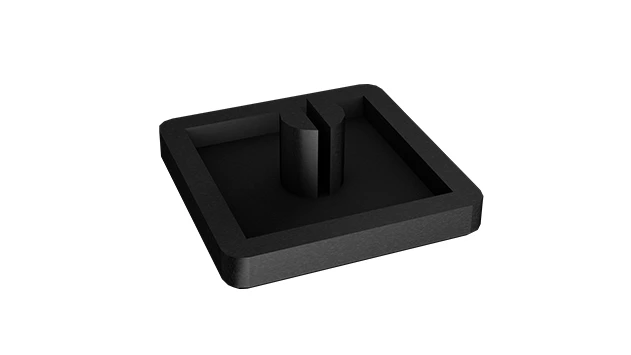
The aluminum profile end cap adds a finishing touch to your project and closes off profile ends to limit dust and debris buildup, also it can avaid some scratch for material and labor during the assemble work.
The Evolution of Workstations: Why Flexibility Matters
Walk into any modern factory, workshop, or office today, and you'll notice a shift—gone are the rigid, one-size-fits-all workbenches and static assembly lines of the past. Instead, there's a buzz of adaptability: teams reconfiguring workstations in minutes to handle new projects, workers adjusting heights for ergonomic comfort, and spaces that seamlessly transition from production to collaboration. This flexibility isn't just a trend; it's a necessity. As industries race to keep up with changing consumer demands and lean system principles, the backbone of this transformation lies in modular infrastructure—and at the heart of that infrastructure? Aluminum extrusion profiles.
Aluminum extrusion profiles, with their T-slot design and modular nature, have become the gold standard for building flexible workstations. They're lightweight yet strong, easy to assemble, and infinitely customizable. But here's the thing: even the most robust aluminum profile system is only as good as its smallest components. Today, we're zooming in on one such component that often flies under the radar but plays a critical role in safety, aesthetics, and functionality: the 2020 aluminum profile end cap. Whether you're a manufacturer building workbenches, a facility manager upgrading your production floor, or a designer crafting the next-gen workspace, getting end caps right can elevate your workstation from "functional" to "exceptional."
What Are 2020 Aluminum Profile End Caps, and Why Do They Matter?
First, let's clarify: 2020 aluminum profile end caps are small, often unassuming components designed to fit snugly over the exposed ends of 2020 aluminum extrusion profiles. The "2020" refers to the profile's cross-section dimensions—typically 20mm x 20mm, a popular size for light to medium-duty applications like workbenches, shelving, and small material racks. At first glance, they might seem like an afterthought, but their impact is anything but minor.
Think of it this way: If aluminum extrusion profiles are the bones of your workstation, end caps are the protective skin. They seal off sharp edges, prevent dust and debris from clogging T-slots, and add a polished look to an otherwise industrial setup. In lean system environments, where efficiency and safety are paramount, even small improvements like these can reduce downtime (fewer cuts from sharp edges) and boost morale (a workspace that feels intentional and cared for).
End caps also play a quiet role in longevity. Without them, moisture, dirt, and even small tools can find their way into the hollow core of aluminum profiles, leading to corrosion, jamming of T-slot accessories, or weakening of the structure over time. For anyone investing in aluminum profile workstations—whether as a supplier or an end-user—end caps are a low-cost insurance policy against premature wear and tear.

A Closer Look: Types of 2020 Aluminum Profile End Caps
Not all end caps are created equal. Depending on your workstation's needs, you'll want to choose from a range of materials, designs, and functionalities. Here's a breakdown of the most common types, along with their best-use scenarios:
| End Cap Type | Material | Key Features | Best For |
|---|---|---|---|
| Snap-On Plastic End Caps | PVC, Nylon, or PP | Easy to install (no tools), lightweight, cost-effective, available in multiple colors | General-purpose workstations, office setups, low-traffic areas, or when quick assembly is needed |
| Screwed Metal End Caps | Aluminum, Stainless Steel | Secure fit (screwed into T-slots), high durability, heat and chemical resistance | Heavy-duty workbenches, industrial environments, high-traffic production lines, or outdoor use |
| ESD-Safe End Caps | Conductive Plastic or Metal | Dissipates static electricity, prevents ESD damage to sensitive components | Electronics manufacturing, labs, or workstations handling circuit boards and microchips |
| Decorative/Branded End Caps | Colored Plastic, Anodized Aluminum | Custom colors, logos, or textures; enhances brand identity | Showrooms, customer-facing workstations, or environments where aesthetics are a priority |
Now that you know the basics, let's dive into the design tips that will help you select and implement 2020 aluminum profile end caps like a pro.

6 Design Tips for 2020 Aluminum Profile End Caps That Enhance Workstations
Designing with end caps isn't just about slapping a cover on a profile—it's about aligning the component with your workstation's purpose, user needs, and long-term goals. Here are six actionable tips to guide you:
1. Start with Material Selection: Match End Caps to Your Environment
The first rule of end cap design is choosing the right material. Plastic end caps are the go-to for most standard applications—they're affordable, lightweight, and come in a variety of colors. For example, a snap-on PVC end cap in gray or black works perfectly for a basic aluminum workbench in a warehouse. But if your workstation is in a harsh environment—say, a factory with high temperatures, chemicals, or heavy impacts—plastic might not cut it. In those cases, metal end caps (aluminum or stainless steel) are worth the investment. They're resistant to wear, won't crack under pressure, and can withstand exposure to oils or solvents common in industrial settings.
For specialized environments like electronics manufacturing, ESD-safe end caps are non-negotiable. These end caps are made with conductive materials that redirect static electricity away from sensitive components, reducing the risk of costly damage. When in doubt, ask: What conditions will this workstation face daily? What risks (static, impact, corrosion) do I need to mitigate? The answers will point you to the right material.
2. Prioritize Fit and Compatibility: Avoid Gaps and Wobbles
A poorly fitting end cap is worse than no end cap at all. Gaps between the end cap and the profile can trap debris, create sharp edges (if the end cap is loose), or simply look unprofessional. To ensure a snug fit, always check the specifications of your 2020 aluminum extrusion profile before ordering end caps. Not all 2020 profiles are identical—some have thicker walls, rounded corners, or unique T-slot designs that can affect how an end cap sits.
For example, a 2020 profile with a 1.5mm wall thickness will have a slightly smaller inner diameter than one with a 1.2mm wall. A "one-size-fits-all" end cap might work for the latter but leave gaps in the former. Reputable aluminum profile accessories suppliers often list compatibility details (e.g., "fits 2020 profiles with 1.2–1.5mm wall thickness")—take the time to verify these before purchasing. If you're unsure, request samples to test fit on your actual profiles. It's a small step that saves big headaches later.
3. Integrate Aesthetics: End Caps as a Design Element
Workstations aren't just functional—they're part of your workspace's culture. A cluttered, mismatched setup can drain team morale, while a clean, cohesive design can boost productivity and pride. End caps, though small, contribute to this aesthetic. Instead of defaulting to plain black or gray, consider how end cap colors, textures, or finishes can complement your overall design.
For example, if your brand uses blue as a primary color, adding blue snap-on end caps to your aluminum workbench legs can tie the space together. In creative agencies or tech startups, colored end caps (neon green, orange, or even pastels) can add a playful, innovative vibe. For a more industrial look, brushed aluminum end caps that match the profile's finish create a seamless, monochromatic effect. The key is consistency—stick to 1–2 accent colors to avoid visual chaos, and ensure end caps align with other aluminum profile accessories (like handles, connectors, or casters) for a unified look.
4. Add Functional Extras: End Caps That Do More Than Cover
Great design solves multiple problems at once. Why settle for an end cap that only covers the profile when it could also add functionality? Many modern end caps come with built-in features that enhance workstation utility:
- Cable management slots: Small notches or channels in the end cap that route cables through the profile, keeping wires organized and off the floor.
- Labeling areas: Flat surfaces or recessed slots where you can attach labels (e.g., "Tool Storage," "Assembly Station 3") for quick identification.
- Mounting points: Pre-drilled holes or T-slot compatible tabs that let you attach small accessories like hooks, clips, or LED light strips directly to the end cap.
For example, a workstation in a busy workshop could use end caps with cable slots to manage power tools' cords, reducing tripping hazards. In a warehouse, labeled end caps on material racks can speed up inventory checks. These extras don't just make the workstation more functional—they align with lean system principles by eliminating waste (time spent hunting for tools, tangled cords) and improving flow.
5. Prioritize Ergonomics and Safety: Comfort for Users, Peace of Mind for Managers
Workstation design should always put people first. End caps play a subtle but important role in ergonomics and safety. Sharp, unprotected profile ends can cause cuts or scrapes when workers lean against the workstation or reach for tools. Look for end caps with rounded edges or a slightly domed shape to minimize this risk. Even better, some end caps are designed with a soft, grippy texture that makes assembly easier (no slipping when pushing them onto the profile) and adds a comfortable feel for users who interact with the workstation daily.
Another safety consideration: weight. Heavy metal end caps on overhead racks or tall shelving could become projectiles if they fall. In these cases, lightweight plastic end caps (or metal end caps secured with screws) are safer. For workstations used by teams with varying heights—like adjustable-height workbenches—ensure end caps are easy to remove and reattach without tools, so workers can adjust the setup quickly without fumbling with hardware.
6. Plan for Longevity: End Caps That Stand the Test of Time
A workstation is an investment, and its components should last. When selecting end caps, think about long-term maintenance and replacement. Will the end cap material fade in sunlight? Can it withstand repeated cleaning with industrial detergents? Is it easy to source replacements if one gets damaged?
For example, plastic end caps in vibrant colors might fade if exposed to direct sunlight over time—opt for UV-resistant plastic or metal in these cases. In food processing facilities, where workstations are sanitized daily, end caps should resist harsh chemicals and high temperatures. Additionally, choose end caps that are widely available through your aluminum profile supplier. Custom, one-off end caps might look unique, but if they're hard to replace, you could end up with mismatched workstations if one breaks.
Case Study: How End Caps Transformed a Small Manufacturing Workbench
To bring these tips to life, let's look at a real-world example. A small electronics manufacturer in California recently upgraded their assembly workstations from wooden benches to aluminum extrusion profile setups using 2020 profiles. Initially, they skipped end caps to save costs, but within months, they noticed issues: workers complained of minor cuts from sharp profile ends, dust accumulated in T-slots causing jams when adjusting shelves, and the workstations looked unfinished to clients visiting the facility.
After consulting with their aluminum profile supplier, they switched to ESD-safe snap-on end caps in their brand color (blue). The results? Cuts decreased by 80%, T-slot jams became rare, and clients commented on the "professional, put-together" look of the workspace. They even added end caps with cable management slots, reducing cord clutter by 60% and cutting down on time wasted untangling wires. The total cost for end caps was less than 5% of the workstation budget, but the ROI in safety, efficiency, and client perception was immeasurable.
Conclusion: The Small Component That Makes a Big Difference
In the world of flexible workstations, it's easy to focus on the "big stuff"—the profiles, the workbench surfaces, the heavy-duty accessories. But as we've explored, small components like 2020 aluminum profile end caps are the unsung heroes that turn a basic setup into a lean, safe, and visually cohesive workspace. By prioritizing material selection, fit, aesthetics, functionality, safety, and longevity, you can ensure your end caps work as hard as the rest of your workstation.
Whether you're a supplier crafting custom solutions or a facility manager building the next generation of workspaces, remember: every detail counts. The right end cap isn't just a cover—it's a statement that you care about efficiency, safety, and the people who use your workstations. And in today's fast-paced, lean-focused world, that statement can make all the difference.