- Company Articles
- Products and Technology
- Product knowledge
- 2020 Aluminum Profile End Caps for High-Temperature Manufacturing Settings

2020 Aluminum Profile End Caps for High-Temperature Manufacturing Settings
Related Product
2020 Aluminum Profile End Cap
The aluminum profile end cap adds a finishing touch to your project and closes off profile ends to limit dust and debris buildup, also it can avaid some scratch for material and labor during the assemble work.
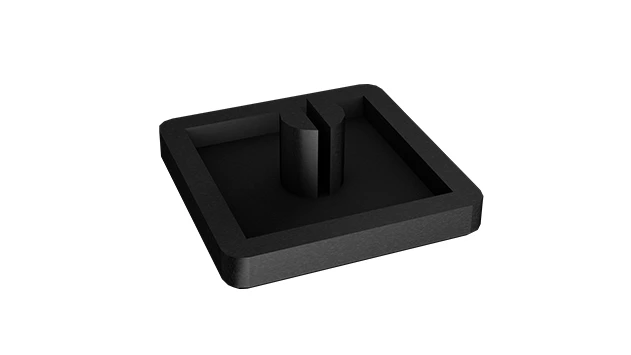
Small Components, Big Impact: How the Right End Caps Keep Your Production Lines Running Smoothly
The Unsung Heroes of the Factory Floor
Walk through any high-temperature manufacturing facility—whether it's an automotive assembly plant, an aerospace parts workshop, or a electronics production hub—and you'll see rows of aluminum extrusion profiles forming workbenches, material racks, and conveyor systems. These profiles are the backbone of modern lean systems, providing the flexibility and durability needed to keep operations efficient. But if you look closer, there's a tiny component that often goes unnoticed: the end caps on those aluminum profiles.
At first glance, they might seem insignificant. After all, they're just small caps that snap or screw onto the ends of aluminum tubes, right? But in environments where temperatures regularly climb above 100°C (212°F)—think soldering stations, heat-treated part assembly lines, or plastic molding areas—these "insignificant" components can make or break your production day. A melted plastic end cap, a cracked rubber plug, or a corroded metal cap can lead to jams, contamination, or even safety hazards. That's where the 2020 aluminum profile end cap comes in: a simple yet critical aluminum profile accessory designed to thrive where other materials fail.
When the Heat Turns Up: The Problem with "Standard" End Caps
Let's set the scene. Imagine a mid-sized electronics manufacturer in Arizona. Their production line for circuit boards runs 12-hour shifts, with soldering stations that emit constant heat. For years, they used plastic end caps on their aluminum extrusion profile workbenches—cheap, easy to install, and readily available. But every summer, as the factory's internal temperature spiked and the soldering irons worked overtime, those plastic caps started to warp. Some melted around the edges, leaving sticky residue on the profiles. Others cracked, allowing dust and debris to collect inside the tubes, which later clogged up the adjustment mechanisms for their material racks.
"We were replacing end caps every two months," says Maria, the plant's operations manager. "Not only was it a hassle—sending a technician to unscrew warped plastic and clean out the tubes—but it was costing us. Every time a cap failed, we'd have to pause the line to fix it, and once, a cracked cap even caused a small fire when a hot solder droplet landed on the exposed plastic. That's when we knew we needed something better."
Maria's story isn't unique. Many manufacturers default to plastic, rubber, or low-grade metal end caps because they're inexpensive. But in high-temperature settings, these materials fall short:
Plastic end caps (often made from PVC or nylon) typically start to soften at 60–80°C (140–176°F) and melt above 100°C (212°F). They also degrade over time when exposed to UV light or chemical fumes, becoming brittle and prone to cracking.
Rubber end caps offer better flexibility but break down quickly under heat, releasing odors and sometimes toxic fumes. They also attract dust and grime, making them a hygiene risk in cleanroom environments.
Low-grade steel or zinc-plated end caps might handle heat, but they're prone to rust in humid, high-temperature settings. Once rust forms, they seize onto the profiles, making replacement a struggle—and the rust particles can contaminate sensitive parts, like semiconductors or medical devices.
The result? Unplanned downtime, increased maintenance costs, and a constant battle to keep up with replacement parts. For lean system managers, this is a nightmare: lean manufacturing thrives on consistency and efficiency, and frequent small failures add up to big losses in productivity.

The Solution: 2020 Aluminum Profile End Caps—Built for the Heat
Enter the 2020 aluminum profile end cap. Designed specifically for the 2020 aluminum extrusion profile (a common size in workbenches, material racks, and light-duty conveyor systems), these end caps are made from high-grade aluminum alloy—typically 6061 or 6063, the same materials used in the profiles themselves. This isn't just a coincidence: using matching alloys ensures compatibility, durability, and, most importantly, heat resistance.
"Aluminum is a workhorse in high-temperature environments," explains Raj, an engineer at a leading lean system supplier. "Unlike plastic, it doesn't melt or warp at typical manufacturing temperatures. Even at 200°C (392°F)—which is hotter than most factory settings—aluminum retains its structural integrity. And unlike low-grade steel, it's naturally resistant to corrosion, especially when anodized or treated with a protective coating."
But what makes the 2020 aluminum end cap stand out isn't just its material—it's the design. These caps are precision-machined to fit snugly into the 20mm x 20mm hollow of the 2020 aluminum extrusion profile. Some feature a friction-fit design, snapping into place with a satisfying "click" and staying put even when vibrations from nearby machinery rattle the line. Others have threaded holes, allowing them to be screwed onto the profile for a permanent seal—ideal for vertical racks or overhead systems where a loose cap could fall and cause injury.
Perhaps most importantly, they're engineered to be part of a larger ecosystem of aluminum profile accessories. Need to attach a label holder to your workbench? The flat top of the 2020 end cap provides a stable surface. Want to route cables along a material rack? Some end caps have pre-drilled notches to guide wires without damaging them. And because they're made from aluminum, they blend seamlessly with the rest of your lean system, maintaining that clean, professional look that's key to organized production lines.

Why Aluminum? Breaking Down the Material Science
To understand why the 2020 aluminum profile end cap is a game-changer for high-temperature settings, let's dive into the material itself. Aluminum alloys like 6061 and 6063—commonly used in aluminum extrusion profiles—offer a unique combination of properties that make them ideal for heat resistance:
- High melting point: Pure aluminum melts at 660°C (1220°F), and alloys like 6061 melt around 580°C (1076°F). Compare that to ABS plastic, which starts to deform at 80°C (176°F), and you'll see why aluminum is the clear winner.
- Thermal conductivity: Aluminum dissipates heat quickly, meaning even if one part of the cap is exposed to direct heat (like from a nearby soldering iron), the temperature won't build up and damage the material. This is a stark contrast to rubber, which insulates heat and can become brittle over time.
- Lightweight yet strong: Aluminum is about one-third the weight of steel, so adding end caps doesn't add unnecessary bulk to your racks or workbenches. But don't let the weight fool you—it's strong enough to withstand accidental bumps from forklifts or heavy toolboxes.
- Customizable finishes: Most 2020 aluminum end caps come in natural aluminum, but they can also be anodized in colors like black, silver, or blue. Anodizing adds a protective layer that enhances corrosion resistance and makes the caps easier to clean—important in environments where oils, coolants, or chemicals are present.
Fun Fact: The "2020" in 2020 aluminum profile refers to its dimensions: 20mm in width and 20mm in height. It's one of the most popular sizes for small to medium-duty applications, like workbench frames, shelf dividers, and light conveyor rails. Its compact size makes it perfect for tight spaces, and its hollow design keeps it lightweight—all while providing enough strength to support tools, parts, and materials.
Beyond Heat Resistance: The Hidden Benefits of Aluminum End Caps
Sure, heat resistance is the star feature of the 2020 aluminum profile end cap, but it's not the only reason manufacturers are making the switch. Let's break down the other perks that make these small components a big win for lean systems:
1. Reduced Maintenance Downtime
Remember Maria's electronics plant? After switching to aluminum end caps, they went from replacing caps every two months to… never. "We installed them three years ago, and I don't think we've had to replace a single one," she says. "No more warped plastic, no more cracked rubber—just caps that stay in place and do their job. That alone saved us hours of maintenance time each quarter."
2. Improved Safety
Melted or cracked end caps aren't just a nuisance—they're a safety risk. A sharp, broken plastic cap can cut a technician's hand when they reach for a tool. A loose cap that falls into a conveyor system can jam the rollers, leading to unexpected shutdowns or even fires. Aluminum end caps eliminate these risks: they're smooth, durable, and designed to stay put, even in high-vibration environments.
3. Cleaner Production Lines
Dust, debris, and liquid spills are inevitable in manufacturing. When plastic end caps crack, they create gaps where these contaminants can enter the hollow aluminum extrusion profile. Over time, this buildup can corrode the inside of the tube or interfere with adjustable components like shelf brackets. Aluminum end caps form a tight seal, keeping the inside of the profile clean and debris-free.
4. Compatibility with Lean Principles
Lean systems are all about minimizing waste—whether it's time, materials, or money. By reducing maintenance, eliminating replacement costs, and preventing production delays, aluminum end caps align perfectly with lean goals. "Every time we don't have to stop the line to fix a broken cap, we're keeping our workflow smooth and our team focused on value-adding tasks," says Raj. "That's lean in action."
How Do They Stack Up? A Comparison of End Cap Materials
Still on the fence about switching to aluminum? Let's put the 2020 aluminum profile end cap head-to-head with other common materials. The table below compares key factors like heat resistance, durability, cost, and maintenance needs:
| End Cap Material | Max Temperature Resistance | Typical Lifespan | Maintenance Needs | Cost (Per Unit) | Best For |
|---|---|---|---|---|---|
| Plastic (PVC/Nylon) | 60–80°C (140–176°F) | 2–6 months (high temps) | Frequent replacement; cleaning residue | $0.50–$1.50 | Cool, dry environments (e.g., office shelving) |
| Rubber | 80–100°C (176–212°F) | 6–12 months (high temps) | Check for cracking; replace when brittle | $1.00–$2.00 | Low-heat, high-vibration settings (e.g., packaging lines) |
| Low-Grade Steel | Up to 300°C (572°F) | 1–2 years (humid environments) | Clean rust; lubricate threads | $2.00–$3.50 | Dry, high-heat areas (e.g., metal forging) |
| 2020 Aluminum (Anodized) | Up to 200°C (392°F) | 5+ years (typical settings) | Occasional wipe-down; no replacement needed | $2.50–$4.00 | High-heat, humid, or corrosive environments (e.g., electronics, automotive, aerospace) |
At first glance, aluminum might seem pricier than plastic or rubber. But when you factor in lifespan and maintenance costs, it's actually the most cost-effective option for high-temperature settings. Maria's plant, for example, was spending $1.20 per plastic cap and replacing 500 caps twice a year—total annual cost: $1,200. With aluminum caps at $3.00 each and a 5-year lifespan, their total cost over 5 years is $1,500—less than $300 per year. That's a 75% savings in the long run.
Real-World Impact: How Manufacturers Are Winning with Aluminum End Caps
Let's hear from more teams that have made the switch to 2020 aluminum profile end caps and never looked back.
Case Study 1: Automotive Parts Assembly Plant
A major automotive supplier in Michigan produces engine components that require heat treatment. Their assembly line uses aluminum extrusion profile racks to hold parts before and after heat processing. For years, they used rubber end caps, but the constant cycle of heating (200°C) and cooling caused the rubber to degrade quickly. "We were finding bits of rubber in the parts bins," says Tom, the plant engineer. "That's a quality control nightmare—we can't have foreign debris in engine parts." After switching to aluminum end caps, they eliminated rubber contamination and reduced their cap replacement costs by 80%.
Case Study 2: Aerospace Tooling Workshop
An aerospace manufacturer in California builds precision tools for jet engines. Their workbenches, made from 2020 aluminum extrusion profiles, are used for grinding, polishing, and assembly—all in a climate-controlled but high-heat environment. They initially used plastic end caps, but the friction from tools and occasional contact with hot metal parts caused the plastic to melt. "We tried steel caps next, but they rusted in our humid coastal air," says Lisa, the workshop manager. "Aluminum was the perfect middle ground—heat-resistant, rust-proof, and smooth enough that tools glide over them without catching."
Choosing the Right 2020 Aluminum End Cap: What to Look For
Not all aluminum end caps are created equal. To get the most out of your investment, here's what to consider when shopping for this aluminum profile accessory:
- Fit: Ensure the cap is designed specifically for 2020 aluminum extrusion profiles. A poor fit can lead to rattling, dust ingress, or caps that fall off. Look for terms like "precision-machined" or "friction-fit" in the product description.
- Finish: Anodized aluminum is more corrosion-resistant than plain aluminum. If your facility uses coolants, oils, or cleaning chemicals, anodized caps are a must.
- Installation Type: Friction-fit caps are great for quick, tool-free installation. Threaded caps are better for permanent or high-vibration applications. Some suppliers even offer hybrid designs with both friction and screw-in options.
- Supplier Reputation: Buy from a trusted lean system supplier that specializes in aluminum extrusion profiles and accessories. They'll have the expertise to help you choose the right cap for your environment and can provide samples for testing.
"Don't skimp on the supplier," advises Raj. "A cheap, generic aluminum cap might look the part, but it could be made from low-grade alloy that cracks under stress. A reputable supplier will use high-quality aluminum and test their caps for heat resistance and durability."
Installation and Maintenance: Keeping Your End Caps (and Lines) in Top Shape
Installing 2020 aluminum profile end caps is a breeze—even if you're not a seasoned technician. Here's a quick step-by-step guide:
For Friction-Fit Caps:
- Clean the end of the aluminum extrusion profile with a dry cloth to remove dust or debris.
- Align the cap with the opening, ensuring any notches or tabs match up with the profile's slots (if applicable).
- Press firmly with your thumb or a rubber mallet (to avoid damaging the cap) until you hear a "snap." The cap should sit flush with the end of the profile.
For Threaded Caps:
- Tap the end of the profile if needed to create threads (some profiles come pre-threaded).
- Apply a small amount of anti-seize lubricant to the threads (optional, but helpful for future removal).
- Screw the cap into place by hand until tight, then give it a quarter-turn with a wrench for a secure seal.
Maintenance Tips:
- Wipe caps down monthly with a damp cloth to remove dust, oil, or coolant buildup.
- Inspect quarterly for signs of damage (e.g., dents, cracks) or looseness—especially in high-vibration areas.
- If using threaded caps in humid environments, apply a fresh coat of anti-seize lubricant once a year to prevent threading issues.
The Bottom Line: Small Component, Big ROI
At the end of the day, the 2020 aluminum profile end cap is more than just a plug for a tube. It's a critical part of your lean system's infrastructure—one that protects your aluminum extrusion profiles, reduces downtime, improves safety, and saves money in the long run. In high-temperature manufacturing settings, where every component is pushed to its limit, choosing the right materials isn't just a matter of efficiency—it's a matter of reliability.
So the next time you walk through your factory floor, take a second look at those end caps. Are they holding up to the heat, or are they silently failing? If it's the latter, it might be time to make the switch to aluminum. Your production line (and your maintenance team) will thank you.
After all, in lean manufacturing, success lies in the details—and sometimes, the smallest details make the biggest difference.