- Company Articles
- Products and Technology
- Product knowledge
- 2020 Aluminum Profile End Caps for Material Rack B: Safety & Protection

2020 Aluminum Profile End Caps for Material Rack B: Safety & Protection
Related Product
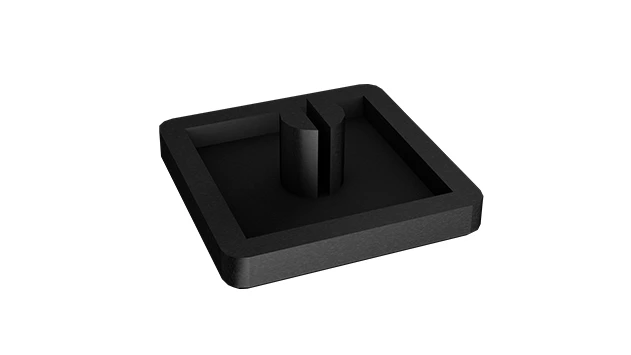
2020 Aluminum Profile End Cap
The aluminum profile end cap adds a finishing touch to your project and closes off profile ends to limit dust and debris buildup, also it can avaid some scratch for material and labor during the assemble work.
Walk through any bustling production facility, and you'll likely spot rows of Material Rack B (3 row and 3 floor) standing tall, holding everything from raw materials to finished products. These racks are the unsung heroes of lean systems, keeping workflows organized, materials accessible, and operations running like well-oiled machines. But even the sturdiest rack has a hidden vulnerability: the exposed ends of its aluminum profile frames. Sharp, unprotected edges can turn a reliable storage solution into a hazard for workers and a risk to the materials it's meant to safeguard. That's where 2020 aluminum profile end caps come in—small, unassuming aluminum profile accessories that pack a big punch when it comes to safety and protection.
The Backbone of Lean Systems: Material Rack B (3 Row and 3 Floor)
Before diving into the world of end caps, let's take a moment to appreciate the star of the show: Material Rack B (3 row and 3 floor). In lean manufacturing, where efficiency and organization are king, this rack is a workhorse. Its three rows and three floors maximize vertical space, reducing clutter on the factory floor and ensuring materials are within arm's reach of assembly lines. Whether it's holding metal components for production assemble or plastic parts for packaging, Material Rack B is designed to keep workflows smooth and uninterrupted.
But what makes Material Rack B so effective? Much of its strength lies in its construction: aluminum profile frames. Aluminum extrusion profiles are lightweight yet durable, resistant to corrosion, and easy to customize—perfect for building sturdy racks that can withstand the daily grind of a busy facility. The 2020 aluminum profile, in particular, is a popular choice for these racks, with its 20x20mm dimensions offering a balance of strength and flexibility. However, every aluminum profile has an Achilles' heel: its cut ends. When the profiles are sawed to length during manufacturing, they leave behind sharp, jagged edges that can catch on gloves, clothing, or even skin.
The Hidden Dangers of Exposed Aluminum Profile Ends
To understand why 2020 aluminum profile end caps are non-negotiable, let's first unpack the risks of leaving aluminum profile ends exposed. Imagine a warehouse worker rushing to grab a box from the top shelf of Material Rack B. As they reach up, their forearm brushes against the end of an exposed aluminum profile. A split second later, they're nursing a deep scratch—minor, maybe, but painful. Or consider a delicate electronic component sliding off a shelf and hitting an unprotected edge, leaving a gash that renders it useless. These aren't just hypothetical scenarios; they're daily risks in facilities that overlook the importance of edge protection.
The dangers go beyond cuts and scrapes. Over time, exposed ends can also damage the materials stored on the rack. Fabrics, plastics, and even metal parts can get snagged or scratched, reducing their quality or rendering them unsellable. Dust, dirt, and moisture can also seep into the hollow ends of the aluminum profiles, leading to internal corrosion and weakening the rack's structural integrity. In a lean system, where waste reduction is critical, these small issues add up—costing time, money, and productivity.

Enter the 2020 Aluminum Profile End Cap: A Small Solution with Big Impact
If exposed aluminum profile ends are the problem, 2020 aluminum profile end caps are the solution. These unassuming accessories are designed to slip over the ends of 20x20mm aluminum profiles, transforming sharp edges into smooth, safe surfaces. Made from durable materials like nylon or rubber, they're built to withstand the rigors of industrial use—resisting impacts, chemicals, and temperature fluctuations without cracking or degrading.
What sets 2020 aluminum profile end caps apart? It's all in the details. Most are designed with a snap-on, tool-free installation: simply align the cap with the profile end, press firmly, and listen for the satisfying "click" that signals a secure fit. No screws, no adhesives, no hassle. Inside, many end caps feature ribbed or textured interiors that grip the aluminum profile tightly, preventing slippage even during heavy use. Some models even come with UV-resistant properties, ensuring they won't fade or become brittle when exposed to sunlight—ideal for racks near windows or in outdoor storage areas.

The Benefits of Upgrading to 2020 Aluminum Profile End Caps
Investing in 2020 aluminum profile end caps for your Material Rack B isn't just about checking a safety box—it's about protecting your team, your materials, and your bottom line. Let's break down the key benefits:
1. Enhanced Worker Safety
The most obvious advantage is safety. By covering sharp edges, end caps drastically reduce the risk of lacerations, scrapes, and puncture wounds. In a busy facility, where workers are constantly moving around racks, reaching for items, or cleaning, this simple upgrade can mean the difference between a productive day and a trip to the first-aid station. OSHA estimates that workplace injuries from "struck-by" or "caught-between" hazards cost businesses billions annually in medical bills, lost productivity, and workers' compensation claims. 2020 aluminum profile end caps are a cost-effective way to mitigate these risks.
2. Protection for Materials and Products
Material Rack B is meant to protect the items it stores, not damage them. Exposed aluminum edges can scratch delicate surfaces, tear packaging, or even dent metal components. 2020 end caps act as a buffer, absorbing impacts and preventing direct contact between stored items and sharp profile ends. This is especially critical for industries like electronics, where even a small scratch can compromise a product's functionality, or pharmaceuticals, where sterile packaging must remain intact.
3. Extended Rack Lifespan
Aluminum profiles are durable, but they're not invincible. Exposed ends can collect dust, moisture, and debris, which over time can lead to internal corrosion or weakening of the profile's structure. End caps seal off these open ends, keeping out contaminants and preserving the rack's integrity. This means your Material Rack B will last longer, reducing the need for costly replacements and downtime.
4. Improved Aesthetics and Professionalism
Let's not overlook the little things: a rack with clean, capped ends looks more polished and professional than one with ragged, exposed edges. This might seem minor, but in industries where clients or auditors visit facilities, presentation matters. Neatly capped racks signal that you care about (details)—a trait that builds trust with partners and customers alike.
How 2020 Aluminum Profile End Caps Compare to Other Options
Not all edge protection is created equal. While 2020 aluminum profile end caps are a top choice, it's helpful to see how they stack up against other common solutions. The table below compares 2020 nylon end caps with generic plastic caps and stainless steel caps, highlighting key factors like safety, durability, and cost.
| Feature | 2020 Aluminum Profile End Cap (Nylon) | Generic Plastic End Cap | Stainless Steel End Cap |
|---|---|---|---|
| Material | High-density nylon (flexible, impact-resistant) | Low-grade plastic (rigid, prone to cracking) | Stainless steel (hard, non-flexible) |
| Installation | Tool-free snap-on design; "click" fit for secure attachment | May require adhesive or screws; loose fit common | Requires screws or welding; difficult to align |
| Safety (Edge Protection) | Excellent—soft, rounded edges absorb impact | Poor—rigid plastic can still have sharp edges if cracked | Fair—smooth but cold to touch; no impact absorption |
| Durability | Resistant to wear, chemicals, and UV rays; lasts 5+ years | Prone to cracking in extreme temperatures; lasts 1–2 years | Highly durable but can dent; lasts 10+ years |
| Compatibility with 2020 Aluminum Profile | Designed specifically for 20x20mm profiles; perfect fit | One-size-fits-all; may be too loose or tight | Requires precise sizing; often requires custom machining |
| Cost | Moderate ($0.50–$1.50 per cap) | Low ($0.20–$0.50 per cap) | High ($3.00–$5.00 per cap) |
As the table shows, 2020 aluminum profile end caps strike the perfect balance between safety, durability, and affordability. Generic plastic caps may save money upfront, but their short lifespan and poor fit make them a false economy. Stainless steel caps, while durable, are expensive and cumbersome to install—overkill for most Material Rack B applications. Nylon end caps offer the best of all worlds: reliable protection, easy installation, and long-term value.
Installing 2020 Aluminum Profile End Caps: A Step-by-Step Guide
Worried that installing end caps will take hours of downtime? Think again. These accessories are designed for quick, hassle-free installation—no special tools or technical expertise required. Here's how to do it:
- Prepare the Profile Ends: Start by cleaning the exposed ends of your 2020 aluminum profile. Wipe away dust, grease, or debris with a dry cloth or mild cleaning solution. This ensures the end cap will adhere properly and stay in place.
- Align the End Cap: Take a 2020 aluminum profile end cap and align its opening with the profile end. Check that the cap's interior ribs or tabs match the profile's shape—most caps are designed to fit only one way, so you'll know if it's upside down.
- Press Firmly: Using your thumb and forefinger, press the end cap onto the profile with steady, even pressure. You should feel it start to slide on, and after a few seconds, you'll hear a "click" as the cap locks into place. If it's tight, try gently twisting as you press—this can help the cap seat properly.
- Test for Security: Once installed, give the end cap a gentle tug to ensure it doesn't come loose. It should stay firmly in place. If it slips off, check for debris on the profile end or damage to the cap's interior—you may need to try a new cap.
- Repeat: Continue until all exposed ends on your Material Rack B are capped. For a 3 row and 3 floor rack, this might take 10–15 minutes total—time well spent for the safety and protection it provides.
Pro tip: Keep a few extra end caps on hand in your maintenance closet. Over time, caps may wear out or get knocked off during heavy use, and having replacements ready means you can fix issues immediately, rather than leaving profiles exposed.
Maintaining Your 2020 Aluminum Profile End Caps
Like any industrial accessory, 2020 aluminum profile end caps need a little care to stay effective. Here's how to keep them in top shape:
- Monthly Inspections: During routine facility checks, take a moment to inspect the end caps on your Material Rack B. Look for cracks, tears, or looseness—these are signs a cap needs replacing. Pay extra attention to caps in high-traffic areas, as they'll wear out faster.
- Clean Regularly: Dirt and grime can build up on end caps over time, making them look worn and potentially weakening their grip. Wipe them down with a damp cloth and mild soap every few months; avoid harsh chemicals like bleach, which can degrade the plastic.
- replace Promptly: If you notice a damaged or missing end cap, replace it right away. Even a single exposed profile end can pose a risk, so don't delay.
- Store Spares Properly: Keep extra end caps in a cool, dry place away from direct sunlight. Extreme heat or UV exposure can cause plastic to become brittle, so avoid storing them near windows or heaters.
Why 2020 Aluminum Profile End Caps Are a Must for Lean Systems
In lean manufacturing, every component has a purpose—no space, time, or resource is wasted. 2020 aluminum profile end caps fit perfectly into this philosophy. They're a low-cost, high-impact solution that prevents waste (in the form of injured workers, damaged materials, or rack repairs) while keeping workflows efficient.
Think about it: a worker who pauses to bandage a cut is a worker not assembling products. A scratched component that needs rework is a product not shipping on time. A rack that fails prematurely due to corrosion is a capital expense that could have been avoided. By investing in end caps, you're investing in the smooth, uninterrupted flow that makes lean systems successful.
Plus, 2020 aluminum profile end caps are compatible with other lean system components, like flow racks and conveyors. If your Material Rack B feeds into a flow rack, capped ends ensure materials glide smoothly from the rack to the production line without snagging. It's these small, interconnected details that turn a good lean system into a great one.
Final Thoughts: Small Caps, Big Difference
At first glance, 2020 aluminum profile end caps might seem like an afterthought—tiny pieces of plastic that hardly warrant attention. But in the world of manufacturing and warehousing, it's often the smallest components that make the biggest difference. For Material Rack B (3 row and 3 floor), these caps are the unsung guardians of safety, protecting workers from injury and materials from damage.
Whether you're setting up a new lean system or upgrading an existing one, don't overlook the importance of edge protection. 2020 aluminum profile end caps are affordable, easy to install, and built to last—qualities that make them a smart investment for any facility. So the next time you walk past your Material Rack B, take a closer look at those exposed ends. Then, do yourself, your team, and your bottom line a favor: cap them.
After all, in lean manufacturing, success is in the details—and 2020 aluminum profile end caps are one detail that shouldn't be missed.