- Company Articles
- Products and Technology
- Product knowledge
- 2020 Aluminum Profile End Caps for Mechanical Machining Centers

2020 Aluminum Profile End Caps for Mechanical Machining Centers
Related Product
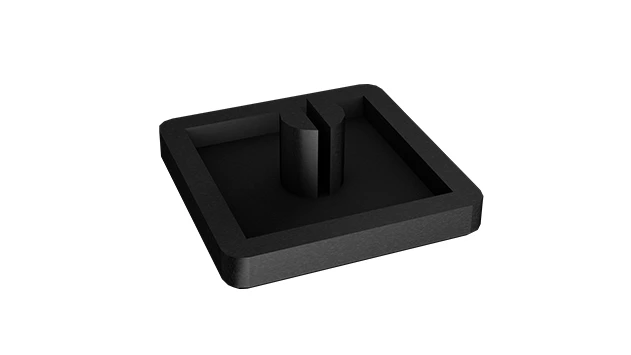
2020 Aluminum Profile End Cap
The aluminum profile end cap adds a finishing touch to your project and closes off profile ends to limit dust and debris buildup, also it can avaid some scratch for material and labor during the assemble work.
Walk into any modern mechanical machining center, and you'll likely be surrounded by a symphony of precision: the hum of lathes, the whir of mills, and the steady rhythm of automated systems working in harmony. But if you take a closer look at the structures that hold these operations together—from workbenches and material racks to conveyor frames and assembly stations—you'll notice something small yet surprisingly critical: aluminum extrusion profiles. These lightweight, versatile structures form the backbone of countless industrial setups, offering durability, flexibility, and easy customization. And among the many components that make these profiles functional, one often-overlooked hero stands out: the 2020 aluminum profile end cap. In this article, we'll dive deep into why these unassuming accessories matter, how they enhance machining center efficiency, and what you need to know to choose the right ones for your setup.
Understanding Aluminum Extrusion Profiles in Machining Centers
Before we zoom in on end caps, let's start with the foundation: aluminum extrusion profiles. If you've ever worked with modular workstations, conveyor systems, or machine guards, you've probably handled these profiles without even realizing it. Aluminum extrusion is a manufacturing process where aluminum alloy is forced through a die to create long, uniform shapes—think of it like squeezing toothpaste out of a tube, but with industrial-grade precision. The result? Profiles with consistent cross-sections, including the T-slots that make them so valuable in machining settings.
Why aluminum, you might ask? For machining centers, the answer is simple: aluminum checks all the boxes. It's lightweight, making it easy to assemble and reconfigure workstations without sacrificing stability. It's corrosion-resistant, crucial in environments where coolants, lubricants, or metal chips might otherwise eat away at steel. And it's highly customizable—extruders can create profiles in nearly any shape, from simple squares to complex geometries with built-in channels or mounting points. This flexibility is why aluminum extrusion profiles have become the go-to choice for everything from workbench frames to material handling racks.
Among the most common profiles in machining centers is the 2020 aluminum profile. Named for its dimensions—20mm by 20mm—this compact profile punches above its weight. It's small enough to fit into tight spaces yet sturdy enough to support tools, parts, and even light machinery. You'll find 2020 profiles in applications like small workbenches, electronic component racks, test fixtures, and lightweight conveyor rails. Its T-slots, typically 6mm or 8mm wide, allow for quick attachment of brackets, connectors, and accessories, making it a favorite for modular setups that need to adapt to changing production needs.
The Role of End Caps: More Than Just a "Finishing Touch"
Now, let's talk about the star of the show: the 2020 aluminum profile end cap. At first glance, it might seem like a trivial accessory—a small cap that snaps onto the end of a profile. But anyone who's spent time maintaining machining equipment knows better. End caps play a surprisingly vital role in keeping profiles functional, safe, and long-lasting. Let's break down their key functions:
Safety First: Eliminating Sharp Edges
Aluminum extrusion profiles, for all their benefits, have one minor flaw: their raw, cut ends can be sharp. When a profile is cut to length (as it almost always is during assembly), the saw or shear leaves a rough, sometimes jagged edge. In a busy machining center, where workers are constantly moving parts, adjusting equipment, or cleaning work areas, these sharp edges pose a real risk of cuts or scrapes. Enter the end cap: by covering the exposed end of the profile, it transforms a potential hazard into a smooth, safe surface. This might seem like a small detail, but in high-traffic areas, it's the kind of safety measure that prevents unnecessary injuries and keeps workflows uninterrupted.
Debris Prevention: Protecting T-Slots and Internal Channels
If you've ever tried to slide a bracket into a T-slot only to find it jammed with metal chips, dust, or coolant residue, you know how frustrating debris can be. T-slots are the lifeblood of aluminum profiles—they're where you attach accessories, secure shelves, or mount tools. But when left uncovered, their open ends act like tiny funnels, collecting everything from machining swarf to dirt and grime. Over time, this buildup can corrode the slot, hinder adjustability, or even damage accessories. 2020 aluminum profile end caps seal off these open ends, acting as a barrier against debris. By keeping T-slots clean, they ensure that your profiles remain easy to reconfigure and your accessories (like brackets, clamps, or sliding rails) work smoothly for years.
Structural Protection: Extending Profile Lifespan
Machining centers are tough environments. Profiles get bumped by carts, knocked by tools, or even dropped during reconfiguration. Without end caps, the exposed ends of 2020 profiles are vulnerable to dents, cracks, or bending. A small impact might not seem like a big deal, but over time, repeated damage can weaken the profile's structural integrity—especially at the corners, where stress tends to concentrate. End caps act as a buffer, absorbing minor impacts and distributing force across the profile's end. This simple protection can significantly extend the lifespan of your aluminum structures, saving you the cost and hassle of replacing bent or damaged profiles.
Aesthetic and Organizational Benefits
Let's not overlook the "little things" that make a big difference in workplace morale and efficiency: aesthetics. A machining center with exposed, raw profile ends looks unfinished and unprofessional. End caps give your setups a clean, polished appearance, which might seem trivial until you consider how much time workers spend in these spaces. A tidy, well-organized environment reduces visual clutter, making it easier to focus and lowering stress levels. Plus, colored end caps (yes, they come in more than just plain black or white!) can help with organization—use red for safety zones, blue for tool storage, or yellow for high-traffic areas. It's a simple way to add visual cues that streamline workflows.

Types of 2020 Aluminum Profile End Caps: Choosing the Right Fit
Not all end caps are created equal. Just as 2020 aluminum profiles come in different configurations, so do their end caps. The key is to match the end cap to your specific needs—whether that's durability, ease of installation, or compatibility with other aluminum profile accessories. Let's break down the most common types by material, design, and function.
By Material: Plastic vs. Aluminum End Caps
The first decision you'll face is material. Most 2020 aluminum profile end caps are made from either plastic or aluminum, each with its own strengths:
Plastic End Caps: These are the most common and budget-friendly option. Typically made from PVC, nylon, or polypropylene, plastic end caps are lightweight, corrosion-resistant, and available in a range of colors. They're easy to install—most snap or slip into place without tools—and they're gentle on the profile, won't scratch the aluminum surface. Plastic is also a good insulator, making these end caps ideal for profiles near electrical components. The downside? They're less durable than aluminum. In high-impact areas or environments with extreme temperatures, plastic end caps might crack or warp over time. For low-to-medium use applications like light workbenches or storage racks, though, they're hard to beat.
Aluminum End Caps: For heavy-duty use, aluminum end caps are the way to go. Made from the same alloy as the profiles themselves, they offer unmatched durability and a seamless, integrated look. They're resistant to impacts, temperature extremes, and chemical exposure—perfect for machining centers with harsh conditions (think coolant splashes or high-temperature zones). Aluminum end caps often feature a tighter fit, thanks to precision machining, and some even come with threaded holes for mounting small components like labels or sensors. The tradeoff? They're heavier, more expensive, and can scratch the profile if not installed carefully. They're best suited for high-traffic areas, load-bearing structures, or setups where aesthetics and longevity are top priorities.
By Design: Installation and Fit
Next, consider how the end cap attaches to the profile. The right design can save you time during assembly and ensure a secure fit:
Slip-On End Caps: As the name suggests, these simply slide onto the end of the profile. They're the easiest to install—no tools required—and are great for temporary setups or profiles that need frequent reconfiguration. However, they rely on friction to stay in place, so they might fall off if the profile is jostled or inverted. Look for slip-on caps with ribbed interiors or slightly tapered designs, which grip the profile more securely.
Snap-Fit End Caps: These take slip-on caps a step further with a flexible, spring-like design that "snaps" into the profile's T-slots or inner edges. Once in place, they stay put even with moderate vibration or movement. Snap-fit caps are popular for permanent or semi-permanent setups, as they balance ease of installation with security. Just be sure to check the profile's T-slot size—some snap-fit caps are designed for specific slot widths (e.g., 6mm vs. 8mm).
Threaded End Caps: For the ultimate in security, threaded end caps screw into the profile's end. These are rare for 2020 profiles (since most aren't pre-threaded), but they're useful for custom applications where you need to mount the profile vertically or upside down. You'll often see them paired with threaded inserts, which are glued or pressed into the profile before adding the end cap.
A Quick Comparison: End Cap Types at a Glance
| End Cap Type | Material | Installation Method | Best For | Durability | Cost |
|---|---|---|---|---|---|
| Slip-On Plastic | PVC/Nylon | Slide into place (no tools) | Light use, temporary setups | Low-Medium | Low |
| Snap-Fit Plastic | Polypropylene | Snap into T-slots/edges | Semi-permanent workstations | Medium | Medium-Low |
| Slip-On Aluminum | Aluminum Alloy | Slide into place (tight fit) | Heavy-impact areas | High | Medium-High |
| Threaded Aluminum | Aluminum Alloy | Screw into threaded inserts | Vertical/inverted profiles | Very High | High |

Installing 2020 Aluminum Profile End Caps: Tips for a Secure, Long-Lasting Fit
Even the best end cap won't perform well if it's installed incorrectly. Fortunately, installing 2020 aluminum profile end caps is a straightforward process—with a few pro tips to ensure a snug, reliable fit. Here's a step-by-step guide:
Step 1: Prepare the Profile End
Before installing the end cap, take a minute to clean and inspect the profile's end. Use a deburring tool or sandpaper to smooth any sharp edges or burrs left from cutting—this not only makes installation easier but also prevents the end cap from tearing or cracking during fitting. Wipe the end with a clean cloth to remove dust, oil, or debris, which can interfere with the cap's grip. If the profile has been used before, check for dents or warping; a damaged end might prevent the cap from seating properly, so you may need to straighten the profile first (or replace it if the damage is severe).
Step 2: Choose the Right End Cap Size
This might seem obvious, but it's worth emphasizing: 2020 aluminum profiles have a nominal size of 20mm x 20mm, but actual dimensions can vary slightly by manufacturer (due to tolerances in the extrusion process). A cap that's too small won't fit; one that's too large will fall off. Always check the end cap's specifications to ensure it's designed for 2020 profiles. If you're unsure, test-fit one cap before buying in bulk—most suppliers offer sample packs for this reason.
Step 3: Install the End Cap
The installation method depends on the cap type:
- Slip-On Caps: Align the cap with the profile's end, making sure it's centered. Apply gentle, even pressure to push it into place. If it's tight, try warming the plastic cap slightly (with a hair dryer, not an open flame) to soften the material—just be careful not to overheat it. For aluminum slip-on caps, tapping lightly with a rubber mallet (never a metal hammer!) can help seat it fully.
- Snap-Fit Caps: Start by aligning the cap with one edge of the profile, then press firmly until you hear a "snap"—this means the cap's tabs have engaged with the T-slots or inner edges. For a tighter fit, you can apply a small amount of industrial-grade adhesive (like cyanoacrylate) to the cap's interior before snapping it on—just be sure the adhesive is compatible with both the cap material and the aluminum profile.
- Threaded Caps: If your profile has pre-threaded inserts, simply screw the cap into place until it's snug. If not, you'll need to install inserts first (use a tap to create threads or press-fit threaded bushings into the profile's end). Apply a drop of thread locker (like Loctite) to prevent the cap from loosening due to vibration.
Step 4: Test the Fit
After installation, give the end cap a gentle tug to ensure it's secure. It should not slide or pop off easily. If it does, check for debris, misalignment, or a mismatched size. For slip-on caps that won't stay put, a thin layer of double-sided foam tape (applied to the cap's interior) can add extra grip without damaging the profile.
Common Issues with 2020 Aluminum Profile End Caps (and How to Solve Them)
Even with careful installation, you might run into issues with end caps over time. Here are the most common problems and how to fix them:
Issue 1: End Caps Falling Off
The top complaint? End caps that work themselves loose, especially in high-vibration areas like near machinery or conveyor belts. The fix depends on the cap type: for slip-on plastic caps, try switching to a snap-fit design or adding a dab of adhesive. For aluminum caps, ensure they're fully seated—if they still slip, wrap a thin layer of Teflon tape around the profile end before reinstalling to increase friction.
Issue 2: Cracking or Warping
Plastic end caps can crack in cold environments or warp in high heat. If you notice cracks, replace the cap immediately—even small cracks can let debris into the profile. To prevent warping, choose heat-resistant plastics like polypropylene for high-temperature areas, or switch to aluminum caps if heat is a persistent issue.
Issue 3: Difficulty Removing Caps (When You Need To)
Sometimes you need to remove end caps—for example, to reconfigure a workstation or access the T-slot for a new accessory. If a cap is stuck, try prying it gently with a flathead screwdriver (wrapped in tape to avoid scratching the profile). For threaded caps that are seized, apply a penetrating oil (like WD-40) and let it sit for 10 minutes before unscrewing.
The Bigger Picture: 2020 Aluminum Profile End Caps as Part of Your Aluminum Profile Accessories Ecosystem
End caps don't exist in a vacuum—they're part of a larger ecosystem of aluminum profile accessories that make your machining center run smoothly. From brackets and connectors to hinges and casters, every component plays a role in creating a functional, flexible workspace. End caps might be small, but they complement these accessories by ensuring the profiles themselves remain in top condition. For example, a 2020 profile with a loose end cap could cause a bracket to misalign or a caster to wobble—throwing off the entire system. By investing in quality end caps, you're protecting not just the profile, but all the accessories attached to it.
This synergy is why reputable suppliers offer end caps alongside other aluminum profile accessories. When you source from a single supplier, you can ensure compatibility—for example, a 2020 end cap that fits perfectly with their 2020 profiles and T-slot nuts. It also simplifies ordering and reduces the risk of mismatched components. So when you're shopping for end caps, take a moment to check out the supplier's full range of accessories—you might find other parts that can enhance your setup, from corner brackets to cable management clips.
Future Trends: What's Next for 2020 Aluminum Profile End Caps?
As machining centers evolve toward smarter, more connected operations, even small components like end caps are getting upgrades. Here are a few trends to watch:
Smart End Caps with Integrated Sensors
Imagine an end cap with a built-in RFID tag or proximity sensor that tracks when a workstation is in use, or alerts maintenance when a profile is moved or damaged. While still in the early stages, smart end caps could add a new layer of visibility to machining center workflows—all without adding bulk to the profile.
Eco-Friendly Materials
Sustainability is a growing priority in manufacturing, and end caps are no exception. Look for suppliers using recycled plastics or biodegradable materials for plastic caps, or aluminum caps made from high-recycled-content alloys. Some companies are even experimenting with plant-based polymers that offer the same durability as traditional plastics but with a lower environmental footprint.
Customization Options
As machining centers become more specialized, so too will end caps. Expect to see more options for custom colors (to match company branding or safety standards), embossed logos, or even custom shapes for unique profile designs. 3D printing could play a role here, allowing for small-batch, on-demand end caps tailored to specific applications.
Conclusion: Don't Overlook the Small Stuff
In the fast-paced world of mechanical machining centers, it's easy to focus on big-ticket items like CNC machines or automated systems. But as we've explored, the small components often have the biggest impact on efficiency, safety, and longevity. 2020 aluminum profile end caps might not grab headlines, but they're a testament to the idea that every detail matters. From protecting workers and equipment to keeping workflows smooth and setups looking professional, these unassuming accessories punch well above their weight.
So the next time you're assembling a workstation, upgrading a conveyor, or building a new material rack, take a moment to consider the end caps. Choose the right material, ensure a snug fit, and source from a reputable supplier. Your profiles (and your team) will thank you. After all, in machining, precision isn't just about the tools—it's about the entire ecosystem, right down to the smallest accessory.