- Company Articles
- Products and Technology
- Product knowledge
- 2020 Aluminum Profile End Caps for Medical Device Stands: Safety Features

2020 Aluminum Profile End Caps for Medical Device Stands: Safety Features
Related Product
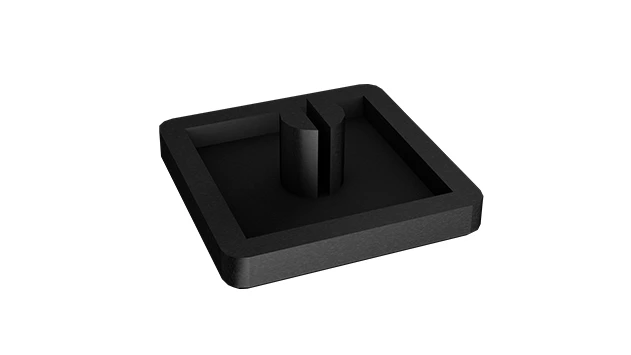
2020 Aluminum Profile End Cap
The aluminum profile end cap adds a finishing touch to your project and closes off profile ends to limit dust and debris buildup, also it can avaid some scratch for material and labor during the assemble work.
Walk into any hospital, clinic, or medical lab, and you'll notice a silent army of unsung heroes: the stands holding IV pumps, heart monitors, mobile ultrasound machines, and more. These stands don't just keep equipment off the floor—they're lifelines, ensuring critical tools are where they need to be, when they need to be there. But here's the thing: safety isn't just about the device working perfectly. It's about every part of that stand, right down to the tiny components you might not even notice. Today, we're shining a spotlight on one of those components: 2020 aluminum profile end caps . These small, unassuming caps play a huge role in keeping medical environments safe—and here's why they matter.
Why Safety in Medical Device Stands Can't Be Overlooked
When you think about medical safety, your mind probably goes to sterile gloves, sanitized surfaces, or precise dosages. But the stands holding the equipment? They're just as critical. A wobbly stand could tip, sending an IV pump crashing. A sharp edge could cut a nurse's hand during a shift. A gap in the frame could trap dust and germs, turning a clean workspace into a hidden breeding ground for bacteria. In healthcare, where every detail impacts patient and staff well-being, there's no room for "good enough"—especially when it comes to the tools that support life-saving care.
That's where aluminum profile comes in. For decades, aluminum has been the material of choice for medical device stands, and it's easy to see why. It's lightweight, so nurses and technicians can move stands quickly without straining. It's strong, able to support heavy equipment without bending or warping. And it's corrosion-resistant, standing up to daily wipe-downs with harsh disinfectants—no rust, no degradation, just reliable performance. But not all aluminum profiles are created equal. In medical settings, one size has emerged as a workhorse: the 2020 aluminum profile.
What Makes 2020 Aluminum Profile Ideal for Medical Stands?
The "2020" in 2020 aluminum profile refers to its cross-sectional dimensions: 20mm by 20mm. At first glance, that might seem arbitrary, but it's actually a sweet spot for medical applications. Let's break it down: 20mm is compact enough to fit in tight spaces—think between hospital beds, in crowded exam rooms, or alongside patient stretchers—without sacrificing stability. It's also versatile: you can build everything from simple IV poles to complex, multi-tiered workstations using the same aluminum extrusion profile system. Extrusion, by the way, is the process that makes these profiles so reliable. By pushing molten aluminum through a die, manufacturers create consistent, hollow shapes with smooth surfaces and uniform strength. No weak spots, no inconsistencies—just a solid base for medical stands.
But here's the catch: aluminum extrusion leaves the ends of the profile open. Imagine a hollow metal tube—without a cap, those open ends are a problem. Sharp edges from cutting the profile to length. Gaps where dust, lint, or liquids can seep in. A risk of the profile itself getting damaged if something bumps into the end. That's where 2020 aluminum profile end caps step in. They're the final piece of the puzzle, turning a functional frame into a safe, sanitary, and durable part of the medical environment.

The Safety Features That Make 2020 Aluminum Profile End Caps Essential
Let's get specific: what exactly do these end caps do to boost safety? It's not just about "covering a hole." These caps are engineered with purpose, addressing key risks in medical settings. Let's break down their top safety features.
1. Edge Rounding: No More Sharp Surprises
Even with precise extrusion, cutting an aluminum profile to length can leave tiny burrs or slightly sharp edges on the end. Run your hand along an uncovered 2020 profile end, and you might get a small cut or scrape. In a busy medical setting, where staff are handling stands dozens of times a day—adjusting heights, moving equipment, cleaning surfaces—those small injuries add up. They can irritate skin, create entry points for bacteria, or even distract a caregiver mid-task. 2020 aluminum profile end caps eliminate this risk by covering those edges with a smooth, rounded surface. Whether made of plastic, rubber, or silicone, the cap's design ensures there are no sharp points. Think of it like a protective bumper for the profile—soft, safe, and ready for daily use.
2. Snug, Secure Fit: No Gaps, No Debris
A loose end cap is worse than no end cap at all. If it falls off, you're back to exposed edges. But even a slightly wobbly cap creates problems: gaps where dust, lint, or liquids can sneak into the profile's hollow interior. In a medical environment, where sterility is non-negotiable, those hidden spaces become nightmares. Bacteria love dark, hard-to-clean corners, and trying to sanitize the inside of a narrow aluminum channel? It's nearly impossible. High-quality 2020 aluminum profile end caps are designed to fit like a glove. Most use a press-fit design—snap them into place, and they stay put, thanks to ridges or notches that grip the profile's inner walls. Some even come with adhesive backing for extra security. The result? A tight seal that keeps debris out and peace of mind in.
3. Chemical Resistance: Standing Up to Harsh Cleaners
Medical stands don't just get "cleaned"—they get disinfected . Daily wipe-downs with bleach, alcohol, quaternary ammonium compounds, or hydrogen peroxide are standard to kill germs. But those chemicals are tough on materials. A cheap end cap might crack, discolor, or even leach harmful substances after repeated exposure. 2020 aluminum profile end caps are made from materials that laugh off these cleaners. ABS plastic, polypropylene, rubber, and silicone—all common end cap materials—are tested to resist degradation from medical-grade disinfectants. That means the cap stays intact, the seal remains tight, and there's no risk of chemicals seeping into the environment or the profile itself.
4. Durability: Built to Last in Busy Environments
Medical device stands take a beating. They're wheeled down corridors, bumped into walls, loaded with heavy equipment, and adjusted constantly. A flimsy end cap that cracks or falls off after a month of use isn't just a hassle—it's a safety risk. That's why durability is a key feature of quality 2020 aluminum profile end caps. ABS plastic end caps resist impacts, rubber ones absorb shocks, and silicone ones stand up to temperature extremes (like near autoclaves). These caps are built to last, so you don't have to worry about replacing them constantly—and you don't have to risk exposed edges in the meantime.

Choosing the Right Material: Plastic, Rubber, or Silicone?
Not all 2020 aluminum profile end caps are the same. The material matters, and the best choice depends on your stand's use case. Let's compare the three most common options:
| Material | Key Safety Features | Best For | Compliance Notes |
|---|---|---|---|
| ABS Plastic | Smooth edge rounding, excellent chemical resistance, tight press-fit design, easy to sanitize. | General medical stands (IV poles, monitors, basic workstations) in high-traffic areas. | Meets ISO 13485 standards; often FDA-compliant for indirect food/skin contact. |
| Rubber | Flexible seal (blocks debris), shock absorption (resists impacts), non-slip surface. | Stands in busy corridors or pediatric wards (where bumps are common) or near patient beds. | Check chemical compatibility with facility disinfectants; may not suit all harsh cleaners. |
| Silicone | High heat resistance, biocompatibility (non-toxic), UV/oxidation resistance, ESD protection (in conductive versions). | Sterile environments, stands near autoclaves, or patient-contact areas (e.g., neonatal units). | FDA Class VI certified (safe for direct patient contact); ideal for sensitive or critical care settings. |
Installation & Maintenance: Keeping End Caps Effective
Even the best end cap won't work if it's installed wrong. Here's how to ensure a secure, long-lasting fit:
- Prep the profile end first: Before installing, wipe the end of the 2020 aluminum profile with a lint-free cloth to remove dust or debris. If there are any burrs from cutting, gently file them down with a deburring tool—even a small rough spot can prevent the end cap from seating properly.
- Press firmly and evenly: Most end caps are press-fit, meaning you push them into place until they "snap." Apply even pressure around the edges to avoid misalignment. If it feels loose after installing, don't force it—remove it, check for debris, and try again. A properly installed cap shouldn't wiggle or fall off when gently tugged.
- Inspect regularly: Add end caps to your stand maintenance checklist. Every few months (or more often for high-use stands), check for cracks, looseness, or discoloration. If a cap is damaged, replace it immediately—don't wait for it to fall off. Remember: a missing cap puts staff and patients at risk.
Compliance: Why It Matters for Medical Settings
In healthcare, "good enough" isn't enough—regulations exist to protect patients and staff, and 2020 aluminum profile end caps are no exception. Reputable manufacturers design their end caps to meet strict standards like ISO 13485 (which ensures quality management in medical device production) and FDA guidelines for materials used in healthcare. For example, silicone end caps used in patient-contact areas often carry FDA Class VI certification, proving they're non-toxic and won't cause allergic reactions. ABS plastic caps, meanwhile, are tested to ensure they don't leach chemicals when exposed to disinfectants. Choosing end caps from a trusted aluminum profile supplier who can provide compliance documentation isn't just about following rules—it's about ensuring the products you use are safe by design.
Real-World Impact: How End Caps Protect Daily
Let's ground this in reality with a quick example. Imagine a busy emergency room. A nurse rushes to adjust an IV stand for a critical patient, her hands full of supplies. As she grabs the stand, her arm brushes against the frame—and thanks to the 2020 aluminum profile end cap, there's no cut, no distraction. Later, a cleaning crew wipes down the stand with a bleach-based disinfectant; the ABS end cap resists the chemical, no cracking or fading. That night, a maintenance tech checks the stand and notices one end cap is slightly loose—they replace it on the spot, ensuring no exposed edges overnight. These small moments add up to a safer environment for everyone.
Conclusion: Small Caps, Big Safety Wins
2020 aluminum profile end caps might be small, but their impact on medical device stand safety is huge. They protect against cuts, block debris, resist harsh chemicals, and ensure compliance with life-saving regulations. Whether you're outfitting a new clinic or upgrading existing stands, don't overlook these unsung heroes. Choose the right material, install them properly, and inspect regularly—and you'll be taking a big step toward keeping patients, staff, and equipment safe.
After all, in healthcare, safety isn't about the flashy innovations—it's about getting the small things right. And when it comes to 2020 aluminum profile end caps, "right" means safer, cleaner, and more reliable care for everyone.