- Company Articles
- Products and Technology
- Product knowledge
- 2020 Aluminum Profile End Caps in Automotive Assembly: Efficiency Boosters

2020 Aluminum Profile End Caps in Automotive Assembly: Efficiency Boosters
Related Product
2020 Aluminum Profile End Cap
The aluminum profile end cap adds a finishing touch to your project and closes off profile ends to limit dust and debris buildup, also it can avaid some scratch for material and labor during the assemble work.
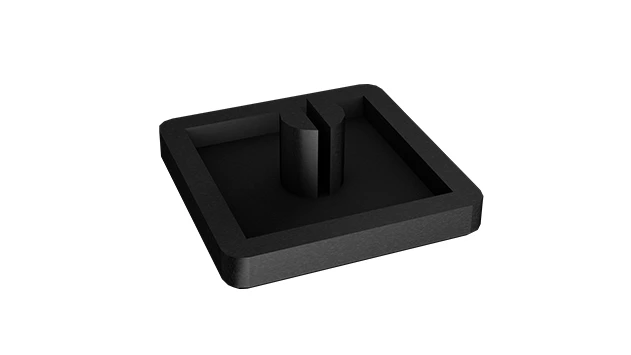
In the high-stakes world of automotive assembly, where every second counts and precision is non-negotiable, the difference between a smooth production line and a bottleneck often lies in the details. Think about it: a single misaligned component, a loose fastener, or even an unprotected edge can disrupt workflows, slow down operators, and compromise safety. While much attention is paid to large machinery and advanced robotics, there's a quiet hero working behind the scenes—one that's small in size but massive in impact. Enter the 2020 aluminum profile end cap . These unassuming accessories, designed to fit snugly onto the ends of aluminum extrusion profiles , are redefining efficiency in automotive manufacturing. In this article, we'll dive into how these tiny components are not just add-ons, but essential tools that align with lean system principles, enhance workplace safety, and keep assembly lines running at peak performance.
Understanding the Basics: 2020 Aluminum Profiles and Their End Caps
Before we explore the role of end caps, let's first get to know the star of the show: the 2020 aluminum profile. Named for its dimensions—20mm in width and 20mm in height—this lightweight yet robust extrusion is a staple in modern manufacturing. Crafted through a precision extrusion process, it features T-slots along its length, allowing for easy attachment of accessories like brackets, shelves, and panels. Its versatility makes it ideal for building everything from workbench surfaces to material transport racks, and yes, even the framework for assembly line stations in automotive plants.
Now, imagine a 2020 aluminum profile fresh off the extrusion line. Its ends, while cleanly cut, are sharp—think of the edge of a newly opened box, but sturdier. If left unprotected, those sharp edges pose two immediate problems: first, they're a safety hazard for operators who might brush against them, risking cuts or scrapes. Second, they can catch on gloves, clothing, or even small parts, slowing down tasks and creating unnecessary friction in the workflow. That's where the 2020 aluminum profile end cap comes in.
Typically made from durable plastic (often nylon or polypropylene) or lightweight aluminum, these end caps are designed to snap or press-fit onto the open ends of the profile. They're not just "caps" in the casual sense; they're engineered to fit perfectly, with ridges or tabs that grip the inner walls of the profile, ensuring they stay in place even during heavy use. Some designs include small drainage holes to prevent water or debris buildup, while others feature a smooth, rounded exterior to maximize safety. Simple as they seem, their design is the result of careful consideration of real-world manufacturing needs.
Why Automotive Assembly Can't Afford to Overlook End Caps
Automotive assembly lines are a symphony of moving parts—literally. From conveyor belts carrying half-assembled car bodies to operators installing intricate electronics, every element must work in harmony. Any disruption, no matter how minor, can ripple through the entire process, leading to delays, increased costs, and missed deadlines. End caps might seem like a "nice-to-have," but in reality, they're a "must-have" for three critical reasons: safety, efficiency, and durability.
1. Safety First: Protecting the People Behind the Product
Operators are the heart of any assembly line. A single injury can not only impact a worker's well-being but also disrupt team morale and productivity. Sharp edges on aluminum profiles are a silent threat—they might not cause catastrophic harm, but even a small cut can lead to downtime, paperwork, and a temporary loss of focus. 2020 aluminum profile end caps eliminate this risk by covering those edges, turning a potential hazard into a smooth, safe surface. In plants where lean systems prioritize "zero accidents," this isn't just a convenience; it's a compliance necessity.
Consider a typical scenario: an operator reaches across a workbench to grab a tool, their arm brushing against the end of an aluminum profile. Without an end cap, that's a possible cut. With an end cap? Nothing—just a smooth, uneventful movement. Multiply that by hundreds of operators and thousands of interactions per day, and the cumulative effect on safety (and thus efficiency) becomes clear.
2. Efficiency: Removing Friction from the Workflow
Lean manufacturing principles, which dominate automotive production, focus on eliminating waste—whether that's wasted time, wasted materials, or wasted effort. Sharp edges on aluminum profiles create "friction waste" in subtle but impactful ways. For example, an operator might slow down when moving parts along a material rack with exposed profile ends, instinctively avoiding the edges. Over time, those micro-pauses add up. End caps remove that mental and physical hesitation, allowing operators to work at their natural pace.
Another efficiency boost comes from maintenance. Exposed profile ends are magnets for dust, dirt, and small debris, which can accumulate in the T-slots. When T-slots get clogged, attaching accessories like brackets or shelves becomes a chore—operators might need to stop and clean the slot before proceeding. End caps seal off the ends, preventing debris from entering in the first place. This might save just a minute or two per task, but across a shift, that's hours of recovered productivity.
3. Durability: Extending the Life of Critical Equipment
Aluminum profiles are built to last, but their longevity depends on proper care. Exposed ends are vulnerable to dents, scratches, and corrosion—especially in manufacturing environments where moisture, oils, or chemicals might be present. A dented profile end can compromise the fit of accessories or create uneven surfaces, which in turn affects the stability of workbenches or material racks. End caps act as a first line of defense, absorbing minor impacts and shielding the profile from environmental damage. This means fewer profile replacements, lower maintenance costs, and a longer lifespan for the structures that keep the assembly line running.

Real-World Impact: How End Caps Support Lean Systems in Automotive Plants
To truly appreciate the value of 2020 aluminum profile end caps, let's look at how they integrate with lean system principles in automotive assembly. Lean manufacturing is all about creating value for the customer while minimizing waste, and end caps contribute to this in tangible ways. Here are three common applications where their impact is most felt:
1. Workbenches: The Foundation of Operator Productivity
Nearly every task in automotive assembly happens at a workbench—whether it's installing dashboard components, wiring harnesses, or engine parts. Workbenches built with 2020 aluminum profiles are popular because they're modular, adjustable, and easy to reconfigure as production needs change. But a workbench is only as good as its usability, and end caps play a key role here.
Take, for example, a "Workbench E (single deck-without caster)" (a common model in many plants). Its frame is constructed from 2020 and larger aluminum profiles, with shelves, tool holders, and bins attached via T-slots. Without end caps on the profiles, the edges around the work surface would be sharp, making it uncomfortable for operators to rest their arms during long tasks. Over time, this discomfort could lead to fatigue, reducing focus and increasing the risk of errors. End caps create a smooth, ergonomic surface, allowing operators to work comfortably for longer periods—directly supporting the lean goal of reducing human error and improving quality.
Additionally, modular workbenches often need to be reconfigured—adding a shelf here, moving a tool rail there. End caps ensure that when profiles are disassembled and reassembled, their ends remain undamaged, maintaining the precision needed for a stable work surface. This flexibility is core to lean systems, as it allows the plant to adapt quickly to new vehicle models or production changes without investing in entirely new equipment.
2. Material Racks: Keeping Parts Moving Smoothly
Material racks, like the "Material Rack B (3 row and 3 floor)" often used to store small parts (screws, clips, gaskets) near assembly stations, rely on aluminum profiles for structure. These racks need to be durable enough to hold heavy bins, but also accessible enough for operators to grab parts quickly. Exposed profile ends on these racks can snag bin handles or gloves, slowing down part retrieval. End caps eliminate this issue, ensuring that bins slide in and out smoothly, and operators can grab what they need without hesitation.
Moreover, in lean systems, "5S" (Sort, Set in Order, Shine, Standardize, Sustain) is a cornerstone practice. A cluttered, disorganized workspace is a breeding ground for waste. End caps contribute to the "Shine" and "Standardize" steps by keeping material racks clean (no debris in T-slots) and uniform in appearance. When every rack looks neat and well-maintained, it's easier for operators to find what they need, reducing search time and keeping the workflow on track.
3. Conveyors and Roller Tracks: Minimizing Downtime
Conveyors and roller tracks are the arteries of automotive assembly, moving parts from one station to the next. Many of these systems use aluminum profiles as part of their framework. For example, roller tracks might be mounted on 2020 or larger profiles to create a stable base. If the ends of these profiles are left uncovered, they can catch on the rollers or the edges of passing parts, causing jams. A single jam can bring a section of the line to a halt, costing minutes or even hours of production time.
End caps ensure that the profile ends are smooth and flush, preventing snags and keeping parts moving freely. They also protect the profiles from the constant vibration of conveyor systems, which can loosen unprotected ends over time. By maintaining the integrity of the framework, end caps help minimize unplanned downtime—another critical lean objective.

Comparing End Cap Options: Why 2020 Aluminum Profile End Caps Stand Out
Not all end caps are created equal. In automotive manufacturing, where reliability is paramount, choosing the right end cap can make a big difference. Let's compare the 2020 aluminum profile end cap to other common options, highlighting why it's the preferred choice for assembly lines:
| End Cap Type | Safety | Durability | Installation Ease | Cost-Effectiveness | Best For |
|---|---|---|---|---|---|
| 2020 Plastic End Cap (Nylon) | High (smooth, rounded edges) | High (resists impact, chemicals) | Very High (snap-fit, no tools needed) | High (affordable, long lifespan) | General assembly workbenches, material racks |
| 2020 Aluminum End Cap | High (smooth edges, metal finish) | Very High (scratch-resistant, corrosion-resistant) | High (press-fit or screw-on) | Medium (more expensive, but longer-lasting) | Heavy-duty applications, high-moisture environments |
| Generic Plastic Caps (One-Size-Fits-All) | Medium (may not fit snugly, edges can be rough) | Low (prone to cracking, poor fit) | Medium (may require glue or tape to stay on) | Low (cheap upfront, but frequent replacements needed) | Temporary or non-critical applications |
| No End Cap | Very Low (sharp edges, safety hazards) | Very Low (profile ends prone to damage) | N/A | Very Low (costs more in downtime, injuries, replacements) | Never recommended for automotive assembly |
As the table shows, 2020 aluminum profile end caps—whether plastic or aluminum—outperform generic options in nearly every category. Their precision fit, durability, and ease of installation make them a cost-effective choice in the long run, even if they're slightly more expensive upfront than generic caps. For automotive plants, where every component is expected to perform under pressure, this reliability is non-negotiable.
The Future of End Caps: Innovations on the Horizon
As automotive manufacturing continues to evolve—with trends like automation, Industry 4.0, and lightweighting shaping the industry—the role of small components like end caps is also changing. While the core function of protecting profile ends remains, new innovations are making 2020 aluminum profile end caps even more valuable:
Smart End Caps: Imagine end caps embedded with tiny sensors that monitor temperature, vibration, or even structural stress in the aluminum profiles. These "smart" caps could send real-time data to plant management systems, alerting teams to potential issues (like a loosening profile or excessive vibration) before they lead to failures. This predictive maintenance would align perfectly with lean principles, reducing unplanned downtime.
Eco-Friendly Materials: With sustainability becoming a key focus for automotive manufacturers, end cap suppliers are exploring recycled plastics or biodegradable materials without sacrificing durability. A 2020 end cap made from 100% recycled nylon, for example, could help plants reduce their environmental footprint while still meeting performance standards.
Customized Designs: As assembly lines become more specialized, end caps may be tailored to specific tasks. For instance, end caps with built-in cable management clips could help organize wires on workbenches, reducing clutter. Or end caps with magnetic strips could hold small metal parts, keeping them within easy reach of operators.
These innovations are still in early stages, but they highlight a larger truth: even the smallest components in automotive manufacturing are ripe for improvement. And as long as lean systems prioritize efficiency, safety, and value, the 2020 aluminum profile end cap will remain a critical part of the equation.
Conclusion: The Small Component with a Big Impact
In the grand scheme of automotive assembly—where robots lift tons of steel and engineers design complex electrical systems—it's easy to overlook something as small as an end cap. But as we've explored, the 2020 aluminum profile end cap is far more than an afterthought. It's a linchpin of safety, a driver of efficiency, and a defender of durability. It's the kind of component that embodies the lean manufacturing philosophy: by focusing on the details, you create a better, more reliable system as a whole.
For plant managers, operators, and suppliers alike, recognizing the value of these end caps is the first step toward building a more productive, safer, and sustainable assembly line. Whether you're setting up a new workbench, upgrading a material rack, or maintaining a conveyor system, don't underestimate the difference a well-chosen end cap can make. After all, in automotive manufacturing, the race to build better cars faster depends on getting every detail right—and that includes the ones you can barely see.
So the next time you walk through an automotive plant, take a moment to look at the aluminum profiles supporting the workbenches, racks, and conveyors. Chances are, you'll see those small, unassuming end caps, quietly doing their job. And now, you'll know: they're not just caps. They're efficiency boosters, safety guardians, and essential tools in the world of lean manufacturing.