- Company Articles
- Products and Technology
- Product knowledge
- 2020 Aluminum Profile End Caps in Automotive Manufacturing: A Complete Guide

2020 Aluminum Profile End Caps in Automotive Manufacturing: A Complete Guide
Related Product
2020 Aluminum Profile End Cap
The aluminum profile end cap adds a finishing touch to your project and closes off profile ends to limit dust and debris buildup, also it can avaid some scratch for material and labor during the assemble work.
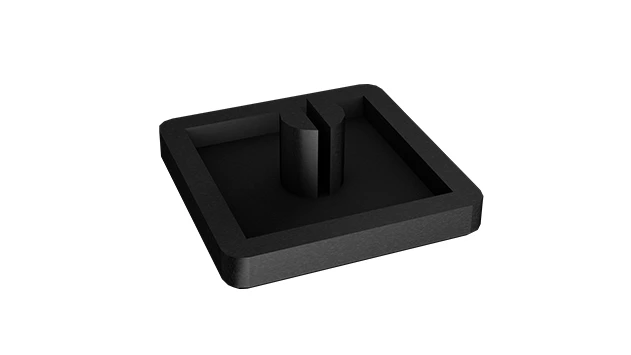
In the world of automotive manufacturing, where precision and reliability are everything, it's often the smallest components that make the biggest difference. You might marvel at the engineering behind a car's engine or the sleek design of its exterior, but have you ever stopped to think about the parts that keep the production line itself running smoothly? Today, we're shining a spotlight on one such unsung hero: the 2020 aluminum profile end cap. These unassuming little caps might not grab headlines, but they play a critical role in protecting equipment, ensuring worker safety, and maintaining the efficiency of automotive manufacturing processes. Let's dive into why these small components matter—and how they've become indispensable in modern automotive plants.
What Are 2020 Aluminum Profile End Caps, Anyway?
First things first: let's get clear on what we're talking about. When we refer to a "2020 aluminum profile end cap," we're describing a specialized component designed to fit snugly onto the ends of 2020 aluminum extrusion profiles. If you're not familiar with aluminum extrusion profiles, they're those versatile, T-slot aluminum rails you'll see everywhere in factories—used to build workbenches, material racks, conveyor systems, and even custom tooling. The "2020" in the name refers to their dimensions: typically 20mm by 20mm, making them a compact yet sturdy choice for lightweight structural applications.
Now, the end cap itself is the finishing touch. Imagine the end of an aluminum extrusion profile: without a cap, it's just a raw, open end—sharp edges, exposed internal channels, and a less-than-polished look. The end cap slides or snaps into place, covering that end to seal it off. But it's not just about aesthetics (though that's part of it). These caps are engineered to solve specific problems in high-paced environments like automotive plants, where even the tiniest flaw can lead to delays, safety risks, or costly repairs.
Design and Materials: Built for the Demands of Automotive Work
Not all end caps are created equal, and in automotive manufacturing, "good enough" doesn't cut it. 2020 aluminum profile end caps are designed with the unique challenges of the industry in mind. Let's break down their key features:
Materials: Durability Meets Lightweight
Most 2020 aluminum profile end caps are made from high-grade plastics (like polypropylene or nylon) or aluminum itself. Plastic end caps are popular for their cost-effectiveness, flexibility, and resistance to corrosion—important in environments where oils, coolants, or cleaning agents might splash onto equipment. Aluminum end caps, on the other hand, offer extra durability for heavy-duty applications, like workbenches used for assembling engine components or material racks that bear constant weight.
Fit and Function: Snug, Secure, and Seamless
The best end caps are designed to fit like a glove. They're often slightly tapered or ribbed on the inside, so they press-fit into the profile without needing screws or adhesives. This "snap-on" design makes installation a breeze—no tools required, which saves time on the factory floor. Some end caps even have a slight lip or flange that sits flush with the profile's surface, preventing them from slipping out during vibrations (and trust us, automotive production lines vibrate—a lot).
Safety First: Soft Edges and No Sharp Corners
Here's a detail that matters more than you might think: automotive factories are busy places, with workers moving quickly around workstations, material carts, and assembly lines. A raw aluminum profile end can have sharp edges that catch on gloves, clothing, or even skin. 2020 aluminum profile end caps round off those edges, turning a potential hazard into a smooth, safe surface. It's a small change, but it adds up to fewer workplace injuries and a more comfortable environment for the people building our cars.

The Role of 2020 Aluminum Profile End Caps in Automotive Production Lines
Now that we know what they are, let's talk about where you'll actually find these end caps in automotive manufacturing. Spoiler: they're everywhere. Aluminum extrusion profiles are the backbone of lean manufacturing systems—think workbenches where technicians assemble wiring harnesses, flow racks that feed parts to the assembly line, or mobile carts that transport tools between stations. And where there are aluminum profiles, there are end caps.
Workbenches: The Heart of Assembly Work
Walk into any automotive plant, and you'll see rows of workbenches built from aluminum profiles. These aren't just tables—they're customized workstations with tool holders, bins for fasteners, and even integrated lighting. The 2020 profiles here form the frame, and their end caps ensure the bench edges are smooth (no more scraped knuckles when reaching for a wrench). They also seal off the ends of the profiles, preventing dust, dirt, or small parts (like screws or washers) from falling into the T-slots and jamming the accessories that slide into them (think tool hooks or monitor mounts). Without end caps, those slots could become clogged, turning a 30-second tool adjustment into a 10-minute cleanup.
Material Racks and Flow Systems: Keeping Parts Moving
Automotive manufacturing thrives on "just-in-time" delivery—parts need to arrive at the assembly line exactly when they're needed. That's where flow racks and material handling systems come in, many of which are built with aluminum extrusion profiles. A flow rack might use 2020 profiles to create shelves, with roller tracks (another key accessory) to let bins of parts glide smoothly to the front. The end caps here serve two purposes: they protect the profiles from dents or damage when bins are loaded or unloaded, and they prevent debris from getting into the rack's structure, which could slow down the flow of parts. Imagine a bin sliding down a roller track—if a profile end cap is missing, the bin might catch on the raw edge, causing a jam. In a factory where every second counts, that's a problem.
Mobile Carts: Flexibility Without Compromise
Mobile carts are the workhorses of automotive plants, ferrying everything from engines to interior trim pieces across the factory floor. Many of these carts are built with lightweight aluminum profiles to keep them easy to push, even when loaded. The 2020 end caps on these carts are critical for durability: they absorb minor impacts when carts bump into walls or other equipment, and they prevent the profile ends from bending or deforming over time. Plus, their smooth finish means less risk of damaging the parts being transported—no more scratches on a car's dashboard because a cart had a sharp, uncovered profile edge.

Why Automotive Manufacturers Choose 2020 Aluminum Profile End Caps
So, what makes these end caps a must-have? Let's break down the benefits that keep automotive engineers reaching for them:
Cost-Effective Protection
Aluminum profiles aren't cheap, and replacing a bent or damaged profile because of an uncovered end? Even more expensive. End caps cost pennies compared to the profiles they protect, making them a low-cost insurance policy against wear and tear. They also extend the life of profile accessories (like connectors or shelf brackets) by keeping the T-slots clean and functional.
Easy to Install and replace
In a factory where downtime is measured in dollars, "easy" matters. Most 2020 aluminum profile end caps are press-fit—no tools, no adhesives, no hassle. A technician can snap one on in seconds. And if a cap gets damaged (say, from a heavy impact), it's just as easy to pop it off and replace it. No need to disassemble the entire workstation or rack.
Customizable to Specific Needs
Automotive plants don't all use the same profiles or work the same way, so end caps come in a range of styles. Need a cap that's heat-resistant for a workstation near a welding station? There's a high-temperature plastic option. Want to color-code workstations by department? End caps come in red, blue, yellow, or even custom colors. Some even have holes for cable management, letting you route wires through the profile without drilling—perfect for workstations with power tools or monitors.
How Do They Stack Up? A Quick Comparison
You might be wondering: why not just use plastic plugs or even tape to cover profile ends? Let's be real—tape wears out, and generic plastic plugs might not fit the 2020 profile's exact dimensions. Here's how 2020 aluminum profile end caps compare to other quick fixes:
| Type | Fit | Durability | Safety | Best For |
|---|---|---|---|---|
| 2020 Aluminum Profile End Cap | Precision-fit to 20mm x 20mm profiles | Resists impacts, corrosion, and temperature changes | Smooth edges; no sharp corners | Permanent, high-use workstations or racks |
| Generic Plastic Plug | Loose; may fall out over time | Brittle; cracks under impact | Edges may be rough or uneven | Temporary setups or low-use areas |
| Electrical Tape | Adheres poorly to metal; peels off easily | Degrades with heat, oil, or moisture | Sharp edges still exposed under tape | Emergency fixes only |
Table 1: Comparing 2020 aluminum profile end caps to common alternatives in automotive settings.
Challenges in Automotive Applications (and How to Solve Them)
No component is perfect, and 2020 aluminum profile end caps face their own set of challenges in automotive environments. Let's talk about the most common issues and how to address them:
Vibration: Keeping Caps in Place
Automotive plants are noisy, and production lines vibrate—constantly. Over time, that vibration can loosen press-fit end caps, especially if they're not installed correctly. The fix? Look for end caps with internal ribs or barbs that grip the profile's inner walls more tightly. Some manufacturers also offer end caps with a small screw hole, letting you secure them with a tiny set screw for extra hold (great for high-vibration areas like near stamping machines).
Chemical Exposure: Oils, Coolants, and Cleaners
Engines, transmissions, and even brake systems require lubricants and coolants—substances that can eat through low-quality plastics. If your end caps are near areas where these fluids are used, opt for caps made from chemical-resistant materials like nylon 6 or polypropylene. These plastics stand up to oils, coolants, and even industrial cleaners without cracking or degrading.
High Temperatures: Near Welding or Paint Booths
Welding stations or paint curing ovens generate intense heat. Standard plastic end caps might melt or warp here. In these cases, aluminum end caps are the way to go—they can handle temperatures up to 300°F (150°C) without losing their shape. For even higher heat (like near exhaust system assembly), look for end caps made from heat-resistant composites.
How to Choose the Right End Cap for Your Needs
With so many options out there, how do you pick the right 2020 aluminum profile end cap for your automotive application? Here's a quick checklist:
- Profile Size: Double-check that it's a 2020 cap—profiles come in 3030, 4040, etc., and caps aren't interchangeable.
- Environment: Near chemicals? Go chemical-resistant plastic. High heat? Aluminum or composite.
- Usage: Mobile cart? Get a cap with a tight grip to avoid vibration loosening. Static workstation? Standard press-fit is fine.
- Safety Requirements: Need flame retardancy? Look for caps rated UL94 V-0. Food-grade? FDA-approved plastics are available.
- Accessories: Do you need to route cables through the profile? Pick a cap with a pre-drilled hole.
Pro tip: Buy a few samples first! Test them in your actual work environment—slap one on a profile, let it sit for a week, and see how it holds up to your plant's specific conditions. It's better to spend $10 on samples than $1,000 on caps that crack under your factory's unique stresses.
Looking Ahead: The Future of Aluminum Profile End Caps
As automotive manufacturing evolves, so do the components that keep it running. What's next for 2020 aluminum profile end caps? We're already seeing innovations:
Smart End Caps: More Than Just a Cover
Imagine an end cap with a tiny RFID tag or sensor that can track when a workstation was last maintained, or how much weight a rack is holding. Early prototypes are in the works, turning these small components into data-collection tools for Industry 4.0. For example, a sensor in the end cap could alert maintenance if a workbench's profile is bending under too much weight—preventing a collapse before it happens.
Sustainable Materials: Greener Manufacturing
Automakers are under pressure to reduce their environmental footprint, and that includes the parts they use in their factories. Look for end caps made from recycled plastics or bio-based materials (like plant-derived polypropylene) in the coming years. Some suppliers are even offering take-back programs for old end caps, ensuring they're recycled instead of ending up in landfills.
Wrapping Up: Small Part, Big Impact
At the end of the day, 2020 aluminum profile end caps are a reminder that in automotive manufacturing, every detail counts. They might not be as flashy as a robotic arm or as critical as a torque wrench, but they keep production lines running smoothly, protect workers, and ensure that the aluminum extrusion profiles (and the lean systems they build) last for years. The next time you walk through a factory, take a second to look at the workbenches and racks—you'll see these little caps doing their job, quietly and reliably.
So, whether you're setting up a new assembly line, upgrading old workstations, or just curious about the unsung heroes of manufacturing, remember: when it comes to aluminum extrusion profiles, the end cap isn't an afterthought. It's the finishing touch that makes the whole system work.