- Company Articles
- Products and Technology
- Product knowledge
- 2020 Aluminum Profile End Caps in Communication Equipment Manufacturing

2020 Aluminum Profile End Caps in Communication Equipment Manufacturing
Related Product
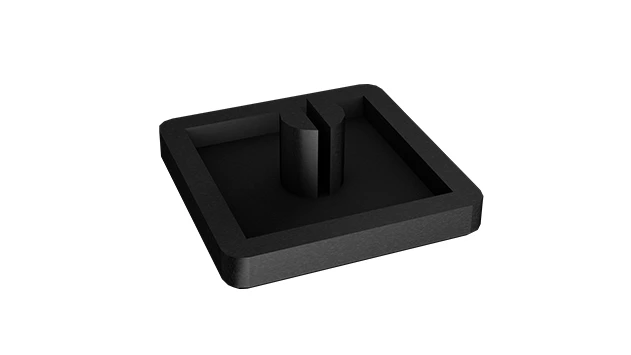
2020 Aluminum Profile End Cap
The aluminum profile end cap adds a finishing touch to your project and closes off profile ends to limit dust and debris buildup, also it can avaid some scratch for material and labor during the assemble work.
Introduction: Beyond the Glow of Screens—The Backbone of Communication
Every time you stream a video, send a work email, or make a video call, you're relying on a complex web of communication equipment working tirelessly behind the scenes. From the servers in data centers that store your files to the routers in your home that keep you connected, these machines are the silent architects of our digital lives. But what makes them tick? While most of us focus on specs like processing speed or bandwidth, there's a world of smaller, often overlooked components that ensure these systems run smoothly, safely, and efficiently. One such component, yet indispensable, is the
2020 aluminum profile end cap
.
In the realm of communication equipment manufacturing, where precision is non-negotiable and durability is a must, aluminum profiles have become a staple. Among the various profiles available, the 2020 aluminum profile stands out for its versatility, especially in building lightweight yet sturdy structures like equipment racks, enclosures, and frames. And to complement this profile, the 2020 aluminum profile end cap—an unassuming accessory—plays a critical role in protecting, finishing, and enhancing the functionality of these structures. In this article, we'll dive into why these small caps matter, how they're used, and why communication equipment manufacturers can't afford to overlook them.
In the realm of communication equipment manufacturing, where precision is non-negotiable and durability is a must, aluminum profiles have become a staple. Among the various profiles available, the 2020 aluminum profile stands out for its versatility, especially in building lightweight yet sturdy structures like equipment racks, enclosures, and frames. And to complement this profile, the 2020 aluminum profile end cap—an unassuming accessory—plays a critical role in protecting, finishing, and enhancing the functionality of these structures. In this article, we'll dive into why these small caps matter, how they're used, and why communication equipment manufacturers can't afford to overlook them.
What Are 2020 Aluminum Profile End Caps, Anyway?
Let's start with the basics: the 2020 aluminum profile. If you've ever walked through a factory or a tech workshop, you've probably seen aluminum extrusion profiles—long, straight pieces with a consistent cross-section, often with T-slots for attaching accessories. The "2020" in its name refers to its dimensions: typically 20mm in width and 20mm in height, making it a compact, medium-duty profile ideal for projects that require precision without bulk. It's commonly used in building frames for small enclosures, shelving units, and, importantly, the internal structures of communication devices like network cabinets and server racks.
Now, imagine the end of that 2020 profile. Without any covering, it's just a raw, cut edge—sharp, unfinished, and vulnerable. That's where the 2020 aluminum profile end cap comes in. As the name suggests, it's a small, usually plastic or aluminum cover designed to fit snugly over the open end of a 2020 aluminum profile. Think of it as a "cap" for a pen: simple, but essential for keeping the ink from drying out and the tip from getting damaged. But in manufacturing, its role is far more critical than just aesthetics.
Now, imagine the end of that 2020 profile. Without any covering, it's just a raw, cut edge—sharp, unfinished, and vulnerable. That's where the 2020 aluminum profile end cap comes in. As the name suggests, it's a small, usually plastic or aluminum cover designed to fit snugly over the open end of a 2020 aluminum profile. Think of it as a "cap" for a pen: simple, but essential for keeping the ink from drying out and the tip from getting damaged. But in manufacturing, its role is far more critical than just aesthetics.

The Role of Aluminum Profiles in Communication Equipment: Why 2020 Stands Out
Before we dive deeper into end caps, let's first understand why aluminum profiles are so widely used in communication equipment manufacturing. Aluminum, as a material, has a unique set of advantages: it's lightweight (about a third the weight of steel), highly resistant to corrosion (thanks to its natural oxide layer), and incredibly malleable, allowing for complex extrusion profiles like the 2020. For communication equipment— which often needs to be transported, mounted in tight spaces, or exposed to varying environmental conditions—these properties are game-changers.
Communication equipment, such as server racks, optical fiber enclosures, and router frames, requires structures that can support sensitive electronics while remaining durable. Aluminum profiles, with their T-slots, allow manufacturers to customize layouts easily: adding shelves, mounting brackets, or cable management systems without welding or drilling. The 2020 profile, in particular, is a favorite for smaller, more intricate components. For example, in a compact 5G router, the internal frame might be built using 2020 profiles to hold circuit boards and antennas in place. In a data center, 2020 profiles could form the dividers between server units, ensuring proper airflow and organization.
But here's the thing: even the best aluminum profile is only as good as its accessories. And among those accessories, end caps are often the most underrated.
Communication equipment, such as server racks, optical fiber enclosures, and router frames, requires structures that can support sensitive electronics while remaining durable. Aluminum profiles, with their T-slots, allow manufacturers to customize layouts easily: adding shelves, mounting brackets, or cable management systems without welding or drilling. The 2020 profile, in particular, is a favorite for smaller, more intricate components. For example, in a compact 5G router, the internal frame might be built using 2020 profiles to hold circuit boards and antennas in place. In a data center, 2020 profiles could form the dividers between server units, ensuring proper airflow and organization.
But here's the thing: even the best aluminum profile is only as good as its accessories. And among those accessories, end caps are often the most underrated.

Why End Caps Matter: Four Critical Roles in Communication Equipment
At first glance, a 2020 aluminum profile end cap might seem like a "nice-to-have" rather than a "need-to-have." After all, it's just a small piece of plastic or metal. But in the high-stakes world of communication equipment manufacturing—where a single dust particle or a tiny scratch can disrupt network signals or damage expensive hardware—end caps play four non-negotiable roles:
1. Safety First: Eliminating Sharp Edges
Raw aluminum profile ends are sharp. When workers assemble communication equipment, handling these profiles without end caps increases the risk of cuts and scrapes. In a busy manufacturing line, where speed and precision are prioritized, even a minor injury can slow down production. Worse, if sharp edges remain in the final product—say, in a network cabinet that technicians might need to service—they pose an ongoing safety hazard. End caps soften these edges, turning a potential liability into a safe, user-friendly surface.
2. Protecting Against Dust, Debris, and Moisture
Communication equipment thrives on cleanliness. Dust, dirt, or moisture inside a server rack or router can short-circuit components, block airflow, or degrade performance over time. The open ends of aluminum profiles act like tiny funnels, drawing in contaminants. End caps seal these openings, creating a barrier that keeps internal components clean and dry. In outdoor communication equipment, like cell towers or satellite dishes, this protection is even more critical—end caps help prevent rainwater or insects from entering the profile's hollow interior.
3. Aesthetic and Professional Finish
While functionality is key, appearance matters too. Communication equipment is often displayed in offices, data centers, or even homes, and an unfinished profile end can make a product look cheap or poorly made. End caps give the equipment a polished, professional look, signaling to customers that attention was paid to every detail—no matter how small. For manufacturers, this attention to aesthetics can be a competitive differentiator in a crowded market.
4. Structural Integrity: Preventing Profile Damage
Aluminum profiles are strong, but their ends are vulnerable to dents or deformation, especially during transportation or assembly. A dented profile end might not fit properly with other components, throwing off the entire structure's alignment. End caps act as a buffer, absorbing minor impacts and keeping the profile's shape intact. This might seem trivial, but in precision manufacturing, where measurements are often in millimeters, maintaining structural integrity is everything.
1. Safety First: Eliminating Sharp Edges
Raw aluminum profile ends are sharp. When workers assemble communication equipment, handling these profiles without end caps increases the risk of cuts and scrapes. In a busy manufacturing line, where speed and precision are prioritized, even a minor injury can slow down production. Worse, if sharp edges remain in the final product—say, in a network cabinet that technicians might need to service—they pose an ongoing safety hazard. End caps soften these edges, turning a potential liability into a safe, user-friendly surface.
2. Protecting Against Dust, Debris, and Moisture
Communication equipment thrives on cleanliness. Dust, dirt, or moisture inside a server rack or router can short-circuit components, block airflow, or degrade performance over time. The open ends of aluminum profiles act like tiny funnels, drawing in contaminants. End caps seal these openings, creating a barrier that keeps internal components clean and dry. In outdoor communication equipment, like cell towers or satellite dishes, this protection is even more critical—end caps help prevent rainwater or insects from entering the profile's hollow interior.
3. Aesthetic and Professional Finish
While functionality is key, appearance matters too. Communication equipment is often displayed in offices, data centers, or even homes, and an unfinished profile end can make a product look cheap or poorly made. End caps give the equipment a polished, professional look, signaling to customers that attention was paid to every detail—no matter how small. For manufacturers, this attention to aesthetics can be a competitive differentiator in a crowded market.
4. Structural Integrity: Preventing Profile Damage
Aluminum profiles are strong, but their ends are vulnerable to dents or deformation, especially during transportation or assembly. A dented profile end might not fit properly with other components, throwing off the entire structure's alignment. End caps act as a buffer, absorbing minor impacts and keeping the profile's shape intact. This might seem trivial, but in precision manufacturing, where measurements are often in millimeters, maintaining structural integrity is everything.
Material Matters: Choosing the Right End Cap for the Job
Not all 2020 aluminum profile end caps are created equal. The material they're made from determines their durability, cost, and suitability for specific environments. In communication equipment manufacturing, two materials are most common: plastic and aluminum. Let's break down their pros and cons:
For most indoor communication equipment—like office routers or data center server racks—plastic end caps are sufficient. They're cost-effective, easy to install, and come in neutral colors that blend with the equipment's design. However, for outdoor use (e.g., 5G base stations) or equipment exposed to extreme heat (like server enclosures with high-powered components), aluminum end caps are worth the investment. They won't warp or crack under stress, ensuring long-term protection.
Some manufacturers also offer specialized end caps, such as flame-retardant plastic caps for equipment near heat sources, or ESD (electrostatic discharge)-safe caps for environments where static electricity could damage sensitive electronics. These niche options highlight just how tailored end caps can be to the unique needs of communication equipment.
| Feature | Plastic End Caps | Aluminum End Caps |
|---|---|---|
| Cost | More affordable, ideal for high-volume production | More expensive, but offers better long-term value |
| Weight | Lightweight, adds minimal bulk to the profile | Slightly heavier, but still lightweight compared to other metals |
| Durability | Good impact resistance; may degrade in extreme temperatures or UV exposure | Excellent durability; resistant to temperature changes and corrosion |
| Aesthetics | Available in multiple colors (black, white, gray) for branding or design flexibility | Matches the aluminum profile's finish for a seamless look |
| Best For | Indoor equipment, low-cost projects, or when color customization is needed | Outdoor equipment, high-temperature environments, or premium products |
For most indoor communication equipment—like office routers or data center server racks—plastic end caps are sufficient. They're cost-effective, easy to install, and come in neutral colors that blend with the equipment's design. However, for outdoor use (e.g., 5G base stations) or equipment exposed to extreme heat (like server enclosures with high-powered components), aluminum end caps are worth the investment. They won't warp or crack under stress, ensuring long-term protection.
Some manufacturers also offer specialized end caps, such as flame-retardant plastic caps for equipment near heat sources, or ESD (electrostatic discharge)-safe caps for environments where static electricity could damage sensitive electronics. These niche options highlight just how tailored end caps can be to the unique needs of communication equipment.
Installation 101: How to Properly Fit a 2020 Aluminum Profile End Cap
Installing a 2020 aluminum profile end cap might seem straightforward, but getting it right is crucial for ensuring it stays in place and performs its role effectively. Here's a step-by-step guide to the process, as followed by most communication equipment manufacturers:
Step 1: Prepare the Profile End
Before installing the end cap, the profile's cut end must be clean and smooth. Any burrs or rough edges (left over from cutting the profile to length) should be sanded down with fine-grit sandpaper. This ensures the end cap fits snugly and prevents damage to the cap itself during installation.
Step 2: Choose the Right End Cap Size
Not all 2020 profiles are identical—some might have slightly different tolerances or slot designs. It's essential to use end caps specifically designed for 2020 profiles to ensure a tight fit. A cap that's too loose will fall off; one that's too tight might crack during installation.
Step 3: Align and Press Firmly
Most end caps are "press-fit," meaning they're designed to snap into place without adhesives or screws. Hold the end cap parallel to the profile end, aligning any tabs or notches with the profile's slots. Then, apply even pressure to the center of the cap until you hear a "click"—this indicates it's seated correctly. For a more secure hold, some manufacturers use a small amount of industrial adhesive, though this is rarely necessary for indoor applications.
Step 4: Test for Stability
After installation, gently tug on the end cap to ensure it doesn't come loose. If it wiggles or falls off, check for debris on the profile end or misalignment. In rare cases, the end cap might be defective, so having spare caps on hand is a good practice.
The key here is consistency. In large-scale manufacturing, even a slightly misaligned end cap can lead to quality control issues. That's why many manufacturers train their assembly teams to prioritize end cap installation—because they know that these small details add up to a more reliable final product.
Step 1: Prepare the Profile End
Before installing the end cap, the profile's cut end must be clean and smooth. Any burrs or rough edges (left over from cutting the profile to length) should be sanded down with fine-grit sandpaper. This ensures the end cap fits snugly and prevents damage to the cap itself during installation.
Step 2: Choose the Right End Cap Size
Not all 2020 profiles are identical—some might have slightly different tolerances or slot designs. It's essential to use end caps specifically designed for 2020 profiles to ensure a tight fit. A cap that's too loose will fall off; one that's too tight might crack during installation.
Step 3: Align and Press Firmly
Most end caps are "press-fit," meaning they're designed to snap into place without adhesives or screws. Hold the end cap parallel to the profile end, aligning any tabs or notches with the profile's slots. Then, apply even pressure to the center of the cap until you hear a "click"—this indicates it's seated correctly. For a more secure hold, some manufacturers use a small amount of industrial adhesive, though this is rarely necessary for indoor applications.
Step 4: Test for Stability
After installation, gently tug on the end cap to ensure it doesn't come loose. If it wiggles or falls off, check for debris on the profile end or misalignment. In rare cases, the end cap might be defective, so having spare caps on hand is a good practice.
The key here is consistency. In large-scale manufacturing, even a slightly misaligned end cap can lead to quality control issues. That's why many manufacturers train their assembly teams to prioritize end cap installation—because they know that these small details add up to a more reliable final product.
Case Study: How End Caps Improved Reliability in a 5G Router Manufacturing Line
To illustrate just how impactful 2020 aluminum profile end caps can be, let's look at a real-world example: a mid-sized manufacturer of 5G routers that was struggling with quality control issues.
The Problem: The company's routers used 2020 aluminum profiles for their internal frames. During assembly, workers reported frequent cuts from sharp profile ends, leading to minor injuries and slowed production. Worse, customer complaints were rolling in about dust buildup inside the routers, which caused intermittent Wi-Fi outages. Upon inspection, the manufacturer realized that the open profile ends were acting as dust magnets, and the sharp edges were damaging internal cables during assembly.
The Solution: The manufacturer switched to using black plastic 2020 aluminum profile end caps on all frame components. The end caps were easy to source from their existing aluminum profile accessories supplier and added only $0.15 to the cost per router.
The Results: Within three months, worker injuries related to sharp edges dropped by 100%. Customer complaints about dust buildup decreased by 75%, and the routers' mean time between failures (MTBF) increased by 15%—a significant improvement for a product in a competitive market. The end caps also gave the routers a more polished look, leading to positive feedback from retailers.
This case study highlights a simple truth: sometimes, the smallest components have the biggest impact. By investing in end caps, the manufacturer solved multiple problems at once—safety, reliability, and customer satisfaction—with minimal cost.
The Problem: The company's routers used 2020 aluminum profiles for their internal frames. During assembly, workers reported frequent cuts from sharp profile ends, leading to minor injuries and slowed production. Worse, customer complaints were rolling in about dust buildup inside the routers, which caused intermittent Wi-Fi outages. Upon inspection, the manufacturer realized that the open profile ends were acting as dust magnets, and the sharp edges were damaging internal cables during assembly.
The Solution: The manufacturer switched to using black plastic 2020 aluminum profile end caps on all frame components. The end caps were easy to source from their existing aluminum profile accessories supplier and added only $0.15 to the cost per router.
The Results: Within three months, worker injuries related to sharp edges dropped by 100%. Customer complaints about dust buildup decreased by 75%, and the routers' mean time between failures (MTBF) increased by 15%—a significant improvement for a product in a competitive market. The end caps also gave the routers a more polished look, leading to positive feedback from retailers.
This case study highlights a simple truth: sometimes, the smallest components have the biggest impact. By investing in end caps, the manufacturer solved multiple problems at once—safety, reliability, and customer satisfaction—with minimal cost.
Beyond End Caps: The Ecosystem of Aluminum Profile Accessories
End caps are just one piece of the puzzle when it comes to aluminum profile systems. To build a fully functional communication equipment frame, manufacturers rely on a range of
aluminum profile accessories
, each with its own role:
Connectors and Joints: These attach profiles to each other at angles (90°, 45°, 135°), forming the frame's structure. Without sturdy connectors, the frame would be unstable.
T-Slot Nuts and Bolts: These fit into the profile's T-slots, allowing accessories like shelves or brackets to be mounted anywhere along the profile.
Casters and Feet: For equipment that needs to be mobile (like rolling server racks), casters attach to the profile's base. Fixed feet provide stability for stationary units.
Cable Management Accessories: Cable clips, trays, and guides—often mounted using T-slots—keep wires organized and prevent tangling, which is critical for maintaining airflow and reducing fire risks in communication equipment.
End caps complement these accessories by ensuring the entire system is safe, clean, and professional. Think of them as the final touch that ties everything together. In fact, many aluminum profile suppliers (including those specializing in aluminum profile accessories ) offer end caps as part of bundled kits, making it easy for manufacturers to source all their needs from one place.
Connectors and Joints: These attach profiles to each other at angles (90°, 45°, 135°), forming the frame's structure. Without sturdy connectors, the frame would be unstable.
T-Slot Nuts and Bolts: These fit into the profile's T-slots, allowing accessories like shelves or brackets to be mounted anywhere along the profile.
Casters and Feet: For equipment that needs to be mobile (like rolling server racks), casters attach to the profile's base. Fixed feet provide stability for stationary units.
Cable Management Accessories: Cable clips, trays, and guides—often mounted using T-slots—keep wires organized and prevent tangling, which is critical for maintaining airflow and reducing fire risks in communication equipment.
End caps complement these accessories by ensuring the entire system is safe, clean, and professional. Think of them as the final touch that ties everything together. In fact, many aluminum profile suppliers (including those specializing in aluminum profile accessories ) offer end caps as part of bundled kits, making it easy for manufacturers to source all their needs from one place.
Future Trends: Lightweighting, Sustainability, and Smart End Caps?
As communication technology evolves—with 6G on the horizon, and equipment becoming smaller, faster, and more energy-efficient—so too will the components that build it. What does the future hold for 2020 aluminum profile end caps?
Lightweighting: Even as end caps are already lightweight, manufacturers are exploring thinner, stronger materials (like reinforced plastics or aluminum alloys) to reduce overall equipment weight. This is especially important for portable communication devices, like field routers or temporary 5G stations.
Sustainability: With a growing focus on eco-friendly manufacturing, end caps made from recycled plastics or biodegradable materials could become more common. Aluminum end caps, which are fully recyclable, may see increased adoption as companies aim to reduce their carbon footprint.
Smart Features: While still in the realm of innovation, "smart" end caps could one day include tiny RFID tags or sensors. These could track inventory during manufacturing, monitor temperature inside equipment, or even alert technicians when a cap is loose or missing. For large data centers, this level of traceability could revolutionize maintenance.
No matter how technology advances, one thing is clear: the need for reliable, well-designed components like 2020 aluminum profile end caps will remain. They may not be the stars of the show, but they're the unsung heroes that keep our communication systems running smoothly.
Lightweighting: Even as end caps are already lightweight, manufacturers are exploring thinner, stronger materials (like reinforced plastics or aluminum alloys) to reduce overall equipment weight. This is especially important for portable communication devices, like field routers or temporary 5G stations.
Sustainability: With a growing focus on eco-friendly manufacturing, end caps made from recycled plastics or biodegradable materials could become more common. Aluminum end caps, which are fully recyclable, may see increased adoption as companies aim to reduce their carbon footprint.
Smart Features: While still in the realm of innovation, "smart" end caps could one day include tiny RFID tags or sensors. These could track inventory during manufacturing, monitor temperature inside equipment, or even alert technicians when a cap is loose or missing. For large data centers, this level of traceability could revolutionize maintenance.
No matter how technology advances, one thing is clear: the need for reliable, well-designed components like 2020 aluminum profile end caps will remain. They may not be the stars of the show, but they're the unsung heroes that keep our communication systems running smoothly.
Conclusion: Small Component, Big Impact
The next time you power up your router, stream a movie, or make a video call, take a moment to appreciate the complexity of the communication equipment working behind the scenes. And within that complexity, spare a thought for the 2020 aluminum profile end cap—a small, humble accessory that plays a vital role in safety, reliability, and performance.
For manufacturers, investing in quality end caps isn't just about checking a box on a parts list. It's about prioritizing the details that make a product stand out—details that build trust with customers and ensure long-term success. For workers, it's about safety and efficiency. For all of us, it's about enjoying seamless, uninterrupted communication in a world that relies on it more than ever.
So here's to the unsung heroes: the end caps, the connectors, and all the tiny components that keep our digital lives connected. They may not get the glory, but they deserve our gratitude.
For manufacturers, investing in quality end caps isn't just about checking a box on a parts list. It's about prioritizing the details that make a product stand out—details that build trust with customers and ensure long-term success. For workers, it's about safety and efficiency. For all of us, it's about enjoying seamless, uninterrupted communication in a world that relies on it more than ever.
So here's to the unsung heroes: the end caps, the connectors, and all the tiny components that keep our digital lives connected. They may not get the glory, but they deserve our gratitude.