- Company Articles
- Products and Technology
- Product knowledge
- 2020 Aluminum Profile End Caps in Computer Peripheral Production Lines

2020 Aluminum Profile End Caps in Computer Peripheral Production Lines
Related Product
2020 Aluminum Profile End Cap
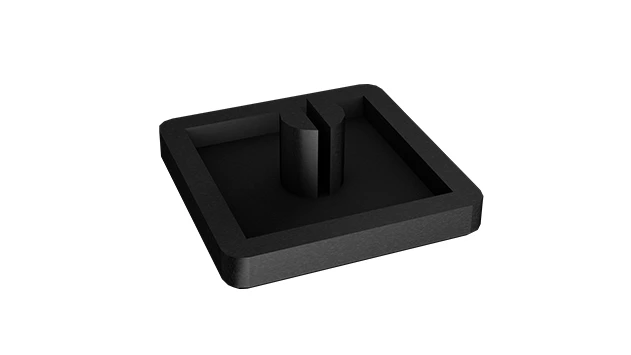
The aluminum profile end cap adds a finishing touch to your project and closes off profile ends to limit dust and debris buildup, also it can avaid some scratch for material and labor during the assemble work.
Walk into any computer peripheral production facility, and you'll be met with a symphony of precision: robotic arms assembling keyboards, conveyor belts gliding with circuit boards, and workers meticulously testing mice and printers. Behind this seamless dance of machinery and human skill lies a hidden network of components that keep everything running smoothly. Among these unsung heroes are aluminum profiles—lightweight, durable, and infinitely adaptable structures that form the backbone of workbenches, material racks, and assembly lines. And if aluminum profiles are the backbone, then the 2020 aluminum profile end caps are the quiet guardians that ensure this backbone stays strong, safe, and efficient. In this article, we'll dive into why these small, unassuming caps play a pivotal role in computer peripheral manufacturing, how they integrate with lean systems, and why every production manager should pay attention to their impact.
The Backbone of Modern Production: Aluminum Profiles
Before we zoom in on end caps, let's take a step back to appreciate the star of the show: aluminum profiles. In computer peripheral production, where precision and flexibility are non-negotiable, aluminum profiles have become indispensable. Unlike rigid steel structures, these extruded aluminum beams—often referred to as "aluminum extrusion profiles"—are lightweight yet strong, corrosion-resistant, and incredibly versatile. They come in various sizes, from the compact 2020 series (measuring 20mm x 20mm) to larger 4080 or 3060 profiles, each tailored to specific needs.
Walk through a production line, and you'll spot aluminum profiles everywhere: forming the frames of workbenches where technicians assemble USB drives, supporting flow racks that hold plastic casings for wireless headsets, or creating the skeleton of conveyor systems that transport circuit boards between stations. What makes them so popular? Their modular design. Thanks to aluminum profile accessories like connectors, brackets, and hinges, manufacturers can quickly reconfigure production lines to adapt to new product designs—say, shifting from assembling wired keyboards to wireless ones—without overhauling entire systems. This flexibility is a cornerstone of lean manufacturing, where minimizing waste and maximizing adaptability are key.
The Unsung Hero: What Are 2020 Aluminum Profile End Caps?
Now, let's talk about the 2020 aluminum profile end cap—a small component with a big job. As the name suggests, these caps are designed to fit snugly onto the ends of 2020 aluminum profiles, which are among the most commonly used in computer peripheral production due to their balance of strength and compact size. Picture a 20mm x 20mm aluminum beam; its ends, if left exposed, are sharp, unfinished, and prone to collecting dust or debris. The end cap covers this raw edge, transforming it into a smooth, safe surface.
At first glance, you might think, "It's just a cap—how important can it be?" But in high-speed manufacturing environments, every detail matters. Let's meet Maria, a production line worker at a computer mouse factory. Her workstation is built around a 2020 aluminum profile frame. Without end caps, the sharp edges of the profile could snag her gloves as she reaches for components, slowing her down or even causing a small cut. Over time, those snags add up to lost productivity. With end caps, the edges are smooth, and her movements stay fluid. That's the difference a well-designed end cap makes: it turns a potential obstacle into an invisible helper.
Fun Fact: A typical computer peripheral production line uses hundreds, if not thousands, of 2020 aluminum profiles. Multiply that by the number of ends per profile (usually 2), and you're looking at tens of thousands of end caps quietly doing their job every day. It's the sum of these small components that keeps the line moving.

Beyond Aesthetics: The Critical Functions of 2020 End Caps
The 2020 aluminum profile end cap is more than just a cosmetic addition. Its functions ripple through every stage of production, from safety to efficiency to product quality. Let's break down its key roles:
1. Safety First: Eliminating Hazards
Sharp metal edges are a workplace hazard, plain and simple. In a busy production line where workers are handling small parts—like the tiny buttons of a wireless keyboard—even a minor cut can lead to downtime or, worse, contamination if blood gets on components. End caps blunt these edges, turning potential injury points into smooth surfaces. They also prevent workers from catching clothing or hair on exposed profile ends, reducing the risk of accidents. For facilities that adhere to strict OSHA or ISO safety standards, end caps aren't optional—they're a compliance necessity.
2. Protecting Components: Keeping Debris at Bay
Computer peripherals, especially sensitive ones like Bluetooth adapters or internal circuit boards, are vulnerable to dust, dirt, and metal shavings. Aluminum profiles, by design, have hollow cores (to reduce weight and allow for cable management). Without end caps, these hollow ends act like funnels, sucking in debris from the factory floor. Over time, that debris can accumulate inside the profile, potentially falling out onto workbenches and contaminating products. End caps seal off these openings, keeping the inside of the profile clean and ensuring that nothing unwanted interferes with production.
3. Enhancing Durability: Preventing Corrosion
While aluminum is naturally corrosion-resistant, its cut ends are more susceptible to oxidation, especially in humid factory environments. End caps act as a barrier, shielding the raw aluminum from moisture and chemicals (like cleaning agents used to sanitize workbenches). This extends the lifespan of the aluminum profiles, reducing the need for frequent replacements and lowering maintenance costs— a win for any lean system focused on minimizing waste.
4. Streamlining Workflow: Aiding Ergonomics
Ergonomics is a big deal in manufacturing. Discomfort or awkward movements lead to fatigue, which hurts productivity and increases error rates. End caps contribute to better ergonomics by creating smooth, rounded surfaces on workbenches and material racks. For example, a material rack B (3 row and 3 floor) used to store printer cartridges might have 2020 profiles as its vertical supports. Without end caps, the top edges could dig into a worker's forearms when reaching for the top shelf. With end caps, the contact is gentle, making the task easier and more comfortable. Over an 8-hour shift, that small comfort adds up to happier, more productive workers.
| Function | Without End Caps | With 2020 End Caps |
|---|---|---|
| Safety | Sharp edges risk cuts/snags | Smooth edges eliminate hazards |
| Debris Protection | Hollow ends collect dust/metal shavings | Sealed ends keep profiles clean |
| Durability | Raw ends prone to corrosion | Moisture barrier extends profile life |
| Ergonomics | Sharp edges cause discomfort | Smooth surfaces reduce fatigue |

Integration with Lean Systems: Small Caps, Big Efficiency Gains
Lean manufacturing is all about eliminating waste—whether it's time, materials, or effort. The 2020 aluminum profile end cap might seem too small to impact lean goals, but its contributions are tangible. Let's see how it fits into a lean system:
Reducing Downtime: A cut from a sharp profile end might take a worker off the line for 30 minutes. Multiply that by 10 workers a month, and you're looking at 300 minutes of lost productivity. End caps prevent these incidents, keeping the line running.
Minimizing Rework: Debris inside profiles can fall onto workbenches, contaminating components. A dusty circuit board might fail quality checks, requiring rework or scrapping. End caps reduce contamination, lowering rework rates and saving materials.
Extending Equipment Life: By protecting profiles from corrosion and damage, end caps reduce the need for frequent replacements. This aligns with lean's "long-term efficiency" mindset—investing in small components now to avoid costly overhauls later.
Take the example of a lean pipe supplier that also offers aluminum profiles and end caps. A client—a manufacturer of webcams—recently switched to using 2020 end caps on all their assembly workbenches. Within three months, they reported a 15% drop in minor workplace injuries and a 10% reduction in rework due to debris contamination. Small change, big results.
Choosing the Right End Cap: Material, Fit, and Supplier Matters
Not all 2020 aluminum profile end caps are created equal. To maximize their benefits, manufacturers need to choose the right type for their needs. Here's what to consider:
Material: Most end caps are made of high-quality plastic (like polypropylene) or rubber. Plastic end caps are lightweight and cost-effective, ideal for standard production environments. Rubber end caps offer extra grip and shock absorption, making them better for mobile units like turnover trolleys or racks that move between stations.
Fit: A loose end cap is worse than none at all—it might fall off, leaving the profile end exposed. Look for end caps designed specifically for the 2020 profile size, with a snug, friction-fit design. Some suppliers offer "push-fit" caps that install in seconds without tools, saving assembly time.
Supplier Reliability: Consistency is key in manufacturing. A reliable aluminum profile supplier will ensure that every batch of end caps meets the same size and quality standards. Look for suppliers with a track record in the industry—those who understand the unique needs of computer peripheral production, from ESD (electrostatic discharge) protection to quick turnaround times.
In the grand scheme of computer peripheral production, the 2020 aluminum profile end cap might seem like a tiny player. But as we've explored, its impact is anything but small. It's the quiet guardian of worker safety, the shield against debris, and the unsung ally of lean systems. It turns sharp edges into smooth surfaces, chaos into order, and potential hazards into seamless workflow.
So the next time you pick up a wireless mouse or plug in a USB drive, take a moment to appreciate the invisible components that brought it to life. And if you're a production manager looking to boost efficiency, don't overlook the power of the 2020 end cap. Sometimes, the smallest parts make the biggest difference.