- Company Articles
- Products and Technology
- Product knowledge
- 2020 Aluminum Profile End Caps in Home Appliance Assembly Lines

2020 Aluminum Profile End Caps in Home Appliance Assembly Lines
Related Product
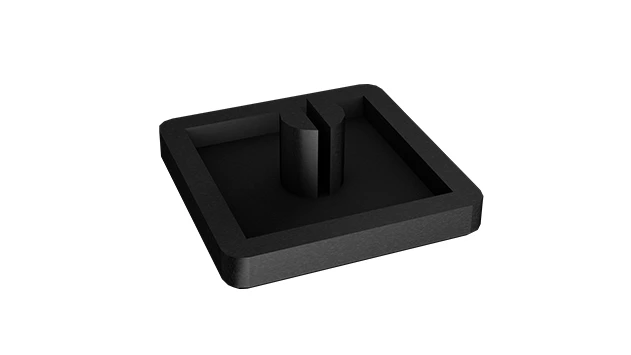
2020 Aluminum Profile End Cap
The aluminum profile end cap adds a finishing touch to your project and closes off profile ends to limit dust and debris buildup, also it can avaid some scratch for material and labor during the assemble work.
Walk through any modern home appliance assembly line, and you'll notice a symphony of precision: robots placing circuit boards, workers fitting door hinges, and conveyors gliding components from station to station. Behind this seamless dance lies a network of tools and materials designed to keep things moving—efficiently, safely, and without waste. Among these, one component often flies under the radar but plays a critical role: the 2020 aluminum profile end cap. Small in size but big in impact, these unassuming caps are the quiet guardians of assembly line integrity, ensuring that the aluminum extrusion profiles forming workbenches, racks, and frames remain durable, safe, and ready for the demands of mass production.
In this article, we'll dive into why 2020 aluminum profile end caps matter, how they integrate with lean systems, and why they've become a staple in home appliance manufacturing. Whether you're a plant manager looking to optimize workflow or simply curious about the nuts and bolts of how your favorite fridge or washing machine comes together, let's unpack the story of these tiny but mighty components.
Aluminum Extrusion Profiles: The Backbone of Modern Assembly Lines
Before we zoom in on end caps, let's talk about the stars of the show: aluminum extrusion profiles. These lightweight, versatile structures are the backbone of today's assembly lines, and for good reason. Unlike traditional steel frames, aluminum profiles offer a winning combo of strength, flexibility, and cost-effectiveness. They're easy to customize, quick to assemble, and resistant to corrosion—perfect for the humid, high-traffic environments of appliance factories.
Aluminum extrusion profiles come in various sizes, each tailored to specific needs. The "2020" in 2020 aluminum profile refers to its dimensions: 20mm by 20mm. Think of it as the "workhorse" size—small enough to build compact workbenches and material racks but sturdy enough to support tools, components, and even heavy appliances in progress. You'll find 2020 profiles everywhere: forming the legs of workbenches where technicians assemble control panels, framing the sides of flow racks that feed parts to the assembly line, and even as rails for conveyors that shuttle half-finished ovens from one station to the next.
But here's the thing: aluminum profiles, for all their benefits, have a tiny flaw. Their ends—cut during manufacturing—are sharp, rough, and prone to collecting dust or debris. Left uncovered, these raw edges can scratch workers' hands, snag gloves or clothing, and even damage delicate appliance parts sliding across workbenches. That's where end caps step in.
The Unsung Hero: What Are 2020 Aluminum Profile End Caps?
Imagine a 2020 aluminum profile as a pencil. The profile itself is the graphite and wood—strong, functional, but with a sharp, unfinished tip. The end cap? It's the eraser: small, unassuming, but essential for making the pencil safe and easy to use. 2020 aluminum profile end caps are small, usually plastic or rubber covers that snap or press onto the open ends of 20mm x 20mm aluminum profiles. They're designed to fit snugly, covering rough edges and transforming a potentially hazardous component into a smooth, safe surface.
At first glance, they might seem like an afterthought. After all, they don't contribute to the profile's structural strength, and you could technically run an assembly line without them. But any factory manager who's dealt with the consequences of skipping end caps will tell you: they're non-negotiable. Let's break down their key roles:
- Safety First: Raw aluminum edges are sharp. A worker reaching across a workbench to grab a screwdriver could easily nick their hand on an uncovered profile end. Over time, these small injuries add up—leading to downtime, workers' compensation claims, and a dip in team morale. End caps eliminate this risk, turning sharp edges into soft, rounded surfaces.
- Debris Defense: Assembly lines thrive on cleanliness. Dust, metal shavings, or grease collecting in the hollow ends of aluminum profiles can contaminate components (think: a tiny metal fragment getting stuck in a washing machine's motor). End caps seal off these openings, keeping profiles clean and ensuring that nothing falls into sensitive appliance parts.
- Aesthetic and Fit: Ever noticed how high-quality appliances feel "finished" even on the inside? That attention to detail starts on the assembly line. End caps give workbenches and racks a polished look, signaling to workers and inspectors that the factory prioritizes quality. They also ensure a snug fit when profiles are connected—no wobbly joints or gaps that could throw off precision work.
- Durability Boost: Aluminum profiles are tough, but their ends are vulnerable to dents or bending if they bump into equipment or other profiles. End caps act as a buffer, absorbing minor impacts and extending the life of the profiles. In a lean system, where minimizing waste (including wasted materials) is key, this durability boost translates to lower replacement costs over time.

What Are End Caps Made Of? A Closer Look at Materials
Not all end caps are created equal. Depending on the assembly line's needs—whether it's a high-heat environment (like a dryer assembly area) or a space where static electricity is a concern (think: circuit board production)—manufacturers choose end caps made from different materials. Here's a quick breakdown of the most common options:
| End Cap Material | Key Features | Best For | Durability |
|---|---|---|---|
| Nylon | Lightweight, flexible, resistant to chemicals | General assembly workbenches, dry environments | High (resists cracking under pressure) |
| Rubber | Soft, shock-absorbent, non-slip | Workbenches where tools are frequently placed/removed | Medium (can wear down over time with heavy use) |
| Plastic (PVC) | Cost-effective, easy to mold, comes in colors | Low-traffic areas, temporary setups | Medium-Low (prone to brittleness in cold temperatures) |
| Aluminum | Matches profile material, high strength, heat-resistant | High-heat areas (e.g., oven assembly), heavy-load racks | Very High (almost as durable as the profile itself) |
Nylon end caps are the most popular choice for 2020 aluminum profiles in home appliance lines. They're affordable, easy to install (just press them onto the profile end—no tools needed), and stand up well to the daily wear and tear of factory life. Plus, they're available in neutral colors like gray or black, so they blend in with the profiles and don't distract from the assembly process.
For specialized areas, like workbenches where static electricity could damage sensitive electronics (hello, refrigerator control boards!), you might see conductive end caps made from carbon-infused plastic. These grounded caps prevent static buildup, keeping both workers and components safe.

End Caps and Lean Systems: A Match Made in Factory Heaven
By now, you might be thinking, "Okay, end caps are useful, but why are they such a big deal for lean systems?" Great question. Lean manufacturing is all about eliminating waste—whether it's wasted time, wasted materials, or wasted effort. 2020 aluminum profile end caps might seem small, but they play a surprisingly big role in keeping lean systems running smoothly.
Let's start with time waste . In a lean system, every second counts. If a worker pauses to bandage a cut from a sharp profile edge, that's time lost. If a snagged glove slows down the assembly of a dishwasher door, that's a bottleneck. End caps prevent these interruptions, keeping the line moving and workers focused on value-adding tasks (like testing appliance motors) instead of dealing with avoidable injuries.
Then there's material waste . Without end caps, aluminum profiles degrade faster—edges get bent, dust clogs the hollow centers, and eventually, the profiles need to be replaced. By extending the life of profiles, end caps reduce the need for frequent replacements, cutting down on material costs and the energy used to manufacture new profiles. It's a small step, but in a factory using thousands of 2020 profiles, it adds up.
Finally, effort waste . Lean systems thrive on standardization—making sure every tool, every workbench, and every process is consistent. End caps ensure that all 2020 profiles on a workbench have the same smooth, safe finish, so workers don't have to adjust their grip or movement based on which profile they're using. Consistency = efficiency, and efficiency is the heart of lean.
Take, for example, a lean workbench used to assemble microwave doors. The workbench's frame is built from 2020 aluminum profiles, with end caps on every exposed edge. Technicians stand at this bench for hours, reaching for screws, gaskets, and glass panels. With end caps, their hands glide safely over the bench edges, and there's no risk of a stray metal shard scratching the microwave's stainless steel door. The result? Faster assembly, fewer errors, and happier workers—all lean wins.
Real-World Impact: A Case Study from a Refrigerator Factory
To see just how much end caps matter, let's look at a real example. A major appliance manufacturer in the Midwest recently upgraded its refrigerator assembly line, replacing old steel workbenches with new ones built from 2020 aluminum extrusion profiles. Initially, the factory skipped end caps to save costs—after all, they were "just small plastic pieces," right?
Within a month, problems started. Workers reported minor cuts on their hands, and several complained that their gloves kept catching on the sharp profile ends. Worse, during a quality check, inspectors found tiny scratches on 10% of refrigerator door handles—traced back to the rough edges of the workbench profiles snagging the handles as they were placed on the bench.
The factory manager decided to test 2020 nylon end caps on a single assembly line. The results were striking: over the next month, hand injuries dropped by 80%, and scratched door handles fell to less than 1%. Workers noted that the workbench felt "smoother" and "safer," and productivity ticked up by 5% as they spent less time adjusting their grip or cleaning out debris from profile ends.
Today, the factory uses 2020 aluminum profile end caps on every aluminum profile in the plant. The manager estimates that the small investment in end caps saves the company $15,000 annually in reduced injuries, lower scrap rates, and higher productivity. Not bad for a component that costs less than $0.50 per unit.
What's Next? The Future of Aluminum Profiles and End Caps
As home appliance factories continue to evolve—adopting automation, IoT sensors, and even AI-powered quality checks—aluminum profiles and end caps are evolving too. Here are a few trends to watch:
- Smart End Caps: Imagine end caps embedded with tiny RFID tags that track when a profile was installed, its maintenance history, or even temperature changes in the factory. This data could help managers predict when profiles might need replacement, further reducing waste in lean systems.
- Eco-Friendly Materials: With sustainability becoming a key focus for manufacturers, we'll see more end caps made from recycled plastics or biodegradable materials—without sacrificing durability.
- Customized Fits: 3D printing is making it easier to create end caps tailored to unique profile shapes or specialized environments (like extra-thick end caps for high-vibration areas, or heat-resistant caps for oven assembly lines).
Even as technology advances, though, the core purpose of 2020 aluminum profile end caps will remain the same: to keep assembly lines safe, efficient, and ready to build the appliances we rely on every day.
Final Thoughts: Small Parts, Big Impact
Walk through a home appliance assembly line today, and you'll see hundreds—maybe thousands—of 2020 aluminum profiles. Look closer, and you'll spot their quiet companions: end caps. These tiny, often overlooked components are a testament to the idea that in manufacturing, the smallest details can make the biggest difference.
From preventing injuries to boosting lean efficiency, from extending the life of aluminum profiles to ensuring the quality of the appliances we bring into our homes, 2020 aluminum profile end caps are more than just "covers." They're a symbol of how thoughtful design and attention to detail create better factories, better products, and better experiences for everyone involved.
So the next time you open your fridge or start a load of laundry, take a moment to appreciate the unsung heroes of the assembly line. After all, even the most impressive appliances start with the basics—like a 20mm x 20mm profile, and a little cap that keeps it all together.