- Company Articles
- Products and Technology
- Product knowledge
- 2020 Aluminum Profile End Caps in Logistics Carts: Stability & Durability

2020 Aluminum Profile End Caps in Logistics Carts: Stability & Durability
Related Product
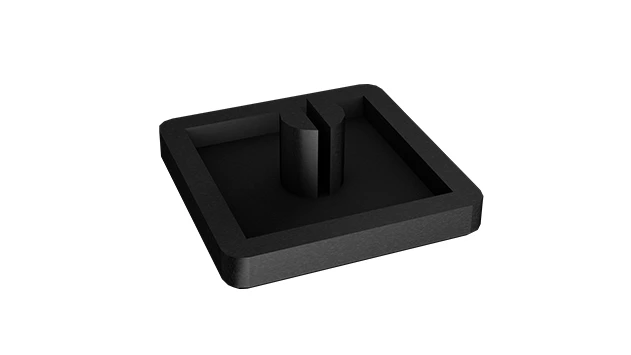
2020 Aluminum Profile End Cap
The aluminum profile end cap adds a finishing touch to your project and closes off profile ends to limit dust and debris buildup, also it can avaid some scratch for material and labor during the assemble work.
Walk into any busy warehouse, manufacturing plant, or distribution center, and you'll notice a common sight: logistics carts gliding across the floor, loaded with everything from small components to heavy boxes. These carts are the unsung workhorses of modern operations, keeping materials moving and workflows on track. But have you ever stopped to think about what makes these carts reliable day in and day out? Sure, the caster wheel s get a lot of credit for smooth movement, and the frame provides structure—but there's a tiny component that often goes unnoticed, yet plays a huge role in keeping these carts stable and durable: the 2020 aluminum profile end cap.
At first glance, an end cap might seem like an afterthought—a simple piece of plastic or rubber that plugs the open end of an aluminum profile. But in reality, it's a critical part of the cart's design. In this article, we'll dive deep into why 2020 aluminum profile end caps matter, how they enhance stability, boost durability, and why choosing the right one can make a world of difference for your logistics operations. Whether you're a warehouse manager, a procurement specialist, or just someone curious about the mechanics of everyday equipment, let's unpack the story behind these small but mighty accessories.
Aluminum Extrusion Profiles: The Backbone of Modern Logistics Carts
Before we talk about end caps, let's start with the foundation: the aluminum extrusion profile itself. If logistics carts were houses, aluminum extrusion profiles would be the framing studs—strong, lightweight, and customizable. These profiles are created by pushing heated aluminum through a die, shaping it into consistent cross-sections (like the 2020 series, which measures 20mm by 20mm). Why aluminum? For starters, it's about 30% lighter than steel, which means carts are easier to push, reducing operator fatigue. It's also naturally resistant to corrosion, a big plus in environments where spills, humidity, or chemicals are common. And unlike welded steel frames, aluminum profiles are modular—you can connect them with brackets, joints, and other aluminum profile accessories to build carts of all shapes and sizes, then reconfigure them later if your needs change.
The 2020 aluminum extrusion profile, in particular, is a favorite for mid-sized logistics carts. Its 20x20mm dimensions strike a perfect balance: sturdy enough to support loads of up to 100-150kg (depending on design), but not so bulky that it adds unnecessary weight. You'll find it in everything from picking carts in e-commerce warehouses to tool trolleys on factory floors. But here's the thing: aluminum extrusion profiles come with open ends. When you cut a length of profile to build your cart, you're left with raw, sometimes sharp edges. That's where the end cap steps in.
What Are 2020 Aluminum Profile End Caps, Anyway?
Let's keep it simple: a 2020 aluminum profile end cap is a small, usually cylindrical or square-shaped component designed to fit snugly into the open end of a 2020-series aluminum extrusion profile. Think of it as a "plug" for the profile's hollow interior. But don't let its size fool you—this little plug does a lot more than just cover a hole. Depending on the design, end caps can be made from plastic (like nylon or PVC), rubber, or even aluminum, and they come in various colors (though black, white, and gray are most common for industrial use). Some have a smooth, domed top; others are flat; a few even have ridges or textured surfaces for better grip during installation.
But why bother with an end cap at all? Let's list the obvious (and not-so-obvious) reasons: First, safety. Raw aluminum edges can be sharp—imagine an employee reaching into a cart to grab a box and scraping their hand on an exposed profile end. End caps eliminate that risk, turning a potential hazard into a smooth, safe surface. Second, protection. The hollow interior of an aluminum profile is like an open invitation for dust, dirt, and debris. Over time, that buildup can weaken the profile or make it harder to clean. End caps seal off the inside, keeping gunk out. Third, aesthetics. Let's be honest—exposed profile ends look unfinished. End caps give carts a polished, professional look, which might seem minor, but details like that can boost pride in the workplace. And finally, structural support. Believe it or not, a well-fitted end cap can actually reinforce the profile's end, preventing it from denting or bending when the cart bumps into walls, racks, or other equipment.

Stability: How End Caps Keep Carts From Wobbling (and Why That Matters)
Now, let's get to the heart of the matter: stability. When you're pushing a loaded cart down a warehouse aisle, the last thing you want is a wobbly, unsteady ride. Instability isn't just annoying—it's dangerous. A cart that sways can spill its contents, damage products, or even cause the operator to lose control and trip. So, what causes instability in logistics carts? More often than not, it's a weak or compromised frame. And guess what? Exposed or poorly capped aluminum profile ends can contribute to that weakness.
Here's why: Aluminum extrusion profiles are strong, but their structural integrity relies on uniform support. When a profile end is left open or has a loose-fitting cap, it becomes a weak point. Every time the cart hits a bump, turns a corner, or is loaded unevenly, that open end can flex or deform slightly. Over time, this micro-movement adds up, leading to a frame that's "out of square." Suddenly, the cart doesn't track straight anymore—the caster wheel s might start to wobble, or one side might sit lower than the other. That's where a quality 2020 aluminum profile end cap comes in. By creating a tight, rigid seal at the profile's end, the cap acts like a reinforcement, distributing stress evenly across the frame. It's like adding a plug to a leaky pipe—suddenly, the whole system holds pressure better.
Let's take a real-world example: Imagine two identical logistics carts, both built with 2020 aluminum extrusion profiles. One has properly installed nylon end caps; the other has no end caps. Both are loaded with 50kg of boxes and pushed over a slightly uneven concrete floor. The cart without end caps will likely flex more at the corners, causing the frame to twist slightly. This twist puts extra strain on the caster wheels, making them drag or wobble. The cart with end caps, though? The capped ends keep the frame rigid, so the wheels roll smoothly, and the load stays balanced. Over weeks and months of use, that stability translates to less wear and tear on the entire cart—from the casters to the connectors to the profiles themselves.

Durability: End Caps That Stand Up to the Grind of Daily Use
Stability is about how well a cart performs in the moment; durability is about how long it keeps performing. In busy warehouses, logistics carts take a beating. They're loaded and unloaded dozens of times a day. They're pushed into loading docks, scraped against pallet racks, and left out in humid or dusty conditions. Through it all, the 2020 aluminum profile end cap is on the front lines, absorbing impacts, resisting wear, and protecting the frame. So, what makes an end cap durable? It all comes down to materials and design.
Let's start with materials. The most common options for end caps are nylon, rubber, aluminum, and PVC. Each has its pros and cons: Nylon is a top choice for durability. It's tough, resistant to abrasion, and holds up well against oils, solvents, and most chemicals found in warehouses. It's also slightly flexible, which helps it absorb impacts without cracking. Rubber end caps are softer, making them great for shock absorption—they're ideal if your carts often bump into delicate equipment, as they reduce noise and vibration. However, rubber can degrade over time if exposed to extreme temperatures or harsh chemicals. Aluminum end caps are the heavyweights—they're incredibly strong and corrosion-resistant, but they're also rigid (so they won't absorb impacts as well) and more expensive. PVC is the budget option; it's cheap and easy to mold, but it's brittle, especially in cold weather, and prone to cracking under repeated impacts.
Design matters too. A good end cap should have a snug fit—tight enough that it doesn't fall off during use, but not so tight that it's impossible to install or remove. Many end caps have internal ribs or ridges that grip the inside of the aluminum profile, creating friction that keeps them in place. Some also have a small flange at the base, which sits flush against the profile's end, adding an extra layer of protection against impacts. For example, a nylon end cap with a flanged design and ribbed interior will outlast a basic PVC cap with no grip features, even in the same environment.
Another factor is resistance to environmental stressors. Warehouses can be hot, cold, humid, or dry—sometimes all in the same day. A durable end cap should handle these fluctuations without warping, cracking, or becoming brittle. Nylon and aluminum excel here; rubber can harden in cold temperatures or soften in heat, and PVC may become brittle over time in direct sunlight. If your carts operate in extreme conditions (like a freezer warehouse or a factory with high heat), investing in temperature-resistant end caps is a must.
Choosing the Right Material: A Breakdown of End Cap Options
With so many end cap materials on the market, how do you choose the right one for your logistics carts? It depends on your priorities: Are you looking for the lowest cost? Maximum durability? Noise reduction? Let's compare the most popular options side by side to help you decide.
| Material | Durability (1-5) | Impact Resistance | Chemical Resistance | Cost | Best For |
|---|---|---|---|---|---|
| Nylon | 4.5 | Excellent (flexes without breaking) | High (resists oils, greases, and most solvents) | Moderate ($0.50-$1.50 per cap) | General warehouse use, high-traffic carts, food/beverage facilities |
| Rubber | 3.5 | Very High (soft, absorbs shocks) | Good (resists water and mild chemicals; poor with oils) | Low to Moderate ($0.30-$1.00 per cap) | Carts near delicate equipment (reduces noise), cleanrooms |
| Aluminum | 5 | Moderate (rigid, may dent under heavy impact) | Excellent (resists corrosion, acids, and extreme temperatures) | High ($2.00-$4.00 per cap) | Heavy-duty carts, extreme environments (freezers, foundries), outdoor use |
| PVC | 2.5 | Low (brittle, prone to cracking) | Fair (resists water; poor with solvents and UV light) | Low ($0.20-$0.50 per cap) | Light-duty carts, temporary setups, low-budget operations |
For most logistics operations, nylon end caps are the sweet spot. They offer a great balance of durability, impact resistance, and cost, making them suitable for everything from picking carts to assembly line trolleys. If noise is a major concern—say, in a hospital or office supply warehouse—rubber end caps can help muffle the sound of carts bumping into things. For heavy-duty applications, like carts that carry automotive parts or machinery, aluminum end caps are worth the investment for their unmatched strength. And if you're on a tight budget and only need carts for light, occasional use, PVC might work—but be prepared to replace them more often.
Installation & Maintenance: Keeping End Caps (and Carts) in Top Shape
Even the best end cap won't do its job if it's installed incorrectly. Fortunately, installing 2020 aluminum profile end caps is a simple process—no special tools required. Here's a step-by-step guide to getting it right:
- Clean the profile end first. Before installing the end cap, wipe the inside and outside of the aluminum profile's end with a clean cloth. Any dirt or debris can prevent the cap from fitting snugly. If there's rust (unlikely with aluminum, but possible if the profile was stored in a damp area), gently sand it away with fine-grit sandpaper.
- Align the cap properly. Most end caps are designed to fit in one direction—check for a flange or lip that should sit flush against the profile's end. Hold the cap with the flange facing out (if it has one) and align it with the profile's opening.
- Press firmly (but don't force it). Use your thumb or the palm of your hand to push the cap into the profile. It should slide in with moderate pressure. If it's too tight, you can warm the cap slightly with a hair dryer (for plastic caps) to make it more flexible—just don't overheat it. If it's too loose, the cap will fall off; in that case, try a different size or material (some caps are designed for specific profile tolerances).
- Test for a tight fit. Once installed, give the cap a gentle tug. It shouldn't come loose. If it does, you may need to use a small amount of industrial adhesive (like cyanoacrylate) to secure it—but only as a last resort, since adhesive can make future replacement harder.
Maintenance is just as important as installation. Over time, end caps can wear out—they might crack, become loose, or get dislodged. Make it a habit to inspect your logistics carts weekly (or monthly, depending on use) for signs of end cap damage. Look for:
- Cracks or chips in the cap
- Caps that are missing or hanging loose
- Debris buildup around the cap (a sign it's not sealing properly)
- Discoloration or brittleness (a sign of UV or chemical damage)
replace worn end caps immediately—don't wait for them to fall off or cause problems. A single missing end cap can compromise the stability of the entire cart, not to mention expose workers to sharp edges. Keeping a stock of spare end caps on hand makes replacement quick and easy.
Case Study: How End Caps Solved a Warehouse's Cart Woes
To really drive home the impact of 2020 aluminum profile end caps, let's look at a case study from a mid-sized electronics manufacturing plant. The plant operated 20 logistics carts, all built with 2020 aluminum extrusion profiles, to transport circuit boards and small components between assembly stations. After about a year of use, the plant manager noticed a trend: carts were breaking down more frequently. Casters were wearing out prematurely, profiles were bending at the corners, and employees were complaining about "wobbly" carts that made it hard to transport delicate components without damaging them.
An inspection revealed the culprit: most of the carts had missing or damaged end caps. When the carts were first built, they'd been fitted with basic PVC end caps, which were cheap but not durable. Over time, the PVC had cracked or fallen off, leaving the profile ends exposed. Without end caps, dirt and metal shavings had gotten inside the profiles, causing internal corrosion. Worse, the exposed ends were bending when the carts bumped into racks, creating a frame that was no longer square. This misalignment put extra strain on the caster wheel s, leading to uneven wear and frequent replacements.
The solution? The plant switched to nylon end caps with ribbed interiors and flanged designs. They also implemented a weekly end cap inspection checklist. The results were dramatic: Within three months, cart breakdowns dropped by 70%. Caster wheel replacements decreased by half, and employees reported fewer issues with wobbly carts. Even better, the plant saved money in the long run—while the nylon end caps cost slightly more upfront than the PVC ones, the reduced repair and replacement costs more than made up for it. Plus, there were fewer damaged components, which boosted overall productivity.
The takeaway? Small investments in quality aluminum profile accessories like end caps can have a huge return on investment. They're not just "nice-to-haves"—they're essential for keeping equipment running smoothly, reducing downtime, and keeping workers safe.
Final Thoughts: Don't Overlook the Small Stuff
At the end of the day, logistics carts are only as good as their parts. While aluminum extrusion profile s and caster wheels get most of the attention, it's the little components—the 2020 aluminum profile end caps, the brackets, the rubber strips—that hold everything together. These small parts are the unsung heroes of warehouse efficiency, ensuring that carts are stable, durable, and safe to use day in and day out.
So, the next time you're spec'ing out new logistics carts or maintaining existing ones, take a moment to think about the end caps. Choose the right material for your environment, install them properly, and inspect them regularly. Your carts will last longer, your workers will be safer, and your operations will run more smoothly. After all, in the world of material handling, it's the details that make all the difference.
Whether you're a seasoned warehouse manager or just starting to build your first cart, remember: stability and durability don't happen by accident. They're built into every component—even the ones as small as a 2020 aluminum profile end cap.