- Company Articles
- Products and Technology
- Product knowledge
- 2020 Aluminum Profile End Caps: Key to Lean Manufacturing Efficiency

2020 Aluminum Profile End Caps: Key to Lean Manufacturing Efficiency
Related Product
2020 Aluminum Profile End Cap
The aluminum profile end cap adds a finishing touch to your project and closes off profile ends to limit dust and debris buildup, also it can avaid some scratch for material and labor during the assemble work.
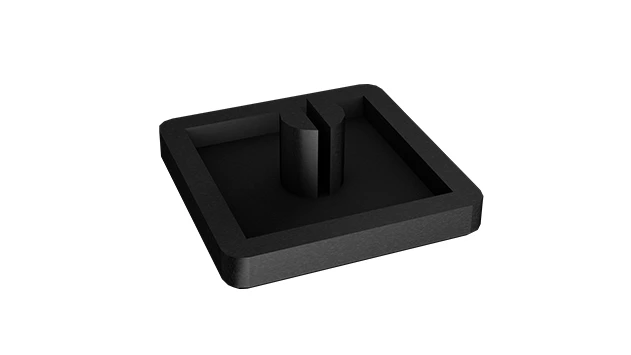
Walk through any modern manufacturing facility, and you'll likely notice a symphony of moving parts: conveyor belts hum, workbenches buzz with activity, and material racks stand tall, holding components ready for assembly. In the middle of all this motion, there's a silent hero working behind the scenes—small, unassuming components that keep everything running smoothly. One such hero? The 2020 aluminum profile end cap. While it might not grab headlines like a high-tech robot or a state-of-the-art conveyor system, this tiny accessory plays a critical role in maintaining lean manufacturing systems, protecting both equipment and workers, and ensuring operations stay efficient. Let's dive into why these unpretentious caps deserve a spot in the spotlight.
What Are 2020 Aluminum Profile End Caps, Anyway?
First things first: let's clarify what we're talking about. Aluminum extrusion profiles are the backbone of countless industrial setups. These lightweight, durable structures—often seen in workbenches, material racks, and machine frames—are designed with precision, featuring T-slots that allow for easy customization with accessories like brackets, shelves, and handles. The "2020" in 2020 aluminum profile refers to its dimensions: 20mm by 20mm, making it a popular choice for smaller-scale applications where space and weight matter, like desktop workstations or light-duty material handling systems.
Now, imagine the end of that 20mm x 20mm aluminum extrusion profile. Without any protection, it's just a raw, cut edge—sharp, prone to collecting dust and debris, and potentially hazardous to anyone who brushes against it. That's where the end cap comes in. Made from materials like high-density plastic, rubber, or even metal, these caps snap or press-fit onto the ends of aluminum profiles, sealing them off. Think of them as the "shoe" for your profile: simple, functional, and essential for keeping things neat, safe, and in working order.
Why Lean Manufacturing Can't Afford to Overlook End Caps
Lean manufacturing is all about eliminating waste—whether that's wasted time, wasted materials, or wasted effort. Every component in a lean system should serve a purpose, contributing to smoother workflows, lower costs, and higher productivity. At first glance, an end cap might seem like a "nice-to-have" rather than a "need-to-have," but that couldn't be further from the truth. Let's break down how these small caps support lean principles:
1. Preventing Waste from Equipment Damage Aluminum extrusion profiles aren't cheap, and replacing a damaged profile because its end got bent or dented? That's pure waste. Without an end cap, the exposed edge of a profile is vulnerable to bumps, drops, and scrapes—common in busy factories where tools, boxes, or even workers' elbows might collide with it. A quality end cap acts as a buffer, absorbing impact and protecting the profile's structural integrity. Over time, this adds up: fewer replacements mean lower material costs and less downtime spent swapping out damaged parts.
2. Reducing Downtime from Maintenance Headaches Ever tried to clean dust or debris out of the T-slot of an aluminum profile? It's a tedious task, especially if the end of the profile is open, letting dirt, grease, and metal shavings sneak in. These contaminants can gunk up the slot, making it harder to attach accessories or adjust components later. End caps seal off the profile's ends, keeping gunk out and reducing the need for frequent cleaning. In a lean system, time saved on maintenance is time that can be redirected to value-adding tasks—like assembling products or optimizing workflows.
3. Enhancing Safety, Minimizing Risks A sharp, unprotected profile end is an accident waiting to happen. Imagine a worker rushing to grab a tool from a material rack B (3 row and 3 floor) and brushing against an exposed aluminum edge—resulting in a cut or a scrape. Even minor injuries can lead to downtime, workers' compensation claims, and a dip in team morale. End caps eliminate this risk by softening the edges, turning a potential hazard into a smooth, safe surface. In lean terms, a safer workplace is a more efficient one: fewer interruptions, happier employees, and fewer resources spent on addressing preventable accidents.

The Materials and Design That Make a Great End Cap
Not all end caps are created equal. To truly support lean manufacturing, a 2020 aluminum profile end cap needs to be more than just a piece of plastic. Let's take a closer look at the materials and design features that set a high-quality end cap apart:
Materials Matter: Durability Meets Flexibility Most end caps are made from plastic, and for good reason. High-quality plastics like polypropylene (PP) or acrylonitrile butadiene styrene (ABS) offer a winning combo of flexibility and toughness. They're resistant to impact, meaning they can absorb bumps without cracking, and they stand up well to oils, chemicals, and temperature fluctuations—common in factory environments. Rubber end caps are another option, prized for their grip and noise-dampening properties. Imagine a material rack where profiles are frequently moved or adjusted; rubber caps would reduce the clatter of metal-on-metal contact, making the workspace quieter and less stressful. For heavy-duty applications, metal end caps (often aluminum or stainless steel) are available, though they're less common for 2020 profiles, which are typically used in lighter setups.
Design: Snug Fit, Easy Installation A poorly designed end cap is worse than no cap at all. If it's too loose, it'll fall off, leaving the profile exposed. If it's too tight, installing it becomes a frustrating, time-consuming chore. The best end caps feature a precision-engineered design that allows for a "snap-fit" installation—tight enough to stay in place during daily use but easy enough to remove if the profile needs to be modified or recycled. Look for caps with internal ribs or tabs that grip the inside of the profile, ensuring a secure hold without the need for adhesives or tools. This simplicity is key for lean systems: quick installation means less time spent on setup, and easy removal means profiles can be reconfigured or repurposed with minimal hassle.

Real-World Impact: How End Caps Support Lean Tools and Workspaces
To understand the value of 2020 aluminum profile end caps, let's look at a few common scenarios where they shine:
Workbench E (Single Deck—Without Caster) A workbench is the heart of many assembly operations. Whether it's an aluminum workbench E (single deck-without caster) used for electronics assembly or a larger station for mechanical work, the aluminum extrusion profiles that form its frame need protection. End caps on the workbench legs and frame edges prevent dust from collecting in the T-slots, ensuring that accessories like tool holders or monitor mounts can be easily adjusted. They also protect the workbench itself from damage during cleaning or when heavy parts are placed on it. Over time, this translates to a workbench that stays functional longer, reducing the need for repairs or replacements.
Material Racks and Turnover Trolleys Material racks, like the material rack B (3 row and 3 floor), are workhorses in warehouses and factories, holding everything from raw materials to finished products. Exposed profile ends here can snag on packaging, tear boxes, or even damage the components stored on the shelves. End caps smooth out these edges, ensuring that loading and unloading is a seamless process. Similarly, turnover trolleys—used to transport parts between stations—benefit from end caps. A trolley with loose or missing caps might rattle loudly as it moves, creating noise pollution and indicating that components are shifting (a potential waste of time spent readjusting loads). A well-capped trolley glides quietly, with all parts secure, keeping the workflow uninterrupted.
Roller Tracks and Conveyor Systems Roller tracks are essential for lean material flow, allowing parts to move smoothly from one workstation to the next. While the focus is often on the rollers themselves (like the stainless steel swivel roller balls 1 inch or plastic roller track guide rail yellow), the aluminum extrusion profiles that support these tracks need love too. End caps on the track's frame prevent debris from falling into the T-slots, which could jam the rollers or slow down movement. They also protect maintenance workers who might reach under the track to adjust a roller—no more scraped knuckles or cuts from sharp edges.
The Hidden Costs of Cutting Corners on End Caps
It's tempting to opt for cheap, generic end caps to save a few dollars. After all, how much difference can a tiny piece of plastic make? The answer: more than you might think. Let's break down the hidden costs of skimping on quality:
- Frequent Replacements: Cheap end caps are often made from low-grade plastic that cracks or warps over time, especially when exposed to heat, chemicals, or repeated impact. This means you'll spend more in the long run replacing them than you would have by investing in a durable option upfront.
- Increased Maintenance: A loose or ill-fitting cap won't seal the profile properly, leading to more dust, debris, and moisture buildup. This requires more frequent cleaning and inspection, eating into valuable production time.
- Risk of Accidents: A cap that falls off exposes the profile end, creating a safety hazard. Even one minor injury can cost thousands in medical bills and lost productivity—far more than the cost of a quality end cap.
- Damage to Profiles: Without protection, aluminum extrusion profiles can get dented or bent, especially if they're knocked during material handling. Repairing or replacing a damaged profile is far more expensive than replacing an end cap.
In lean manufacturing, every dollar saved on low-quality components often comes with a hidden price tag. Investing in high-quality 2020 aluminum profile end caps is an example of "prevention over cure"—a small upfront cost that pays dividends in efficiency, safety, and longevity.
Choosing the Right End Cap: What to Look For
Now that you're convinced of the importance of end caps, how do you choose the right one for your needs? Here are a few key factors to consider:
Compatibility: Not all end caps fit all profiles. Make sure the cap is specifically designed for 2020 aluminum extrusion profiles—measure the inner dimensions of your profile to ensure a snug fit. Some suppliers offer universal caps, but these are often a compromise; opt for profile-specific designs when possible.
Material: Consider your environment. For dry, clean workspaces, standard plastic caps might suffice. For areas with oils, chemicals, or high temperatures, look for chemical-resistant materials like ABS. If noise is a concern, rubber caps are a better choice.
Installation: Look for caps that install easily, without the need for tools or adhesives. Snap-fit designs are ideal, as they save time and reduce the risk of human error during setup.
Supplier Reputation: Buy from a trusted lean pipe and accessories supplier. Reputable suppliers test their products for durability and compatibility, ensuring that you're getting a cap that will last. Avoid generic, unbranded options—you'll likely end up replacing them sooner.
The Bottom Line: Small Component, Big Impact
In the world of lean manufacturing, success lies in the details. It's the difference between a workflow that hums and one that sputters, between a team that feels valued and one that's bogged down by preventable frustrations. The 2020 aluminum profile end cap might be small, but its impact is mighty. By protecting equipment, enhancing safety, and reducing waste, it ensures that your aluminum extrusion profiles—and the lean system they support—stay efficient, durable, and ready to tackle whatever the production floor throws at them.
So the next time you walk through your facility, take a moment to appreciate the little things. The end caps on your workbench, the ones on your material rack, the quiet protectors of your aluminum profiles—they're not just accessories. They're a testament to the lean philosophy: that every part, no matter how small, has a role to play in creating a better, more efficient operation. And that's a story worth telling.
| Benefit of 2020 Aluminum Profile End Caps | How It Supports Lean Manufacturing | Real-World Example |
|---|---|---|
| Prevents equipment damage | Reduces waste from profile repairs/replacements | A workbench frame stays intact for 3+ years instead of needing replacement after 1 year due to dented edges. |
| Reduces maintenance time | Frees up labor for value-adding tasks | Workers spend 2 hours/week less cleaning dust from T-slots, redirecting that time to assembly work. |
| Enhances workplace safety | Minimizes accidents and downtime | No reported cuts from profile edges in 6 months, compared to 2 minor injuries/month previously. |
| Improves material flow | Ensures smooth loading/unloading of racks/trolleys | Material handling time for a turnover trolley decreases by 15% due to snag-free edges. |