- Company Articles
- Products and Technology
- Product knowledge
- 2020 Aluminum Profile End Caps: Sustainable Solutions for Green Manufacturing

2020 Aluminum Profile End Caps: Sustainable Solutions for Green Manufacturing
Related Product
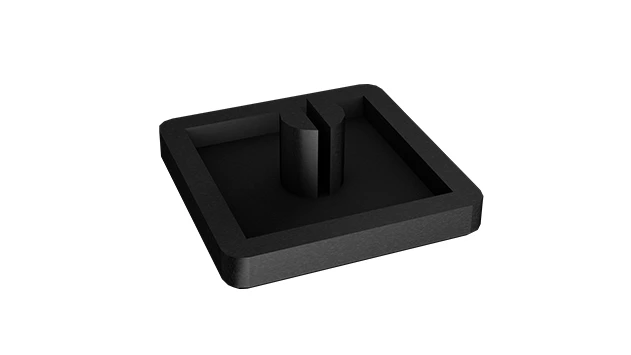
2020 Aluminum Profile End Cap
The aluminum profile end cap adds a finishing touch to your project and closes off profile ends to limit dust and debris buildup, also it can avaid some scratch for material and labor during the assemble work.
The Green Manufacturing Revolution: Why Small Components Matter
In today's fast-paced industrial world, "sustainability" isn't just a buzzword—it's a critical business imperative. Factories, warehouses, and production facilities worldwide are rethinking every aspect of their operations to reduce waste, cut carbon footprints, and build systems that respect both people and the planet. Yet, amid discussions of renewable energy sources and large-scale recycling programs, it's easy to overlook the small, unassuming components that keep these operations running smoothly. Enter the 2020 aluminum profile end cap: a tiny but mighty player in the green manufacturing movement.
On a typical factory floor, you'll find aluminum profiles everywhere—supporting workbenches, framing material racks, guiding conveyor systems, and forming the backbone of modular assembly lines. These profiles, shaped through precision aluminum extrusion, are prized for their strength, lightweight nature, and recyclability. But what about the open ends of these profiles? Left uncovered, they collect dust, trap moisture, and even pose safety risks to workers. That's where end caps come in. And not just any end caps: the 2020 aluminum profile end cap, designed specifically for 20x20mm aluminum extrusion profiles, is emerging as a sustainability standout in the manufacturing supply chain.
Aluminum Extrusion Profiles: The Sustainable Backbone of Modern Factories
Before diving into the specifics of end caps, let's take a step back to understand the star of the show: the aluminum extrusion profile. Aluminum extrusion is a process where heated aluminum billets are pushed through a shaped die, creating long, uniform profiles with consistent cross-sections. Think of it like squeezing toothpaste through a tube—except the "toothpaste" here is durable, lightweight aluminum, and the "tube" is a precision-engineered die that shapes everything from simple rods to complex, multi-chambered beams.
Why has aluminum extrusion become the go-to choice for manufacturers committed to sustainability? For starters, aluminum is one of the most recyclable materials on the planet. Unlike plastics or certain metals, aluminum can be recycled repeatedly without losing its structural integrity. In fact, recycling aluminum uses just 5% of the energy required to produce new aluminum from raw bauxite ore—a staggering energy savings that directly cuts down on carbon emissions. For factories aiming to reduce their environmental impact, choosing aluminum profiles is a no-brainer.
But aluminum's sustainability credentials don't stop at recyclability. Its lightweight nature also reduces transportation costs and fuel consumption, whether the profiles are being shipped to the factory or integrated into products like electric vehicles or solar panel frames. And because aluminum resists corrosion, profiles last longer, reducing the need for frequent replacements—a key principle of the circular economy, where extending product lifespans is just as important as recycling.

The 2020 Aluminum Profile End Cap: More Than Just a "Cap"
Now, let's zoom in on the unsung hero: the 2020 aluminum profile end cap. Named for its compatibility with 20x20mm aluminum profiles (a common size for lightweight structures like workbenches, small shelving units, and modular machine guards), this small component plays a surprisingly big role in both functionality and sustainability.
At first glance, an end cap might seem like a simple afterthought—a plastic or metal plug that covers the open end of an aluminum profile. But in reality, it's a multitasker. On the functional side, it prevents dust, debris, and moisture from entering the profile's hollow interior, which can cause corrosion or damage internal components like wiring or fasteners. It also smooths out sharp edges, reducing the risk of cuts or scrapes for workers handling the profiles. But where the 2020 end cap truly shines is in its design for sustainability.
Modern 2020 aluminum profile end caps are typically made from recycled aluminum or high-quality, recyclable plastics—materials chosen specifically to align with green manufacturing goals. Take aluminum end caps, for example: many are crafted from post-consumer or post-industrial recycled aluminum, which, as we noted earlier, requires minimal energy to process. This not only reduces reliance on virgin materials but also keeps aluminum scrap out of landfills, closing the loop on the material's lifecycle.
Even plastic end caps are getting a sustainability upgrade. Manufacturers now use bio-based plastics or plastics blended with recycled content, reducing their carbon footprint. Some end caps are even designed to be easily removable, making it simpler to separate the cap from the aluminum profile when it's time to recycle—ensuring both components can be processed correctly and reused.

Sustainability in Action: How 2020 End Caps Support Lean Systems
Sustainability and lean manufacturing go hand in hand. Lean systems focus on eliminating waste—whether that's excess materials, inefficient processes, or unnecessary inventory—and the 2020 aluminum profile end cap aligns perfectly with this philosophy. Let's break down how:
- Reduced Material Waste: 2020 end caps are precision-engineered to fit snugly on 20x20mm profiles, meaning manufacturers use just enough material to get the job done—no excess plastic or metal going to waste. This "right-sized" design minimizes the carbon footprint of production and reduces the amount of material that ends up in landfills at the end of the cap's life.
- Longevity = Less Replacement: A well-made 2020 end cap can last as long as the aluminum profile itself. By protecting the profile from damage, it extends the lifespan of the entire structure, whether it's a workbench, a material rack, or a conveyor frame. Fewer replacements mean fewer resources consumed in manufacturing new caps and less waste generated from old ones.
- Compatibility with Modular Design: Aluminum profiles are all about modularity—they can be easily reconfigured, disassembled, and repurposed as production needs change. The 2020 end cap supports this by being quick to install and remove, making it simple to take apart a structure, swap out components, and rebuild it elsewhere. This flexibility reduces the need to buy entirely new systems, cutting down on resource use and costs.
On a factory floor running a lean system, every minute and every material counts. A flimsy end cap that falls off or cracks would mean stopping production to replace it, wasting time and resources. The 2020 aluminum profile end cap, with its durable design and secure fit, eliminates these disruptions—keeping workflows smooth and waste to a minimum.
Comparing End Caps: Why 2020 Aluminum Stands Out
Not all end caps are created equal. To understand why the 2020 aluminum profile end cap is a sustainability leader, let's compare it to other common end cap types using a key set of criteria:
| End Cap Type | Material | Sustainability Features | Lifespan | Best For |
|---|---|---|---|---|
| 2020 Aluminum Profile End Cap | Recycled aluminum or recyclable plastic | High recyclability, minimal material waste, energy-efficient production | 5–10 years (matches profile lifespan) | 20x20mm aluminum profiles, modular workbenches, small material racks |
| Plastic End Cap (Non-Recyclable) | Virgin plastic (e.g., PVC) | Low recyclability, relies on fossil fuels for production | 1–3 years (prone to cracking/breaking) | Temporary structures, low-cost applications |
| Steel End Cap | Mild steel | Recyclable but high energy use in production, heavy (increases transportation emissions) | 7–10 years (prone to rust without coating) | Heavy-duty industrial structures, outdoor use |
As the table shows, the 2020 aluminum profile end cap outperforms alternatives in sustainability, lifespan, and compatibility with green manufacturing goals. Its focus on recycled materials, minimal waste, and long-term durability makes it a smart choice for factories looking to reduce their environmental impact without sacrificing performance.
Beyond the Cap: Aluminum Profile Accessories and the Circular Economy
The 2020 end cap is just one piece of the sustainability puzzle. To truly embrace green manufacturing, factories need to consider the entire ecosystem of aluminum profile accessories—from connectors and hinges to rubber strips and end caps. These small components work together to create structures that are not only efficient but also easy to recycle and reuse.
Take aluminum profile accessories like T-slot rubber seal covers or aluminum hinges. Like the 2020 end cap, these are often made from recycled or recyclable materials, ensuring that every part of the aluminum structure contributes to sustainability. For example, T-slot rubber seal covers, which protect the slots in aluminum profiles from dust and debris, are now available in recycled rubber or silicone blends that break down more easily in landfills or can be repurposed into new products.
The circular economy thrives on systems where products are designed to be disassembled and their materials reused. Aluminum profiles and their accessories excel here. When a workbench or material rack reaches the end of its life, the 2020 end caps can be popped off, the aluminum profile can be melted down and recycled, and the accessories can be sorted by material (aluminum, rubber, plastic) and processed accordingly. This closed-loop system ensures that almost nothing goes to waste—a stark contrast to traditional manufacturing, where entire structures are often sent to landfills when they're no longer needed.
The Future of 2020 Aluminum Profile End Caps: Innovations on the Horizon
As green manufacturing continues to evolve, so too will the humble 2020 aluminum profile end cap. Manufacturers are already exploring new ways to make these components even more sustainable, from experimenting with bio-based materials to integrating smart technology.
One exciting trend is the development of self-healing end caps. Imagine a plastic end cap that, when scratched or cracked, uses built-in microcapsules of healing agent to repair itself—extending its lifespan and reducing the need for replacements. While still in the experimental stage, this technology could revolutionize how we think about durability in small components.
Another area of innovation is material science. Researchers are working on aluminum alloys that require even less energy to recycle and have enhanced corrosion resistance, making end caps even more durable and eco-friendly. There's also growing interest in "zero-waste" manufacturing processes for end caps, where every scrap of material from production is reused or recycled, leaving no waste behind.
Perhaps most importantly, the push for transparency in supply chains is driving manufacturers to share more about the sustainability of their end caps. Soon, you might see labels on 2020 end caps that detail their recycled content percentage, carbon footprint, and recyclability instructions—giving factories the information they need to make truly green choices.
Conclusion: Small Components, Big Impact
In the grand scheme of green manufacturing, the 2020 aluminum profile end cap might seem. But as we've explored, it's a prime example of how sustainability often lies in the details. From its recycled materials and energy-efficient production to its role in extending the lifespan of aluminum structures, this small component plays a big part in reducing waste, cutting carbon emissions, and building a more circular economy.
For factory managers, sustainability officers, and anyone involved in manufacturing, the message is clear: every choice matters. By opting for 2020 aluminum profile end caps and other eco-friendly accessories, you're not just protecting your equipment—you're protecting the planet. And in a world where green manufacturing is no longer optional, that's a win-win for your business and future generations.
So the next time you walk past a row of aluminum workbenches or material racks, take a closer look at those small caps on the ends of the profiles. They might just be the quiet champions of your factory's sustainability journey.