- Company Articles
- Products and Technology
- Product knowledge
- 2020 Aluminum Profile End Caps: The Ultimate Accessory for Lean Workstations

2020 Aluminum Profile End Caps: The Ultimate Accessory for Lean Workstations
Related Product
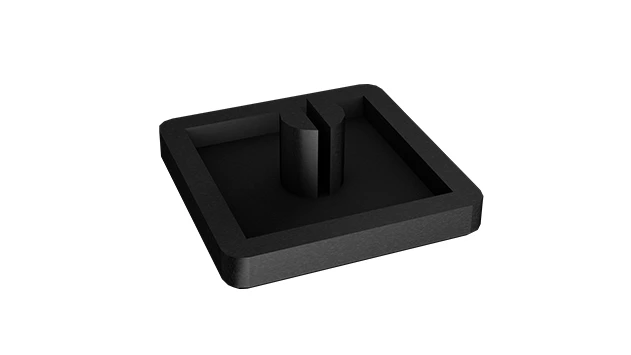
2020 Aluminum Profile End Cap
The aluminum profile end cap adds a finishing touch to your project and closes off profile ends to limit dust and debris buildup, also it can avaid some scratch for material and labor during the assemble work.
The Little Things That Make a Big Difference
Walk into any well-run workshop, factory floor, or production facility, and you'll notice something common: the details. It's not just the big machines or the high-tech tools that catch your eye—it's the small, intentional choices that make the space feel efficient, safe, and built for people. Maybe it's the smooth glide of a conveyor belt, the sturdy feel of a workbench, or the way materials flow seamlessly from one station to the next. These details don't just happen by accident; they're the result of thoughtful design, and often, they start with the smallest components.
Today, we're shining a spotlight on one such unsung hero: the 2020 aluminum profile end cap. If you're involved in setting up or maintaining a lean workstation, you've probably heard of aluminum profiles—those versatile, T-slotted rails that form the backbone of everything from workbenches to material racks. But what about the caps that go on their ends? At first glance, they might seem like an afterthought, a "nice-to-have" rather than a "need-to-have." But anyone who's spent time on a shop floor knows better. These tiny accessories play a huge role in making lean workstations safer, more durable, and even more efficient. Let's dive in.
What Are Lean Workstations, and Why Do They Matter?
Before we get to the end caps, let's take a step back and talk about lean workstations themselves. Lean manufacturing (or lean production) is all about eliminating waste—whether that's wasted time, wasted space, or wasted effort—to create a process that's as efficient and value-driven as possible. A lean workstation is the physical embodiment of that philosophy: a workspace designed to minimize movement, reduce errors, and keep workers comfortable and focused.
Think about it: A poorly designed workstation might have tools scattered across a cluttered surface, forcing workers to reach, bend, or twist unnecessarily. Materials might be stored too far away, leading to time wasted fetching supplies. Sharp edges or unstable structures could even put workers at risk of injury. None of that aligns with lean principles. A well-designed lean workstation, on the other hand, brings everything a worker needs within arm's reach, uses space wisely, and prioritizes safety and ergonomics. It's not just about speed—it's about creating a space where people can do their best work, day in and day out.
And at the heart of almost every modern lean workstation? Aluminum profiles. These lightweight yet strong extrusions are beloved for their flexibility: with the right accessories, you can build, modify, and reconfigure them to fit any task. Need a taller workbench? Add longer profiles. Want to attach a tool rack? Slide in a bracket using the T-slot. Aluminum profiles adapt to your needs, which is why they've become a staple in industries from automotive manufacturing to electronics assembly. But here's the thing: even the best aluminum profiles need a little help to live up to their full potential. That's where accessories like end caps come in.

Aluminum Profiles: The Backbone of Modern Lean Systems
Let's talk more about aluminum profiles, because to understand the importance of end caps, you first need to appreciate the profiles themselves. Aluminum extrusion profiles are created by forcing heated aluminum through a die, shaping it into long, uniform lengths with specific cross-sections. The "2020" in "2020 aluminum profile" refers to its dimensions: 20mm by 20mm, making it a popular choice for smaller to medium-sized structures like workbenches, shelving, and lightweight material racks.
What makes aluminum profiles so ideal for lean workstations? For starters, they're lightweight. Unlike steel, which can be bulky and hard to maneuver, aluminum is easy to transport, assemble, and reconfigure—perfect for facilities that need to adapt to changing production needs. But don't let their lightness fool you: aluminum profiles are surprisingly strong, especially when reinforced with the right joints and accessories. They're also resistant to corrosion, which means they hold up well in busy environments where spills, moisture, or chemicals might be a concern.
Then there's the T-slot design. Running along the length of each profile is a slot (or slots) that allows you to attach accessories—like brackets, shelves, casters, or even other profiles—without drilling or welding. This modularity is a game-changer for lean systems. Instead of building a custom workstation from scratch every time your needs change, you can simply adjust the profiles and accessories. Need to add a shelf? Slide a bracket into the T-slot and tighten a screw. Want to move the workstation? Add casters. It's flexibility that saves time, money, and frustration.
But here's a detail that's easy to overlook: the ends of these profiles. When aluminum is extruded, the cut ends can be sharp, rough, or uneven. Left uncovered, they're not just unsightly—they're a hazard. Imagine a worker reaching across a workbench and brushing against an exposed profile end, only to get a cut or a splinter. Or think about dust, debris, or moisture getting inside the hollow profile, causing corrosion from the inside out. Even small issues like these can add up, disrupting workflow, increasing maintenance costs, or worse, leading to injuries. That's where the 2020 aluminum profile end cap steps in.

Enter the 2020 Aluminum Profile End Cap: Small Accessory, Big Impact
So, what exactly is a 2020 aluminum profile end cap? Put simply, it's a small, often plastic or rubber cover designed to fit snugly over the exposed ends of 20mm x 20mm aluminum profiles. It's a simple concept, but its benefits are anything but. Let's break down why these little caps deserve a spot on your list of essential aluminum profile accessories.
Safety First: No More Sharp Edges
Let's start with the most critical benefit: safety. As mentioned earlier, the cut ends of aluminum profiles can be sharp—especially if they're not sanded or finished properly. In a busy lean workstation, where workers are moving quickly, reaching for tools, or handling materials, even a minor cut can lead to downtime, frustration, or worse. A single exposed end might not seem like a big deal, but multiply that by dozens of profiles in a typical setup (think workbench legs, shelf supports, or rack frames), and suddenly you've got multiple hazards waiting to happen.
End caps eliminate this risk by covering those sharp edges with a smooth, rounded surface. Run your hand along a capped profile, and you'll feel the difference: no more jagged edges, no more rough spots. It's a small change, but it makes the workstation feel safer and more intentional. Workers notice when their environment is designed with their well-being in mind, and that attention to detail can boost morale and reduce accidents. After all, a team that feels safe is a team that can focus on the task at hand, not on avoiding injuries.
Protecting Your Investment: Shielding Profiles from Wear and Tear
Aluminum profiles are durable, but they're not indestructible. The hollow interior of most profiles is vulnerable to dust, dirt, and moisture—especially in industrial settings where debris is common. Over time, these contaminants can build up inside the profile, causing corrosion, clogs, or damage to the T-slots. And if moisture gets trapped inside? That's a recipe for rust (yes, even aluminum can corrode under the right conditions), which weakens the profile and shortens its lifespan.
End caps act as a barrier, sealing off the ends of the profiles and keeping unwanted elements out. Think of them like the lid on a water bottle—simple, but effective at preventing spills (or in this case, debris). By keeping the interior clean and dry, end caps help extend the life of your aluminum profiles, saving you money in replacement costs down the line. They also protect the T-slots themselves. If a profile end is left exposed, the slot at the end can get bent or damaged, making it harder to insert accessories. A cap keeps that slot intact, ensuring your profiles remain easy to modify and reconfigure for years to come.
Aesthetics: Polishing the Look of Your Workbench
Let's talk about appearance. Lean workstations aren't just about function—they're also about creating a space that feels organized and professional. An exposed aluminum profile end, with its rough cut and raw edges, can make even the most well-designed workstation look unfinished. It's like wearing a sharp suit with scuffed shoes: the overall effect is diminished by the small, overlooked detail.
End caps clean up that look instantly. Available in a range of colors (like black, white, or gray, to match common profile finishes), they give profiles a neat, cohesive appearance. Whether you're setting up a workstation in a customer-facing area (like a retail stockroom or a lab) or just want your shop floor to feel more put-together, end caps add a touch of polish. And while aesthetics might seem like a minor concern compared to safety or durability, they matter more than you think. A clean, well-organized workspace sends a message: "We care about quality, and we care about our team." That message can boost pride in the workplace and even impress clients or auditors who visit your facility.
Durability: Making Your Lean System Last Longer
We've touched on how end caps protect profiles from debris and moisture, but they also add a layer of physical protection to the ends themselves. In busy environments, profiles can get bumped, knocked, or dragged—whether by workers moving equipment, forklifts navigating tight spaces, or materials being loaded and unloaded. An exposed end is vulnerable to dents, cracks, or bending, which can weaken the profile and make it harder to connect with other components.
End caps act as a buffer. Made from tough materials like nylon or polypropylene, they absorb impact and protect the profile's end from damage. It's like putting a bumper on a car—you hope you never need it, but when you do, you're glad it's there. Over time, this added protection can save you from having to replace bent or damaged profiles, which is a big win for any lean operation focused on reducing waste (including waste from unnecessary replacements).
Choosing the Right 2020 Aluminum Profile End Cap: Material Matters
Not all end caps are created equal. When shopping for 2020 aluminum profile end caps, you'll notice they come in different materials, each with its own strengths and best-use cases. Let's compare the most common options to help you choose the right one for your lean workstation.
| Material | Durability | Safety | Aesthetics | Best For |
|---|---|---|---|---|
| Plastic (Nylon/Polypropylene) | High—resistant to impact and chemicals; lightweight | Excellent—smooth, non-slip surface; no sharp edges | Good—available in neutral colors (black, white, gray); sleek finish | General-purpose workbenches, material racks, and indoor lean workstations |
| Rubber | High—flexible, absorbs impact well; resistant to wear | Excellent—soft, non-abrasive surface; reduces noise from impacts | Good—matte finish; available in limited colors (often black or gray) | Workstations with frequent material movement (e.g., near conveyors or roller tracks); areas where noise reduction is key |
| Metal (Aluminum/Steel) | Very high—extremely strong; resistant to heavy impacts | Good—smooth finish, but can be cold to the touch; heavier than plastic/rubber | Excellent—matches aluminum profiles for a seamless look; professional appearance | Heavy-duty applications (e.g., industrial workbenches, outdoor use, or environments with extreme temperatures) |
Plastic end caps (usually made from nylon or polypropylene) are the most popular choice for most lean workstations. They're affordable, lightweight, and come in a range of colors to match your profiles. They offer great impact resistance and are easy to install—most just snap into place without the need for tools. Rubber end caps are a close second, especially in areas where noise or vibration is a concern (like near a conveyor with rolling materials). Their flexibility helps absorb shocks, and they're less likely to scratch other surfaces if the workstation is moved.
Metal end caps (often aluminum or steel) are the heavyweights of the bunch. They're ideal for industrial settings where the workstation might be subjected to heavy impacts, extreme temperatures, or harsh chemicals. They're more expensive than plastic or rubber, but their durability makes them worth the investment for high-stress environments. Plus, they blend seamlessly with aluminum profiles, giving the workstation a sleek, unified look.
Installation Made Simple: How to Attach 2020 Aluminum Profile End Caps
One of the best things about 2020 aluminum profile end caps is how easy they are to install. Unlike some accessories that require specialized tools or technical know-how, end caps are designed for quick, hassle-free attachment. Here's a step-by-step guide to get you started:
- Clean the profile end: Before installing the cap, wipe the end of the aluminum profile with a dry cloth to remove any dust, dirt, or debris. This ensures a tight, secure fit.
- Align the cap: Most end caps are designed to fit snugly into the profile end. Look for the "lip" or ridge on the inside of the cap—it should line up with the edge of the profile.
- Press firmly: With the cap aligned, press firmly on the center of the cap until you hear a "click" or feel it snap into place. For plastic or rubber caps, a little pressure is usually enough. For metal caps, you might need to tap gently with a rubber mallet (be careful not to damage the cap or profile).
- Check the fit: Give the cap a gentle tug to make sure it's secure. It shouldn't wiggle or fall off easily. If it feels loose, remove it, check for debris, and try again.
That's it! No drilling, no screws, no complicated instructions. Even if you're new to working with aluminum profiles, you can install end caps in seconds. And if you ever need to remove a cap (to access the profile's interior for maintenance, for example), simply pry it off gently with a flathead screwdriver or your fingers—most caps are reusable, so you can reattach them later.
Real-World Impact: Stories from the Shop Floor
To really understand the value of 2020 aluminum profile end caps, let's look at a few hypothetical (but realistic) scenarios from real-world lean workstations.
Scenario 1: The Electronics Assembly Line – Imagine a lean workstation where workers assemble small circuit boards. The workbench is built with 2020 aluminum profiles, and for months, the ends are left exposed. One day, a worker reaches for a tool and brushes against an exposed profile end, getting a small cut on their hand. They pause to clean and bandage the wound, and the line slows down. After the incident, the facility manager orders 2020 aluminum profile end caps for all workstations. A month later, there are no more cuts, and workers report feeling more comfortable at their stations. Productivity picks up, and the team mentions the caps in their monthly feedback meeting: "It's the little things that make this place feel like they care."
Scenario 2: The Warehouse Material Rack – A warehouse uses 2020 aluminum profiles to build a lightweight material rack for storing small parts. Without end caps, dust and debris collect inside the profiles over time. When the team tries to reconfigure the rack (adding a new shelf using the T-slots), they find the slots are clogged with dirt, making it hard to insert brackets. They spend an hour cleaning out the profiles before they can proceed. After that, they install end caps on all rack profiles. Six months later, when they need to reconfigure again, the T-slots are clean and easy to access. The team saves time and frustration, and the rack looks newer than before.
These stories might seem small, but they highlight a bigger point: lean systems are about eliminating waste, and waste includes downtime, injuries, and unnecessary maintenance. 2020 aluminum profile end caps help eliminate those wastes, making the workstation more efficient by default.
Beyond End Caps: The Ecosystem of Aluminum Profile Accessories
Of course, end caps are just one piece of the puzzle when it comes to building a lean workstation. Aluminum profiles are designed to work with a wide range of accessories, each playing a role in creating a functional, efficient space. From casters that make workstations mobile to brackets that hold shelves, these accessories turn basic profiles into fully customized systems. Let's touch on a few key ones to see how end caps fit into the bigger picture:
- Joints and Connectors: These allow you to attach profiles at angles (90°, 45°, etc.) or connect multiple profiles together. Without strong, reliable joints, even the sturdiest profiles won't hold up.
- Casters and Wheels: Add mobility to workstations or material racks, making it easy to move them where they're needed most. Look for casters with brakes for stability when in use.
- Shelves and Panels: Transform profiles into work surfaces or storage areas. Options include aluminum honeycomb panels (lightweight and strong) or wooden shelves (warm and durable).
- Tool Holders and Hooks: Keep tools organized and within reach, reducing time spent searching for supplies.
While all these accessories are important, end caps stand out for their simplicity and universal value. No matter what kind of lean workstation you're building—whether it's a basic workbench or a complex material handling system—end caps are a must. They're the finishing touch that ties everything together, ensuring your workstation is safe, durable, and built to last.
Conclusion: Why the 2020 Aluminum Profile End Cap Deserves a Spot in Your Lean Workstation
At the end of the day, lean manufacturing is about more than just efficiency—it's about respect for people and continuous improvement. It's about looking at every part of the process, no matter how small, and asking: "Can this be better?" The 2020 aluminum profile end cap might seem like a tiny component, but it answers that question with a resounding "yes."
These caps make lean workstations safer by eliminating sharp edges. They protect your investment in aluminum profiles by keeping out debris and moisture. They improve aesthetics, making the space feel more professional and intentional. And they're easy to install, affordable, and reusable—aligning perfectly with lean principles of waste reduction and flexibility.
So, the next time you're setting up a lean workstation, don't overlook the end caps. They're not just an accessory—they're a statement. A statement that says you care about the details, you care about your team, and you're committed to building a workspace that works as hard as the people in it. After all, in lean manufacturing, the little things aren't just little—they're everything.