- Company Articles
- Products and Technology
- Product knowledge
- 2020 vs 3030 Aluminum Profile End Caps: Which to Choose?

2020 vs 3030 Aluminum Profile End Caps: Which to Choose?
Related Product
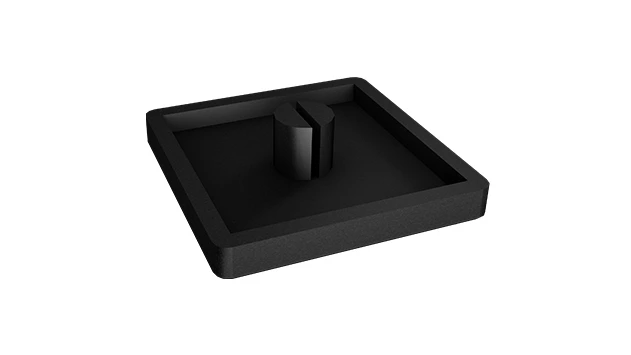
3030 Aluminum Profile End Cap
The aluminum profile end cap adds a finishing touch to your project and closes off profile ends to limit dust and debris buildup, also it can avaid some scratch for material and labor during the assemble work.
Walk into any modern factory, workshop, or even a tech startup's prototyping lab, and you'll likely spot the unsung heroes of industrial design: aluminum extrusion profiles. These sleek, modular beams form the backbone of workbenches, conveyor systems, material racks, and everything in between. They're loved for their strength, flexibility, and ease of assembly—but here's the thing: even the sturdiest aluminum profile is only as good as the accessories that complete it. Today, we're zooming in on one such accessory that's easy to overlook but critical to safety, functionality, and longevity: end caps. Specifically, we're breaking down the differences between 2020 and 3030 aluminum profile end caps, helping you decide which one deserves a spot in your next project.
Whether you're a small-scale maker building a custom workstation or a production manager outfitting an entire assembly line, choosing the right end cap isn't just about "finishing the job." It's about protecting your team from sharp edges, keeping debris out of profile T-slots, and ensuring your setup stands the test of time. Let's dive in.
First Things First: What Are Aluminum Profile End Caps, Anyway?
Before we compare 2020 and 3030 end caps, let's make sure we're on the same page about what these little components actually do. Aluminum profile end caps are, quite literally, the caps that fit snugly onto the exposed ends of aluminum extrusion profiles. Think of them as the "toe caps" of the industrial world—small, but mighty in their purpose.
Here's why they matter:
- Safety First: Raw aluminum profile ends are sharp. A misplaced hand or a sliding tool could easily result in a cut. End caps blunt these edges, turning a hazard into a non-issue.
- Debris Defense: Dust, dirt, and small (parts) love to sneak into the open T-slots of aluminum profiles. Over time, this buildup can gunk up connections or corrode the metal. End caps seal off these entry points.
- Aesthetic Appeal: Let's be honest—exposed profile ends look unfinished. End caps give your setup a polished, professional look, which matters whether you're showcasing a prototype to clients or boosting team morale with a clean workspace.
- Structural Support (Sometimes): While not all end caps add structural rigidity, some heavier-duty options (like aluminum end caps) can reinforce the profile's end, preventing bending or warping under load.
Now, not all end caps are created equal. They come in different sizes, materials, and designs—all tailored to fit specific aluminum profiles. Which brings us to the stars of the show: 2020 and 3030 end caps.
Meet the Contenders: 2020 vs 3030 Aluminum Profiles
To understand end caps, we first need to talk about the profiles they're designed for. The numbers "2020" and "3030" refer to the cross-sectional dimensions of the aluminum extrusion profiles, measured in millimeters. So, a 2020 profile is 20mm wide by 20mm tall, and a 3030 profile is 30mm wide by 30mm tall. Simple enough, right? But these small differences in size translate to big differences in how the profiles (and their end caps) perform.
2020 Aluminum Profiles: The Compact Workhorses
2020 profiles are the "lightweights" of the aluminum extrusion world, but don't let their size fool you. They're incredibly versatile, making them a favorite for projects where space, weight, and precision matter most. Think small workbenches, electronic enclosures, 3D printer frames, or test fixtures. Their narrow width (20mm) means they're easy to maneuver and assemble, even in tight spaces.
Because 2020 profiles are often used in lighter-duty applications, their end caps are designed to match: compact, lightweight, and easy to install. Most 2020 end caps are made of plastic (like ABS or nylon) for cost-effectiveness, though aluminum options exist for more demanding setups.
3030 Aluminum Profiles: The Heavy-Duty Champions
3030 profiles, on the other hand, are the "powerlifters." At 30mm x 30mm, they're sturdier, can handle more weight, and are built for industrial-grade applications. You'll find them in material racks, conveyor frames, heavy-duty workstations, and automotive assembly lines. Their larger size means more surface area for attaching accessories (like brackets or panels) and greater stability under load.
Unsurprisingly, 3030 end caps are beefier, too. They're often thicker, made of tougher plastics or aluminum, and designed to withstand more wear and tear. After all, if your 3030 profile is holding up a rack of heavy metal parts, its end caps need to keep up.

Deep Dive: 2020 Aluminum Profile End Caps
Let's zoom in on 2020 end caps. These little components are all about balance: they're affordable, easy to work with, and get the job done without adding unnecessary bulk. Here's what you need to know:
Key Features of 2020 End Caps
Size & Fit: 2020 end caps are designed to slide or snap into the 20mm x 20mm opening of a 2020 profile. They're typically slightly tapered to ensure a tight, secure fit—no wiggling or falling off mid-use.
Materials: Plastic is the go-to here. ABS and nylon are common choices because they're lightweight, impact-resistant, and budget-friendly. For applications where chemical resistance or higher durability is needed, you might find 2020 end caps made of polypropylene or even aluminum (though aluminum options are less common for 2020 profiles).
Installation: Most 2020 end caps are "snap-on" or "push-fit." That means no tools required—just align the cap with the profile end and press firmly until it clicks into place. This is a huge plus for quick setups or projects that need frequent reconfiguration.
Design Variations: While basic 2020 end caps are simple flat disks, some come with extra features. For example, "vented" end caps have small holes to allow airflow (useful in electronic enclosures), while "flanged" end caps have a lip that sits flush against the profile's surface for a cleaner look.
Best Applications for 2020 End Caps
2020 end caps shine in projects where the profile itself is used for light to medium loads. Think:
- Small Workstations: A benchtop setup for assembling small electronics or jewelry—where the focus is on precision, not heavy lifting.
- Prototyping Rigs: 3D printer frames, CNC machine enclosures, or test stands that need to be lightweight and easy to modify.
- Retail Displays: Custom shelving or product stands where aesthetics and portability matter more than industrial strength.
- Home Workshops: DIY projects like tool organizers or hobby tables, where cost and ease of assembly are top priorities.
Pros of 2020 End Caps
- Affordable: Plastic 2020 end caps are cheap—often less than $1 per unit. This makes them ideal for projects on a tight budget.
- Lightweight: They add almost no extra weight to your setup, which is crucial for mobile applications (like rolling carts).
- Easy to Install: Snap-on design means you can install them in seconds, no tools needed.
- Low Profile: Their small size keeps your setup looking sleek and uncluttered.
Cons of 2020 End Caps
- Limited Durability: Plastic end caps can crack or wear down over time, especially if exposed to heavy impacts or harsh chemicals.
- Not for Heavy Loads: While 2020 profiles can handle some weight, their end caps aren't designed for extreme stress. If your setup involves heavy parts sliding over the profile ends, plastic caps might not hold up.
- Fewer Material Options: Aluminum or metal 2020 end caps are harder to find and more expensive, limiting your choices for specialized applications.

Deep Dive: 3030 Aluminum Profile End Caps
Now, let's turn to 3030 end caps. These are the "tough guys" of the end cap world, built to match the ruggedness of 3030 profiles. If your project involves heavy loads, industrial environments, or high traffic, 3030 end caps are likely your best bet.
Key Features of 3030 End Caps
Size & Fit: 3030 end caps are larger, designed to cover the 30mm x 30mm opening of a 3030 profile. They're often thicker than 2020 caps, with a more robust construction to handle the profile's increased load capacity.
Materials: While plastic options exist (for cost-sensitive projects), 3030 end caps frequently come in aluminum or reinforced plastic. Aluminum end caps, in particular, are popular for industrial use—they're corrosion-resistant, impact-resistant, and can withstand higher temperatures.
Installation: Unlike the snap-on 2020 caps, some 3030 end caps require screws or bolts for a secure fit. This is because 3030 profiles are often used in applications where vibration or heavy movement could dislodge a simple push-fit cap. That said, there are still "press-fit" 3030 options for faster setups—just look for ones with a tighter tolerance.
Design Variations: 3030 end caps often come with extra reinforcement. For example, "ribbed" designs add strength, while "flanged" caps with rubber gaskets provide a better seal against dust and moisture. Some even have threaded holes for attaching additional components, like feet or brackets.
Best Applications for 3030 End Caps
3030 end caps are built for the big leagues. They're ideal for:
- Industrial Workstations: Heavy-duty assembly lines, welding stations, or machining centers where the profile supports tools, fixtures, or large parts.
- Material Racks & Storage: Pallet racks, shelving units, or flow racks that hold heavy inventory (think automotive parts, machinery components, or raw materials).
- Conveyor Systems: The frames of roller conveyors or belt conveyors, which endure constant vibration and stress.
- Outdoor Setups: Since aluminum 3030 end caps resist rust, they're great for outdoor workbenches, storage sheds, or construction site temporary structures.
Pros of 3030 End Caps
- Durability: Whether plastic-reinforced or aluminum, 3030 end caps are built to last. They stand up to impacts, chemicals, and heavy use better than their 2020 counterparts.
- Heavy-Duty Performance: They're designed to complement 3030 profiles' high load capacity, so you won't have to worry about caps cracking under pressure.
- More Material Choices: From standard plastic to high-grade aluminum, there's a 3030 end cap for every environment—including ESD (electrostatic discharge) options for electronics manufacturing.
- Secure Fit: Screw-on or tight press-fit designs mean these caps stay put, even in high-vibration settings.
Cons of 3030 End Caps
- Cost: Aluminum 3030 end caps can cost 2–3 times more than plastic 2020 caps. If you're working with a lot of profiles, this adds up quickly.
- Weight: Aluminum end caps add extra weight to your setup, which might be a downside if portability is key.
- Installation Time: Screw-on caps take longer to install than snap-on ones, which could slow down assembly for large projects.
2020 vs 3030 End Caps: The Ultimate Comparison Table
| Feature | 2020 Aluminum Profile End Caps | 3030 Aluminum Profile End Caps |
|---|---|---|
| Compatible Profile Size | 20mm x 20mm aluminum profiles | 30mm x 30mm aluminum profiles |
| Typical Materials | ABS plastic, nylon (rarely aluminum) | Reinforced plastic, aluminum, stainless steel |
| Installation Method | Push-fit/snap-on (no tools needed) | Push-fit or screw-on (some require tools) |
| Cost (Per Unit) | $0.50–$2.00 (plastic) | $1.50–$5.00 (plastic); $3.00–$10.00 (aluminum) |
| Best For | Light to medium loads, small workstations, prototyping | Heavy loads, industrial environments, outdoor use |
| Durability | Moderate (good for low-impact use) | High (resists impacts, corrosion, and temperature extremes) |
| Weight | Light (5–10g per cap) | Heavier (15–30g per cap for plastic; 30–50g for aluminum) |
How to Choose: 5 Questions to Ask Yourself
Now that you know the basics, how do you decide between 2020 and 3030 end caps? It all comes down to your specific project. Ask yourself these five questions:
1. What Size Profile Am I Using?
This might seem obvious, but it's worth repeating: end caps are designed to fit specific profile sizes. A 2020 end cap won't fit a 3030 profile, and vice versa. Double-check your profile dimensions before ordering—measure twice, buy once!
2. What's the Load Capacity of My Setup?
If your aluminum profile is holding up a few pounds of tools, 2020 plastic caps are fine. But if it's supporting a 50kg material rack or a conveyor belt loaded with parts, 3030 aluminum caps are non-negotiable. Remember: the end cap is the last line of defense against debris and damage—don't skimp here.
3. Where Will the Setup Be Located?
Indoor, climate-controlled environments are gentle on end caps—plastic 2020 caps will thrive. But if your setup is in a factory with oil, chemicals, or heavy machinery, or outdoors exposed to rain and sun, 3030 aluminum caps are more resistant to wear and corrosion.
4. How Important Is Installation Speed?
Need to assemble your workstation in a day? 2020 snap-on caps are your friend. Working on a long-term industrial project where stability matters more than speed? Screw-on 3030 caps are worth the extra time.
5. What's My Budget?
Plastic 2020 caps are budget-friendly, making them great for hobbyists or small businesses. But if you're building something that needs to last 5+ years, investing in 3030 aluminum caps will save you money in replacements down the line.
Real-World Examples: When to Pick Which
Still on the fence? Let's look at two scenarios to see how these choices play out in real life.
Scenario 1: The Hobbyist's Workshop
Maya is a hobbyist electronics maker who wants to build a small workbench for soldering and prototyping. She's using 2020 aluminum profiles because they're lightweight and easy to cut to size. Her workbench will hold a soldering iron, a few tools, and a laptop—nothing heavy. For her, 2020 plastic end caps are perfect: they're cheap, quick to install, and keep the bench looking clean. She doesn't need aluminum caps here; the plastic ones will last years in her garage workshop.
Scenario 2: The Automotive Parts Manufacturer
Carlos manages a production line for automotive brake parts. His team uses 3030 aluminum profiles to build material racks that hold heavy metal components. These racks are moved daily with forklifts, and parts slide in and out constantly. For Carlos, 3030 aluminum end caps are a must. They stand up to the constant impact of parts, resist the oil and grease in the factory, and won't crack under the weight of the racks. The extra cost is worth it to avoid downtime from broken caps or safety incidents.
Common Mistakes to Avoid
Even with the best intentions, it's easy to make missteps when choosing end caps. Here are a few pitfalls to steer clear of:
Mistake 1: Choosing Based on Price Alone
It's tempting to grab the cheapest end caps, but remember: a $1 plastic cap that breaks in a month costs more in the long run than a $5 aluminum cap that lasts five years. Assess your needs first, then budget accordingly.
Mistake 2: Ignoring Material Compatibility
Not all plastics are created equal. If your setup involves chemicals (like solvents or coolants), make sure your end caps are made of a resistant material (like polypropylene). Aluminum caps are a safer bet for harsh environments.
Mistake 3: Overlooking Installation Tools
Snap-on caps are great for speed, but if you order screw-on 3030 caps without realizing you need a drill or hex key, you'll be stuck. Check the installation requirements before purchasing.
Mistake 4: Forgetting About Future Modifications
If you think you might reconfigure your setup later, opt for snap-on caps—they're easier to remove and reuse. Screw-on caps can strip threads if taken off too many times.
FAQs: Your End Cap Questions Answered
We've covered a lot, but you might still have questions. Here are answers to the most common ones:
Q: Can I Use 2020 End Caps on 3030 Profiles (or Vice Versa)?
A: No. The size difference means they won't fit snugly, leaving gaps that let in debris or create safety hazards. Always match end caps to profile size.
Q: Are Aluminum End Caps Worth the Extra Cost?
A: It depends on your use case. For industrial, high-load, or outdoor setups? Yes. For a small hobby bench? Probably not.
Q: How Do I Remove a Stuck End Cap?
A: For snap-on caps, gently pry with a flathead screwdriver (cover the profile with tape to avoid scratches). For screw-on caps, use the appropriate tool—don't force it, as you could damage the profile.
Q: Can I Paint End Caps to Match My Setup?
A: Yes! Plastic caps can be painted with acrylic or spray paint (sand lightly first for adhesion). Aluminum caps can be powder-coated or painted with metal-specific paint.
Final Thoughts: It's All About Balance
Choosing between 2020 and 3030 aluminum profile end caps isn't about picking a "winner"—it's about finding the right tool for the job. 2020 caps are the affordable, flexible choice for small-scale, light-duty projects. 3030 caps are the rugged, long-lasting option for industrial, heavy-load setups.
At the end of the day, the best end cap is the one that keeps your team safe, your setup running smoothly, and your budget in check. So measure your profiles, assess your load, and don't forget to factor in the environment. Your future self (and your aluminum extrusion setup) will thank you.
Now go out there and build something amazing—with the perfect end caps, of course.