- Company Articles
- Products and Technology
- Installation And Maintenance
- 2020r EU Standard Aluminum Profile Maintenance: Cleaning & Longevity Tips

2020r EU Standard Aluminum Profile Maintenance: Cleaning & Longevity Tips
Related Product
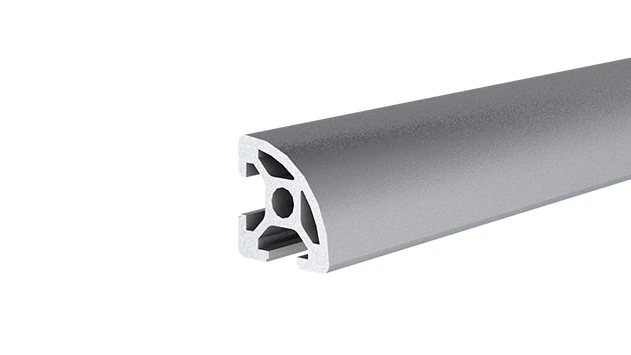
2020R EU Standard Aluminum Profile
2020R is a 2.00 x 2.00CM fractional 20 series square extrusion T-slot profile with four open T-slots, two side with 2.00cm face, the other side with round face. The profile has align-a-grooves to assist in aligning connecting profiles.
Introduction: The Backbone of Your Workspace
Walk into any well-run workshop, manufacturing floor, or even a busy home garage, and you'll likely spot something common: sleek, sturdy aluminum profiles holding up workbenches, organizing tools, or supporting material racks. These unassuming structures are the unsung heroes of efficiency, quietly keeping operations running smoothly day in and day out. Among the most popular choices in modern workspaces is the 2020r EU Standard Aluminum Profile—a versatile, durable option that's become a staple in lean system setups worldwide. But here's the thing: even the toughest materials need a little care. Without proper maintenance, that shiny new profile you installed last year might start showing signs of wear sooner than you'd expect, leading to wobbly workbenches, stuck sliding parts, or even safety hazards.
In this guide, we're diving deep into everything you need to know about maintaining your 2020r EU Standard Aluminum Profile. Whether you're a small business owner trying to keep your workshop in top shape, a facility manager overseeing a bustling production line, or a DIY enthusiast who takes pride in their setup, these tips will help you extend the life of your profiles, keep your workspace efficient, and avoid costly replacements down the line. We'll cover cleaning basics, the role of often-overlooked accessories like aluminum profile rubber strips and end caps, how to spot early signs of trouble, and even how proper maintenance ties back to the principles of lean systems—because a well-maintained workspace isn't just about longevity; it's about keeping your workflow lean, mean, and waste-free.
Understanding the 2020r EU Standard Aluminum Profile
Before we jump into maintenance, let's make sure we're all on the same page about what exactly the 2020r EU Standard Aluminum Profile is. If you've ever assembled a workbench, built a storage rack, or set up a conveyor system, chances are you've handled one of these. The "2020" refers to its dimensions: 20mm in width and 20mm in height, making it compact enough for tight spaces but robust enough to handle everyday loads. The "r" often denotes a rounded edge design, which isn't just for looks—those smooth edges reduce the risk of scratches on tools or injuries to workers, a small detail that makes a big difference in busy environments.
What sets the EU standard apart? These profiles are manufactured to strict European quality guidelines, ensuring consistent thickness, precise T-slot dimensions (the grooves that let you attach accessories), and resistance to corrosion. This attention to detail is why they're a favorite in industries where precision matters, from electronics assembly to automotive manufacturing. They're lightweight too—much easier to handle than steel—yet surprisingly strong, thanks to their aluminum extrusion profile construction, which reinforces the material without adding extra bulk.
But here's the key point: their durability doesn't make them indestructible. Dust, grease, moisture, and even the occasional bump or scrape can take a toll over time. That's where maintenance comes in. Think of your 2020r profiles like a car—they'll run fine for a while without much care, but regular tune-ups will keep them performing at their best for years longer.

Cleaning Fundamentals: Start with the Basics
Let's start with the simplest, most often overlooked part of maintenance: regular cleaning. You might think, "It's just aluminum—how dirty can it get?" But in a typical workspace, dust, oil from machinery, fingerprints, and even spills (think coolant, lubricants, or that accidental coffee splash) build up faster than you'd expect. Left unchecked, these can not only make your profiles look unprofessional but also interfere with how well accessories like brackets or sliding components work. For example, a layer of grease in the T-slot can make it hard to slide in a new aluminum profile end cap or tighten a bolt, slowing down your workflow.
So, what's the right way to clean your 2020r EU Standard Aluminum Profile? Let's break it down by frequency and technique.
Daily Wipe-Down: Quick and Effective
For most workspaces, a daily wipe-down with a dry or slightly damp microfiber cloth is enough to prevent dust and light debris from accumulating. Microfiber is key here because it's soft enough not to scratch the aluminum's surface but effective at picking up particles that might otherwise cling to the profile. Focus on high-touch areas, like the edges of workbenches or the rails of material racks, where fingerprints and smudges are most common. If you notice a fresh spill, wipe it up immediately—don't let it dry, as some liquids (like certain oils) can leave stains if they sit too long.
Weekly Deep Clean: Tackling Stubborn Buildup
Once a week, step it up with a mild cleaning solution. Mix a few drops of dish soap (the kind you use for hand-washing dishes, not heavy-duty degreasers) with warm water in a bucket. Dip a soft sponge or cloth into the solution, wring it out so it's damp (not soaking), and gently wipe down the entire profile. Pay extra attention to T-slots and corners, where dust and grime like to hide. After wiping, go over the profile again with a clean, damp cloth to remove any soap residue, then dry it thoroughly with a microfiber towel. Why dry? Standing water can lead to water spots, and in humid environments, even small droplets might encourage mild oxidation over time.
Avoid These Common Mistakes
Not all cleaning methods are created equal. Steer clear of abrasive tools like steel wool, scouring pads, or rough brushes—these can scratch the aluminum's anodized finish, leaving it vulnerable to corrosion. Harsh chemicals, including bleach, ammonia-based cleaners (unless specifically labeled safe for aluminum), and acidic solutions like vinegar (we'll make an exception for mild oxidation later), should also be avoided. Even some glass cleaners can be too harsh, so always test a small, inconspicuous area first if you're unsure about a product.
| Stain Type | Cleaning Method | Tools Needed | Precautions |
|---|---|---|---|
| Dust & Light Debris | Wipe with dry microfiber cloth | Microfiber cloth | Avoid rough fabrics that may scratch |
| Fingerprints/Smudges | Damp cloth with mild soap solution | Soft sponge, dish soap, water | Rinse thoroughly to remove soap |
| Grease/Oil Spills | Apply soapy water, let sit 1-2 minutes, wipe | Soft sponge, dish soap, warm water | Don't use metal scrapers; gently blot first |
| Mild Oxidation (White Spots) | 1:3 vinegar-water solution, wipe, rinse | Soft cloth, vinegar, water | Limit exposure to 30 seconds; rinse immediately |
The Unsung Heroes: Aluminum Profile Accessories
When we talk about maintaining your 2020r EU Standard Aluminum Profile, it's easy to focus solely on the profile itself—but the accessories that go with it play a huge role in its performance and longevity. Two of the most critical? Aluminum profile rubber strips and aluminum profile end caps. These small, often inexpensive parts are like the "seatbelts" of your profile system: you might not think about them daily, but they protect against damage and keep everything running smoothly.
Aluminum Profile Rubber Strip: Sealing the Deal
Take a look at the T-slots on your profile—chances are there's a thin rubber strip running along the edge. This strip serves two main purposes: first, it seals the slot against dust, debris, and moisture, preventing buildup that could jam accessories or corrode the aluminum from the inside. Second, it acts as a buffer, reducing noise when sliding components (like brackets or shelves) into place and preventing metal-on-metal contact that might scratch the slot's edges.
Over time, rubber strips can dry out, crack, or become dislodged, especially if they're exposed to direct sunlight, extreme temperatures, or harsh chemicals. To maintain them, include a quick check during your weekly cleaning: inspect the strip for signs of wear, like cracks, tears, or areas where it's pulled away from the slot. If you notice damage, replace the strip immediately—they're affordable and easy to install (simply peel off the old one and press the new one into the slot). Pro tip: Choose a strip made from EPDM rubber if your workspace is exposed to temperature fluctuations; it's more resistant to aging than standard rubber.
Aluminum Profile End Cap: Protection at the Edges
Ever run your hand along the end of an aluminum profile and felt a sharp edge? That's where end caps come in. These small plastic or rubber covers snap onto the ends of the profile, covering the raw, cut edges to prevent injuries and keep out dust, dirt, and moisture that might enter the profile's hollow interior. They also give your setup a polished, professional look—no more ragged edges ruining the aesthetic of your workspace.
End caps can loosen over time, especially if the profile is moved or bumped frequently. During your inspection, give each end cap a gentle tug to ensure it's securely in place. If one is missing or cracked, replace it right away. For profiles used in high-traffic areas (like the corners of workbenches), consider upgrading to thicker, more durable end caps—some manufacturers even offer reinforced versions designed for heavy use. When installing a new end cap, make sure the profile's end is clean and free of debris; a little dust can prevent the cap from seating properly.
Other Accessories to Watch
While rubber strips and end caps are the stars, don't forget about other aluminum profile accessories that contribute to your system's health. Brackets, connectors, and fasteners can loosen with vibration, so give them a quick check during your weekly inspection and tighten as needed. If you notice a bracket that's bent or a connector that's cracked, replace it immediately—compromised accessories can put extra stress on the profile, leading to warping or failure over time.
Regular Inspection: Catch Problems Before They Grow
Cleaning is important, but even the cleanest profile can develop issues if you're not paying attention. Regular inspections are your first line of defense against small problems turning into big, expensive ones. Think of it like going to the doctor for a checkup—catching a minor issue early is always better than waiting until it becomes a major headache.
Monthly Inspection Checklist
Set aside 15-20 minutes once a month to walk through your workspace and inspect all 2020r EU Standard Aluminum Profile systems. Use this checklist to stay organized:
- Visual Check: Look for dents, bends, or scratches in the profile. Even small dents can weaken the structure, especially if they're near T-slots or connectors. Scratches that expose bare aluminum (not just the anodized finish) should be treated with a touch-up pen designed for aluminum to prevent corrosion.
- Structural Integrity: Gently shake workbenches, racks, or other structures built with the profiles to check for wobbling. Excessive movement could mean loose connectors, damaged profiles, or uneven weight distribution. If a structure feels unstable, stop using it until you identify the cause—safety first!
- T-Slot Condition: Run your finger along the T-slots (gently!) to feel for debris, dents, or corrosion. A slot that's bent or blocked can make it impossible to attach new accessories. Use a small, soft brush (like a toothbrush) to clean out any dirt that your weekly wipe-down missed.
- Accessory Wear: As mentioned earlier, check rubber strips, end caps, brackets, and connectors for signs of wear. replace anything that's damaged or worn beyond repair.
- Load Capacity: Take a moment to ensure you're not overloading your profiles. Even the strongest aluminum extrusion profile has limits—check the manufacturer's specs for weight limits and make sure your shelves, racks, or workbenches aren't carrying more than they should. Overloading can cause profiles to bend or warp over time, which is often irreversible.
Documenting Issues: A Lean System Habit
Here's a pro tip inspired by lean system principles: keep a simple log of your inspections. Note dates, any issues found, and how you resolved them. Over time, this log can help you spot patterns—maybe a particular rack has loose end caps, or a certain profile shows signs of oxidation faster than others. Identifying these patterns lets you address root causes, whether it's adjusting the workspace layout to reduce bumps, improving ventilation in humid areas, or switching to more durable accessories for high-stress components. It also ensures consistency, especially if multiple people are responsible for maintenance.
Addressing Common Issues: Troubleshooting Guide
Even with the best maintenance, problems can pop up. The key is to address them quickly before they escalate. Let's walk through some of the most common issues with 2020r EU Standard Aluminum Profiles and how to fix them.
Problem 1: Mild Oxidation (White Spots or Film)
Aluminum naturally forms a thin oxide layer that protects it from corrosion, but in humid environments or if the profile is exposed to salt (like near coastal areas) or certain chemicals, this layer can become uneven, leading to white, powdery spots or a hazy film. If caught early, this is usually easy to fix. Mix equal parts water and white vinegar in a spray bottle, spray the affected area, and let it sit for 30 seconds (no longer—vinegar is acidic and can damage the anodized finish if left too long). Gently wipe with a soft cloth, then rinse thoroughly with water and dry. For stubborn spots, repeat the process, but be careful not to scrub too hard—you don't want to remove the protective oxide layer entirely.
Problem 2: Scratches and Gouges
Scratches happen, especially in busy workshops. For shallow scratches (where you can't feel the groove with your fingernail), try buffing them out with a metal polish designed for aluminum. Apply a small amount of polish to a soft cloth, rub in a circular motion, and then wipe clean with a microfiber towel. For deeper scratches, you may need to use a fine-grit sandpaper (400-grit or higher) to gently sand the area, then follow with polish to restore shine. If the scratch exposes bare aluminum (you'll see a silver line instead of the profile's anodized color), apply a touch-up pen or clear nail polish to seal the area and prevent corrosion.
Problem 3: Bent or Warped Profiles
Bent profiles are trickier. Minor bends (less than 5 degrees) can sometimes be corrected by gently applying pressure with a rubber mallet (never use a metal hammer—you'll dent the profile). Place a block of wood against the bent area to distribute the force, then tap lightly until the profile is straight. For more severe bends, or if the bend is near a T-slot or connector, it's safer to replace the profile. Bent profiles compromise the structural integrity of your system, and trying to straighten them too aggressively can weaken the aluminum, leading to failure later.
Problem 4: Loose or Stuck Accessories
Accessories that won't tighten or slide smoothly are often a sign of debris in the T-slot. Use a small brush or compressed air to clean out the slot, then apply a tiny amount of silicone lubricant (avoid oil-based lubricants, which attract dust) to help accessories slide more easily. If a fastener (like a bolt or nut) is stuck, spray it with a penetrating oil (like WD-40) and let it sit for 10-15 minutes before trying to loosen it. For stripped T-slots (where fasteners no longer grip), you may need to replace the profile—stripping is usually irreversible.
Longevity Strategies: Making Your Profiles Last
Maintenance isn't just about fixing problems—it's about preventing them in the first place. With a few proactive habits, you can extend the life of your 2020r EU Standard Aluminum Profile system by years, saving time, money, and frustration.
Control the Environment
Aluminum is resistant to corrosion, but it's not immune. If your workspace is humid, salty (like near the ocean), or exposed to chemicals, take steps to protect your profiles. Use dehumidifiers to keep moisture levels below 60%, and clean up chemical spills immediately. If possible, position profiles away from direct sources of moisture, like leaky pipes or open windows during rain. For outdoor use (though 2020r profiles are more commonly indoor), consider adding a protective coating or choosing anodized profiles with a thicker oxide layer.
Train Your Team
Even the best maintenance plan fails if your team isn't on board. Take 10 minutes to train everyone who uses the workspace on basic care: how to clean up spills, how to properly attach/detach accessories without forcing them, and how to report damage or loose components. Encourage a "see something, say something" attitude—if someone notices a loose end cap or a bent profile, they should feel comfortable flagging it instead of ignoring it. A little awareness goes a long way toward preventing small issues from becoming big ones.
Invest in Quality from the Start
It's tempting to cut costs with cheaper, non-standard profiles or accessories, but in the long run, it usually backfires. EU standard profiles are manufactured to higher quality control standards, with consistent dimensions and better materials that stand up to wear and tear. Similarly, investing in durable accessories (like reinforced end caps or EPDM rubber strips) reduces the need for frequent replacements. When shopping for profiles, look for certifications like ISO 9001, which indicate the manufacturer follows strict quality management practices.
Plan for Growth and Change
Workspaces evolve, and your aluminum profile system should too. Instead of overloading a rack or forcing a profile to do something it wasn't designed for, plan ahead. If you need to add more storage or reconfigure a workbench, do it properly—use the right connectors, reinforce where necessary, and check weight limits. Modifying your system thoughtfully (instead of improvising) reduces stress on the profiles and ensures they continue to perform as intended. Many suppliers offer design tools or consultation services to help you plan changes without compromising your system's integrity.
Integrating with Lean Systems: Efficiency Through Maintenance
At this point, you might be wondering, "How does cleaning rubber strips and tightening end caps tie into lean systems?" Great question. Lean system principles—like eliminating waste, optimizing flow, and continuous improvement—are all about making your workspace as efficient and effective as possible. A well-maintained aluminum profile system directly supports these goals in three key ways:
Reducing Downtime
Nothing kills efficiency like unexpected downtime. A wobbly workbench that needs to be repaired, a stuck conveyor rail because of a dirty T-slot, or a collapsed shelf due to a bent profile—all of these disrupt workflows, frustrate employees, and waste time that could be spent on productive tasks. Regular maintenance prevents these issues, keeping your operations running smoothly and reducing the need for emergency repairs that pull workers away from their jobs.
Minimizing Waste
Lean systems hate waste, and premature replacement of profiles and accessories is a major waste of resources. By extending the life of your 2020r EU Standard Aluminum Profile system, you reduce the need to buy new materials, cut down on landfill waste, and lower your overall costs. Even small savings add up—if proper maintenance doubles the life of a profile, you're essentially halving the cost of that component over time.
Supporting 5S Principles
The 5S methodology (Sort, Set in Order, Shine, Standardize, Sustain) is a cornerstone of lean systems, and maintenance fits right in. "Shine" (keeping the workspace clean and organized) includes cleaning and inspecting your profiles, while "Standardize" means creating consistent maintenance routines that everyone follows. "Sustain" ensures those routines become habits, not one-time tasks. By integrating profile maintenance into your 5S practices, you create a workspace that's not just clean, but consistently efficient and safe.
For example, during the "Shine" phase of 5S, your team can combine daily cleaning of workbenches with a quick wipe-down of the aluminum profiles. During "Standardize," you can document your inspection checklist and maintenance schedule, ensuring everyone knows what to do and when. Over time, these habits become second nature, and your profile system becomes a reliable foundation for lean operations.
Conclusion: Small Efforts, Big Rewards
Maintaining your 2020r EU Standard Aluminum Profile system might not be the most glamorous task in your workspace, but it's one of the most impactful. A little daily cleaning, weekly inspections, and prompt replacement of worn accessories like aluminum profile rubber strips and end caps can extend the life of your profiles by years, keeping your workspace efficient, safe, and professional. And when you tie that maintenance into lean system principles, you're not just preserving materials—you're building a culture of continuous improvement that benefits your entire operation.
Remember, the goal isn't perfection; it's consistency. Even 10 minutes a week spent checking end caps, wiping down profiles, and tightening loose brackets can make a world of difference. So grab your microfiber cloth, add a maintenance reminder to your calendar, and give your aluminum profiles the care they deserve. Your future self (and your lean system) will thank you.