- Company Articles
- Products and Technology
- Product knowledge
- 2040 Aluminum Profile End Cap 101: Essential Information

2040 Aluminum Profile End Cap 101: Essential Information
Related Product
2040 Aluminum Profile End Cap
The aluminum profile end cap adds a finishing touch to your project and closes off profile ends to limit dust and debris buildup, also it can avaid some scratch for material and labor during the assemble work.
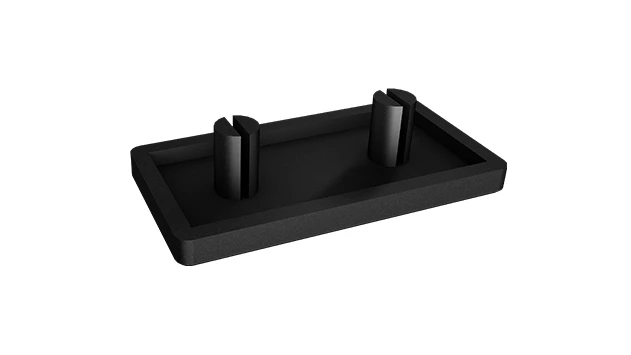
If you've ever walked through a manufacturing plant, a workshop, or even a tech lab, you've probably seen those sleek, modular structures—workbenches, material racks, conveyor systems—built from shiny aluminum frames. Chances are, those frames are made from aluminum extrusion profiles, and if you look closely at the ends of those profiles, you'll notice small, unassuming caps. Those are end caps, and today, we're zeroing in on one specific type: the 2040 aluminum profile end cap. It might seem like a tiny part, but in the world of modular construction and lean systems, these little caps play a bigger role than you might think. Let's dive in and unpack everything you need to know about them.
What Even Is a 2040 Aluminum Profile End Cap?
First things first: let's break down the name. "2040" refers to the dimensions of the aluminum extrusion profile it's designed for. Aluminum profiles are typically named by their width and height in millimeters, so a 2040 profile is 20mm wide and 40mm tall. It's a common size, often used in medium-duty applications like workbenches, light material racks, or machine guards. Now, the "end cap" is exactly what it sounds like: a cover that fits snugly over the open end of the profile. Think of it as the finishing touch that caps off the raw edge of the aluminum extrusion.
But why bother with an end cap? Well, aluminum extrusion profiles are hollow (that's part of what makes them lightweight yet strong), and their ends are open. Without a cap, those ends can be sharp, collect dust and debris, or even let moisture seep in—all things that can damage the profile over time or create safety hazards. The 2040 end cap solves these problems by sealing the end, protecting both the profile and the people working around it.
Key Features to Know
Not all end caps are created equal, and the 2040 aluminum profile end cap has some unique features that make it stand out. Let's start with materials. Most 2040 end caps are made from either high-quality plastic (like PVC or nylon) or aluminum. Plastic end caps are lightweight, affordable, and come in a range of colors (often black, white, or gray to match common profile finishes). They're great for standard applications where cost and ease of installation are priorities. Aluminum end caps, on the other hand, are more durable and heat-resistant, making them a better choice for heavy-duty setups or environments with high temperatures, like near machinery or in industrial bakeries.
Another key feature is the design. A good end cap should fit like a glove. Most 2040 end caps have a slightly flexible, tapered design that allows them to be pressed into the profile end without tools—no screws, no adhesives, just a firm push. Some might have small ribs or tabs on the inside to grip the profile's inner walls, ensuring a snug fit that won't fall off during use. You'll also find that some end caps are "closed" (fully sealing the end) while others are "vented" (with small holes to allow air circulation, useful in humid environments to prevent condensation). For most general uses, though, closed end caps are the go-to.

How Does It Fit Into Aluminum Profile Accessories?
If you're new to aluminum extrusion profiles, you might not realize just how many accessories are involved in building with them. From brackets and connectors to hinges and wheels, aluminum profile accessories are the unsung heroes that turn basic profiles into functional structures. The 2040 end cap is part of this ecosystem—specifically, it's a finishing accessory. Think of it like the trim on a house: the walls (profiles) do the heavy lifting, but the trim (end caps) makes everything look polished and protects the edges.
Other common accessories you might pair with 2040 profiles and end caps include T-slot nuts (to attach shelves or panels to the profile), angle brackets (for joining profiles at 90 degrees), and casters (for mobile setups like workbenches on wheels). The end cap might not be as flashy as these other parts, but it's just as essential. Without it, your otherwise professional-looking structure would have exposed, raw edges—hardly ideal for a lean system where organization and safety are top priorities.

A Quick Comparison: 2040 End Caps vs. Other Sizes
Aluminum profiles come in all shapes and sizes, and so do their end caps. To give you a better sense of where the 2040 end cap fits in, let's compare it to a few other common sizes. I've put together a quick table to break down the key differences:
| Profile Size | End Cap Dimensions (Approx.) | Typical Material | Common Uses | Key Trait |
|---|---|---|---|---|
| 2020 | 20mm x 20mm | Plastic (PVC/Nylon) | Small shelving, electronics enclosures, light-duty frames | Lightest, most compact |
| 3030 | 30mm x 30mm | Plastic or Aluminum | Workbenches, medium racks, machine guards | Balanced strength and weight |
| 4040 | 40mm x 40mm | Aluminum (heavy-duty), Plastic (standard) | Heavy material racks, industrial workstations, conveyor frames | Most robust for heavy loads |
| 2040 | 20mm x 40mm | Plastic or Aluminum | Medium workbenches, light conveyor rails, display stands | Versatile for mixed-width applications |
As you can see, the 2040 end cap sits in the middle ground. It's not as small as the 2020 (which is better for tiny, precision setups) nor as large as the 4040 (which handles heavy loads). Instead, it's versatile—perfect for projects that need a bit more height than a 2020 but don't require the full square footage of a 4040. For example, a workbench with a 2040 frame might have a wider top (supported by the 40mm height of the profile) while keeping the footprint compact (thanks to the 20mm width).
Why Lean Systems Can't Ignore End Caps
If you're involved in manufacturing or operations, you've probably heard of lean systems. Lean is all about maximizing efficiency, minimizing waste, and creating smooth, streamlined workflows. So where do 2040 end caps fit into this? Let's break it down. First, safety: in a lean environment, downtime due to accidents is a major waste. Exposed profile ends can cause cuts or scrapes, leading to injuries and lost productivity. End caps eliminate that risk, keeping the workspace safe and efficient.
Second, maintenance: lean systems thrive on predictability. A profile with an exposed end can collect dust, dirt, or even small tools that fall into the hollow interior. Over time, this can corrode the profile or make it harder to clean, leading to unexpected maintenance. End caps seal off the profile, reducing the need for frequent cleaning and extending the life of the structure. Finally, organization: lean spaces are all about visual order. Raw, unfinished profile ends look messy and unprofessional, which can subtly affect morale and attention to detail. End caps give the structure a clean, intentional look—exactly what you want in a space designed for efficiency.
Real-World Applications: Where You'll Find 2040 End Caps
Let's get practical. Where might you actually encounter 2040 aluminum profile end caps in the wild? Here are a few common scenarios:
Workbenches: Many medium-duty workbenches in workshops or labs use 2040 profiles for their frames. The end caps on the legs and crossbars keep the workspace safe and prevent debris from collecting in the profiles.
Material Racks: Light to medium material racks—think shelves for storing small parts or tools—often use 2040 profiles. End caps here protect the profiles from dents when loading/unloading and keep the shelves looking neat.
Conveyor Side Rails: In lean production lines, conveyors move parts from one station to the next. The side rails of smaller conveyors are sometimes made from 2040 profiles, with end caps to prevent parts from getting caught on sharp edges.
Display Stands: Retail or trade show display stands often use aluminum profiles for their lightweight, customizable design. 2040 profiles are popular here, and end caps ensure the stands look polished and professional.
Machine Guards: Safety guards around small to medium machinery often use 2040 profiles. End caps here are crucial—they prevent workers from getting clothing or fingers caught in the profile ends.
Installing a 2040 End Cap: It's Easier Than You Think
You might be thinking, "Installing an end cap sounds simple, but what if I mess it up?" Don't worry—these things are designed to be user-friendly. Here's a step-by-step guide to installing a 2040 end cap:
1. Prep the Profile End: First, make sure the end of the 2040 profile is clean and free of debris. A quick wipe with a dry cloth should do the trick. If there's any burr (a rough edge from cutting the profile), gently sand it down with fine-grit sandpaper—you don't want to damage the end cap when pressing it on.
2. Align the End Cap: Take the end cap and check which side is "up." Most end caps have a slightly tapered design, with the narrower end going into the profile. Hold it so the tapered end faces the profile, and align the edges evenly. You don't want it lopsided—this could cause it to fall off later.
3. Press Firmly (But Not Too Hard): Using your palms, press the end cap straight into the profile. You should feel some resistance, but it shouldn't require superhuman strength. If it's too tight, double-check that you have the right size (2040 end caps won't fit 3030 profiles, for example). If it's too loose, the cap might fall off—this could mean the profile is slightly bent, or the end cap is low-quality.
4. Test the Fit: Once installed, give the end cap a gentle tug. It should stay in place without wobbling. If it comes off easily, try again—maybe you didn't align it properly. If it still won't stay, you might need a different size or a better-quality end cap.
That's it! No tools, no adhesives, just a few seconds of work. It's this simplicity that makes aluminum profiles and their accessories so popular for DIY projects and professional setups alike.
Troubleshooting Common End Cap Issues
Even with something as simple as an end cap, problems can pop up. Let's go over a few common issues and how to fix them:
End Cap Falls Off: This is the most common problem. If your end cap keeps popping off, first check the size—are you using a 2040 cap on a 2040 profile? If the size is right, the profile might be slightly out of square (common if it was cut poorly) or the end cap could be made from low-quality, flimsy plastic. Try a different brand or material (aluminum end caps are less likely to loosen).
End Cap Cracks or Breaks: If the end cap cracks when you install it, you're probably pressing too hard or the plastic is brittle (maybe from exposure to extreme temperatures). For cold environments, look for end caps made from cold-resistant plastic. If you're installing in a hot area, aluminum end caps are more heat-stable.
Dust or Debris Gets Inside Anyway: If you notice dust collecting inside the profile despite the end cap, check for gaps. Maybe the end cap isn't seated all the way, or there's a small crack. A quick fix is to add a tiny bead of silicone sealant around the edge of the end cap (let it dry completely before use), but this is a last resort—ideally, a good end cap should seal the profile on its own.
Maintenance Tips: Keeping Your End Caps (and Profiles) in Top Shape
End caps don't require much maintenance, but a little care goes a long way. Here are some tips to keep them (and your 2040 profiles) looking and performing their best:
Clean Regularly: Wipe down the end caps with a damp cloth every few months to remove dust and grime. For plastic end caps, avoid harsh chemicals—mild soap and water is all you need. Aluminum end caps can be polished with a soft cloth to maintain their shine.
Inspect for Wear: During cleaning, check for cracks, chips, or looseness. If an end cap is damaged, replace it right away. A cracked end cap won't protect the profile, and a loose one could fall off and become a tripping hazard.
replace When Needed: Even the best end caps wear out over time, especially if they're exposed to heavy use or harsh environments. If you notice the end cap is starting to look worn (faded color, brittle plastic, or a loose fit), don't hesitate to swap it out. They're affordable, so it's better to replace early than risk damage to the profile.
Protect from Extreme Temperatures: If your setup is in a garage or warehouse with extreme heat or cold, keep an eye on plastic end caps. Prolonged exposure to UV rays can fade and weaken plastic, while extreme cold can make it brittle. In these cases, aluminum end caps are a more durable choice.
Why Quality Matters: Don't Skimp on End Caps
You might be tempted to buy the cheapest 2040 end caps you can find—after all, they're just small plastic caps, right? Wrong. Low-quality end caps can cause big problems. Let me share a quick story: A friend of mine runs a small manufacturing shop and decided to cut costs by buying budget end caps for their 2040 profile workbenches. Within a month, half of the end caps had fallen off, exposing the profile ends. One of their employees even got a small cut from a sharp edge. They ended up having to replace all the end caps with higher-quality ones, and in the end, they spent more time and money than if they'd bought quality caps upfront.
Quality end caps are made from durable materials (thick plastic or solid aluminum), have precise dimensions (so they fit snugly), and are tested for wear and tear. They might cost a few cents more per cap, but when you consider the cost of damaged profiles, worker injuries, or downtime, it's a no-brainer. Look for end caps from reputable aluminum profile suppliers—they'll often have specs like "impact-resistant" or "UV-stabilized" listed, which are good signs.
Wrapping Up: The Small Part That Makes a Big Difference
At the end of the day, the 2040 aluminum profile end cap might not be the most glamorous part of your modular setup, but it's a critical one. From protecting workers and profiles to keeping your lean system running smoothly, these little caps punch above their weight. Whether you're building a workbench, a material rack, or a conveyor system, don't overlook the end caps—they're the finishing touch that turns a basic structure into a professional, functional, and safe one.
So the next time you're planning a project with 2040 aluminum profiles, remember: choosing the right end cap isn't just about aesthetics. It's about safety, durability, and the long-term success of your setup. And now that you're armed with all this knowledge, you'll be able to pick the perfect 2040 end cap for your needs. Happy building!