- Company Articles
- Products and Technology
- Product knowledge
- 2040 Aluminum Profile End Cap: A Fundamental Component of Lean Systems

2040 Aluminum Profile End Cap: A Fundamental Component of Lean Systems
Related Product
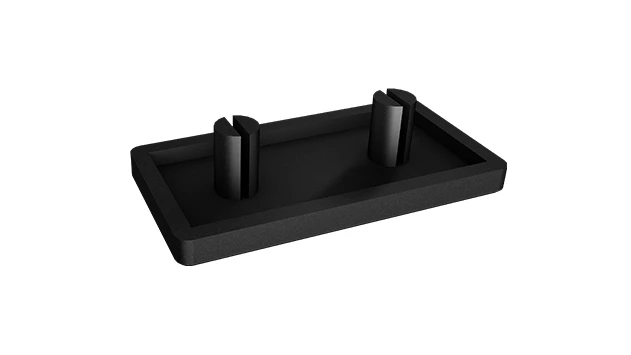
2040 Aluminum Profile End Cap
The aluminum profile end cap adds a finishing touch to your project and closes off profile ends to limit dust and debris buildup, also it can avaid some scratch for material and labor during the assemble work.
In the world of manufacturing and production, where every second counts and efficiency is the name of the game, it's often the smallest components that hold the biggest impact. Think about a well-oiled assembly line: the conveyor belts hum, the workbenches stand sturdy, and materials glide seamlessly from one station to the next. Behind this harmony lies a network of interconnected parts—some large and obvious, others so they might go unnoticed. Today, we're shining a light on one such unsung hero: the 2040 aluminum profile end cap. Far more than a simple "cap," this tiny component plays a pivotal role in the integrity, safety, and efficiency of lean systems, making it a cornerstone of modern manufacturing excellence.
Understanding Lean Systems: Where Efficiency Meets Precision
Before diving into the specifics of the 2040 aluminum profile end cap, let's take a step back to understand the broader context: lean systems. At its core, lean manufacturing is about eliminating waste—whether that's time, materials, or unnecessary movement—to create a process that's as streamlined and efficient as possible. It's a philosophy that prioritizes continuous improvement, adaptability, and respect for people, and it relies heavily on the physical infrastructure that supports daily operations.
Imagine a factory floor where workbenches can be reconfigured in minutes to accommodate a new product line, where material racks adjust to changing inventory needs, and where conveyor systems adapt to shifts in production volume. This flexibility isn't magic—it's the result of modular, durable, and adaptable components working together. And at the heart of this infrastructure? Aluminum extrusion profiles. These lightweight yet robust building blocks have become the backbone of lean systems, thanks to their versatility, strength, and ease of customization.
Aluminum Extrusion Profiles: The Backbone of Modular Lean Systems
Aluminum extrusion profiles are created through a process where aluminum is forced through a die to create specific cross-sectional shapes. The result is a strong, lightweight material with a precision-engineered design—often featuring T-slots, grooves, or channels that allow for easy attachment of accessories like brackets, shelves, and, yes, end caps. This T-slot system is what makes aluminum profiles so modular: with the right accessories, you can build, modify, and rebuild structures in endless configurations without welding or heavy tools.
Among the many standard profile sizes, the 2040 aluminum profile stands out as a workhorse. Measuring 20mm in width and 40mm in height, it strikes a perfect balance between strength and versatility. Not too bulky for light-duty tasks, yet sturdy enough for medium-weight applications, 2040 profiles are found in everything from workbenches and machine guards to material racks and conveyor supports. They're the "Swiss Army knife" of aluminum profiles, adapting to whatever the lean system demands.

The Role of End Caps: Small Parts, Big Responsibility
If aluminum extrusion profiles are the "bones" of a lean system, then end caps are the "protective skin" that keeps those bones safe—and the people working with them even safer. When an aluminum profile is cut to length (a common step in customizing lean structures), the raw ends are sharp, rough, and prone to collecting dust, debris, or moisture. Left uncovered, these ends can pose serious risks: a worker brushing against a sharp edge might get a cut, or moisture trapped inside the profile could lead to corrosion over time. Debris buildup might even interfere with the T-slot system, making it harder to attach accessories.
This is where the 2040 aluminum profile end cap comes in. Designed to fit snugly into the open ends of 20x40 profiles, it serves three critical functions: safety (eliminating sharp edges), protection (keeping out dust, moisture, and debris), and aesthetics (giving structures a clean, finished look). While it might seem like a minor detail, this small component directly impacts two key pillars of lean systems: worker safety (reducing downtime from injuries) and equipment longevity (minimizing maintenance needs).

Features of the 2040 Aluminum Profile End Cap: Built for Lean Excellence
Not all end caps are created equal, and the 2040 aluminum profile end cap is engineered with the demands of lean systems in mind. Let's break down its key features:
- Precision Fit: Designed to match the exact dimensions of 2040 profiles (20mm x 40mm), ensuring a tight, secure fit that won't loosen over time. This precision is critical—an ill-fitting end cap might fall off, leaving the profile end exposed.
- Durable Materials: Most 2040 end caps are made from high-quality nylon, a material chosen for its impact resistance, chemical resistance, and low cost. For heavier-duty applications (like industrial workbenches in high-traffic areas), aluminum end caps are also available, offering enhanced strength and heat resistance.
- Tool-Free Installation: Thanks to a snap-on or press-fit design, installing a 2040 end cap requires no screws, adhesives, or special tools. Simply align the end cap with the profile end and press firmly—it clicks into place, creating a secure seal. This aligns perfectly with lean's emphasis on quick changeovers and minimal setup time.
- Versatile Design: Many 2040 end caps feature a low-profile, rounded edge to maximize safety, while others may have a flat or tapered design for specific applications (e.g., flush mounting in tight spaces). Some even come in colors (black, gray, white) to match the profile or blend into the work environment.
- Environmental Resistance: Nylon end caps are often UV-stabilized to prevent fading in bright light (important for warehouses with skylights) and resistant to oils, greases, and common industrial chemicals—ensuring they hold up in harsh manufacturing environments.
Installation Made Simple: Align, Press, Done
One of the most appealing aspects of the 2040 aluminum profile end cap is how easy it is to install. In a lean system, where time is money, anything that reduces setup or reconfiguration time is a win. Let's walk through the process:
- Prepare the Profile End: Ensure the cut end of the 2040 profile is clean and free of burrs (a quick pass with a deburring tool can help, though many suppliers pre-deburr profiles). This ensures the end cap seats properly.
- Align the End Cap: Hold the end cap so that its inner grooves or tabs line up with the profile's outer edges. Most end caps have a slight taper or guide ribs to help with alignment—no guesswork needed.
- Press into Place: Apply firm, even pressure to the end cap until you hear or feel a "snap." This indicates the cap has locked into the profile's inner walls or T-slot edges. A gentle tug will confirm it's secure—if it stays in place, you're done.
Even a new employee can master this process in seconds, which means reconfiguring a workbench or material rack doesn't require a skilled technician. This democratization of setup aligns with lean's goal of empowering all team members to contribute to process improvement.
Applications in Lean Environments: Where 2040 End Caps Shine
The 2040 aluminum profile end cap may be small, but its impact is felt across countless lean applications. Let's explore a few key scenarios where it plays a starring role:
Workbenches: The Heart of Production
Workbenches are the command centers of manufacturing—where assembly, inspection, and packaging happen. Many modern workbenches are built with 2040 aluminum profiles for the frame, offering a sturdy, adjustable surface that can be customized with shelves, tool holders, and lighting. Here, 2040 end caps are essential: they cover the exposed ends of the profile legs (where workers might bump their knees), the edges of shelf supports (preventing tools or parts from catching on sharp edges), and even the corners of overhead frames (reducing the risk of head bumps). A workbench without end caps isn't just unfinished—it's a safety hazard.
Material Racks: Organizing for Efficiency
Lean systems thrive on organized, accessible materials. Material racks, like the "Material Rack B (3 row and 3 floor)" (a common configuration), rely on 2040 profiles to support shelves and dividers. Each horizontal and vertical profile end needs an end cap to keep stored items (boxes, components, tools) from snagging on rough edges. For example, if a box is slid onto a shelf with an exposed profile end, the sharp edge could tear the box, spilling contents and creating waste—exactly what lean aims to eliminate. End caps keep the shelves smooth, ensuring materials flow in and out without friction.
Conveyor Systems: Keeping Flow Uninterrupted
Conveyors are the arteries of lean production, moving materials from one station to the next. Many conveyors use roller tracks (another key component in lean systems) mounted on aluminum profiles for support. The 2040 profiles here provide structural stability, while end caps on the profile ends prevent the roller track from shifting or catching on adjacent equipment. They also protect maintenance workers who might reach under the conveyor for repairs—no more cuts from sharp profile edges.
The Benefits: Why 2040 End Caps Matter for Lean Success
It's easy to dismiss the 2040 aluminum profile end cap as a "nice-to-have," but its benefits directly contribute to lean system performance. Let's quantify that impact:
| Benefit | Impact on Lean Systems |
|---|---|
| Enhanced Safety | Eliminates sharp edges, reducing workplace injuries (cuts, scrapes). Fewer injuries mean less downtime, lower workers' comp costs, and a more engaged team—all critical for lean productivity. |
| Reduced Maintenance | Blocks dust, debris, and moisture from entering profile ends, preventing corrosion and internal damage. This extends the lifespan of aluminum profiles, reducing replacement costs and unplanned downtime. |
| Faster Setup/Reconfiguration | Tool-free installation means workers can add or replace end caps in seconds, speeding up the process of building or modifying structures (e.g., reconfiguring a workbench for a new product). |
| Cost-Effectiveness | Low per-unit cost, combined with long lifespan (nylon end caps last 5+ years in typical use), results in minimal total cost of ownership. Cheaper than repairing injuries or replacing corroded profiles. |
| Improved Aesthetics | Clean, finished look makes workspaces more organized and professional—boosting morale and creating a positive impression for visitors (e.g., clients, auditors). |
Comparing End Caps: Finding the Right Fit for Your Profile
While we've focused on the 2040 aluminum profile end cap, it's worth noting how it compares to end caps for other common profile sizes. The table below highlights key differences to help you choose the right end cap for your needs:
| Profile Size | End Cap Material | Dimensions (mm) | Key Features | Common Applications |
|---|---|---|---|---|
| 2020 | Nylon (standard), Aluminum (heavy-duty) | 20x20 | Ultra-compact, ideal for lightweight structures | Small shelving, machine guards, electronics enclosures |
| 2040 | Nylon (standard), Aluminum (heavy-duty) | 20x40 | Balanced strength/size, versatile for medium-duty use | Workbenches, material racks, conveyor supports |
| 3030 | Nylon, Aluminum, Steel (industrial) | 30x30 | High load capacity, square design for stability | Heavy shelving, assembly line frames, robot bases |
| 4040 | Aluminum (standard), Steel (extreme duty) | 40x40 | Maximum strength, for heavy machinery or large structures | Pallet racks, automotive assembly lines, industrial workstations |
Choosing a Reliable Supplier: The Foundation of Quality
In lean systems, consistency is key—and that starts with your suppliers. When sourcing 2040 aluminum profile end caps (or any aluminum profile accessories), look for a lean system supplier with a track record of quality and reliability. Here's what to prioritize:
- Quality Materials: Ask about the grade of nylon or aluminum used—higher-quality materials mean more durable end caps.
- Precision Manufacturing: Inconsistent sizing can lead to loose or ill-fitting end caps. A good supplier will have tight tolerances (±0.1mm) to ensure a perfect fit with 2040 profiles.
- Range of Accessories: Choose a supplier that offers not just end caps, but the full ecosystem of aluminum profile accessories (brackets, connectors, roller tracks). This ensures compatibility and simplifies ordering.
- Customer Support: Lean systems often require custom solutions. A supplier with knowledgeable staff can help you select the right end cap (or modify an existing one) for your unique application.
Future Trends: End Caps in the Next Generation of Lean Systems
As lean systems evolve, so too will the components that power them. What does the future hold for the 2040 aluminum profile end cap? Here are a few trends to watch:
- Smart Integration: While still in early stages, we may see end caps with embedded RFID tags or sensors to track asset location (e.g., which workbench a profile belongs to) or monitor environmental conditions (temperature, humidity) inside the profile.
- Sustainability: With a growing focus on eco-friendly manufacturing, suppliers may introduce end caps made from recycled nylon or biodegradable materials (without sacrificing durability).
- Customization: 3D printing could enable on-demand, custom end caps for unique profile sizes or designs—perfect for lean systems that require highly specialized setups.
- Enhanced Ergonomics: New designs may incorporate features like grip pads or anti-slip surfaces, making profiles easier to handle during reconfiguration—further reducing worker strain and improving efficiency.
Conclusion: Small Component, Big Impact on Lean Success
The 2040 aluminum profile end cap may be small, but its role in lean systems is undeniable. By prioritizing safety, durability, and ease of use, it embodies the core principles of lean manufacturing: eliminating waste, empowering workers, and continuous improvement. It's a reminder that in lean, no detail is too small—every component, from the largest conveyor to the tiniest end cap, contributes to the system's success.
So the next time you walk through a manufacturing facility, take a moment to look at the workbenches, material racks, and conveyor systems. Chances are, you'll spot 2040 aluminum profiles—and if you do, check the ends. If they're covered with snug, well-fitted end caps, you're looking at a lean system that understands the power of small components. And that's a system built for efficiency, safety, and long-term success.