- Company Articles
- Products and Technology
- Product knowledge
- 2040 Aluminum Profile End Cap: Core Features You Need to Know

2040 Aluminum Profile End Cap: Core Features You Need to Know
Related Product
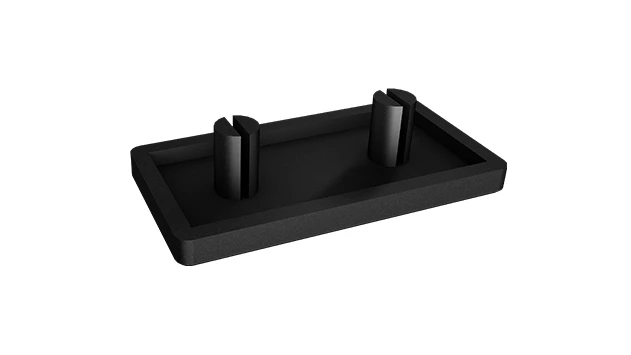
2040 Aluminum Profile End Cap
The aluminum profile end cap adds a finishing touch to your project and closes off profile ends to limit dust and debris buildup, also it can avaid some scratch for material and labor during the assemble work.
Walk into any modern workshop, manufacturing plant, or even a DIY enthusiast's garage, and you'll likely spot the unassuming backbone of countless structures: aluminum extrusion profiles. These versatile, modular building blocks form everything from sturdy workbenches and material racks to sleek conveyor systems and ESD workstations. But for all their strength and flexibility, there's a tiny component that often goes unnoticed—until you realize just how much it contributes to safety, durability, and even aesthetics. That component? The 2040 aluminum profile end cap.
At first glance, it might seem like a minor detail: a small cap that snaps onto the open ends of an aluminum extrusion profile. But dig deeper, and you'll find it's a workhorse in its own right. Whether you're assembling a lean pipe workbench for a production line or constructing a custom material rack for your warehouse, the end cap plays a critical role in finishing the job right. In this article, we'll pull back the curtain on this unsung hero, exploring its core features, why it matters, and how it integrates with other aluminum profile accessories to elevate your projects.
What Exactly Is a 2040 Aluminum Profile End Cap?
Let's start with the basics. Aluminum extrusion profiles are named for their cross-sectional dimensions, and "2040" is no exception—it refers to a profile that measures 20mm in width and 40mm in height. These profiles are created through a process called extrusion, where aluminum is forced through a die to form long, uniform shapes with internal channels (often T-slots) for attaching accessories like brackets, casters, or panels. The result? A lightweight yet robust framework that's infinitely customizable.
Now, imagine that 2040 profile fresh off the extrusion line: its ends are open, exposing the raw aluminum edges. Left uncovered, these ends can collect dust, debris, or moisture over time—all of which can compromise the profile's integrity. Worse, those sharp, unfinished edges pose a safety risk, especially in high-traffic areas where workers or equipment might brush against them. That's where the 2040 aluminum profile end cap steps in.
Designed to fit snugly over the open ends of 2040 aluminum extrusion profiles, this small accessory acts as a protective barrier. It seals the profile, guards against damage, and transforms rough edges into smooth, safe surfaces. Think of it as the "final touch" that turns a functional framework into a polished, professional structure.
Core Features That Make It Indispensable
Not all end caps are created equal. A high-quality 2040 aluminum profile end cap isn't just a "one-size-fits-all" plug—it's engineered with precision to address specific needs in industrial, commercial, and even residential settings. Let's break down its most important features:
1. Material Durability: Built to Last in Tough Environments
End caps are typically made from two primary materials: high-grade plastic (like PVC, nylon, or polypropylene) or aluminum. Both options offer unique benefits, but what they share is a focus on durability.
Plastic end caps, for example, are lightweight, corrosion-resistant, and cost-effective. They're ideal for indoor settings or applications where chemical exposure is minimal. Nylon variants, in particular, stand out for their impact resistance—perfect for environments where the profile might bump against equipment or tools. Aluminum end caps, on the other hand, are heavier and more rigid, making them suited for heavy-duty use, such as outdoor projects or industrial workbenches that see constant wear and tear. They also blend seamlessly with aluminum extrusion profiles, creating a cohesive look.
Regardless of the material, a quality end cap is designed to withstand temperature fluctuations (from sweltering factory floors to chilly warehouses), resist cracking or warping, and hold up against repeated handling. This durability ensures your aluminum structures stay protected for years, reducing the need for frequent replacements.
2. Precision Fit: No Gaps, No Hassle
There's nothing more frustrating than an end cap that won't stay in place—or worse, falls off entirely. That's why precision fit is non-negotiable. 2040 aluminum profile end caps are engineered with exacting measurements to match the internal dimensions of 2040 profiles. The best ones feature a slight taper or ribbed design that creates friction when inserted, ensuring a snug, secure fit without the need for adhesives or tools.
This tight seal does more than prevent the cap from slipping: it also blocks dust, dirt, and small debris from entering the profile's internal channels. For anyone who's ever had to clean out gunk from T-slots before attaching accessories, this is a game-changer. It also keeps moisture out, reducing the risk of internal corrosion—especially important if your structure is used in humid environments or near water.
3. Safety Enhancement: Turning Sharp Edges Into Smooth Surfaces
Walk through a busy production assemble line, and you'll quickly realize that safety isn't just a priority—it's a necessity. Unfinished aluminum profile ends can have sharp, jagged edges that pose a serious risk of cuts or scrapes, especially when workers are moving quickly or handling heavy materials. The 2040 end cap eliminates this hazard by covering those edges with a smooth, rounded surface.
But its safety benefits don't stop there. In settings like ESD workstations, where static control is critical, some end caps are even designed with anti-static properties to prevent electrostatic discharge from damaging sensitive electronics. For parents building DIY furniture or teachers setting up classroom shelves, the end cap also adds a layer of child-friendliness, turning a potentially dangerous edge into something harmless.
4. Aesthetic Appeal: Polishing the Look of Your Project
Functionality aside, there's no denying that appearance matters. An aluminum extrusion profile with exposed ends looks unfinished—like a project that's "almost done." The end cap adds that final flourish, creating a clean, professional look that elevates the entire structure.
Many manufacturers offer end caps in a range of colors, from neutral tones like black, white, or gray to bold hues that can match your brand or workspace decor. For example, a yellow end cap might add a pop of color to a material rack in a warehouse, while a sleek black cap could complement a modern office workstation. This versatility makes it easy to customize your project's look without sacrificing performance.
5. Versatility: Playing Well With Other Aluminum Profile Accessories
One of the biggest advantages of aluminum extrusion profiles is their modularity—they're designed to work with a wide range of accessories, from caster wheels and brackets to panels and hinges. The 2040 end cap is no exception; it's built to integrate seamlessly with this ecosystem.
Whether you're adding a roller track to a conveyor system, mounting a tool holder on a workbench, or attaching casters to a turnover trolley, the end cap won't interfere with the profile's T-slots or accessory attachment points. It's a "set-it-and-forget-it" component that enhances your structure without limiting its functionality. This versatility is why end caps are a staple in lean manufacturing systems, where adaptability and efficiency are key.

Types of 2040 Aluminum Profile End Caps: Choosing the Right One for Your Project
Not all projects are the same, and neither are end caps. Depending on your needs, you might opt for a specific type based on material, design, or functionality. Here are the most common variations you'll encounter:
- Plastic End Caps: Lightweight, affordable, and available in multiple colors. Best for indoor use, DIY projects, or applications where weight is a concern.
- Aluminum End Caps: Heavy-duty and corrosion-resistant. Ideal for outdoor structures, industrial workbenches, or projects that require a matching aluminum finish.
- ESD-Safe End Caps: Made with anti-static materials to prevent electrostatic discharge. A must-have for ESD workstations or electronics manufacturing.
- Push-Fit vs. Screw-On: Most end caps are push-fit (snapping into place with friction), but some screw-on models offer extra security for high-vibration environments (e.g., near conveyor systems).
- Colored vs. Natural: Colored end caps (black, white, gray, yellow) add visual interest, while natural (clear or aluminum) options blend in for a minimalist look.

How to Install a 2040 Aluminum Profile End Cap: It's Easier Than You Think
You don't need to be a DIY expert to install an end cap—most can be fitted in seconds with no tools required. Here's a quick step-by-step guide:
- Clean the Profile End: Wipe away any dust, debris, or moisture from the open end of the 2040 aluminum extrusion profile to ensure a tight seal.
- Align the End Cap: Hold the end cap with the tapered end facing the profile (if it has one—this helps guide it into place).
- Press Firmly: Push the end cap into the profile until you hear a "click" or feel it seat snugly. For tighter fits, you can gently tap the cap with a rubber mallet (avoid using a metal hammer, as it may damage the cap).
- Check for Stability: Give the cap a light tug to ensure it doesn't come loose. If it does, double-check that the profile end is clean and that you've aligned the cap correctly.
For screw-on end caps, simply align the cap with the profile's pre-drilled holes (if applicable) and secure it with the included screws. It's that easy!
2040 vs. 2020 Aluminum Profile End Cap: What's the Difference?
If you're familiar with aluminum extrusion profiles, you've probably heard of the 2020 profile (20mm x 20mm)—a smaller cousin to the 2040. While their end caps serve the same basic purpose, there are key differences to keep in mind. Let's compare them side by side:
| Feature | 2040 Aluminum Profile End Cap | 2020 Aluminum Profile End Cap |
|---|---|---|
| Dimensions | Designed for 20mm x 40mm profiles | Designed for 20mm x 20mm profiles |
| Common Uses | Workbenches, material racks, conveyor systems, larger structures | Smaller frames, shelving, DIY projects, lightweight furniture |
| Material Options | Plastic, aluminum, ESD-safe variants | Primarily plastic (due to smaller size), some aluminum options |
| Installation | Push-fit or screw-on (heavier-duty options available) | Almost always push-fit (lighter weight means less need for screws) |
| Price Point | Slightly higher (larger size, more material) | More budget-friendly (smaller size, less material) |
Real-World Applications: Where 2040 End Caps Shine
2040 aluminum profile end caps aren't just for "big industry"—they're used in a surprising range of settings. Here are a few examples of where they make a difference:
- Manufacturing Workbenches: In production facilities, 2040 profiles form the legs and frames of workbenches. End caps protect workers from sharp edges and keep debris out of the T-slots, ensuring tools and accessories attach smoothly.
- Material Racks: Whether it's a Material Rack B (3 row and 3 floor) or a custom storage solution, end caps add a finished look and prevent small parts from falling into the profile ends.
- Conveyor Systems: Aluminum extrusion profiles often support roller tracks and conveyor belts. End caps here withstand vibrations and keep dust out of moving parts, reducing maintenance needs.
- Retail Displays: Sleek aluminum profiles are popular for store shelving and product displays. End caps in brand colors (e.g., yellow for a cheerful vibe) enhance visual appeal while keeping customers safe from sharp edges.
- DIY Furniture: From garage shelves to home office desks, 2040 profiles are a favorite among DIYers. End caps turn a "homemade" project into something that looks professionally built.
Why Skimping on End Caps Is a Mistake
It's tempting to cut costs by buying cheap, generic end caps—but trust us, it's not worth it. Low-quality caps are often made from brittle plastic that cracks easily, fits poorly (leaving gaps for debris), or discolors over time. They may also lack the precision fit needed to stay in place, leading to frequent replacements.
Investing in a quality 2040 aluminum profile end cap, on the other hand, pays off in the long run. It protects your aluminum extrusion profiles from damage, enhances safety, and ensures your project looks polished and professional. When paired with other high-quality aluminum profile accessories—like sturdy casters, durable roller tracks, or reliable brackets—it creates a structure that's built to last.
Final Thoughts: The Small Component That Makes a Big Difference
The 2040 aluminum profile end cap may be small, but its impact is undeniable. It's the finishing touch that turns a functional aluminum extrusion profile into a safe, durable, and visually appealing structure. From protecting workers on the production line to elevating the look of a DIY project, it's a component that proves "the details matter."
So, the next time you're planning a project with aluminum profiles—whether it's a lean pipe workbench, a material rack, or a custom conveyor system—don't overlook the end cap. Choose a quality option that matches your material needs (plastic, aluminum, ESD-safe), fits snugly, and enhances both form and function. Your structure (and your peace of mind) will thank you.