- Company Articles
- Products and Technology
- Product knowledge
- 2040 Aluminum Profile End Cap: Definition, Functions & Uses

2040 Aluminum Profile End Cap: Definition, Functions & Uses
Related Product
2040 Aluminum Profile End Cap
The aluminum profile end cap adds a finishing touch to your project and closes off profile ends to limit dust and debris buildup, also it can avaid some scratch for material and labor during the assemble work.
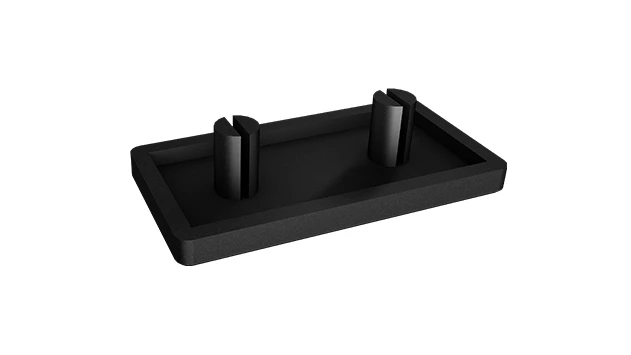
Walk into any modern workshop, manufacturing facility, or even a well-organized garage, and you'll likely spot sleek, silver structures holding tools, parts, or products. Chances are, those structures are built from aluminum extrusion profiles—versatile, lightweight, and endlessly customizable. But if you lean in closer, you might notice something small yet surprisingly important: tiny caps covering the ends of those profiles. That's the 2040 aluminum profile end cap, a humble accessory that plays a big role in making these setups safe, functional, and professional. Let's dive into what it is, why it matters, and where you'll find it hard at work.
What Exactly Is a 2040 Aluminum Profile End Cap?
First, let's get clear on the basics. To understand the 2040 aluminum profile end cap, we need to start with its "home": the 2040 aluminum extrusion profile. If you've ever seen those modular, T-slot aluminum beams used to build workbenches, shelves, or production lines, you're looking at extrusion profiles. The "2040" in the name refers to its dimensions: 20mm in width and 40mm in height. These profiles are made by pushing molten aluminum through a die, creating a consistent shape with internal T-slots—those handy grooves that let you attach accessories like brackets, shelves, or handles.
Now, imagine the end of one of these profiles. After extrusion, the cut ends can be sharp, rough, or even slightly uneven. That's where the 2040 aluminum profile end cap comes in. It's a small, usually plastic or rubber component designed to fit snugly over the open end of a 2040 aluminum profile. Think of it as the "cap" on a marker—simple, but essential for keeping the marker (or, in this case, the profile) in good shape and safe to handle.
As part of the broader category of aluminum profile accessories , end caps might not get the same attention as flashy brackets or heavy-duty casters, but they're a staple in any well-built aluminum system. They're affordable, easy to install, and save time (and headaches) down the line.
The Unsung Hero: Key Functions of the 2040 End Cap
At first glance, an end cap might seem like a "nice-to-have" rather than a "need-to-have." But anyone who's worked with aluminum profiles will tell you: skimping on end caps can lead to frustration, safety risks, and even damaged equipment. Let's break down its core functions.
1. Safety First: Taming Sharp Edges
Aluminum extrusion profiles are strong, but their cut ends? Not always gentle. After cutting a profile to length, the edges can be surprisingly sharp—think of a fresh piece of cardboard, but stiffer. In a busy workshop, where workers are moving quickly or reaching across workbenches, a sharp edge could mean a painful scrape or cut. That's where end caps shine. By covering these edges, they turn a potential hazard into a smooth, safe surface. It's a small step that makes a big difference in keeping teams injury-free.
Take a workbench , for example. A typical aluminum workbench uses 2040 profiles for its frame. Without end caps, the corners where the legs meet the tabletop could have exposed edges. A worker leaning against the bench or reaching for a tool might catch their arm on that edge. With end caps, those corners become soft and safe—no more band-aids or safety meetings about "watching the edges."
2. Protection: Keeping the Inside Clean and Functional
The T-slots in aluminum profiles are their superpower. These slots let you slide in bolts, brackets, or shelves, making the profiles endlessly adaptable. But if dust, dirt, or metal shavings get stuck in those slots? Suddenly, attaching a shelf or adjusting a bracket becomes a struggle. End caps act like a barrier, sealing off the end of the profile and keeping debris out. This is especially important in dusty environments, like woodworking shops, or factories where metal chips are common.
Imagine a material rack in a warehouse, loaded with heavy boxes. The 2040 profiles form the rack's uprights, with T-slots holding the shelves in place. If rainwater drips onto the rack (maybe from an open loading dock) or dust accumulates over months, the T-slots could get clogged. When you need to reconfigure the shelves to fit taller boxes, you might find the slots jammed. End caps keep that moisture and dust out, ensuring the T-slots stay functional for years.
3. Aesthetics: Polishing the Look of Your Setup
Let's be honest: first impressions matter. Whether you're building a workbench for your garage, a display rack for a trade show, or a production line for a client, a finished, professional look goes a long way. Exposed profile ends with rough cuts or smudges can make even the sturdiest setup look unfinished. End caps hide those imperfections, giving your project a clean, put-together appearance.
Consider a small business owner who builds custom aluminum workstations for local cafes. Their clients want functional, durable tables—but they also want them to look good in a trendy coffee shop. Adding matching end caps (maybe in black or white to complement the cafe's decor) transforms a "homemade" setup into something polished and intentional. It's the little details that turn a "good" product into a "great" one.
4. Minor Structural Support (Yes, Really!)
While end caps aren't designed to bear heavy loads, they do add a tiny bit of reinforcement to the ends of aluminum profiles. Think of a straw: if you pinch the end, it's harder to bend. Similarly, an end cap can help prevent the very end of a profile from getting dented or bent, especially in high-traffic areas. For example, the legs of a mobile cart (built with 2040 profiles) might bump into walls or other equipment. An end cap adds a layer of protection, keeping the profile's shape intact longer.

Where You'll Find 2040 Aluminum Profile End Caps Hard at Work
Now that we know what end caps do, let's talk about where they're used. Spoiler: if there's an aluminum extrusion profile, there's a good chance an end cap is nearby. Here are some of the most common places you'll spot them:
Workbenches: The Heart of Any Workshop
Workbenches are the backbone of garages, labs, and factories. Whether it's a simple table for assembling electronics or a heavy-duty bench for woodworking, 2040 profiles are a popular choice for the frame. End caps are a must here, both for safety (as we discussed) and to keep the workbench looking neat. You'll often find them on the ends of the tabletop supports, the legs, or the crossbars that add stability.
Material Racks: Organizing Chaos, One End Cap at a Time
Material racks—those tall, sturdy structures used to store boxes, tools, or raw materials—rely on aluminum profiles for strength and adjustability. A material rack with 2040 uprights will almost always have end caps on the top and bottom. The bottom caps protect the floor from scratches (and vice versa), while the top caps keep dust out of the T-slots and prevent accidental scrapes when reaching for items on the top shelf.
Production Lines: Keeping Things Moving Smoothly
In manufacturing, every second counts. Production lines use aluminum profiles to build conveyors, workstations, and storage systems. End caps here are non-negotiable. For example, a conveyor frame made with 2040 profiles might have end caps to prevent debris from jamming the belt or to keep workers safe as they load/unload products. In fast-paced environments, you can't afford downtime from a stuck T-slot or a worker injury—end caps help avoid both.
Retail Displays: Making Products Shine
Retailers love aluminum profiles for display racks because they're lightweight, customizable, and easy to reconfigure. A clothing store might use 2040 profiles to build a sleek shelf for folded sweaters, or a tech shop could use them for a phone accessory display. End caps here are all about aesthetics—they keep the display looking clean and professional, so customers focus on the products, not the hardware.
DIY Projects: From Garage Hacks to Home Improvements
It's not just big businesses that use end caps. Hobbyists and DIYers are increasingly turning to aluminum extrusion profiles for projects like custom, 3D printer enclosures, or even pet gates. For these makers, end caps are an affordable way to add a "pro" touch to their creations. A homemade 3D printer enclosure built with 2040 profiles might use black end caps to match the printer's color, making it look like something you'd buy in a store (instead of build in your garage).

Types of 2040 Aluminum Profile End Caps: Choosing the Right One
Not all end caps are created equal. Depending on your project, you might need a different material, color, or design. Here's a quick breakdown of the most common types:
| Material | Common Colors | Best For | Key Benefit |
|---|---|---|---|
| Plastic (PVC/PP) | Black, White, Gray, Silver | General use (workbenches, shelves, DIY projects) | Affordable, lightweight, easy to install |
| Rubber | Black, Clear, Red | High-traffic areas, shock absorption (e.g., cart legs) | Soft, non-slip, reduces noise when bumped |
| Metal (Aluminum/Stainless Steel) | Silver, Anodized (black, gold) | Heavy-duty industrial settings, outdoor use | Durable, resistant to corrosion and impact |
Plastic end caps are the most popular choice for everyday use—they're cheap, come in lots of colors, and fit snugly. Rubber end caps are great if you need a little extra grip or noise reduction (like on the bottom of a chair leg). Metal end caps are less common but ideal for harsh environments, like outdoor racks or factories with heavy machinery.
How to Install a 2040 Aluminum Profile End Cap (It's Easier Than You Think!)
One of the best things about end caps is how simple they are to install. You don't need special tools, and you can do it in seconds. Here's a quick step-by-step guide:
- Clean the profile end: Wipe off any dust, dirt, or metal shavings from the end of the 2040 profile. A clean surface ensures the end cap fits tightly.
- Align the end cap: Hold the end cap so the open side faces the profile. Most end caps have a lip or groove that matches the profile's shape—line that up with the edge of the profile.
- Press firmly: Push the end cap onto the profile. You might hear a small "click" when it's seated properly. If it's tight, gently tap the end cap with a rubber mallet (avoid metal hammers—they could crack plastic caps).
- Check the fit: Give the end cap a little wiggle. It should feel secure, with no gaps. If it's loose, double-check that you have the right size (2040 end caps are specifically designed for 20x40mm profiles—don't mix sizes!)
Pro tip: If you're installing end caps on multiple profiles, do a test fit on one first. This ensures you have the right caps and that the profile ends are cut cleanly (if not, a quick sand with fine-grit sandpaper can smooth out rough edges).
Why Quality Matters: Don't Skimp on End Caps
It might be tempting to buy the cheapest end caps you can find—after all, they're "just" caps, right? But low-quality end caps can cause more problems than they solve. Here's why investing in decent ones is worth it:
- Fit: Cheap end caps might be slightly off in size, leading to a loose fit. A loose cap can fall off, leaving the profile end exposed (and defeating the purpose).
- Durability: Low-quality plastic caps can crack or fade over time, especially if exposed to sunlight or chemicals. A cracked cap won't protect the profile or look good.
- Safety: If a cap falls off, the sharp edge is back—putting workers or users at risk. Quality caps stay in place, keeping everyone safe.
- Aesthetics: Cheap caps might have rough edges, uneven colors, or visible mold lines. They'll make your project look rushed, not professional.
When shopping for end caps, look for ones made by reputable suppliers of aluminum profile accessories . They'll have consistent sizing, durable materials, and a range of colors to match your project. It's a small investment that pays off in safety, functionality, and pride in your work.
Wrapping Up: The Small Accessory with a Big Impact
The 2040 aluminum profile end cap might not be the star of the show, but it's the unsung hero that makes aluminum extrusion profiles truly shine. From keeping workers safe to making projects look professional, these tiny accessories play a role in nearly every aluminum setup—whether it's a massive factory production line or a hobbyist's garage workbench.
So the next time you're building with aluminum profiles, don't forget the end caps. They're a reminder that sometimes, the smallest details are the ones that make the biggest difference. After all, in a world of big, bold innovations, it's the little things that keep everything running smoothly.