- Company Articles
- Products and Technology
- Procurement Guidelines
- 2040 Aluminum Profile End Cap Suppliers: How to Choose the Best

2040 Aluminum Profile End Cap Suppliers: How to Choose the Best
Related Product
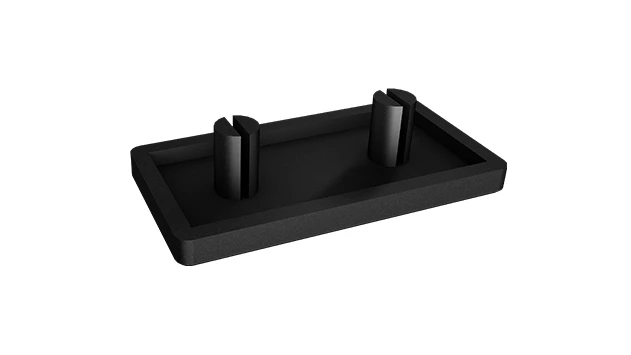
2040 Aluminum Profile End Cap
The aluminum profile end cap adds a finishing touch to your project and closes off profile ends to limit dust and debris buildup, also it can avaid some scratch for material and labor during the assemble work.
Walk into any modern manufacturing facility, and you'll likely see aluminum extrusion profiles hard at work. These versatile, lightweight structures form the backbone of assembly lines, workbenches, material racks, and even conveyor systems. Among the most popular profiles is the 2040 aluminum extrusion profile—a sleek, practical 20mm x 40mm design that balances strength and flexibility, making it a staple in industries from electronics to automotive. But for all its utility, even the most robust aluminum profile relies on small but critical components to truly shine: enter the 2040 aluminum profile end cap. These unassuming aluminum profile accessories might seem like an afterthought, but they play a vital role in protecting your investment, enhancing safety, and elevating the overall functionality of your setup. Choosing the right supplier for these end caps isn't just about buying a part—it's about partnering with a team that understands your needs and delivers quality you can trust. In this guide, we'll break down everything you need to know to select the best 2040 aluminum profile end cap supplier for your business.
Why 2040 Aluminum Profiles and Their End Caps Matter
First, let's talk about the star of the show: the 2040 aluminum extrusion profile. Its dimensions—20mm in width and 40mm in height—strike a perfect balance for medium-duty applications. You'll find it in workbenches where precision matters (like electronics assembly stations), material racks that need to hold tools and components securely, and even lightweight conveyor systems that move parts across a factory floor. What makes it so popular? Aluminum extrusion profiles are durable yet lightweight, resistant to corrosion, and infinitely customizable thanks to their T-slot design, which allows for easy attachment of accessories like brackets, panels, and yes—end caps.
Now, the 2040 aluminum profile end cap. At first glance, it might seem like a simple plastic or aluminum cap that snaps onto the end of the profile. But don't let its simplicity fool you. These small accessories serve three critical purposes:
Protection: Raw aluminum extrusion profiles have open ends, leaving internal channels exposed to dust, moisture, and debris. Over time, this can lead to corrosion or buildup that weakens the profile. End caps seal off these openings, keeping your profiles clean and structurally sound for longer.
Safety: Uncapped profiles have sharp, unfinished edges—an accident waiting to happen in busy work environments. End caps smooth these edges, reducing the risk of cuts or scrapes for workers handling the profiles or working near them.
Aesthetics: Let's face it—finished products look better. Whether you're building a customer-facing display or an in-house workbench, capped profiles give your setup a polished, professional look. Many end caps even come in colors that can match your brand or facility design, adding a subtle touch of cohesion.
Given their importance, it's clear that skimping on end caps is a mistake. And that starts with choosing the right aluminum profile supplier. A subpar supplier might deliver end caps that crack, fall off, or don't fit snugly—all of which undermine the protection, safety, and aesthetics you're trying to achieve. On the flip side, a reliable supplier becomes a partner, ensuring you get consistent quality, timely deliveries, and support when you need it most.
Key Factors to Consider When Choosing a Supplier
Selecting a 2040 aluminum profile end cap supplier isn't just about Googling "suppliers near me" and picking the first result. It requires careful evaluation of several factors to ensure you're getting a product that meets your needs and a partner you can rely on. Let's dive into the most critical considerations.
1. Quality of Materials: The Foundation of Durability
End caps are typically made from two materials: plastic (like PVC or nylon) or aluminum. Each has its pros—plastic is lightweight and cost-effective, while aluminum offers superior strength and corrosion resistance—but both need to be high-quality to perform well. When vetting a supplier, start by asking about the materials they use. For plastic end caps, inquire about the grade of plastic: Is it impact-resistant? Can it withstand temperature fluctuations (important if your facility has hot or cold zones)? Does it resist chemicals, like the cleaning agents used on your factory floor? For aluminum end caps, check if the material is anodized or coated to prevent rust, especially if your setup is in a humid environment.
A reputable supplier should be able to provide material safety data sheets (MSDS) or test reports that verify the durability of their end caps. If a supplier hesitates to share this information, that's a red flag. You'll also want to request samples: a quick visual inspection can reveal a lot. Are the edges smooth, or do they have burrs? Does the cap fit snugly on a 2040 profile, or does it wobble? A sample that feels flimsy or poorly made is a sign that the bulk order might have similar issues.
2. Manufacturing Standards: Consistency is Key
Even the best materials can fall short if the manufacturing process is sloppy. Look for suppliers that adhere to strict quality control (QC) standards. For plastic end caps, injection molding is the gold standard—it ensures each cap is identical in size and shape, with no air bubbles or defects. Ask if the supplier uses automated injection molding machines or relies on manual processes (which are more prone to errors). For aluminum end caps, precision cutting and finishing are critical: uneven cuts can lead to caps that don't fit or sharp edges that defeat the purpose of using an end cap in the first place.
Certifications are another clue here. Suppliers with ISO 9001 certification, for example, follow internationally recognized quality management practices, which means they're more likely to have consistent processes and reliable output. Don't be afraid to ask about their QC checks: Do they inspect every batch for defects? How do they handle products that fail inspection? A supplier that takes quality seriously will have clear answers to these questions.
3. Product Range and Customization: Flexibility for Your Needs
Not all 2040 aluminum profiles are created equal—and neither are their end caps. Maybe your project requires end caps in a specific color to match your brand, or perhaps you need a custom size to fit a modified 2040 profile (like one with additional slots or holes). A good supplier should offer more than just standard off-the-shelf options. Ask about their customization capabilities: Can they produce end caps in custom colors? Do they offer different finishes (matte, glossy, textured)? Can they adjust the design to fit non-standard profiles?
Even if you don't need customization now, it's worth considering for the future. Industries evolve, and your needs might change. A supplier with a wide product range and the ability to adapt will be a valuable partner down the line. For example, some suppliers offer "universal" end caps that fit multiple profile sizes, which can simplify ordering if you use different aluminum extrusion profiles in your facility.
4. Pricing and Value: Beyond the Sticker Price
Cost is always a factor, but it shouldn't be the only one. It's tempting to go with the cheapest supplier, but low prices often mean cutting corners on materials or manufacturing. A $0.50 end cap that cracks after a month will end up costing more than a $1 cap that lasts for years. Instead of focusing solely on the unit price, calculate the "total cost of ownership": How often will you need to replace the end caps? Will poor quality lead to downtime or safety issues? A slightly higher upfront cost might save you money in the long run.
That said, you shouldn't overpay, either. Get quotes from multiple suppliers and compare apples to apples: Are they offering the same material quality? The same level of customization? Do their lead times match? Some suppliers offer bulk discounts, which can lower costs if you need large quantities. Just make sure the discount doesn't come with a catch, like minimum order quantities (MOQs) that are too high for your needs.
5. Lead Times and Logistics: Keeping Your Production On Track
In manufacturing, time is money. A supplier that promises great quality but takes 6 weeks to deliver end caps can derail your production schedule. When evaluating suppliers, ask about their lead times for standard and custom orders. Do they keep stock of 2040 aluminum profile end caps, or do they produce them to order? If you need a rush shipment, can they accommodate that (and at what cost)?
Logistics are another consideration, especially if you're ordering from an international supplier. How do they ship their products? Do they use reliable carriers, or do they cut costs with budget options that increase the risk of delays or damage? If you're based in a different country, ask about import duties, taxes, and customs clearance—some suppliers will handle these details for you, which can save you a lot of hassle.
6. Customer Support: A Partner, Not Just a Vendor
Even the best products can have issues, and when they do, you need a supplier that's responsive and helpful. Good customer support starts from the first inquiry: How quickly does the supplier respond to your emails or calls? Are their representatives knowledgeable about their products? Do they take the time to understand your needs, or do they just push you to buy?
After-sales support is equally important. If a batch of end caps arrives damaged, will the supplier replace them promptly? If you have questions about installation (e.g., "How do I ensure the cap stays on securely?"), can they provide guidance or even video tutorials? A supplier that views you as a partner will go the extra mile to ensure your satisfaction, not just make a sale.
7. Certifications and Compliance: Meeting Industry Standards
Depending on your industry, you might need end caps that meet specific regulations. For example, if you're in the medical device manufacturing sector, your end caps might need to be biocompatible or meet ISO 13485 standards. If you're in electronics, RoHS compliance (restriction of hazardous substances) might be required to ensure the end caps don't contain lead or other harmful materials. Ask the supplier what certifications their end caps have and whether they can provide documentation to prove compliance. A supplier that can't meet these standards could put your entire production at risk of regulatory penalties.

What to Evaluate: A Handy Checklist
To make the evaluation process easier, we've compiled a table of key factors to consider, along with questions to ask suppliers and red flags to watch for. Use this as a checklist when vetting potential partners:
| Evaluation Factor | Key Questions to Ask the Supplier | Red Flags to Watch For |
|---|---|---|
| Material Quality |
• What materials do you use for your 2040 end caps?
• Can you provide test reports (e.g., impact resistance, temperature tolerance)? • Do you offer both plastic and aluminum options? |
• Unwilling to share material specs or test reports.
• Samples have visible defects (burrs, cracks, uneven edges). • End caps feel flimsy or brittle. |
| Manufacturing Standards |
• What manufacturing processes do you use (e.g., injection molding for plastic)?
• Do you have QC checks in place? What do they entail? • Are you ISO 9001 certified? |
• No formal QC process.
• Relies on manual manufacturing with no automation. • Refuses to discuss their production methods. |
| Customization |
• Can you produce custom colors or sizes?
• What's the minimum order quantity (MOQ) for custom end caps? • How long does customization take? |
• Only offers standard options with no customization.
• MOQs for custom orders are unrealistically high. • Vague about lead times for custom projects. |
| Pricing and Value |
• What's the unit price for bulk orders?
• Do you offer discounts for large quantities? • What's included in the price (e.g., shipping, taxes)? |
• Prices are significantly lower than competitors (likely due to poor quality).
• Hidden fees for shipping or handling. • Unwilling to negotiate on MOQs for cost savings. |
| Lead Times and Logistics |
• What's your lead time for standard orders? For custom orders?
• Do you keep stock of 2040 end caps? • How do you handle rush shipments? |
• Lead times are longer than industry average (e.g., 6+ weeks for standard orders).
• No stock availability; all orders are made-to-order. • Unreliable shipping methods (e.g., no tracking, high risk of damage). |
| Customer Support |
• How quickly do you respond to inquiries?
• What's your process for handling defective products? • Can you provide technical support for installation? |
• Slow response times (e.g., takes 3+ days to reply to emails).
• Blames the customer for defective products. • No technical support available. |
| Certifications |
• What certifications do your end caps have (e.g., ISO, RoHS)?
• Can you provide documentation for compliance? • Do you meet industry-specific standards (e.g., medical, automotive)? |
• No certifications or compliance documentation.
• Claims to meet standards but can't provide proof. • Unfamiliar with industry-specific regulations. |

Common Pitfalls to Avoid
Even with a checklist, it's easy to fall into traps when choosing a supplier. Here are some common mistakes to steer clear of:
Pitfall #1: Choosing Based Solely on Price
It's natural to want to save money, but prioritizing the lowest price often backfires. A supplier offering end caps for half the price of competitors is likely cutting corners on materials or manufacturing. For example, using low-grade plastic that cracks in cold temperatures or skipping QC checks, leading to inconsistent quality. Over time, you'll end up replacing these end caps more frequently, and you might even face safety issues—costing you more than if you'd invested in a higher-quality supplier upfront.
Pitfall #2: Ignoring Customization Needs
Maybe today, standard end caps work for your setup. But what if next quarter, you launch a new product line that requires branded, color-matched end caps? If your supplier can't customize, you'll be stuck scrambling to find a new vendor, which wastes time and disrupts production. Even if you don't need customization now, choose a supplier that offers it—you'll thank yourself later.
Pitfall #3: Not Checking References
A supplier can talk a big game, but their past customers will tell the real story. Don't hesitate to ask for references or read online reviews. Look for feedback about reliability (Did they deliver on time?), quality (Were the end caps durable?), and customer service (Did they resolve issues quickly?). If a supplier refuses to provide references, or if reviews mention frequent delays or poor quality, cross them off your list.
Pitfall #4: Overlooking After-Sales Support
A supplier might be friendly and responsive during the sales process, but what happens after you place an order? If your end caps arrive damaged, or if you realize they don't fit your profiles, will the supplier help? A vendor with poor after-sales support will leave you hanging, forcing you to absorb the cost of replacement or delay your project. Always ask about their return policy and defect resolution process before signing a contract.
Final Tips for Vetting Suppliers
Now that you know what to look for (and what to avoid), here are a few extra tips to help you make the best choice:
- Request samples first: Never order in bulk without testing a sample. A sample lets you check fit, finish, and durability firsthand.
- Visit the facility (if possible): If the supplier is local, arrange a tour of their manufacturing plant. This gives you a chance to see their processes, meet the team, and get a feel for their operation.
- Start small: Place a small initial order to test the supplier's reliability, quality, and customer service before committing to a large contract.
- Trust your gut: If a supplier seems evasive, unprofessional, or too good to be true, they probably are. Go with a vendor that communicates clearly, answers your questions honestly, and makes you feel confident in their abilities.
Conclusion: Your Supplier, Your Success
Choosing a 2040 aluminum profile end cap supplier might seem like a small decision, but it has a big impact on your business. The right supplier delivers end caps that protect your aluminum extrusion profiles, keep your workers safe, and enhance the efficiency of your setup. They act as a partner, offering quality, reliability, and support when you need it most. By focusing on material quality, manufacturing standards, customization, pricing, lead times, customer support, and compliance, you'll be able to narrow down your options and find a supplier that aligns with your needs.
Remember, aluminum profile accessories like end caps are the unsung heroes of your facility—they might not get the attention of the profiles themselves, but they're essential to making your setup work. Invest the time to choose a great supplier, and you'll reap the rewards for years to come: fewer headaches, smoother production, and a setup that's built to last.