- Company Articles
- Products and Technology
- Product knowledge
- 2040 Aluminum Profile End Cap: What It Is and Why It Matters

2040 Aluminum Profile End Cap: What It Is and Why It Matters
Related Product
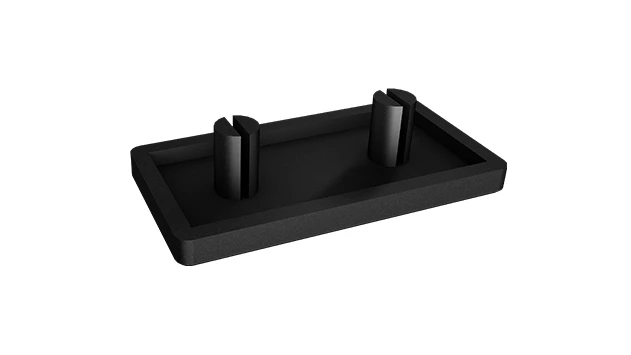
2040 Aluminum Profile End Cap
The aluminum profile end cap adds a finishing touch to your project and closes off profile ends to limit dust and debris buildup, also it can avaid some scratch for material and labor during the assemble work.
The Unsung Hero of Modular Design
Walk into any bustling factory, a well-organized workshop, or even a high-tech lab, and you'll likely be surrounded by sleek, silver structures that seem to defy the chaos of daily operations. These are aluminum extrusion profiles—versatile, durable, and endlessly adaptable building blocks that form the backbone of modern workspaces. From workbenches where precision assembly happens to conveyor systems that keep production lines moving, aluminum profiles are the silent workhorses of efficiency. But if you take a closer look at the ends of these profiles, you'll notice something small yet crucial: end caps. Today, we're shining a light on one specific star in this category: the 2040 aluminum profile end cap. It might be easy to overlook, but in the world of aluminum extrusion systems, details like these are what turn a basic structure into a safe, polished, and long-lasting setup.
Aluminum extrusion profile systems are beloved for their modularity. Unlike fixed, one-size-fits-all structures, they let you build, adapt, and reconfigure with minimal effort. Need a taller workbench? Swap out the legs. Want to add a shelf to your material rack? Attach a few brackets. But this flexibility relies on every component working in harmony—including the tiny accessories that hold it all together. Aluminum profile accessories, like end caps, might not grab headlines, but they're the glue that ensures these systems function as intended. And when it comes to the 2040 profile, one of the most widely used sizes in industrial and commercial settings, its end cap plays a role far bigger than its size suggests.
What Exactly Is a 2040 Aluminum Profile End Cap?
Let's start with the basics: What is a 2040 aluminum profile? The numbers "2040" refer to the cross-sectional dimensions of the extrusion, typically 20mm in width and 40mm in height (though exact measurements can vary slightly by manufacturer). This size strikes a perfect balance between strength and versatility, making it ideal for medium-duty applications. You'll find 2040 profiles in everything from assembly workbenches to lightweight conveyor frames, and even in custom storage solutions where space is at a premium.
Now, imagine the end of that 2040 profile. Without an end cap, you'd be left with a raw, open edge—often with sharp corners, exposed T-slots (the grooves that let you attach accessories), and a less-than-professional finish. That's where the end cap comes in. A 2040 aluminum profile end cap is a small, often plastic or metal cover designed to fit snugly over the open end of a 2040 extrusion. Think of it as the "cap" on a marker: it seals the end, protects what's inside, and gives the whole thing a clean, finished look. But its job goes far beyond aesthetics.
To understand why it matters, let's break down the anatomy of a typical 2040 profile. Most aluminum extrusion profiles have T-slots running along their length—narrow grooves that allow you to slide in bolts, brackets, or other accessories to build out your structure. The ends of these profiles, however, are usually open, leaving the T-slot exposed. Without an end cap, this open end can collect dust, debris, or even small tools that fall into the slot, jamming the system and making adjustments a hassle. Worse, the raw edges can be sharp, posing a safety risk to anyone working nearby—imagine a technician brushing against an unprotected profile end while rushing to meet a deadline. Ouch.
So, in short: A 2040 aluminum profile end cap is a protective, functional, and aesthetic accessory that seals the open end of a 2040 extrusion. It's simple in design but critical in execution.

Materials Matter: What Are 2040 End Caps Made Of?
Not all end caps are created equal. The material used depends on the environment where the profile is installed, the level of protection needed, and even the desired look. Let's take a closer look at the most common options:
Plastic (PVC, Nylon, or Polypropylene)
Plastic end caps are the workhorses of the bunch—and for good reason. They're lightweight, affordable, and come in a range of colors (though black and gray are the most common, to blend with the aluminum's silver tone). PVC and nylon are popular choices because they're resistant to impact, moisture, and chemicals—key traits in factories where spills or humidity are part of the daily grind. Polypropylene, on the other hand, offers better heat resistance, making it a solid pick for environments with temperature fluctuations, like near ovens or industrial dryers.
One of the biggest advantages of plastic end caps is their flexibility. They're designed to "snap" into place, creating a tight seal without the need for screws or adhesives. This makes installation a breeze—even for someone with zero technical experience. Just align the end cap with the profile's end, apply a little pressure, and hear that satisfying "click" as it locks into place. For most indoor applications, like office workbenches or lab shelving, plastic end caps are more than sufficient.
Aluminum
When durability is non-negotiable, aluminum end caps step up to the plate. Made from the same material as the profile itself, they offer unmatched strength and a seamless, high-end look. They're ideal for heavy-duty applications, like material racks that hold hundreds of pounds of inventory or conveyor systems that see constant use. Aluminum end caps also stand up well to outdoor environments or areas with extreme temperatures, as they won't crack or warp like plastic might in freezing cold or scorching heat.
The tradeoff? They're a bit pricier than plastic, and installation usually requires screws (since aluminum isn't as flexible for a snap-fit). But for settings where safety and longevity are top priorities—think automotive factories or construction sites—this extra investment pays off. Plus, they match the profile's finish perfectly, giving the entire structure a polished, professional appearance that plastic sometimes can't replicate.
ESD-Safe Variants
In sensitive environments like electronics manufacturing or semiconductor labs, static electricity is the enemy. A single static discharge can fry delicate components, costing thousands of dollars in damaged goods. That's where ESD-safe end caps come in. These are typically made from plastic mixed with conductive materials (like carbon fibers) that dissipate static charges, preventing them from building up and causing harm. If your workspace deals with sensitive electronics, an ESD-safe 2040 end cap isn't just an accessory—it's a necessity.

Types of 2040 End Caps: One Size Doesn't Fit All
Just as profiles come in different shapes and sizes, so do end caps. The 2040 profile, with its 20mm x 40mm cross-section, has a few common end cap designs tailored to specific needs. Let's explore the most popular ones:
Standard Snap-Fit End Caps
These are the most common type you'll encounter. Designed for quick, tool-free installation, they feature small, flexible tabs that grip the inside of the profile's T-slots, creating a secure hold. They're lightweight, affordable, and perfect for everyday use. Most standard end caps have a flat surface, but some come with a slightly rounded edge for added safety (no more sharp corners!). If you're building a basic workbench or a shelf for your garage, these are the go-to choice.
Flanged End Caps
For applications where you need a little extra protection, flanged end caps are the way to go. These have a small "lip" that extends beyond the profile's edge, covering not just the end but also a small portion of the profile's sides. This extra coverage helps shield the profile from dents, scratches, or impacts—useful in high-traffic areas like warehouse aisles, where forklifts or carts might accidentally bump into structures. They also add a touch of rigidity to the profile's end, reducing flex in long spans.
Ventilated End Caps
In rare cases, profiles might be used to house cables, hoses, or other components that generate heat. Ventilated end caps have small holes or slots that allow air to circulate, preventing heat buildup and protecting sensitive equipment inside. Think of them as tiny "windows" for your profile—keeping things cool while still sealing out dust. These are less common for 2040 profiles (which are usually too small for large cable bundles), but they're worth mentioning for specialized setups.
Custom-Printed or Colored End Caps
Sometimes, function meets personality. Some suppliers offer custom end caps in different colors or with logos printed on them. This is a fun way to brand your workspace—imagine a startup's workshop with end caps in their company's signature color, or a school lab with end caps labeled "CAUTION" in bright red. While not essential for performance, they add a personal touch that can boost morale in creative or team-focused environments.
Why It Matters: The Hidden Impact of a Tiny Component
By now, you might be thinking, "Okay, end caps seal the profile and look nice—but is that really enough to call them 'important'?" Let's put it this way: If aluminum extrusion systems are the body of a workspace, end caps are the immune system. They protect against threats (sharp edges, debris), keep everything functioning smoothly, and even enhance the "appearance" of health (polished look). Let's break down their impact in real-world terms:
Safety First: No More Ouch Moments
Walk through any factory floor, and you'll notice workers moving quickly—carrying parts, operating machinery, or rushing to meet deadlines. In that chaos, a sharp, exposed profile end is an accident waiting to happen. A single misstep could lead to a cut hand, a bruised arm, or worse. End caps eliminate this risk by covering those sharp edges with a smooth, rounded surface. It's a small change, but it adds up to a safer workspace—and safer workers are happier, more productive workers.
This is especially critical in settings with frequent foot traffic, like warehouses or retail backrooms. Even a minor injury can lead to lost workdays, increased insurance costs, or legal headaches. By investing in end caps, you're not just buying a component—you're investing in peace of mind.
Durability: Making Your System Last Longer
Aluminum profiles are built to last, but they're not indestructible. The open ends of a profile are vulnerable to dents, scratches, and corrosion—especially if they're exposed to moisture, dust, or chemicals. An end cap acts as a shield, absorbing impacts and keeping harmful elements out. For example, in a food processing plant, where water and cleaning chemicals are everywhere, a plastic end cap can prevent rust from forming inside the profile's T-slots. In a woodworking shop, it can stop sawdust from clogging the slots, making it easier to adjust shelves or brackets later.
Over time, this protection translates to longer-lasting systems. Instead of replacing a bent or corroded profile after a year, you might get five or more years of use—saving money on replacements and reducing downtime for repairs.
Aesthetics: Polished = Professional
First impressions matter. A workspace filled with raw, unfinished profile ends looks unprofessional—like a project that was started but never completed. On the flip side, a setup with clean, matching end caps sends a message: "We care about quality." This isn't just about impressing clients (though that's a nice bonus). It's about creating a space that workers take pride in. When your tools and workbenches look well-maintained, it fosters a culture of care and attention to detail—traits that trickle down to the products you build.
Imagine two competing workshops: One has workbenches with exposed profile ends, covered in tape or paint to hide the raw edges. The other has sleek, matching end caps that blend seamlessly with the aluminum. Which one do you think inspires more confidence in its ability to deliver quality work? The answer is clear.
Functionality: Keeping Systems Flexible
The beauty of aluminum extrusion systems is their adaptability. Need to reconfigure your workbench next month? No problem—just loosen the brackets and rearrange. But this flexibility relies on clean, unobstructed T-slots. If dust, debris, or small tools get stuck in the slots (thanks to open ends), adjusting the system becomes a frustrating chore. You might need to spend 10 minutes cleaning out a slot before you can even start moving parts. End caps prevent this by sealing the slots, keeping them clean and ready for action. When inspiration strikes or a deadline looms, you want your system to adapt quickly—and end caps make that possible.
Common Applications: Where You'll Find 2040 End Caps in Action
The 2040 profile is a jack-of-all-trades, so its end cap shows up in more places than you might think. Let's take a tour of some real-world applications:
Workbenches: The Heart of the Workshop
Whether it's a lab bench for scientific research or an assembly station on a factory floor, workbenches are where the magic happens. Most modern workbenches are built with 2040 profiles for their perfect balance of strength and weight. The end caps here ensure that the edges of the bench's frame are safe to lean against, and they keep dust from collecting in the T-slots where accessories like tool hooks or monitor arms are attached. Imagine a technician leaning against the bench while soldering a circuit board—without end caps, that simple movement could result in a painful cut. With end caps, it's just another day at the office.
Material Racks: Organizing Chaos
Material racks, like the "material rack b (3 row and 3 floor)" often seen in warehouses, rely on 2040 profiles to support heavy loads of inventory. End caps here protect the rack's vertical posts from dents when boxes are slid on or off the shelves. They also prevent small parts (like screws or washers) from falling into the profile's slots and jamming the system. In a busy warehouse, where time is money, anything that reduces downtime is a win—and end caps do just that.
Conveyor Systems: Keeping Production Moving
Conveyors are the arteries of production lines, moving parts from one station to the next. Many conveyor frames use 2040 profiles for their lightweight yet sturdy design. End caps here play a dual role: They protect workers from sharp edges near the conveyor belt, and they seal the profiles to prevent lubricants or debris from getting inside (which could gum up the belt's mechanics). A conveyor that's always running smoothly? Thank the end caps.
Retail Displays: Beauty and Brains
Even retail isn't immune to the charm of aluminum profiles. Modern store displays, from clothing racks to product shelves, often use 2040 profiles for their sleek, modern look. End caps here are all about aesthetics—they give the display a finished, high-end appearance that draws customers in. A clothing store with exposed profile ends might look cheap; with end caps, it looks curated and professional. In retail, where presentation is everything, that difference can boost sales.
How to Choose the Right 2040 End Cap for Your Needs
Now that you're convinced of their importance, how do you pick the right end cap for your setup? Here's a step-by-step guide:
Step 1: Measure Your Profile (Yes, Really)
Not all 2040 profiles are exactly 20mm x 40mm. Some manufacturers have slight variations, especially in the T-slot dimensions. Grab a caliper and measure the inner and outer dimensions of your profile's end. This ensures the end cap will fit snugly—too loose, and it'll fall off; too tight, and it might crack during installation.
Step 2: Consider Your Environment
Indoor, low-traffic area? Plastic snap-fit end caps are fine. Outdoor or heavy-duty use? Go with aluminum. Electronics lab? ESD-safe is a must. Think about temperature extremes, moisture, chemicals, and foot traffic—all of these factor into material choice.
Step 3: Match the Aesthetic
Want a seamless look? Choose aluminum end caps that match the profile's finish. Prefer a pop of color? Opt for plastic end caps in a contrasting hue. And if branding matters, look into custom-printed options.
Step 4: Buy from a Reputable Supplier
Not all end caps are created equal. Cheap, low-quality end caps might crack, fall off, or fail to protect your profile. Invest in end caps from a trusted aluminum profile supplier—one that specializes in aluminum extrusion profile systems and stands behind their products. It might cost a little more upfront, but you'll save money in the long run by avoiding replacements.
A Quick Comparison: End Caps for Popular Profile Sizes
To help you see how the 2040 end cap stacks up, here's a quick comparison with end caps for other common profile sizes:
| Profile Size | End Cap Dimensions (Approx.) | Common Material | Typical Use Case |
|---|---|---|---|
| 2020 (20mm x 20mm) | 20mm x 20mm | Plastic (snap-fit) | Light-duty shelves, small displays |
| 2040 (20mm x 40mm) | 20mm x 40mm | Plastic or aluminum | Workbenches, material racks, conveyors |
| 3030 (30mm x 30mm) | 30mm x 30mm | Aluminum (screw-on) | Heavy-duty workbenches, industrial shelving |
| 4040 (40mm x 40mm) | 40mm x 40mm | Aluminum or steel | Large conveyors, structural frames |
Final Thoughts: Small Part, Big Difference
The 2040 aluminum profile end cap might be small, but its impact is huge. It's a testament to the idea that in engineering—and in life—the little things matter. A workspace without end caps is functional, but a workspace with them is safe, efficient, and professional. It's the difference between a "good enough" setup and a "great" one.
So the next time you walk into a workshop, lab, or factory, take a moment to appreciate the end caps. Notice how they smooth out the edges, keep things organized, and make the whole space feel intentional. And if you're building your own aluminum extrusion system? Don't skip the end caps. Your workers, your equipment, and your bottom line will thank you.
After all, in the world of modular design, it's the details that turn a structure into a solution.