- Company Articles
- Products and Technology
- Procurement Guidelines
- 2040 Aluminum Profile End Caps: Cost-Effective Buying Tips

2040 Aluminum Profile End Caps: Cost-Effective Buying Tips
Related Product
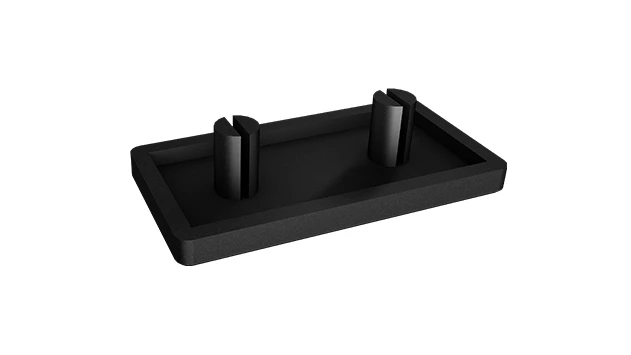
2040 Aluminum Profile End Cap
The aluminum profile end cap adds a finishing touch to your project and closes off profile ends to limit dust and debris buildup, also it can avaid some scratch for material and labor during the assemble work.
Walk into any modern workshop, manufacturing plant, or even a DIY enthusiast's garage, and you'll likely spot aluminum extrusion profiles hard at work. These versatile, lightweight structures form the backbone of workbenches, material racks, conveyor systems, and assembly lines—thanks to their modular design and endless customization options. But here's the thing: even the sturdiest aluminum profile is only as good as its accessories. And among those unsung heroes? 2040 aluminum profile end caps . These small, unassuming pieces play a huge role in safety, durability, and aesthetics—yet they're often overlooked until a sharp edge causes a cut or dust clogs a T-slot. If you're in the market for these end caps, you don't want to overspend or end up with ill-fitting parts. Let's dive into how to buy them smartly, without sacrificing quality.
What Are 2040 Aluminum Profile End Caps, Anyway?
First, let's get clear on the basics. 2040 aluminum profiles are a staple in industrial and DIY projects, named for their dimensions: 20mm in width and 40mm in height (or vice versa, depending on orientation). They feature T-slots—longitudinal grooves—that let you attach accessories like brackets, panels, or shelves. But the ends of these profiles? They're raw. Without end caps, you're left with exposed, sharp edges, open T-slots prone to collecting dust and debris, and a finish that looks unfinished.
2040 aluminum profile end caps are precisely engineered plugs designed to snap, screw, or press into these open ends. They're typically made from plastic (PVC, nylon) or aluminum, and come in various designs to suit different needs. Think of them as the "final touch" that turns a functional frame into a polished, professional setup—whether you're building a workbench for your garage or a material rack for a factory floor.
Why Skimping on End Caps Costs You More Later
You might be tempted to skip end caps to save a few dollars, but that's a short-sighted move. Here's why they matter:
Safety first: Raw aluminum edges are sharp. A worker brushing against an exposed profile end could get a nasty cut—leading to downtime, medical costs, or even liability issues. End caps soften these edges, turning hazards into harmless surfaces.
Protection from the elements: Dust, moisture, and debris love to settle in open T-slots. Over time, this can corrode the aluminum or jam accessories like bolts and brackets. End caps act as a barrier, extending the life of your profiles.
Aesthetics and professionalism: Imagine a sleek aluminum workbench with rough, unfinished ends—it looks rushed and unprofessional. End caps give projects a clean, cohesive look, which matters whether you're showcasing a product to clients or just taking pride in your workspace.
Structural support (in some cases): Heavy-duty aluminum end caps can add minor structural rigidity, especially in profiles used for load-bearing applications like shelving or machine guards.

Types of 2040 Aluminum Profile End Caps: Which One Do You Need?
Not all end caps are created equal. The right choice depends on your project's demands, budget, and environment. Here are the most common types:
1. Plastic Snap-On End Caps
The most popular and budget-friendly option. Made from durable PVC or nylon, these end caps "snap" into place with a firm press—no tools required. They're lightweight, come in colors like black, white, or gray, and work well for low-stress applications like
workbench
frames or display racks. Look for ones with a tight, secure fit to avoid popping off during use.
2. Aluminum Screw-On End Caps
For heavy-duty setups (think conveyor systems or industrial shelving), aluminum end caps are worth the investment. They're thicker, more rigid, and often secured with small screws for extra hold. They resist impact better than plastic and are ideal for environments with high vibration or frequent handling.
3. ESD-Safe End Caps
In electronics manufacturing or labs where static electricity is a risk, ESD (Electrostatic Discharge) end caps are non-negotiable. Made from conductive materials, they dissipate static charges, protecting sensitive components from damage. These cost a bit more, but the alternative—ruined circuit boards—isn't worth the risk.
4. Custom/Color-Coded End Caps
Some suppliers offer end caps in custom colors or with logos for branding. Color-coding is handy for organizing workstations (e.g., red for "inspection," blue for "assembly")—a small detail that can boost workflow efficiency.

The Ultimate Cost-Effective Buying Guide
Now, let's get to the good stuff: how to buy 2040 end caps without overspending, while still getting quality parts. Follow these tips to stretch your budget further:
1. Know Your Profile Specs Inside Out
Not all 2040 profiles are identical. Some have different T-slot widths, wall thicknesses, or edge designs (e.g., rounded vs. square). Measure your profile's inner dimensions (length, width, depth of the end opening) and check the manufacturer's specs before ordering. A cap that's 1mm too small will fall off; one that's too big will crack when you try to install it. When in doubt, ask your
aluminum profile supplier
for a sample—most will send one for free or a small fee.
2. Match Material to Application (Don't Overbuy)
Plastic end caps cost $0.50–$2 each; aluminum ones can run $3–$8. If you're building a home
workbench
that sees light use, plastic is more than enough. Reserve aluminum for industrial settings where durability matters. Similarly, skip ESD caps unless your project involves electronics—no need to pay extra for features you won't use.
3. Buy in Bulk (But Avoid Overstocking)
Suppliers love bulk orders, and they'll reward you with discounts. If you're working on a large project (e.g., outfitting a factory with 50 workstations), buying 500 end caps at once can cut per-unit costs by 20–30%. Just don't overdo it: end caps have a long shelf life, but storing 10,000 of them "just in case" ties up cash and space. A good rule: order 10–15% extra to account for mistakes or future repairs.
4. Choose a Reputable
Aluminum Profile Supplier
This is critical. A sketchy supplier might sell you cheap, ill-fitting caps that crack after a month—or worse, send the wrong size entirely. Look for suppliers with:
- Positive reviews (check Google, Alibaba, or industry forums)
- Clear product specs and photos (avoid listings with blurry images or vague descriptions)
- Responsive customer service (test them with a pre-order question—how quickly do they reply?)
- Certifications (e.g., ISO for quality, RoHS for environmental safety, if needed)
Established suppliers often have better quality control and will replace defective parts without hassle—saving you time and frustration down the line.
5. Bundle with Other
Aluminum Profile Accessories
If you need other parts—like brackets, T-slot nuts, or hinges—buy them from the same supplier as your end caps. Many offer "bundle discounts" when you purchase multiple accessory types. Plus, you'll save on shipping costs by consolidating orders.
6. Avoid "Too Good to Be True" Prices
A plastic end cap priced at $0.20 might seem like a steal, but it could be made from flimsy recycled plastic that cracks in the sun or cold. Aim for mid-range pricing—usually $0.80–$1.50 for plastic, $3–$5 for aluminum—to balance quality and cost. Remember: replacing cheap end caps every few months costs more than buying durable ones upfront.
7. Check Compatibility with Other Accessories
If your profile uses specialty accessories (e.g., sliding panels, cable management clips), ensure the end caps won't interfere. For example, some screw-on end caps might block T-slots needed for attaching brackets. Ask your supplier for compatibility charts or test with a sample first.
End Cap Comparison: Which Type Saves You the Most?
| End Cap Type | Material | Best For | Price Range (Per Unit) | Pros | Cons |
|---|---|---|---|---|---|
| Plastic Snap-On | PVC/Nylon | Home workshops, light-duty workbench es, display racks | $0.50–$2.00 | Cheap, easy to install, no tools needed | Not ideal for high impact or vibration |
| Aluminum Screw-On | Aluminum Alloy | Industrial shelving, conveyor systems, heavy machinery | $3.00–$8.00 | Durable, secure, resists impact | More expensive; requires screws/tools |
| ESD-Safe | Conductive Plastic/Aluminum | Electronics manufacturing, labs, cleanrooms | $2.50–$6.00 | Protects sensitive equipment from static | Unnecessary for non-electronics projects |
| Color-Coded | PVC/Nylon (dyed) | Workstation organization, assembly lines | $0.75–$2.50 | Boosts workflow efficiency; visually intuitive | Slightly pricier than plain plastic caps |
Common Mistakes to Avoid
Mistake #1: Assuming "One Size Fits All"
Even within the "2040" category, profiles vary. A European standard 2040 profile might have different end dimensions than an American one. Always double-check specs.
Mistake #2: Overlooking Environmental Factors
If your project is outdoors or in a humid area, plastic end caps can degrade faster. Opt for UV-resistant plastic or aluminum in these cases.
Mistake #3: Ignoring Lead Times
Custom colors or large bulk orders can take 2–4 weeks to ship. Plan ahead to avoid project delays.
Mistake #4: Buying From Unverified Suppliers
Cheap overseas suppliers might offer rock-bottom prices, but shipping delays, poor quality, or missing orders are common. Stick to suppliers with a proven track record.
Final Thoughts: Invest in the Little Things
2040 aluminum profile end caps might seem like an afterthought, but they're a small investment that pays big dividends. By choosing the right type, buying smart, and working with a reliable aluminum profile supplier , you'll save money, enhance safety, and make your projects look and perform better. Remember: cost-effective buying isn't just about finding the cheapest part—it's about finding the right part at the right price. With these tips, you'll do both.
So, the next time you're ordering aluminum extrusion profile s, don't forget the end caps. Your workers (and your wallet) will thank you.