- Company Articles
- Products and Technology
- Product knowledge
- 2040 Aluminum Profile End Caps for Conveyors: Application Insights

2040 Aluminum Profile End Caps for Conveyors: Application Insights
Related Product
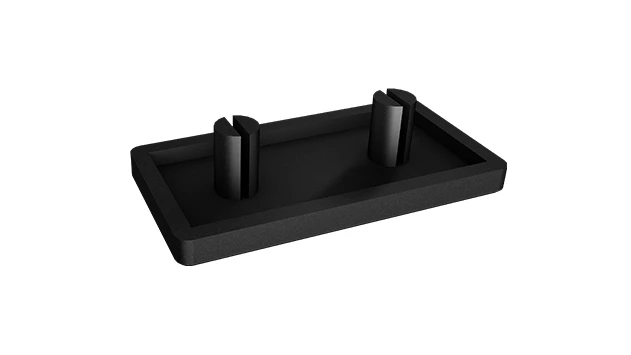
2040 Aluminum Profile End Cap
The aluminum profile end cap adds a finishing touch to your project and closes off profile ends to limit dust and debris buildup, also it can avaid some scratch for material and labor during the assemble work.
The Unsung Heroes of Smooth, Safe, and Efficient Conveyor Systems
Introduction: Why Small Parts Matter in Big Conveyor Systems
When you think about a conveyor system, what comes to mind? Probably the whirring motors, the gliding belts, or the heavy-duty rollers that move products from point A to point B. These are the "stars" of the show—big, visible, and obviously critical. But if you've ever worked in manufacturing, logistics, or any industry that relies on conveyors, you know the truth: the system's reliability hinges just as much on the small, often overlooked components. Today, we're shining a spotlight on one such unsung hero: the 2040 Aluminum Profile End Cap .
At first glance, an end cap might seem like little more than a plastic or metal plug. But in reality, it's a linchpin of safety, durability, and efficiency—especially when paired with aluminum profile conveyor frames. Whether you're running a high-speed assembly line in an automotive plant or a distribution center moving packages around the clock, the right end caps can mean the difference between a smooth operation and costly downtime. Let's dive into why these tiny components deserve your attention, how they work, and how to choose the best ones for your conveyor system.
Understanding 2040 Aluminum Profiles: The Backbone of Modern Conveyors
Before we get into end caps, let's take a step back and talk about the aluminum profile itself. The "2040" in 2040 Aluminum Profile End Caps refers to the profile's dimensions: 20mm in width and 40mm in height. These profiles are part of a broader family of extruded aluminum shapes designed for modularity, strength, and versatility. If you've ever seen a sleek, customizable workbench, a sturdy material rack, or the frame of a conveyor, chances are it's built with aluminum profiles like the 2040.
Why aluminum? For starters, it's lightweight but surprisingly strong—perfect for supporting conveyor components without adding unnecessary bulk. It's also resistant to corrosion, which is a big plus in environments where moisture, chemicals, or dust are present (think food processing or electronics manufacturing). And perhaps most importantly, aluminum profiles are modular . They come with T-slots along their length, allowing you to easily attach accessories like brackets, guides, and roller track components. This modularity makes it simple to reconfigure conveyor systems as your needs change, saving time and money on overhauls.
In conveyor systems, 2040 profiles are often used to build side frames, support structures for roller track , and even workbench edges adjacent to conveyors. Their slim profile (20mm x 40mm) strikes a balance between strength and space efficiency, making them ideal for tight layouts where every inch counts. But here's the thing: the exposed ends of these profiles—where the extrusion process leaves a raw, open edge—can be problematic if left unprotected. That's where end caps come in.

The Role of 2040 Aluminum Profile End Caps: More Than Just a "Plug"
At their core, 2040 Aluminum Profile End Caps are designed to cover the open ends of 2040 aluminum profiles. But their job goes far beyond aesthetics (though a clean, finished look is a nice bonus). Let's break down their key roles in a conveyor system:
Safety First: Preventing Injuries and Damage
Raw aluminum profile ends are sharp—think of the edge of a freshly cut piece of metal. In a busy conveyor environment, where workers are loading/unloading products or maintaining the system, a sharp edge is an accident waiting to happen. A simple brush against an exposed end could result in a cut, or worse, snag a glove or clothing. End caps blunt these edges, turning a hazard into a smooth, safe surface. They also protect the profiles themselves: without a cap, dirt, debris, and even small tools can fall into the hollow interior of the profile, leading to jams, corrosion, or damage to internal components over time.
Structural Integrity: Reinforcing the Profile
Aluminum profiles are strong, but their open ends can weaken under stress—especially in conveyor systems where the frame is subject to constant vibration, weight shifts, and impacts from moving products. A well-fitted end cap acts like a "plug" that distributes force more evenly across the profile's cross-section. This might seem minor, but over years of operation, it can extend the life of the profile, reducing the need for costly replacements.
Maintaining Cleanliness: Keeping Contaminants Out
In industries like electronics manufacturing or pharmaceuticals, even tiny particles of dust or debris can ruin products. Conveyor systems in these settings need to be as clean as possible. Exposed profile ends are magnets for dust, which can then be dislodged and fall onto products as the conveyor vibrates. End caps seal off the interior, preventing contaminants from accumulating inside the profile. They also make cleaning easier: a smooth, capped end is simpler to wipe down than a raw, hollow edge.
Compatibility with Other Components
Conveyor systems are rarely "one-size-fits-all." They often include accessories like
roller track
, guide rails, and brackets, all of which attach to the aluminum profile. A poorly fitted end cap can protrude or sit too deep, interfering with these components. Quality end caps are designed to sit flush with the profile's surface, ensuring that
roller track
guides, caster mounts, or workbench attachments fit seamlessly—no gaps, no misalignments, no frustrating adjustments.

Types of 2040 Aluminum Profile End Caps: Choosing the Right Fit
Not all end caps are created equal. Just as conveyor systems vary in design, environment, and usage, so do the end caps that protect their aluminum profiles. Let's explore the most common types, their materials, and when to use each one. To make it easier, we've put together a comparison table:
| End Cap Type | Material | Installation Method | Best For | Pros | Cons |
|---|---|---|---|---|---|
| Snap-On Plastic End Cap | Polypropylene (PP) or Nylon | Push-fit; no tools required | General-purpose conveyors, low to medium vibration, dry environments | Easy to install/remove, cost-effective, lightweight, available in colors (for color-coding zones) | May loosen under high vibration; not ideal for high temperatures or chemical exposure |
| Screw-On Aluminum End Cap | Aluminum Alloy | Requires screws (often self-tapping) into pre-drilled holes | Heavy-duty conveyors, high vibration, outdoor or industrial settings | Extremely secure, heat/chemical resistant, matches aluminum profile aesthetic | Takes longer to install; requires drilling; more expensive than plastic |
| ESD-Safe End Cap | Conductive Plastic (e.g., Carbon-Filled Nylon) | Snap-on or screw-on | Electronics manufacturing, semiconductor plants, or any ESD-sensitive environment | Prevents static buildup, protects sensitive components from electrostatic discharge | More expensive than standard plastic caps; limited color options |
| Custom-Designed End Cap | Plastic, Aluminum, or Stainless Steel | Varies (snap-on, screw-on, adhesive) | Unique conveyor layouts, specialized applications (e.g., food-grade, high-pressure washdown) | Tailored to specific needs (e.g., extra sealing, mounting points for sensors) | Higher cost, longer lead times, minimum order quantities may apply |
As you can see, the "best" end cap depends on your priorities. For a small warehouse conveyor handling lightweight packages, a standard snap-on plastic cap might be more than enough. But if you're running a high-speed automotive conveyor with constant vibration and heavy loads, an aluminum screw-on cap is worth the investment. And in electronics plants, where even a tiny static charge can destroy a circuit board, ESD-safe caps are non-negotiable.
Another consideration is aluminum profile accessories compatibility. Some end caps are designed to work with specific accessories—for example, a cap with a recessed area might allow a roller track guide to mount flush against the profile. Always check with your aluminum profile accessories supplier to ensure your end caps play well with other components in your system.
Installation Tips: Getting the Most Out of Your End Caps
Installing 2040 aluminum profile end caps might seem straightforward, but a few best practices can ensure they stay secure, last longer, and perform as intended. Here's a step-by-step guide, along with pro tips:
1. Prepare the Profile End
Before installing an end cap, take a moment to clean and inspect the profile end. Remove any burrs (leftover metal shavings from cutting) with a file or sandpaper—sharp burrs can tear plastic caps or prevent a snug fit. Wipe away dust, oil, or debris with a clean cloth; this helps the cap adhere (for adhesive-backed options) or seat properly (for snap-ons).
2. Choose the Right Cap for the Job
Refer back to our table! If you're installing in a high-vibration area, skip the snap-on plastic cap and go for a screw-on aluminum one. For ESD-sensitive zones, double-check that the cap is labeled "ESD-safe" (look for a surface resistance rating of 10⁶ to 10¹¹ ohms, per industry standards).
3. Snap-On Installation: The "Two-Handed Press"
For snap-on caps: Hold the cap with both hands, aligning the tabs with the profile's internal grooves. Press firmly and evenly on both sides—avoid pushing one corner first, as this can bend the tabs or crack the cap. You should hear a "click" when it's seated correctly. Give it a gentle tug to ensure it doesn't pop off.
4. Screw-On Installation: Measure Twice, Drill Once
For screw-on caps: If the profile isn't pre-drilled, mark the screw holes using the cap as a template. Use a drill bit slightly smaller than the screw diameter to prevent stripping. insert the screws and tighten until snug—not too tight, as over-tightening can warp the cap or strip the threads.
5. Test for Security
After installation, give the cap a light shake or tap. It should feel solid, with no movement. For conveyor systems, run a test cycle with products to simulate real-world vibration—if the cap loosens, consider switching to a more secure type (e.g., screw-on instead of snap-on).
Pro Tip: Color-Code for Easy Maintenance
Use colored end caps to signal different zones or maintenance schedules. For example, red caps on profiles near
roller track
junctions (high-wear areas) can remind technicians to inspect those spots first during routine checks. Green caps could indicate "newly replaced" profiles, making it easy to track upgrades.
Real-World Applications: How End Caps Solve Common Conveyor Problems
To truly understand the value of 2040 Aluminum Profile End Caps , let's look at three real-world scenarios where they made a measurable difference. These are based on case studies from manufacturing plants we've worked with—names changed for privacy, but details are.
Case Study 1: Automotive Assembly Line Reduces Downtime by 40%
A mid-sized automotive parts manufacturer was struggling with frequent conveyor breakdowns. The issue? Snap-on plastic end caps on their 2040 profile side frames were vibrating loose, causing
roller track
guides to misalign. This led to parts jamming, requiring line stops to fix. After switching to screw-on aluminum end caps, the caps stayed in place,
roller track
alignment improved, and unplanned downtime dropped by 40% in three months. The investment in aluminum caps paid for itself in reduced labor and lost production costs.
Case Study 2: Electronics Plant Eliminates ESD Damage
An electronics assembler producing circuit boards was seeing a 5% defect rate due to electrostatic discharge (ESD). Root cause analysis revealed that plastic end caps on their conveyor profiles were generating static as products slid past. By replacing standard plastic caps with ESD-safe nylon end caps, the plant reduced static buildup on the conveyor frame. Defect rates dropped to 0.5% within six weeks, saving thousands in scrapped components.
Case Study 3: Food Packaging Facility Improves Cleanliness Scores
A food packaging company was failing third-party cleanliness audits because dust and debris were accumulating in the hollow ends of their aluminum conveyor profiles. Exposed ends were also harboring bacteria in hard-to-reach crevices. After installing snap-on plastic end caps (food-grade PP, approved by the FDA), the profiles were sealed tight. Auditors noted a 90% reduction in debris accumulation, and the facility passed its next audit with flying colors.
Maintenance and Longevity: Making Your End Caps Last
End caps are durable, but they're not indestructible. With proper maintenance, you can extend their lifespan and keep your conveyor system running smoothly. Here's what to do:
Regular Inspections
Add end caps to your conveyor maintenance checklist. Every 1-3 months (depending on usage), walk the conveyor line and check for loose, cracked, or missing caps. Pay extra attention to high-stress areas: near motors,
roller track
junctions, or sections where products are loaded/unloaded. Tighten loose screw-on caps; replace any that are cracked, warped, or no longer seal properly.
Cleaning Tips
For plastic caps: Wipe with a damp cloth and mild detergent. Avoid harsh chemicals (like bleach or solvents), which can degrade the plastic. For aluminum caps: Use a soft brush to remove dust, then wipe with a cloth dampened with water or isopropyl alcohol. For ESD-safe caps: Use anti-static cleaning solutions to maintain their conductive properties.
Replacement Schedules
Even with care, end caps wear out. As a general rule: plastic snap-on caps last 1-2 years in moderate use; aluminum screw-on caps can last 5+ years. In harsh environments (high heat, chemicals, constant vibration), shorten these intervals by 30-50%.
Conclusion: Invest in the Details for Conveyor Success
Conveyor systems are the lifelines of modern industry, and their performance depends on every component—from the largest motor to the smallest end cap. 2040 Aluminum Profile End Caps might not grab headlines, but they play a critical role in safety, efficiency, and longevity. By choosing the right type (plastic, aluminum, ESD-safe), installing them properly, and maintaining them regularly, you can prevent injuries, reduce downtime, and extend the life of your aluminum profile conveyor frames.
Remember: a conveyor is only as strong as its weakest link. Don't let that weak link be an overlooked end cap. Whether you're building a new system or upgrading an existing one, take the time to evaluate your end cap needs. Your workers, your products, and your bottom line will thank you.
And when you're ready to source quality end caps (and other aluminum profile accessories like roller track components or brackets), partner with a supplier who understands the nuances of conveyor systems. Look for someone who offers samples, technical support, and a range of options to fit your specific environment. After all, the best end caps are the ones that work so well, you forget they're there—until you realize how much smoother everything runs because of them.