- Company Articles
- Products and Technology
- Product knowledge
- 2040 Aluminum Profile End Caps for Medical Storage Racks

2040 Aluminum Profile End Caps for Medical Storage Racks
Related Product
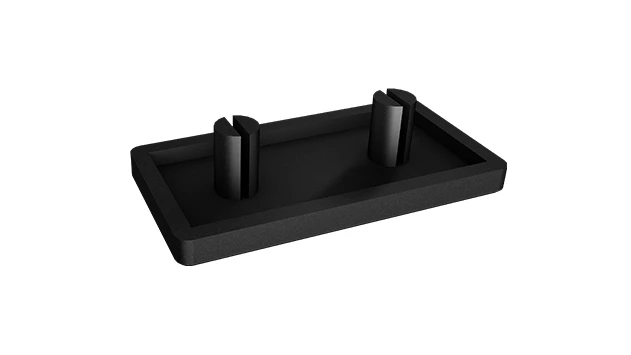
2040 Aluminum Profile End Cap
The aluminum profile end cap adds a finishing touch to your project and closes off profile ends to limit dust and debris buildup, also it can avaid some scratch for material and labor during the assemble work.
Walk into any hospital, clinic, or laboratory, and you'll quickly notice that organization isn't just a preference—it's a matter of life and death. From neatly labeled medication shelves to sterile instrument racks, every inch of space is designed to keep critical supplies within reach, reduce errors, and maintain the strict cleanliness standards that healthcare demands. Behind this seamless functionality lies a network of tools and materials working quietly behind the scenes, and one of the most essential yet overlooked components is the humble aluminum profile end cap. Specifically, for medical storage racks built with 2040 aluminum profiles, these small accessories play a giant role in ensuring safety, durability, and efficiency. In this article, we'll dive deep into the world of 2040 aluminum profile end caps, exploring why they matter, how they work, and why they're indispensable in medical settings.
Why Aluminum Profiles Rule Medical Storage Racks
Before we zoom in on end caps, let's take a step back and understand why aluminum profiles have become the backbone of modern medical storage systems. When it comes to healthcare environments, the materials used for storage racks must check a long list of boxes: they need to be strong enough to hold heavy loads (think stacks of surgical tools or bulk medication packages), lightweight enough to allow for easy reconfiguration, resistant to corrosion (since cleaning with harsh disinfectants is a daily ritual), and non-porous to prevent the growth of bacteria. Aluminum profiles tick all these boxes—and then some.
Aluminum is naturally resistant to rust and corrosion, making it ideal for spaces where frequent wiping with alcohol-based cleaners or bleach solutions is necessary. Unlike steel, which can chip or degrade over time when exposed to moisture and chemicals, aluminum maintains its integrity, ensuring that storage racks remain stable and safe for years. Its strength-to-weight ratio is another standout feature: aluminum profiles are sturdy enough to support hundreds of pounds of supplies but light enough that even a single staff member can adjust or move a rack if needed—critical in fast-paced environments where workflow changes happen overnight.
Then there's the versatility of aluminum profiles, particularly those with a T-slot design. These profiles feature grooves (or "slots") along their length that allow for easy attachment of accessories like shelves, brackets, hooks, and, yes, end caps. This modularity is a game-changer in healthcare, where storage needs can shift dramatically—one month you might need extra space for PPE, the next for vaccine vials. With aluminum profiles, you're not stuck with a fixed rack; you can add, remove, or rearrange components in minutes, adapting to whatever the day throws at you. It's no wonder that "aluminum profile" has become a buzzword among hospital administrators and lab managers looking to optimize their spaces.
Meet the 2040 Aluminum Profile: A Workhorse in Medical Design
Not all aluminum profiles are created equal, and in the world of medical storage, one size stands out for its balance of strength, flexibility, and compactness: the 2040 aluminum profile. As the name suggests, this profile measures 20 millimeters in width and 40 millimeters in height—a dimensions that's just right for a wide range of applications, from small instrument carts to large wall-mounted storage racks. Let's break down why this size has become a favorite in healthcare settings.
First, the 2040 profile's dimensions make it incredibly versatile. At 20mm wide, it's narrow enough to fit into tight spaces—like the nooks between hospital beds or the corners of small exam rooms—without sacrificing stability. The 40mm height, meanwhile, provides ample surface area for T-slots, allowing for the attachment of multiple accessories (shelves, dividers, bins) along a single profile. This means you can create multi-tiered storage racks that maximize vertical space, a precious commodity in crowded medical facilities.
Another key advantage of the 2040 profile is its compatibility with a vast array of "aluminum profile accessories." From heavy-duty brackets that support wooden or metal shelves to plastic dividers that separate different types of supplies, the T-slot design ensures that you can mix and match components to create a storage system tailored to your exact needs. For example, a pharmacy might use 2040 profiles to build a rack with adjustable shelves spaced 6 inches apart for medication bottles, while a surgical suite could use the same profiles with deeper shelves to hold large instrument trays. The possibilities are nearly endless, and that flexibility is what makes the 2040 profile a staple in medical design.
Perhaps most importantly, the 2040 profile is engineered with safety in mind. Its smooth, rounded edges reduce the risk of accidental bumps or cuts—a critical feature in busy environments where staff and patients are constantly on the move. But even with these rounded edges, there's one potential weak spot: the ends of the profiles. Without proper protection, the raw, cut ends of aluminum profiles can be sharp, collect dust and debris, or allow liquids to seep into the T-slots. That's where 2040 aluminum profile end caps come in.

The Role of 2040 Aluminum Profile End Caps: Small Parts, Big Impact
If aluminum profiles are the bones of a medical storage rack, then end caps are the skin that protects them. At first glance, end caps might seem like a minor detail—after all, they're just small pieces of plastic or rubber that snap onto the ends of profiles. But in reality, they perform a handful of critical functions that directly impact safety, hygiene, and longevity in medical settings. Let's unpack each of these roles.
1. Safety First: Eliminating Sharp Edges
Even with the most precise manufacturing, the cut ends of aluminum profiles can have tiny burrs or sharp edges—leftovers from the extrusion or cutting process. In a busy hospital, where staff are rushing to grab supplies during an emergency or patients are moving through storage areas, a sharp edge on a rack could lead to a painful cut or a torn glove. End caps act as a buffer, covering these raw ends with a smooth, rounded surface that's safe to touch. This might seem like a small thing, but in a field where every second counts, the last thing anyone needs is a preventable injury slowing them down.
2. Hygiene: Sealing Out Dust and Debris
In medical environments, cleanliness isn't just about appearance—it's about preventing the spread of infections. Dust, dirt, and spilled liquids can easily accumulate in the open ends of aluminum profiles, creating hidden pockets where bacteria or viruses might linger. Even with regular cleaning, reaching into the narrow T-slots or the hollow interior of a profile is nearly impossible. 2040 aluminum profile end caps seal these openings shut, blocking dust and liquids from entering. This not only keeps the profiles cleaner but also reduces the time staff spend scrubbing hard-to-reach areas—time that's better spent caring for patients.
3. Aesthetics: Polishing the Look of Medical Spaces
While functionality is king in healthcare, aesthetics matter too. A cluttered, unprofessional-looking storage area can create stress for staff and patients alike, undermining confidence in the quality of care. Raw aluminum ends, with their rough edges and exposed metal, can make even the most well-organized rack look unfinished. End caps provide a clean, uniform finish, covering up imperfections and giving racks a sleek, polished appearance. Many end caps come in neutral colors like white, gray, or black, which blend seamlessly with medical decor—no more unsightly metal peeking out from the ends of your racks.
4. Protecting the Profile Itself
Aluminum profiles are durable, but they're not indestructible. The ends of profiles are particularly vulnerable to damage, whether from accidental bumps with carts, dropping heavy items, or even just regular wear and tear. An end cap acts as a shock absorber, taking the brunt of these impacts and protecting the underlying aluminum. Over time, this can extend the life of your storage racks significantly, saving your facility money on replacements and repairs.

Inside the Design: What Makes a 2040 End Cap "Medical-Grade"?
Not all end caps are created equal, and when it comes to medical settings, you need end caps that are specifically designed to meet the industry's rigorous standards. Let's take a closer look at the features that set high-quality 2040 aluminum profile end caps apart from generic alternatives.
Material Matters: Plastic vs. Rubber
Most 2040 aluminum profile end caps are made from one of two materials: polypropylene (a type of plastic) or thermoplastic rubber (TPR). Both have their advantages, but in medical environments, polypropylene is often preferred. Why? Polypropylene is incredibly resistant to chemicals, including the harsh disinfectants used in hospitals. It won't crack, discolor, or degrade when exposed to alcohol, bleach, or hydrogen peroxide—critical for maintaining a sterile environment. It's also rigid enough to hold its shape over time but flexible enough to snap securely onto the profile without cracking. TPR end caps, while softer and more shock-absorbent, can sometimes absorb chemicals or harbor odors, making them less ideal for spaces where cleanliness is non-negotiable.
A Perfect Fit: Dimensions and Compatibility
The "2040" in 2040 aluminum profile refers to its cross-sectional dimensions: 20mm (width) x 40mm (height). This means the end cap must be precisely sized to fit these dimensions—too loose, and it will fall off; too tight, and it will crack when installed. High-quality end caps are molded to exact specifications, with internal ribs or tabs that grip the inside of the profile securely. Some even feature a slight taper, making installation easy (you can press them on by hand) but ensuring they stay put once in place. When shopping for end caps, always double-check that they're labeled for "2040 aluminum profiles"—using a mismatched size is a recipe for frustration and potential safety risks.
Color and Visibility
While most medical end caps come in neutral colors, some manufacturers offer options in bright hues like red or blue. These can be useful for color-coding storage racks—for example, red end caps might indicate racks holding emergency supplies, while blue could signal medication storage. This visual cue helps staff quickly locate what they need, reducing errors and saving time during high-stress situations.
Specifications at a Glance: 2040 Aluminum Profile End Cap Basics
| Feature | Typical Specification | Why It Matters in Medical Settings |
|---|---|---|
| Material | Polypropylene (PP) or food-grade plastic | Resistant to chemicals, easy to clean, non-porous |
| Dimensions | 20mm (width) x 40mm (height) x 10mm (depth) | Ensures a snug fit on 2040 profiles, preventing gaps where debris can collect |
| Installation Type | Snap-fit (no tools required) | Allows for quick installation/removal during cleaning or reconfiguration |
| Color Options | White, gray, black, or custom colors | Supports color-coding for organization; neutral tones blend with medical decor |
| Temperature Resistance | -20°C to 80°C (-4°F to 176°F) | Withstands extreme temperatures from cold storage rooms to sterilization areas |
Beyond End Caps: Building a Complete Medical Storage System with Aluminum Profile Accessories
End caps are just one piece of the puzzle when it comes to creating a fully functional medical storage rack. To truly maximize efficiency, you'll need to pair your 2040 aluminum profiles with the right "aluminum profile accessories." Let's explore some of the most common accessories and how they work alongside end caps to create a seamless system.
Shelves: The Foundation of Storage
No storage rack is complete without shelves, and aluminum profile systems offer a variety of shelf options to suit different needs. From solid metal shelves for heavy equipment to wire mesh shelves for better air circulation (important for items that need to stay dry), these shelves attach to the T-slots of 2040 profiles using brackets or clips. End caps ensure that the ends of the profiles, which might otherwise stick out beyond the shelves, remain covered and safe.
Dividers and Bins: Keeping Supplies Organized
In a rack filled with dozens of small items—like syringes, bandages, or test tubes—dividers and bins are essential for preventing chaos. These accessories slide into the T-slots of aluminum profiles, creating separate compartments for different supplies. End caps play a role here too: by sealing the ends of the profiles, they prevent dividers from sliding off the end of the rack, keeping everything in its place.
Casters: Making Racks Mobile
Sometimes, you need a storage rack that can move—for example, a cart that follows a surgical team into an operating room or a rack that needs to be wheeled out of the way during deep cleaning. Casters (wheels) attach to the bottom of aluminum profile frames, making racks mobile. While end caps don't directly interact with casters, they do contribute to the overall stability of the rack: a secure, capped profile is less likely to warp or bend under the weight of a moving load, ensuring that the rack remains steady and safe.
Label Holders: Clear Communication
In medical settings, clear labeling can mean the difference between grabbing the right medication and a dangerous mistake. Label holders attach to aluminum profiles, allowing staff to quickly identify what's stored on each shelf. Like dividers, these holders rely on the T-slot system, and end caps ensure that the profiles remain structurally sound, providing a stable base for the labels.
Lean System Integration: How End Caps Support Efficient Healthcare Workflows
Healthcare facilities are increasingly adopting "lean system" principles—an approach focused on reducing waste, improving efficiency, and maximizing value for patients. At its core, lean is about streamlining processes so that staff can spend less time searching for supplies or fixing problems and more time caring for patients. Aluminum profile systems, including 2040 end caps, align perfectly with this philosophy.
Lean systems thrive on modularity and adaptability, and aluminum profiles deliver both. Because end caps make it easy to reconfigure racks (you can snap them off, adjust the profile, and snap them back on in seconds), staff can quickly rearrange storage to match changing needs. For example, during a flu outbreak, a hospital might need to expand its vaccine storage area. With aluminum profiles, you can add extra shelves or extend a rack in minutes—no tools, no downtime, no wasted resources. End caps ensure that even after multiple reconfigurations, the rack remains safe, clean, and professional-looking.
Waste reduction is another key tenet of lean, and aluminum profiles with end caps excel here too. Unlike fixed wooden or steel racks, which often end up in landfills when they're no longer needed, aluminum profiles are reusable. You can disassemble a rack, move the profiles to another area, and reassemble them with new accessories—including end caps—to create a completely different storage system. This reduces waste and saves money in the long run, aligning with the lean goal of maximizing resource efficiency.
Real-World Impact: A Day in the Life of a Medical Storage Rack with 2040 End Caps
To put all this into perspective, let's walk through a typical day in a hospital pharmacy where 2040 aluminum profile racks with end caps are in use. It's 7:00 AM, and the pharmacy team is gearing up for the day. The morning rush starts with nurses picking up medication carts for their patients. The storage racks, built with 2040 aluminum profiles, are lined with labeled shelves holding everything from antibiotics to painkillers. Each profile end is capped with a white polypropylene end cap, giving the racks a clean, uniform look.
At 9:30 AM, a shipment of new vaccines arrives. The pharmacy manager needs to create extra space, so she grabs a few additional 2040 profiles and snaps on end caps (no tools needed—she just presses them on by hand). Within 15 minutes, she's added a new shelf to the vaccine rack, ensuring the vaccines are stored at the proper temperature and within easy reach. The end caps on the new profiles blend seamlessly with the existing ones, maintaining the rack's professional appearance.
By noon, the daily cleaning crew arrives. They wipe down the racks with a bleach solution, and the polypropylene end caps hold up perfectly—no discoloration, no warping. Because the end caps seal the profile ends, there's no dust or debris hiding in the T-slots, so the crew can clean the racks quickly and move on to other tasks.
In the afternoon, a nurse rushes in, needing a supply of syringes. She grabs a handful from the rack, and as she turns to leave, her elbow brushes against the end of a profile. Thanks to the end cap, there's no sharp edge—just a smooth surface that doesn't tear her uniform or scratch her skin. She's in and out in 30 seconds, back to her patient.
This might sound like a mundane day, but in healthcare, mundane is good. It means the storage system is working as it should, supporting the team rather than getting in their way. And at the heart of that system? 2040 aluminum profile end caps, quietly doing their job.
Choosing the Right 2040 End Cap: What to Look for in a Supplier
Now that you understand why 2040 aluminum profile end caps are essential, how do you choose the right ones for your medical facility? Not all suppliers are created equal, and cutting corners on end caps can lead to issues down the line—end caps that fall off, crack under chemical exposure, or don't fit properly. Here are a few key factors to consider when selecting a supplier:
1. Medical-Grade Certification
Look for end caps that are certified as "medical-grade" or compliant with standards like ISO 13485 (which governs medical device manufacturing). This ensures that the end caps have been tested for biocompatibility, chemical resistance, and safety—critical for use in healthcare settings.
2. Precision Manufacturing
End caps need to fit snugly on 2040 profiles, so precision is key. Ask suppliers about their manufacturing tolerances—high-quality end caps will have consistent dimensions, with no warping or gaps. A good test: if an end cap wobbles or falls off when you shake the profile, it's not up to par.
3. Material Quality
As we discussed earlier, polypropylene is the gold standard for medical end caps. Avoid end caps made from cheap plastics that can crack or degrade when exposed to chemicals. A reputable supplier will be happy to share material safety data sheets (MSDS) proving that their end caps are resistant to common disinfectants.
4. Customization Options
If your facility uses color-coding or has specific branding needs, look for suppliers that offer custom colors or logos on end caps. While this might cost a bit more, the organizational benefits can be well worth it.
Conclusion: The Small Part That Makes a Big Difference
In the grand scheme of healthcare, 2040 aluminum profile end caps might seem insignificant. They're small, inexpensive, and easy to overlook. But as we've explored, they play a critical role in ensuring that medical storage racks are safe, clean, durable, and efficient. From protecting staff and patients from sharp edges to sealing out dust and debris, from supporting lean workflows to maintaining a professional appearance, end caps are the unsung heroes of healthcare organization.
So the next time you walk into a hospital pharmacy, lab, or supply room, take a moment to look at the storage racks. Chances are, you'll see 2040 aluminum profiles with end caps quietly doing their job. And now, you'll know just how much thought, design, and care went into those small, unassuming accessories. In healthcare, every detail matters—and 2040 aluminum profile end caps are proof that even the smallest details can have the biggest impact.