- Company Articles
- Products and Technology
- Product knowledge
- 2040 Aluminum Profile End Caps for Mobile Workstations: Usage Guide

2040 Aluminum Profile End Caps for Mobile Workstations: Usage Guide
Related Product
2040 Aluminum Profile End Cap
The aluminum profile end cap adds a finishing touch to your project and closes off profile ends to limit dust and debris buildup, also it can avaid some scratch for material and labor during the assemble work.
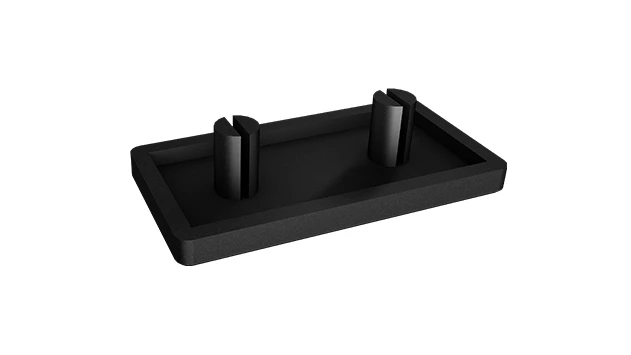
Walk into any busy factory, workshop, or small production space, and you'll likely spot them: mobile workstations gliding smoothly across the floor, holding tools, parts, and as teams hustle to meet deadlines. These workhorses are the unsung heroes of efficiency, but have you ever stopped to think about what makes them tick? Beyond the sturdy frames and rolling casters, there's a world of small, often-overlooked components that keep everything running seamlessly. Today, we're shining a spotlight on one such component: the 2040 aluminum profile end cap. It might seem tiny, but trust me—this little piece plays a huge role in keeping your workstation safe, durable, and ready for action. Let's dive in.
Understanding 2040 Aluminum Profiles: The Backbone of Your Workstation
Before we get to the end caps, let's talk about the star of the show: the 2040 aluminum profile. If you've ever assembled a workbench, a material rack, or even a custom storage solution, chances are you've handled one of these. Named for its dimensions—20mm in width and 40mm in height—this aluminum extrusion is a favorite in manufacturing and DIY circles for good reason.
Why 2040, specifically? For starters, it strikes the perfect balance between strength and weight. Aluminum is naturally lightweight, so even a fully built workstation won't feel like pushing a boulder. But don't let its lightness fool you—this profile can handle heavy loads, whether you're stacking tools, placing a drill press, or storing boxes of parts. Then there's the T-slot design: those grooves running along the length of the profile aren't just for show. They let you slide in accessories like brackets, shelves, and connectors, turning a simple piece of aluminum into a modular, customizable system. It's like building with giant, industrial-grade Legos—and who doesn't love that?
From small workshops to large-scale factories, the 2040 aluminum profile is everywhere. It's the backbone of workbenches, the frame of mobile trolleys, and the skeleton of material racks. And here's the thing: every time you use one of these structures, you're relying on the profile's integrity. That's where end caps come in.
What Are 2040 Aluminum Profile End Caps, Anyway?
Picture this: You've just unboxed a brand-new 2040 aluminum profile. The first thing you'll notice is the sharp, raw edges at the ends. Run your finger along them (carefully!) and you'll feel the potential for scrapes or cuts. Look closer, and you'll see the open T-slots at the end, inviting dust, debris, and even small parts to sneak inside. Not exactly ideal for a workstation that needs to stay clean and safe, right?
Enter the 2040 aluminum profile end cap. Simply put, it's a small cover designed to fit snugly over the exposed ends of your aluminum profile. Think of it as a "cap" for your profile—hence the name. But it's more than just a cosmetic fix. These caps are engineered to solve three big problems:
- Safety first: No more sharp edges! End caps smooth out the profile's ends, reducing the risk of cuts when workers move around the workstation or reach for tools.
- Protection from the elements: Dust, dirt, and even moisture can get trapped in the T-slots of an uncovered profile. Over time, this can corrode the aluminum or gum up the slots, making it hard to add accessories later. End caps seal off those openings, keeping your profile clean and functional.
- Aesthetic polish: Let's be honest—raw aluminum ends look unfinished. End caps give your workstation a clean, professional look, whether you're running a small garage shop or a high-end production line. First impressions matter, and a tidy workstation sends a message that you care about quality.
"I remember when we first started using 2040 profiles in our workshop," says Maria, a production supervisor at a small electronics manufacturer. "We skipped the end caps to save a few bucks, and within a month, two of my guys had nicked their hands on the sharp edges. Then, when we tried to add a shelf bracket to one profile, dirt had packed into the T-slot so tight we had to scrape it out with a screwdriver. Never again—now we cap every profile end. It's a tiny cost for a huge peace of mind."

Types of 2040 Aluminum Profile End Caps: Which One Is Right for You?
Not all end caps are created equal. Just like shoes, they come in different styles to fit different needs. Let's break down the most common types you'll encounter, so you can pick the perfect match for your workstation.
| End Cap Type | Material | Installation Method | Best For |
|---|---|---|---|
| Snap-Fit Plastic End Caps | PVC or Nylon | Push-on (snaps into place) | Light to medium-duty workstations, quick assembly, budget-friendly |
| Screw-On Aluminum End Caps | Aluminum Alloy | Secured with small screws (often into T-slots) | Heavy-duty use, outdoor or high-moisture environments |
| Flanged End Caps | Plastic or Aluminum | Snap-fit or screw-on (with a lip that covers the profile's edge) | Workstations with frequent handling (extra protection against bumps) |
| ESD-Safe End Caps | Conductive Plastic | Snap-fit or screw-on | Electronics manufacturing (prevents static discharge damage) |
Snap-fit plastic caps are the most popular for everyday use. They're affordable, easy to install (just push them on—no tools needed!), and come in colors like black, white, or gray to match your profile. I've used these in my own garage workstation, and they've held up for years, even with my kids occasionally leaning on the bench.
For heavier applications—think workstations that carry machinery or get moved around roughly—screw-on aluminum caps are the way to go. The screws lock them into place, so they won't pop off, and the aluminum material adds extra durability. I once visited a automotive repair shop where they used these on their mobile tool carts; after years of grease, oil, and constant movement, the caps still looked brand new.
Flanged caps are a personal favorite for high-traffic areas. That extra lip around the edge acts like a bumper, absorbing minor bumps and scrapes. If your workstation shares space with forklifts, pallet jacks, or busy workers, these will save you from having to replace dented profile ends.

Installing 2040 Aluminum Profile End Caps: It's Easier Than You Think
You might be thinking, "Okay, end caps are important—but are they a hassle to install?" Let me put your mind at ease: Installing a 2040 aluminum profile end cap is one of the simplest tasks you'll do when setting up your workstation. Here's a step-by-step guide that even a DIY newbie can follow:
Step 1: Prep the Profile End
First, make sure the end of your 2040 profile is clean and smooth. If there are any burrs (tiny metal shavings) from cutting the profile, gently sand them off with fine-grit sandpaper. A quick wipe with a dry cloth will remove dust or debris—you want the end cap to fit snugly, and dirt can get in the way.
Step 2: Align the End Cap
Take your end cap and line it up with the profile end. For snap-fit caps, check that the tabs (the small plastic prongs inside the cap) are facing the T-slots of the profile. For screw-on caps, make sure the screw holes align with the T-slots—this might take a little twisting, but it's easy once you get the hang of it.
Step 3: Secure the Cap
For snap-fit caps: Hold the cap firmly and push straight onto the profile end. You'll hear a satisfying "click" when it's in place. If it feels loose, gently wiggle it side to side while pressing—sometimes the tabs just need a little help finding their groove.
For screw-on caps: Once aligned, insert the screws into the pre-drilled holes (most caps come with screws included) and tighten them with a small Phillips-head screwdriver. Don't over-tighten—you don't want to strip the threads or crack the cap.
Step 4: Test It Out
Give the cap a gentle tug to make sure it's secure. If it stays put, you're done! If it pops off, double-check that the profile end was clean and that you aligned the tabs correctly. Chances are, a little adjustment is all it takes.
Pro tip: If you're installing multiple caps, do them all at once while the profile is still on the ground. Once the workstation is built, reaching the ends can be trickier—save yourself the backache!
Why End Caps Matter in a Lean System
By now, you're probably convinced that end caps are more than just "nice to have." But let's tie this back to something bigger: lean system principles. Lean manufacturing is all about eliminating waste, improving efficiency, and creating value for customers. How does a tiny end cap fit into that?
Think about downtime. If a worker cuts their hand on a sharp profile end, they're out of commission for a day (or more), and your team falls behind. If dust clogs the T-slots, you spend 20 minutes cleaning them instead of assembling a new shelf. If a cap pops off and gets lost, you're scrambling to find a replacement, delaying production. All of these are forms of waste—waste that end caps help prevent.
Lean systems also prioritize safety, and end caps are a simple, cost-effective way to make your workspace safer. A safer workplace means happier, more productive employees—and that's a win for everyone. Plus, when your workstation looks neat and well-maintained, it sends a message to your team that you care about their environment, which boosts morale. And a motivated team? That's the secret ingredient to lean success.
"We adopted lean principles last year, and one of the first things our consultant pointed out was our exposed profile ends," says Raj, owner of a small furniture manufacturing shop. "He said, 'Every time someone hesitates to reach over that sharp edge, that's waste.' We added end caps the next day, and within a week, I noticed my team moving faster—no more tiptoeing around the workbenches. It sounds small, but it added up to an extra hour of productivity each day."
Pairing End Caps with Aluminum Profile Accessories: A Match Made in Workshop Heaven
Your 2040 aluminum profile isn't just a standalone piece—it's part of a ecosystem of aluminum profile accessories. Brackets, shelves, lighting, tool holders… the list goes on. And guess what? End caps play nice with all of them.
For example, if you want to add a side shelf to your workstation, you'll slide a bracket into the T-slot of your 2040 profile. A clean, capped end ensures the bracket slides smoothly and locks into place without catching on debris. Similarly, cable management clips (those handy little holders for wires) fit into T-slots—no dust means no jamming, so you can keep your workstation neat and tripping-hazard-free.
Even casters, the wheels that make your workstation mobile, benefit from end caps. When you attach a caster to the bottom of a profile, the end cap at the top prevents dirt from falling into the T-slot above, keeping the entire structure clean and balanced.
Think of end caps as the glue that holds your accessory system together. They might not be the flashiest part, but they make sure everything else works like it should.
Maintaining Your End Caps: Keep Them Going Strong
Like any part of your workstation, end caps need a little love to last. Here are a few simple maintenance tips to keep them in top shape:
- Check for wear and tear: Every month or so, take a quick look at your end caps. Are there cracks? Is the plastic starting to fade or become brittle? If so, replace them—better to spend a few dollars now than deal with a broken cap later.
- Clean them regularly: Wipe down the caps with a damp cloth to remove grease, oil, or dust. For plastic caps, avoid harsh chemicals (like acetone) that can eat away at the material—mild soap and water work best.
- Tighten screws (if applicable): If you're using screw-on aluminum caps, check the screws every few months. Vibration from moving the workstation can loosen them, so a quick tighten with a screwdriver will keep the cap secure.
- replace lost caps immediately: If a cap falls off and you can't find it, don't wait to replace it. An exposed profile end is a safety risk, and dirt will start building up fast.
I once forgot to replace a missing cap on my garage workstation, and within a week, a spider built a nest in the T-slot. Let's just say I now keep a few extra caps in my toolbox—you never know when you'll need one.
Troubleshooting Common End Cap Issues
Even with the best installation and maintenance, things can go wrong. Here are a few common problems and how to fix them:
Problem: The end cap keeps popping off.
Solution: First, check if the cap is the right size. 2040 profiles have specific dimensions, so make sure you didn't accidentally buy a 2020 or 3030 cap (they might look similar, but they won't fit). If the size is correct, the profile end might be dirty or have burrs—clean and sand it, then try again. For snap-fit caps, gently squeeze the sides of the cap while pushing it on; this can help the tabs grip better.
Problem: I can't get the end cap to push on—it's too tight.
Solution: This usually happens if the profile end is slightly bent (from cutting or rough handling). Use a rubber mallet to gently tap the cap into place—don't use a metal hammer, as it can crack the cap or damage the profile. If it's still stuck, warm the plastic cap with a hair dryer for 10-15 seconds (plastic softens slightly when warm) and try again.
Problem: The plastic cap is cracked.
Solution: Cracks are usually caused by over-tightening (for screw-on caps) or rough impacts. Unfortunately, cracked caps can't be repaired—replace them with a new one. To prevent this in the future, be gentle when installing, and avoid hitting the caps with heavy objects.
Final Thoughts: Don't Overlook the Little Things
At the end of the day, the 2040 aluminum profile end cap is a small part of a big system. But as we've seen, small parts have a way of making a big difference. Whether you're building a single workbench for your home workshop or outfitting an entire factory with lean system workstations, taking the time to install these caps is an investment in safety, durability, and efficiency.
So the next time you're setting up a workstation, remember: It's not just about the big stuff. It's about the end caps, the casters, the brackets, and all the other tiny components that work together to keep your team moving forward. After all, in the world of manufacturing and production, success is in the details.
Now go grab those end caps—and build something amazing.