- Company Articles
- Products and Technology
- Product knowledge
- 2040 Aluminum Profile End Caps: How They Protect Profiles & Users

2040 Aluminum Profile End Caps: How They Protect Profiles & Users
Related Product
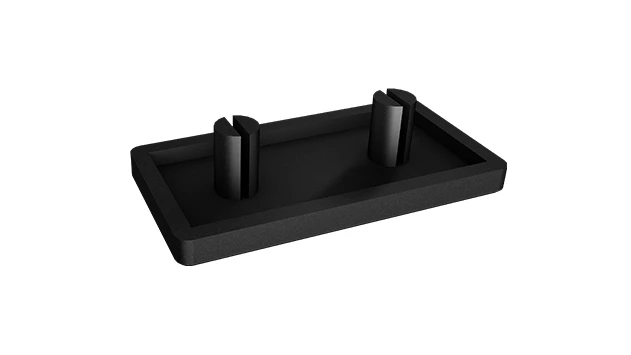
2040 Aluminum Profile End Cap
The aluminum profile end cap adds a finishing touch to your project and closes off profile ends to limit dust and debris buildup, also it can avaid some scratch for material and labor during the assemble work.
Introduction: The Quiet Guardians of Modern Manufacturing
In the bustling world of manufacturing, warehousing, and even retail design, there's a silent workhorse that holds everything together: the aluminum extrusion profile. These sleek, versatile structures form the backbone of assembly lines, workbenches, shelving units, and countless other systems we rely on daily. Lightweight yet incredibly strong, resistant to corrosion, and endlessly customizable, aluminum profiles have transformed how we build and organize spaces. But for all their strength, these profiles have a vulnerable side—their raw, cut ends. That's where the unsung hero comes in: the 2040 aluminum profile end cap. Small, unassuming, and often overlooked, this tiny accessory plays a critical role in protecting both the profiles and the people who work with them.
Imagine walking through a busy factory. Workers hustle to assemble electronics, forklifts glide past stacks of materials, and machinery hums in the background. Everywhere you look, aluminum profiles frame workspaces, guide conveyor belts, and support heavy loads. Now, picture one of those profiles without an end cap: a sharp, jagged edge left from cutting, exposed to dents, dust, and moisture. Over time, that edge could nick a worker's hand, collect debris that jams moving parts, or corrode, weakening the entire structure. It's a small detail, but one that can have big consequences. In this article, we'll explore why 2040 aluminum profile end caps are more than just "add-ons"—they're essential components that ensure safety, durability, and efficiency in any project using aluminum extrusion profiles.
Aluminum Extrusion Profiles: The Building Blocks of Modern Design
To truly appreciate the value of end caps, we first need to understand the star of the show: the aluminum extrusion profile. Aluminum extrusion is a manufacturing process where heated aluminum alloy is forced through a die, creating long, uniform shapes with precise cross-sections. This process allows for intricate designs—including the T-slots that make these profiles so versatile. T-slots are the longitudinal grooves running along the length of the profile, enabling accessories like brackets, shelves, and panels to be attached without welding or drilling. This modularity is what makes aluminum profiles a favorite in industries ranging from automotive to aerospace, and from retail to robotics.
Among the thousands of profile sizes available, the 2040 aluminum profile stands out as a versatile workhorse. Measuring approximately 20mm in width and 40mm in height, it strikes the perfect balance between compactness and strength. You'll find 2040 profiles in everything from small DIY projects, like custom 3D printer frames, to industrial applications, such as conveyor systems and machine guards. Its popularity stems from its ability to support significant weight while remaining lightweight, making it ideal for both stationary structures and mobile carts. Whether you're building a workbench in a home garage or a modular assembly line in a factory, the 2040 profile offers the flexibility to bring your vision to life.
But here's the catch: when you cut an aluminum profile to length, you're left with an exposed end. This end isn't just unfinished—it's potentially hazardous. Cutting creates burrs, sharp edges, and a raw surface that's vulnerable to damage. Over time, an unprotected end can become dented, corroded, or clogged with debris, compromising the profile's integrity and safety. That's where aluminum profile accessories come into play, and the end cap is perhaps the most critical of these accessories. It's the final piece of the puzzle that turns a functional profile into a safe, durable, and professional-looking component.

What Are 2040 Aluminum Profile End Caps?
At first glance, a 2040 aluminum profile end cap might seem like a simple piece of plastic or rubber. But looks can be deceiving. These small components are precision-engineered to fit snugly into the open end of a 2040 aluminum extrusion profile, addressing a range of potential issues. Let's break down what they are, how they're made, and why their design matters.
Most end caps are made from durable plastics like polypropylene (PP) or polyethylene (PE), though rubber (EPDM) and metal (aluminum or stainless steel) options are available for specialized needs. Plastic end caps are the most common due to their affordability, flexibility, and resistance to impact and chemicals. They're typically injection-molded, allowing for precise shapes that match the exact cross-section of the 2040 profile—including cutouts for T-slots and contours that follow the profile's edges.
The design of a quality end cap is all about the fit. A well-made end cap features a "snap-fit" or "press-fit" mechanism, where small tabs or ribs on the inside of the cap grip the inner walls of the profile. This allows for tool-free installation—simply align the cap with the profile end and press firmly until it clicks into place. Some end caps also include optional screw holes for added security, ideal for high-vibration environments. The goal is a tight, secure fit that stays in place during handling, transportation, and daily use, yet is easy to remove if the profile needs to be reconfigured.
But end caps aren't just about function—they also contribute to aesthetics. A raw profile end looks unfinished, with visible burrs and a rough texture. An end cap covers this, providing a smooth, clean surface that gives the structure a polished, professional appearance. This is especially important in visible applications like retail displays, office furniture, or medical equipment, where presentation matters as much as performance.

Function 1: Protecting the Aluminum Profile Itself
At their core, 2040 aluminum profile end caps are protectors of the profile. Aluminum, while robust, is not immune to damage—especially at its cut ends. Let's explore how end caps shield profiles from common threats.
Shielding Against Physical Impact
Profiles are subjected to impacts every day, whether from accidental drops during assembly, collisions with forklifts in warehouses, or even just rough handling during transportation. Without an end cap, the exposed end is the weakest point. A hard impact could dent the aluminum, bend the edges, or even crack the profile—especially if it's a thin-walled design. Over time, these dents can compromise the profile's structural integrity, making it harder to attach accessories or reducing its load-bearing capacity.
End caps act as a sacrificial barrier. Made from resilient plastic or rubber, they absorb the force of impacts, protecting the aluminum underneath. For example, if a profile with an end cap is dropped, the cap might scuff or crack, but the profile end remains intact. Since end caps are inexpensive compared to replacing an entire profile, this sacrificial protection translates to significant cost savings over time. In high-traffic areas, like busy factories, this can add up to a substantial reduction in maintenance and replacement costs.
Preventing Corrosion and Oxidation
Aluminum is naturally resistant to corrosion thanks to a thin oxide layer that forms on its surface when exposed to air. However, this layer is disrupted at the cut end of a profile, leaving raw aluminum vulnerable to moisture, salt, and chemicals. In humid environments, coastal areas, or facilities using cleaning agents, this exposed metal can corrode, leading to pitting, discoloration, and eventually, structural weakness.
End caps seal off the profile's open end, creating a physical barrier between the raw aluminum and the environment. By blocking moisture, salt, and chemicals from reaching the cut surface, they help maintain the profile's natural corrosion resistance. In particularly harsh environments, like food processing plants or marine facilities, rubber end caps with gasket-like edges can provide an extra layer of protection, creating a watertight seal that prevents liquid intrusion.
Keeping Debris Out of Hollow Cores
Most aluminum profiles, including the 2040, are hollow to reduce weight while maintaining strength. This hollow core is a double-edged sword: it lightens the profile but also creates a space where dust, dirt, metal shavings, and small parts can accumulate. Over time, this debris can cause a host of problems:
- Clogged T-Slots: Debris can build up in the T-slots, making it difficult to insert or adjust accessories like brackets or shelves.
- Internal Corrosion: Moisture trapped by debris can lead to internal corrosion, which is hard to detect until it weakens the profile from the inside out.
- Contamination Risks: In cleanrooms or electronics manufacturing, even tiny particles inside a profile can become airborne, contaminating sensitive products or processes.
End caps prevent debris from entering the hollow core in the first place. By sealing the end, they keep the interior clean and free from buildup, ensuring the profile functions properly for years to come. This is especially important in automated systems, where a single piece of debris could jam a moving part and bring production to a halt.
Function 2: Safeguarding Users and Workers
While protecting the profile is important, the safety of the people who interact with aluminum structures is even more critical. Unprotected profile ends pose significant risks, from minor cuts to serious injuries. Let's explore how end caps create safer work environments.
Eliminating Sharp Edges and Burrs
When an aluminum profile is cut, the process leaves behind sharp burrs and rough edges. These burrs are small, jagged pieces of metal that can easily slice through skin, gloves, or clothing. In a busy workplace, where workers are focused on tasks and moving quickly, the risk of accidental contact is high. A single brush against an unprotected end could result in a painful cut, leading to downtime, medical costs, and potential infections.
End caps cover these sharp edges completely, transforming a hazardous surface into a smooth, safe one. Made from soft plastics or rubber, they provide a cushioned barrier that reduces the risk of injury. Even a hard bump against an end-capped profile is unlikely to cause more than a bruise, whereas an unprotected end could lead to a laceration requiring stitches. In environments with frequent human interaction—like assembly lines, schools, or retail spaces—this safety benefit alone makes end caps an essential investment.
Reducing Trip and Catch Hazards
Aluminum profiles are often used in low-lying structures, such as machine bases, tool racks, or material handling carts. An unprotected end that protrudes slightly (due to uneven cutting or poor installation) can catch on clothing, shoelaces, or gloves, causing a worker to trip or stumble. In a factory with heavy machinery or busy foot traffic, a trip could lead to a fall, resulting in serious injuries like broken bones or head trauma.
End caps ensure the profile ends are flush and smooth, eliminating these catch points. A properly installed end cap sits perfectly within the profile's cross-section, with no protruding edges to snag on clothing or equipment. This simple precaution can significantly reduce the risk of trips and falls, making the workplace safer for everyone.
Compliance with Safety Regulations
Workplace safety regulations, such as those enforced by OSHA in the United States or the Health and Safety Executive (HSE) in the UK, require employers to minimize hazards in the workplace. Exposed sharp edges on machinery and structures are explicitly cited as hazards that must be guarded or covered. Failure to comply can result in fines, legal liability, or even work stoppages during safety audits.
By installing end caps on 2040 profiles, businesses demonstrate their commitment to safety and ensure compliance with these regulations. End caps are a simple, cost-effective way to address a common hazard, helping to pass inspections and avoid penalties. In fact, many safety auditors specifically check for unprotected profile ends, making end caps a critical component of any safety program.
Types of 2040 Aluminum Profile End Caps: Choosing the Right One
Not all end caps are created equal. The right choice depends on your application, environment, and budget. Let's explore the most common types and their best uses.
| End Cap Type (Material) | Key Features | Best Applications | Advantages | Disadvantages |
|---|---|---|---|---|
| Plastic (Polypropylene/PP) | Snap-fit design, lightweight, available in standard colors (black, gray, white), smooth finish | General-purpose: workbenches, shelving, retail displays, DIY projects, low-temperature environments | Cost-effective, easy to install (tool-free), good impact resistance, resistant to most chemicals, wide availability | Limited temperature resistance (warps above 80°C/176°F), less durable in heavy-impact areas |
| Rubber (EPDM/Nitrile) | Flexible, soft texture, grippy surface, often with gasket edges for sealing | Shock absorption, noise reduction, medical equipment, cleanrooms, environments with moisture | Excellent shock absorption, non-slip, seals against dust/moisture, reduces vibration noise | More expensive than plastic, can degrade in UV light, attracts dust due to static charge |
| Metal (Aluminum/Stainless Steel) | Rigid, screw-on design, high-temperature resistance, matches profile aesthetic | Heavy-duty industrial use, high-temperature environments (e.g., foundries), architectural applications | Extremely durable, heat resistant (up to 200°C/392°F for aluminum), professional appearance | Most expensive, requires tools for installation, no shock absorption, can still have sharp edges if not deburred |
| Colored/Branded Plastic | Available in custom colors, may include logos or text, same snap-fit design as standard plastic | Color-coding systems, branding, educational settings, retail displays, safety zones | Enhances visibility, supports workflow organization, customizable for branding | Higher cost than standard plastic, minimum order quantities for custom colors/logos |
Plastic End Caps: The Everyday Workhorse
Plastic end caps are the most popular choice for 2040 profiles, and for good reason. Made from polypropylene (PP) or polyethylene (PE), they're affordable, lightweight, and easy to install. Their snap-fit design allows for tool-free assembly—simply align the cap with the profile end and press until it clicks into place. They're available in standard colors like black, gray, and white, which blend seamlessly with most profiles, and they offer good resistance to impacts, chemicals, and UV light (though prolonged exposure to direct sunlight may cause fading).
Plastic end caps are ideal for general-purpose applications, from home DIY projects to industrial workbenches. They're particularly well-suited for environments where cost and ease of installation are priorities. However, they're not the best choice for high-temperature applications (like near ovens or industrial heaters) or areas with extreme impact, as plastic can warp or crack under stress.
Rubber End Caps: For Shock and Moisture Protection
Rubber end caps are the go-to option when flexibility and sealing are key. Made from materials like EPDM (ethylene propylene diene monomer) or nitrile, they're soft, flexible, and compressible—making them excellent for absorbing shocks and reducing noise. In applications where profiles are moved frequently (like carts) or where metal-on-metal contact is a concern (like machinery), rubber end caps dampen vibrations and prevent rattling.
Their flexible nature also allows for a tighter seal, making them ideal for environments with moisture, dust, or debris. Rubber end caps with gasket-like edges can create a watertight barrier, protecting the profile's interior from liquid intrusion. This makes them popular in medical facilities, cleanrooms, and food processing plants, where contamination control is critical. However, rubber end caps are more expensive than plastic and can degrade over time in UV light, so they're best used indoors or in shaded areas.
Metal End Caps: Heavy-Duty and Heat Resistant
For applications that demand maximum durability, metal end caps are the way to go. Made from aluminum or stainless steel, they're rigid, heat resistant, and built to withstand heavy impacts. They're often used in industrial settings, like factories with heavy machinery, or high-temperature environments, such as foundries or automotive paint shops, where plastic or rubber would melt or degrade.
Metal end caps typically feature a screw-on design, where small screws secure the cap to the profile end. This ensures a permanent, vibration-resistant fit—ideal for high-stress applications. Aesthetically, metal end caps blend seamlessly with aluminum profiles, creating a sleek, unified look that's popular in architectural projects or high-end retail displays. The downside? They're significantly more expensive than plastic or rubber, require tools for installation, and don't offer the same shock absorption as rubber.
Installation Guide: How to Properly Fit 2040 End Caps
Installing 2040 aluminum profile end caps is a simple process, but doing it correctly ensures a secure, long-lasting fit. Follow these steps to get the job done right:
Step 1: Prepare the Profile End
Before installing the end cap, inspect the profile end for burrs, sharp edges, or debris. Even a small burr can prevent the end cap from fitting snugly or cause it to tear during installation. Use a deburring tool, sandpaper, or a file to smooth any rough edges. Wipe the end with a clean cloth to remove dust, oil, or metal shavings—this ensures the end cap adheres properly and prevents debris from being trapped inside.
Step 2: Choose the Right End Cap
Ensure you have the correct end cap for your 2040 profile. While most 2040 profiles have standard dimensions, there can be slight variations between manufacturers (e.g., wall thickness or T-slot size). Check the end cap's specifications to confirm it matches your profile's cross-section. If in doubt, test-fit the cap before permanent installation—if it's too loose or too tight, it may need to be replaced with a different size.
Step 3: Align and Press Into Place
Hold the end cap with the open side facing the profile end, ensuring the T-slot cutouts (if present) align with the profile's T-slots. Position the cap so that it's centered and flush with the profile's edges. Using firm, even pressure, press the cap into place. You should hear a "click" as the cap's tabs engage with the profile's inner walls. For larger or tighter-fitting caps, gently tap the cap with a rubber mallet to seat it fully—avoid using a metal hammer, as this can damage the cap or profile.
Step 4: Secure (If Needed)
Most plastic and rubber end caps rely on a snap-fit design and don't require additional securing. However, in high-vibration environments (like machinery or carts), you may want to add a small drop of adhesive (e.g., cyanoacrylate glue) to the inside of the cap before installation. For metal end caps, use the provided screws to secure the cap to the profile—be careful not to overtighten, as this can strip the threads or crack the profile.
Step 5: Test the Fit
After installation, gently tug on the end cap to ensure it's secure. It should not come loose with moderate force. Check that the cap is flush with the profile edges and that there are no gaps where debris could enter. If the cap feels loose, remove it, inspect for damage, and try again—possibly with a new cap if the tabs are worn or broken.
Real-World Applications: Where End Caps Make a Difference
To truly understand the impact of 2040 aluminum profile end caps, let's look at some real-world scenarios where they play a critical role:
Manufacturing Workbenches
In automotive and electronics manufacturing, workbenches built from 2040 profiles are ubiquitous. These workbenches see constant use, with workers leaning on them, tools being placed and moved, and parts being assembled. Without end caps, the profile ends at waist height would pose a constant risk of cuts. Plastic end caps provide a smooth, safe surface, reducing injuries and downtime. They also prevent debris from collecting in the hollow cores, ensuring the workbenches remain stable and functional for years.
Medical Equipment
Medical carts and equipment frames often use aluminum profiles for their lightweight, corrosion-resistant properties. In hospitals and clinics, where cleanliness is paramount, rubber end caps with gasket edges seal the profile ends, preventing dust and moisture from entering. This helps maintain sterile environments and reduces the risk of contamination. Additionally, rubber end caps dampen noise, making the carts quieter as they're moved through patient areas.
Retail Displays
Retail stores use 2040 profiles to build custom shelving and product displays. Here, aesthetics matter as much as function. Plastic end caps in colors that match the store's branding give displays a polished, professional look, enhancing the customer experience. They also protect shoppers—especially children—from sharp edges, reducing liability for the store.
Food Processing Facilities
In food processing plants, aluminum profiles are used for conveyor systems and work surfaces. Stainless steel end caps are ideal here, as they're resistant to corrosion from cleaning chemicals and high temperatures from washdowns. They seal the profile ends, preventing food particles and moisture from entering, and their smooth surface is easy to clean, ensuring compliance with food safety regulations.
The Bottom Line: Why End Caps Are Worth the Investment
At this point, it's clear that 2040 aluminum profile end caps are more than just optional accessories—they're essential components that protect both your investment in aluminum profiles and the people who use them. The cost of a single end cap is minimal compared to the potential expenses of replacing a damaged profile, treating a worker's injury, or failing a safety audit. By investing in quality end caps, you're ensuring your structures are safer, more durable, and more professional-looking.
Whether you're a manufacturer building assembly lines, a DIY enthusiast creating custom furniture, or a business owner installing retail displays, don't overlook the importance of these small but mighty accessories. Choose the right end cap for your application, install it properly, and rest easy knowing your aluminum profiles—and the people around them—are protected.