- Company Articles
- Products and Technology
- Product knowledge
- 2040 Aluminum Profile End Caps in Assembly Tables: Key Applications

2040 Aluminum Profile End Caps in Assembly Tables: Key Applications
Related Product
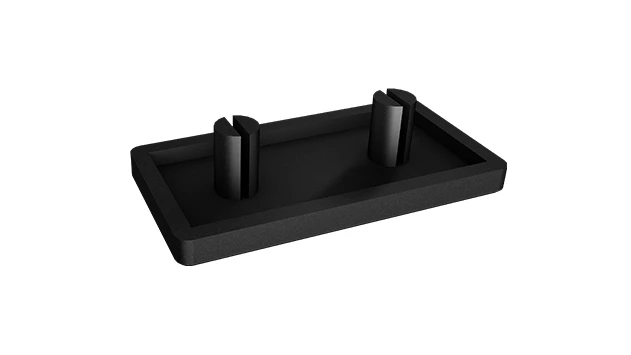
2040 Aluminum Profile End Cap
The aluminum profile end cap adds a finishing touch to your project and closes off profile ends to limit dust and debris buildup, also it can avaid some scratch for material and labor during the assemble work.
The Heart of Modern Manufacturing: Assembly Tables and Their Unsung Heroes
Walk into any manufacturing facility, electronics workshop, or assembly plant today, and you'll likely notice a common sight: sturdy, versatile workbenches that serve as the central hub for production. These aren't just ordinary tables—they're precision-engineered workspaces designed to streamline workflows, enhance safety, and adapt to the ever-changing needs of modern production lines. At the core of many of these workbenches lies a material that has revolutionized industrial design: aluminum profiles. Lightweight yet durable, customizable yet cost-effective, aluminum profiles have become the backbone of everything from simple workstations to complex lean system setups. But even the most well-designed aluminum structure is only as good as its smallest components. Enter the 2040 aluminum profile end cap—a humble accessory that plays a critical role in making assembly tables safer, more efficient, and built to last.
In this article, we'll take a deep dive into the world of 2040 aluminum profile end caps, exploring their design, functions, and why they're indispensable in assembly table applications. Whether you're a plant manager looking to optimize your workspace, a procurement specialist sourcing the best aluminum profile accessories, or simply curious about the nuts and bolts of industrial design, this guide will shed light on why these small components deserve big attention.
Understanding 2040 Aluminum Profiles: The Backbone of Assembly Tables
Before we can appreciate the role of end caps, it's important to understand the star of the show: the 2040 aluminum profile itself. Aluminum profiles, often called "extrusions," are long, hollow bars made by forcing heated aluminum through a die to create specific cross-sectional shapes. The "2040" in their name refers to their dimensions: typically 20mm in width and 40mm in height (though exact measurements can vary slightly by manufacturer). This specific size strikes a perfect balance between strength and versatility, making it one of the most popular choices for building assembly tables, workbenches, and material racks.
What sets 2040 profiles apart is their T-slot design—longitudinal grooves running along their length that allow accessories like brackets, shelves, panels, and yes, end caps, to attach securely without welding or drilling. This modularity is a game-changer for lean manufacturing, where adaptability is key. Need to add a tool holder to your workbench? Slide a bracket into the T-slot. Want to adjust the height of a shelf? Loosen a bolt, reposition, and tighten. This flexibility makes 2040 profiles ideal for everything from simple "workbench e (single deck-without caster)" setups to multi-tiered assembly stations with integrated lighting and power strips.
But for all their benefits, aluminum profiles have one potential downside: their raw, cut ends. When a profile is cut to length for a workbench frame, the exposed edges can be sharp, rough, or prone to collecting dust and debris. This is where 2040 aluminum profile end caps step in—turning a functional but unfinished component into a polished, safe, and practical part of your assembly table.

What Are 2040 Aluminum Profile End Caps? Small Parts with Big Impact
At first glance, 2040 aluminum profile end caps might seem like little more than plastic or rubber plugs. But don't let their simplicity fool you—these small accessories are engineered with purpose. Designed to fit snugly into the open ends of 2040 aluminum profiles, end caps are typically made from durable materials like polypropylene (PP), nylon, or even soft rubber, depending on their intended use. They come in various colors (often black, white, or gray to match common profile finishes) and styles, from basic slip-on designs to snap-fit or threaded versions that lock into place.
The primary job of an end cap is to "finish" the profile. Think of it like a stopper for a bottle—except instead of keeping liquid in, it keeps unwanted elements out and protects what's inside. But their role goes far beyond that. Let's break down the key functions that make 2040 end caps essential for assembly tables:
1. Safety First: Eliminating Sharp Edges
In any workspace, safety is non-negotiable. Raw aluminum profile ends, even after cutting, can have burrs or sharp corners that pose a risk of cuts or scrapes to workers. Imagine a technician leaning against a workbench frame while reaching for a tool, only to catch their arm on an exposed profile end—that's a preventable injury waiting to happen. End caps cover these edges, creating a smooth, rounded surface that reduces the risk of accidents. This is especially critical in high-traffic areas or workbenches used by multiple operators throughout a shift.
2. Protection: Keeping Profiles (and Workspaces) Clean
Assembly tables are busy places. Dust, metal shavings, coolant, or even spilled liquids are part of daily operations. Without end caps, these contaminants can seep into the hollow interior of aluminum profiles, where they can corrode the metal from the inside out or clog the T-slots over time. A clogged T-slot means accessories won't slide smoothly, defeating the purpose of the profile's modular design. End caps act as a barrier, keeping debris out and extending the life of your workbench frame. They also prevent small items like screws or washers from falling into the profile—saving you the frustration of fishing lost parts out of a dark, narrow tube.
3. Aesthetics: Polishing the Look of Your Workspace
While functionality is key, appearance matters too. A workbench with exposed, unfinished profile ends can look unprofessional or haphazard—especially in environments where clients or auditors might visit. End caps give your assembly table a clean, finished look, making the entire workspace feel more organized and intentional. This attention to detail isn't just about aesthetics; studies have shown that tidy, well-maintained workspaces can boost employee morale and productivity. When workers feel their environment is cared for, they're more likely to take pride in their work—and that translates to better results.
4. Noise Reduction: A Quieter Work Environment
It's a small detail, but one that adds up: end caps help dampen noise in busy workshops. Without them, hollow aluminum profiles can act like resonating chambers, amplifying sounds like tools being placed on the bench, parts clinking together, or even the hum of nearby machinery. Soft rubber or plastic end caps absorb vibrations and reduce echo, creating a quieter, more pleasant work environment. Over a full shift, this can make a big difference in worker fatigue and focus.

Key Applications: How 2040 End Caps Enhance Assembly Table Performance
Now that we understand what end caps are and what they do, let's explore how they're specifically used in assembly tables. From basic single-deck workbenches to complex lean system setups, end caps play a role in nearly every application. Here are some of the most common scenarios where these small accessories make a big impact:
1. Workbench E (Single Deck-Without Caster): Simplicity Meets Safety
One of the most straightforward assembly table designs is the "workbench e (single deck-without caster)"—a basic, stationary workbench with a single flat surface, often used for light assembly or inspection tasks. Even in this simple setup, 2040 end caps are essential. The workbench frame, typically made from 2040 or similar profiles, has four vertical legs and horizontal rails connecting them. Each of these rails has cut ends that, without end caps, would be sharp and unsightly.
In a workbench e setup, end caps are installed on the top and bottom of each vertical leg (to cover the exposed ends where the legs meet the floor or the tabletop frame) and on the ends of the horizontal rails (which might be at the front, back, or sides of the bench). This not only protects workers from sharp edges but also prevents dust and dirt from collecting in the profile ends—important for maintaining a clean workspace, especially in industries like electronics manufacturing where even small particles can damage sensitive components.
For example, imagine a workbench e used for assembling circuit boards. Technicians lean over the bench for hours, reaching for tools or components. A sharp, uncovered profile end on the front rail could catch a sleeve or scratch an arm—creating a distraction at best, an injury at worst. With end caps, the rail edges are smooth and safe, letting workers focus on their tasks without worrying about accidents.
2. Multi-Tiered Assembly Tables: Organized, Safe, and Debris-Free
Many assembly tables aren't just single-level—they have shelves, bins, or secondary work surfaces stacked above or below the main deck to keep tools and materials within reach. These multi-tiered setups rely heavily on 2040 profiles for their frames, with horizontal and vertical rails supporting each tier. Each of these rails has exposed ends that need protection.
In these cases, end caps become even more critical. Shelves near the bottom of the table might be close to the floor, where dust, dirt, or even spills are more likely. End caps on the lower rails prevent liquids from seeping into the profiles and causing corrosion, while also blocking dust that could otherwise build up and make the table harder to clean. On upper shelves, end caps keep small parts like screws or washers from falling into the profile ends—where they'd be difficult to retrieve and could eventually rattle around, creating noise or damaging the profile from the inside.
3. Lean System Integration: Supporting Efficiency and Adaptability
Lean manufacturing is all about eliminating waste—whether it's time, materials, or unnecessary movement. 2040 aluminum profiles are a cornerstone of lean systems because their modularity allows for quick reconfiguration. But lean systems also demand that equipment is durable and low-maintenance—and that's where end caps shine.
In a lean system, assembly tables are often part of a larger workflow, with materials moving from one station to the next via conveyors or roller tracks. The workbench itself might need to be repositioned or modified as production needs change. End caps help ensure that the table remains in good condition through these changes. For example, if a workbench is moved to a new location, the end caps protect the profile ends from dents or scratches that could occur during transport. If the table is reconfigured (e.g., adding a new shelf or tool holder), the end caps on the existing rails remain in place, maintaining safety and cleanliness even as the setup evolves.
Additionally, lean systems prioritize visual management—using color, labels, and organization to make workflows intuitive. Many end caps come in different colors, allowing manufacturers to color-code tables by department, task, or product line. For example, end caps in red might denote a workbench for quality control, while blue end caps mark assembly stations. This small touch helps workers quickly identify where they need to be, reducing errors and saving time.
Choosing the Right 2040 End Cap: Material, Style, and Application
Not all end caps are created equal. To get the most out of your 2040 aluminum profile end caps, it's important to choose the right type for your assembly table application. Here's what to consider:
Material Matters: Plastic, Rubber, or Metal?
Most end caps are made from plastic (like polypropylene or nylon) or rubber. Plastic end caps are durable, cost-effective, and resistant to chemicals and moisture—making them a good all-purpose choice for most assembly tables. Rubber end caps, on the other hand, are softer and more flexible, offering better shock absorption and noise reduction. They're ideal for workbenches in high-traffic areas or where tools are frequently placed down heavily.
Metal end caps (usually aluminum or stainless steel) are less common but may be used in specialized applications, like cleanrooms or environments with extreme temperatures, where plastic might degrade. However, metal end caps can be heavier and more expensive, so they're typically reserved for cases where plastic or rubber won't hold up.
Style and Fit: Slip-On, Snap-Fit, or Threaded?
End caps come in several installation styles, each with its own advantages:
-
Slip-on end caps:
The simplest type—just push them into the profile end. They rely on friction to stay in place and are easy to install and remove. Best for low-stress applications, like workbench e setups where the end caps won't be disturbed often.
-
Snap-fit end caps:
These have small, flexible tabs that "snap" into the T-slots of the profile, creating a tighter, more secure fit. They're better for applications where the end cap might be bumped or jostled, like on mobile workbenches (though workbench e is stationary, other tables might have casters).
-
Threaded end caps:
These have internal threads that screw onto a threaded insert inside the profile. They offer the most secure fit and are ideal for heavy-duty applications or environments where vibration could loosen slip-on or snap-fit caps.
Color and Aesthetics: More Than Just Looks
As mentioned earlier, color-coding with end caps can support lean system visual management. But color also plays a role in safety and branding. For example, high-visibility colors like yellow or red might be used on end caps for workbenches in areas with moving machinery, drawing attention to the bench edges and reducing collision risks. Neutral colors like black or gray are popular for blending in with the profile, creating a clean, professional look. Some manufacturers even offer custom colors to match company branding—a small detail that can boost pride in the workspace.
Comparing End Caps to Other Aluminum Profile Accessories
To truly appreciate the unique role of 2040 end caps, it helps to compare them to other common aluminum profile accessories. Let's take a look at how they stack up against components like clamps, hinges, and caster wheels in terms of function and value.
| Accessory Type | Primary Function | Material Options | Best For | Key Benefit |
|---|---|---|---|---|
| 2040 Aluminum Profile End Caps | Cover exposed profile ends; protect from debris, sharp edges, and damage | Plastic (PP, nylon), rubber, metal | All assembly tables; safety-critical areas; clean workspaces | Enhances safety and cleanliness with minimal cost |
| Aluminum Pipe Clamps | Securely attach pipes, rods, or tools to profiles | Aluminum, steel | Workbenches with hanging tools or material racks | Adds storage and organization |
| Caster Wheels | Allow tables to move; lock in place for stability | Plastic, rubber, metal (with bearings) | Mobile workbenches or tables that need repositioning | Improves flexibility and workflow adaptability |
| Aluminum Hinges | Connect profile sections at an angle; allow folding or swinging motion | Aluminum, stainless steel | Fold-down shelves, flip-up table extensions | Enables dynamic, space-saving designs |
As the table shows, each accessory has a distinct purpose. Clamps add functionality, casters add mobility, hinges add flexibility—but end caps are the only accessory focused solely on protection and safety. They're also among the most affordable aluminum profile accessories, making them a cost-effective way to enhance the longevity and usability of your assembly tables.
For example, while a set of caster wheels might cost $50 or more, a pack of 2040 end caps typically costs less than $10—yet they prevent injuries, reduce maintenance costs, and extend the life of your profiles. In terms of return on investment, end caps punch well above their weight.
Installation and Maintenance: Keeping Your End Caps (and Workbench) in Top Shape
Installing 2040 end caps is a simple process, but doing it right ensures they perform as intended. Here's a quick guide to installation and maintenance:
Installation Steps
1.
Prepare the profile end:
Ensure the cut end of the 2040 profile is clean and free of burrs. If there are sharp edges, gently file them down with sandpaper to create a smooth surface—this helps the end cap fit snugly and prevents damage to the cap itself.
2.
Choose the right end cap:
Make sure the end cap is designed for 2040 profiles (size matters—caps for 3030 or 4040 profiles won't fit). Check the style (slip-on, snap-fit, etc.) to match your needs.
3.
insert the end cap:
For slip-on caps, simply push the cap into the profile end until it's flush with the edge. For snap-fit caps, align the tabs with the T-slots and press firmly until you hear a "click." For threaded caps, screw them onto the threaded insert (if pre-installed) or use a small amount of adhesive to secure them (if needed).
4.
Test the fit:
Give the end cap a gentle tug to ensure it's secure. It should not come loose easily, but should still be removable if you need to access the profile interior later (e.g., for routing cables through the profile).
Maintenance Tips
End caps require minimal maintenance, but a little care goes a long way:
-
Clean regularly:
Wipe end caps with a damp cloth during routine workspace cleaning to remove dust or grime. For stubborn dirt, use a mild detergent—avoid harsh chemicals that could degrade plastic or rubber.
-
Check for wear:
Over time, end caps can become cracked, dislodged, or worn (especially in high-traffic areas). Inspect them monthly and replace any that are damaged—this is a small cost compared to the risk of injury or profile damage from a missing cap.
-
Re-secure if needed:
If a slip-on cap becomes loose, remove it, clean the profile end, and reinsert it. For snap-fit caps, check that the tabs are still intact—if they're broken, replace the cap.
-
replace during reconfigurations:
When modifying your workbench (e.g., cutting profiles to new lengths), don't forget to install new end caps on the fresh cut ends. It's easy to overlook, but critical for maintaining safety.
Conclusion: Small Parts, Big Difference in Assembly Table Performance
In the world of industrial design, it's often the smallest components that make the biggest difference. 2040 aluminum profile end caps are a perfect example. These unassuming accessories transform raw aluminum profiles into safe, clean, and professional assembly tables—supporting lean system goals, enhancing worker safety, and extending the life of your equipment.
Whether you're building a basic workbench e or a complex multi-tiered assembly station, end caps deserve a spot on your list of essential aluminum profile accessories. They're affordable, easy to install, and require minimal maintenance—yet their impact on safety, cleanliness, and workflow efficiency is undeniable. So the next time you walk into a manufacturing facility and admire the sleek, functional assembly tables, take a moment to appreciate the small but mighty end caps that help make them work.
After all, in lean manufacturing, every detail counts—and 2040 aluminum profile end caps prove that even the smallest details can drive big results.