- Company Articles
- Products and Technology
- Product knowledge
- 2040 Aluminum Profile End Caps: Mechanism & Operational Insights

2040 Aluminum Profile End Caps: Mechanism & Operational Insights
Related Product
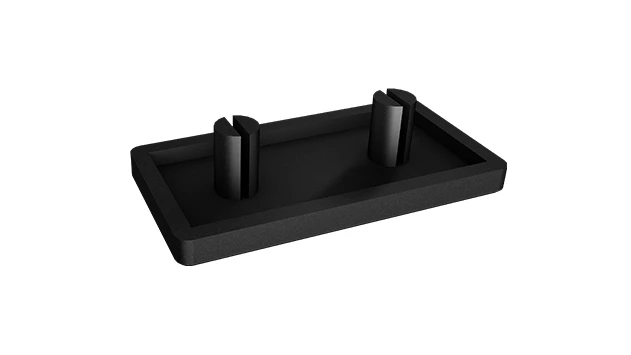
2040 Aluminum Profile End Cap
The aluminum profile end cap adds a finishing touch to your project and closes off profile ends to limit dust and debris buildup, also it can avaid some scratch for material and labor during the assemble work.
Introduction: The Unsung Hero of Aluminum Extrusion Profiles
Walk into any modern factory, workshop, or warehouse, and you'll likely spot a common sight: sturdy, sleek structures made from aluminum extrusion profiles. These versatile building blocks form the backbone of everything from workbenches and material racks to conveyor systems and assembly lines. But for all their strength and flexibility, aluminum profiles have a tiny, often overlooked weakness: their raw, cut ends. Sharp, unfinished, and prone to collecting dust or debris, these ends can compromise safety, functionality, and even the lifespan of the entire structure. That's where 2040 aluminum profile end caps come in—small accessories with a big impact. In this article, we'll take a deep dive into what makes these end caps tick, how they work, and why they're indispensable in any setup using 2040 aluminum profiles.
Understanding 2040 Aluminum Profiles: The Foundation
Before we jump into end caps, let's get familiar with the star of the show: the 2040 aluminum extrusion profile. As the name suggests, this profile measures 20mm in width and 40mm in height, with a hollow, rectangular cross-section featuring T-slots along its length. These T-slots are what make aluminum profiles so adaptable—they let you attach accessories, panels, and components without welding or drilling, using bolts, nuts, or specialized connectors.
2040 profiles are a popular choice for mid-weight applications. They're strong enough to support tools and materials on a workbench but lightweight enough to be part of mobile structures like turnover trolleys. Think of them as the "goldilocks" of aluminum profiles: not too small (like the slender 2020) to limit load capacity, and not too large (like the heavy-duty 4080) to overcomplicate simple builds. This balance makes them a staple in industries ranging from electronics manufacturing to automotive repair.
But here's the catch: when you cut an aluminum extrusion profile to length, whether with a saw or a laser, the result is a rough, uneven end. Left unaddressed, these ends can snag gloves, scratch equipment, or even cut skin. They also act like tiny funnels, drawing in dust, moisture, and debris that can corrode the profile from the inside or jam the T-slots. That's where 2040 aluminum profile end caps step up. As a key aluminum profile accessory, they transform these problematic ends into smooth, protected, and functional parts of the structure.
Mechanism of Design: How 2040 End Caps Work
At first glance, a 2040 aluminum profile end cap might seem like a simple plastic or metal plug. But there's more engineering here than meets the eye. The design of these end caps is all about one goal: creating a secure, long-lasting seal between the cap and the profile's open end. Let's break down the key mechanisms that make this possible.
1. Fit Types: Snapping, Friction, and Threaded
The most common way end caps attach to 2040 profiles is through one of three fit types, each tailored to different needs:
- Snap-fit: Picture a plastic bottle cap—flexible, with small tabs that "snap" into place. Snap-fit end caps work similarly. Made from pliable materials like ABS or nylon, they have raised ridges or tabs that compress slightly as you push them into the profile's end. Once inside, the tabs expand, locking the cap in place with an audible "click." This design is quick to install (no tools needed) and ideal for low-to-medium stress applications, like the ends of a workbench frame.
- Friction fit: For a tighter hold, friction-fit end caps rely on precision sizing. These caps are slightly larger than the profile's inner dimensions, so when you insert them, the material compresses, creating a vice-like grip. They're often made from stiffer plastics or even metal, and while they take a bit more force to install (sometimes requiring a gentle tap with a rubber mallet), they're less likely to pop loose than snap-fit caps. You'll find them on structures that see regular vibration, like conveyor rails.
- Threaded: When security is non-negotiable—think heavy-load applications like material racks holding bulky parts—threaded end caps are the way to go. These caps have internal or external threads that match corresponding threads cut into the profile's end. You twist them into place, creating a seal that won't budge, even under stress. Some even come with a small slot or hex head for using a screwdriver or wrench, making installation and removal a breeze.
2. Material Matters: Choosing the Right Build
End caps aren't one-size-fits-all when it comes to materials, either. The choice depends on the environment, load, and even aesthetics of the application. Here's a closer look at the most common options:
| Material Type | Primary Composition | Key Properties | Best For |
|---|---|---|---|
| ABS Plastic | Acrylonitrile Butadiene Styrene | Rigid, impact-resistant, cost-effective, available in multiple colors | Indoor workbenches, light-duty shelving, decorative applications |
| Nylon | Polyamide | Flexible, chemical-resistant, withstands high temperatures (up to 80°C) | Factories with oil/chemical exposure, outdoor structures (mild weather) |
| Aluminum Alloy | Aluminum with trace metals (e.g., magnesium, silicon) | Strong, corrosion-resistant, matches profile aesthetics | Heavy-load material racks, industrial machinery frames, high-visibility setups |
| Stainless Steel | Iron with chromium/nickel | Extremely durable, rust-proof, heat-resistant | Food processing plants, cleanrooms, marine or outdoor harsh environments |
For example, in a electronics assembly workshop using an ESD workstation (where static control is critical), you might opt for black ESD-safe nylon end caps to prevent static buildup. In a busy warehouse with Material Rack B (3 row and 3 floor) holding heavy boxes, aluminum end caps would add extra reinforcement to the profile ends, preventing bending or crushing under load.
Installation Demystified: How to Fit 2040 End Caps Like a Pro
Installing 2040 aluminum profile end caps might seem straightforward, but a few tips can make the process smoother and ensure a secure fit. Let's walk through the steps, from prep to final check.
Step 1: Prep the Profile End
Before adding an end cap, take a moment to inspect and clean the profile's cut end. Even a small burr or chip can make installation tricky or prevent a tight seal. Use a deburring tool or fine-grit sandpaper to smooth any sharp edges. Then, wipe the inside of the end with a clean cloth to remove dust, metal shavings, or grease—these can act as barriers, stopping the cap from seating properly.
Step 2: Choose the Right Cap for the Job
Not all end caps are created equal, so double-check that you've got the right one. Confirm the size (2040 profiles have specific inner dimensions—caps for 2020 or 3030 profiles won't fit), the fit type (snap, friction, threaded), and material (e.g., nylon for chemical resistance). If you're unsure, a quick test: hold the cap up to the profile end. It should align evenly, with no gaps around the edges.
Step 3: insert and Secure
- For snap-fit caps: Align the cap with the profile end, making sure any tabs or ridges are facing the correct direction (check the manufacturer's markings if unsure). Press firmly with your palms—you should feel resistance, then a "pop" as the tabs lock into place. Avoid using your fingers alone (you might get sore!); instead, cup the cap with both hands for even pressure.
- For friction-fit caps: These require a bit more force. Start by aligning the cap perfectly—off-center insertion can cause it to jam. Then, gently tap the end with a rubber mallet (never a steel hammer, which can crack the cap) until it's flush with the profile. If it's still tight, a tiny amount of soapy water (for plastic caps) or silicone spray (for metal) can act as a lubricant—just wipe off excess afterward.
- For threaded caps: Screw the cap into the profile by hand first to avoid cross-threading. Once it's tight, use a screwdriver or wrench (if equipped) to give it a quarter-turn more—don't overdo it, though; overtightening can strip threads or crack plastic caps.
Step 4: Verify the Fit
After installation, give the cap a gentle tug or twist to ensure it's secure. A properly fitted cap shouldn't wiggle, pop off, or rotate easily. For critical applications (like conveyor rails where vibration is constant), check the caps weekly for the first month to catch any loosening early.
Operational Benefits: Why End Caps Matter in Daily Use
Now that we understand how 2040 end caps work, let's explore their real-world impact. These small accessories deliver four key operational benefits that keep workflows running smoothly and safely.
1. Safety First: Eliminating Hazards
Sharp, unfinished aluminum ends are a workplace hazard waiting to happen. A quick brush against a raw profile end can slice through gloves or skin; loose clothing or hair can get snagged, leading to injuries. In busy environments like assembly lines, where workers move quickly, these risks multiply. End caps transform those dangerous edges into smooth, rounded surfaces, turning a potential liability into a non-issue. For example, on Workbench E (single deck-without caster), end caps on the frame rails mean employees can lean against the bench or rest tools on the edges without worrying about cuts.
2. Protection: Keeping Profiles (and Systems) Healthy
Aluminum extrusion profiles are tough, but they're not invincible. Dust, moisture, and debris that enter through open ends can cause problems over time. Dust buildup in T-slots can jam bolts or connectors, making it hard to adjust or reconfigure structures. Moisture can lead to internal corrosion, weakening the profile from the inside out. End caps act as a barrier, sealing out these threats. In a warehouse with high humidity, for instance, nylon end caps on conveyor guide rails (like Aluminum Guide Rail B) would prevent rust from forming on the rail's inner surfaces, ensuring the conveyor keeps rolling smoothly for years.
3. Aesthetics: Polishing the Look
Let's face it: raw aluminum ends look unfinished. Whether your aluminum structure is a customer-facing display or a backroom workbench, neat, uniform end caps give it a professional, put-together appearance. This attention to detail matters—studies show that organized, well-maintained workspaces boost employee morale and productivity. Plus, colored end caps (like yellow or grey plastic roller track guide rails) can be used to color-code zones or highlight safety areas, adding functionality to style.
4. Structural Support: Reinforcing Weak Points
While aluminum profiles are strong, their cut ends are surprisingly vulnerable to bending or crushing, especially under heavy loads. A metal end cap, for example, acts like a "plug" that distributes weight evenly across the profile's end, preventing deformation. On a workbench with a heavy vice or machinery mounted on top, aluminum end caps on the legs would reinforce the connection points, ensuring the bench stays stable and level.
Troubleshooting Common End Cap Issues
Even with careful installation, end caps can sometimes misbehave. Here are the most common problems and how to fix them.
Issue 1: The Cap Won't Stay Snapped In
If a snap-fit cap pops off repeatedly, the tabs might be worn or the profile end might be too smooth (reducing friction). Try cleaning the profile end with rubbing alcohol to remove oils, then roughing it slightly with fine sandpaper (this creates more grip). If that doesn't work, switch to a friction-fit cap—its tighter tolerance will hold better.
Issue 2: The Cap Cracks When Installing
Cracking usually happens with rigid plastics like ABS when too much force is applied. If you're using a rubber mallet, try tapping more gently or using a block of wood between the mallet and cap to distribute force. For very tight fits, warm the plastic cap slightly with a hair dryer (don't overheat!)—this makes it more flexible. If cracking persists, upgrade to a nylon cap, which is more impact-resistant.
Issue 3: Threaded Caps Won't Tighten
Cross-threading is the usual culprit here. If the cap spins freely without tightening, back it out and check the threads on both the cap and profile—look for bent or stripped threads. If the profile threads are damaged, use a thread tap to clean them up. For minor damage, wrapping the cap's threads with Teflon tape can help create a tighter seal.
Conclusion: Small Accessory, Big Difference
2040 aluminum profile end caps may be small, but their role in keeping aluminum extrusion systems safe, functional, and durable is enormous. From sealing out dust to protecting workers from sharp edges, these unassuming accessories punch above their weight. Whether you're building a simple workbench or a complex conveyor system, choosing the right end cap—considering fit, material, and application—will ensure your aluminum profiles perform at their best for years to come. So the next time you spot a smooth, finished end on an aluminum structure, take a moment to appreciate the little end cap that made it all possible.