- Company Articles
- Products and Technology
- Product knowledge
- 2040 Aluminum Profile End Caps vs. 2020 End Caps: Usage Scenarios

2040 Aluminum Profile End Caps vs. 2020 End Caps: Usage Scenarios
Related Product
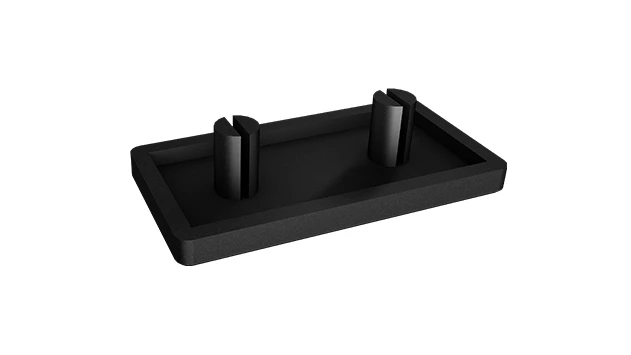
2040 Aluminum Profile End Cap
The aluminum profile end cap adds a finishing touch to your project and closes off profile ends to limit dust and debris buildup, also it can avaid some scratch for material and labor during the assemble work.
If you've ever dabbled in building something with aluminum profiles—whether it's a workbench for your garage, a material rack for your small business, or even a custom shelving unit—you've probably encountered the unsung heroes of these projects: aluminum profile end caps. They might seem like small, pieces, but anyone who's ever nicked their hand on a sharp, exposed profile end will tell you: these little accessories matter. Today, we're diving into two of the most common types: 2040 aluminum profile end caps and 2020 aluminum profile end caps. We'll break down what makes them different, where each shines, and how to pick the right one for your next project. Let's start with the basics.
What Are Aluminum Profile End Caps, Anyway?
First things first: aluminum profile end caps are exactly what they sound like—caps that fit snugly over the open ends of aluminum extrusion profiles. Think of them as the "finish line" for your project. They're part of the broader category of aluminum profile accessories, which includes everything from brackets to T-slot nuts, but end caps have a unique dual purpose: protection and polish.
On the protection side, they cover the raw, cut edges of aluminum profiles. Without them, those edges can be sharp enough to scratch skin, damage tools, or even catch on fabrics or packaging materials. Ever slid a box off a material rack and had it get stuck? Chances are, an exposed profile end was the culprit. End caps smooth those edges out, making your structure safer and more functional.
Then there's the polish factor. Let's be honest: a project with exposed, unfinished profile ends looks… well, unfinished. End caps give your workbench, rack, or trolley a clean, professional look. They come in various colors (usually black, white, or silver to match common profile finishes) and designs, so they can even add a subtle aesthetic touch if you care about that kind of thing (and why wouldn't you?).
Understanding 2020 vs. 2040 Aluminum Profiles
Before we jump into the end caps themselves, we need to talk about the profiles they're designed for. Aluminum profiles are named by their cross-sectional dimensions, measured in millimeters. So, a 2020 profile is 20mm wide and 20mm tall—a square shape. A 2040 profile, on the other hand, is 20mm wide and 40mm tall—a rectangular shape. That difference in size might seem small, but it has a big impact on how the profiles (and their end caps) are used.
2020 profiles are the "lightweights" of the aluminum extrusion world. They're compact, easy to handle, and perfect for projects that don't require heavy-duty support. Think small workbenches, desktop organizers, or lightweight shelving. Because they're smaller, they're also more affordable and easier to cut and assemble—great for DIYers or small-scale projects.
2040 profiles, by contrast, are the "workhorses." That extra height (40mm vs. 20mm) gives them more structural rigidity, meaning they can support heavier loads and withstand more stress. You'll often find them in industrial settings: think heavy-duty workbenches in factories, material racks that hold bulky parts, or even conveyor systems that move products along an assembly line. They're sturdier, but they're also a bit heavier and bulkier—something to keep in mind if portability is a priority.
Quick Tip: How to Measure Profiles
If you're not sure which profile you have, grab a ruler! Measure the width and height of the cross-section. 20x20mm = 2020 profile; 20x40mm = 2040 profile. Easy as that.

Design Differences Between 2020 and 2040 End Caps
Now, let's get into the star of the show: the end caps themselves. At first glance, 2020 and 2040 aluminum profile end caps might look similar—small, plastic (or sometimes metal) caps with a lip that snaps into the profile. But look closer, and you'll notice key differences tailored to their respective profiles.
Size, for starters: A 2020 end cap is designed to fit a 20x20mm profile, so it's square-shaped, with dimensions that match the profile's opening. A 2040 end cap, meant for a 20x40mm profile, is rectangular—wider in one direction to fit the longer side of the profile. This might seem obvious, but it's crucial: a 2040 end cap won't fit a 2020 profile, and vice versa. Forcing the wrong size will either result in a loose, wobbly fit (which defeats the purpose of protection) or damage to the end cap or profile.
Material thickness: Because 2040 profiles are often used in heavier-duty applications, their end caps are sometimes made with thicker, more durable plastic (like ABS or polypropylene) to withstand impacts. 2020 end caps, used in lighter projects, might be slightly thinner—though still plenty strong for their intended use. Some manufacturers also offer metal end caps for 2040 profiles in industrial settings where extra durability is needed (think: environments with heavy machinery or frequent collisions).
Locking mechanisms: Both types typically use a snap-fit design—you push them into the profile end until they "click" into place. But 2040 end caps might have additional ribs or tabs on the inside to create a tighter seal, especially important in settings where dust, debris, or liquids could get into the profile (like a workshop with sawdust or a factory floor with coolant). 2020 end caps, used in cleaner or lighter environments, often have a simpler snap design—effective, but not overengineered.
To visualize this, let's put it all in a table:
| Feature | 2020 Aluminum Profile End Cap | 2040 Aluminum Profile End Cap |
|---|---|---|
| Shape | Square (20x20mm) | Rectangular (20x40mm) |
| Typical Material | Standard plastic (e.g., PP) | Thicker plastic (e.g., ABS) or metal options |
| Locking Design | Basic snap-fit with minimal internal ribs | Enhanced snap-fit with extra ribs for tight seal |
| Primary Use Case | Lightweight, small-scale projects | Heavy-duty, industrial or commercial projects |
| Weight Capacity (Indirect) | Supports profiles with lower load limits (up to ~50kg per linear meter) | Supports profiles with higher load limits (up to ~150kg per linear meter) |

Usage Scenarios for 2020 Aluminum Profile End Caps
Now that we know how they're designed, let's talk about where 2020 end caps really shine. These little caps are all about versatility in small-scale, lightweight projects. Here are the scenarios where they're the perfect pick:
1. Small Workbenches and Hobbyist Stations
If you're building a workbench for your home garage, craft room, or 3D printing setup, chances are you're using 2020 profiles. These profiles are lightweight enough to assemble by yourself, yet sturdy enough to hold a drill press, a laptop, or a stack of tools. And 2020 end caps? They're the finishing touch. Imagine leaning over your workbench to adjust a project—without end caps, that sharp profile end could scratch your arm. With them, the edges are smooth and safe. Plus, they keep dust and small debris from getting inside the profiles, which can gunk up T-slots over time (and T-slots are where you attach accessories like shelves or tool holders—you don't want those getting blocked).
Case in point: A friend of mine built a 2020-profile workbench for his vinyl record collection. He wanted something sturdy enough to hold his turntable and stacks of records but small enough to fit in his apartment. The 2020 end caps he used not only protected his records from getting scratched on the profile ends but also gave the whole setup a clean, modern look—no more unsightly exposed metal edges.
2. Lightweight Material Racks and Shelving
Material racks don't have to be industrial behemoths. If you're storing lightweight items—think office supplies, craft materials, or small parts in a home workshop—a 2020 profile rack is more than enough. And 2020 end caps are a must here. For example, a 3-tier material rack in a classroom, used to store art supplies: the 2020 profiles are easy for students to assemble (with adult help), and the end caps prevent glue sticks, markers, or paint tubes from catching on sharp edges when being grabbed off the shelf. Even in small businesses, like a boutique bakery storing boxes of cake decorating supplies, 2020 racks with 2020 end caps keep things organized and safe.
3. Desktop Organizers and Custom Storage
Ever wished your desk had a custom shelf for your monitor, or a little rack to hold your pens and notebooks? 2020 profiles are perfect for these tiny, tailored projects—and their end caps are non-negotiable. A desktop organizer made with 2020 profiles might have small shelves, dividers, or even a phone holder. Without end caps, those sharp edges could scratch your desk, your phone, or your hands when you're reaching for a pen. 2020 end caps are small enough to not clutter the design but effective enough to keep everything smooth and functional.
Real-World Example: A Maker Space's Community Workbench
The local maker space near me has a row of community workbenches, all built with 2020 profiles. They chose 2020 because the benches need to be lightweight (members move them around for different projects) and affordable (maker spaces run on tight budgets). When they first built them, they skipped end caps to save a few dollars—big mistake. Within a month, three members had nicked their hands on the exposed ends, and tools kept getting caught on the edges. They quickly ordered 2020 aluminum profile end caps, and now the benches are not only safer but look more polished. As one member put it: "It's the little things that make a space feel cared for."
Usage Scenarios for 2040 Aluminum Profile End Caps
Now, let's shift to the heavier hitters: 2040 aluminum profile end caps. These are built for projects where "good enough" just won't cut it—think industrial settings, heavy loads, and daily wear and tear. Here's where they excel:
1. Industrial Workbenches and Assembly Stations
In factories or workshops where workbenches take a beating—holding power tools, heavy machinery, or large workpieces—2040 profiles are the go-to. These benches need to stay stable under hundreds of pounds of weight, and 2040 profiles deliver that rigidity. But with that sturdiness comes a need for equally tough end caps. 2040 end caps here are often made of thick ABS plastic or even metal, designed to withstand impacts from dropped tools or heavy parts. Imagine a mechanic slamming a wrench down on the edge of a workbench—without a robust end cap, that impact could crack a thinner plastic cap or even dent the profile end. 2040 end caps absorb that shock, keeping the bench safe and functional for years.
2. Heavy-Duty Material Racks and Storage Systems
When you're storing heavy items—like metal parts in a manufacturing plant, car batteries in an auto shop, or large boxes in a warehouse—you need a material rack that can handle the load. That's where 2040 profiles come in, and their end caps are critical. Take a material rack with 3 rows and 3 floors (a common industrial design)—each shelf might hold 200+ pounds. The 2040 profiles support that weight, but the end caps ensure that when workers slide heavy boxes onto the shelves, the profile ends don't get chipped or bent. They also prevent debris from falling into the profiles, which could weaken the structure over time. In these settings, 2040 end caps aren't just about safety—they're about maintaining the integrity of the entire rack system.
3. Conveyor Systems and Lean Manufacturing Setups
Lean manufacturing relies on efficiency, and conveyor systems are a big part of that—moving products from one station to the next with minimal waste. Many conveyor systems use 2040 profiles for their frames or side rails, thanks to their strength and compatibility with roller track accessories. Here, 2040 end caps play a dual role: they protect workers from sharp edges near moving parts, and they keep dust, grease, and debris from getting into the profiles (which could jam moving components). In a food processing plant, for example, conveyor rails with 2040 end caps are easier to clean (no crevices for bacteria to hide) and safer for workers who might brush against them while loading products.
Pro Tip: Color-Coding for Safety
Some manufacturers offer 2040 end caps in different colors (red, yellow, blue). In industrial settings, this can be a game-changer for safety. For example, red end caps might mark "high-traffic" areas of a conveyor system, while yellow could indicate "load limits" on a material rack. It's a simple, low-cost way to make your setup more intuitive.
How to Choose: 2020 or 2040 End Caps?
Now that you know where each type shines, how do you decide which end cap is right for your project? Here are the key factors to consider:
1. Start with the Profile Size
This is non-negotiable: 2020 end caps fit 2020 profiles; 2040 end caps fit 2040 profiles. If you've already bought your profiles, check their dimensions (20x20mm or 20x40mm) and match the end cap size accordingly. If you're still choosing profiles, think about your load: will the structure hold light items (2020) or heavy ones (2040)? The profile size dictates the end cap size, so start there.
2. Consider the Environment
Where will your project live? Indoors in a clean space (like a home workshop)? 2020 end caps are probably fine. In a dirty, high-impact environment (like a factory floor)? Opt for 2040 end caps with thicker plastic or metal construction. If moisture is a concern (e.g., a garage with high humidity), look for end caps with a tighter seal to prevent rust inside the profiles—2040 end caps often have better sealing due to their enhanced rib design.
3. Think About Aesthetics (Yes, Really)
End caps might be functional, but they also affect how your project looks. 2020 end caps are small and unobtrusive, great for minimalist designs. 2040 end caps, being rectangular, can make a profile look more "industrial"—which might be a plus in a factory but less so in a home office. Many manufacturers offer end caps in neutral colors (black, white, silver), so you can match them to your profiles for a cohesive look.
4. Don't Forget Cost (But Don't Skimp Either)
2020 end caps are generally cheaper than 2040 end caps, since they use less material. If you're on a tight budget and working with 2020 profiles, this is a win. But don't cut corners by skipping end caps altogether—replacing a damaged profile or treating a cut hand will cost more in the long run. Invest in the right end caps for your project's needs.
Common Misconceptions to Avoid
Before we wrap up, let's debunk a few myths about aluminum profile end caps:
Misconception #1: "All end caps are the same—just pick the cheapest." Not true! As we've seen, 2020 and 2040 end caps are designed for specific profiles and uses. A cheap, generic end cap might not fit snugly, leaving edges exposed or falling off over time. Spend a little more on end caps from a reputable supplier—your hands (and your project) will thank you.
Misconception #2: "End caps are only for safety." They're for safety, yes, but also for longevity. Without end caps, dust, debris, and moisture get inside profiles, causing rust, blockages, or weakening the structure. Think of end caps as insurance for your project's lifespan.
Misconception #3: "Metal end caps are always better than plastic." Metal end caps are more durable, but they're also heavier and more expensive. For most home or small-scale projects, plastic end caps are more than sufficient. Reserve metal end caps for extreme environments (e.g., heavy industrial use).
Maintenance Tips for Your End Caps
Once you've installed your end caps, a little maintenance goes a long way:
- Check for looseness: Over time, end caps can work their way loose, especially in high-vibration settings. Give them a gentle tug every few months—if they move, push them back into place until they click.
- Clean them: Wipe end caps with a damp cloth to remove dust or grime. For tough stains, use mild soap and water—avoid harsh chemicals, which can degrade plastic.
- replace when damaged: If an end cap cracks or breaks, replace it ASAP. A damaged end cap won't protect the profile end, and sharp edges could start to show through.
Final Thoughts: End Caps Are the Finishing Touch That Matters
At the end of the day, 2040 aluminum profile end caps and 2020 aluminum profile end caps are both essential aluminum profile accessories—they just excel in different scenarios. 2020 end caps are the versatile, lightweight choice for small projects, workbenches, and home setups. 2040 end caps are the tough, industrial workhorses for heavy loads, factories, and high-impact environments. The key is to match the end cap to your profile size, environment, and needs.
So, the next time you start an aluminum profile project, don't overlook these little caps. They might seem small, but they're the difference between a project that's just "done" and one that's safe, durable, and polished. After all, the best projects are built with care—and that includes the details.