- Company Articles
- Products and Technology
- Product knowledge
- 2040 vs. 3030 Aluminum Profile End Caps: Key Differences Compared

2040 vs. 3030 Aluminum Profile End Caps: Key Differences Compared
Related Product
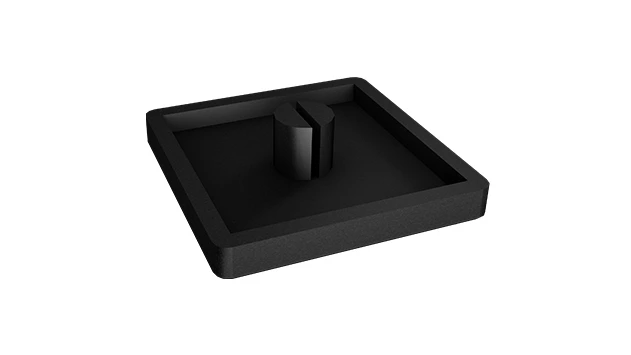
3030 Aluminum Profile End Cap
The aluminum profile end cap adds a finishing touch to your project and closes off profile ends to limit dust and debris buildup, also it can avaid some scratch for material and labor during the assemble work.
If you've ever walked through a factory, a workshop, or even a modern home garage, you've probably seen those sleek, modular structures—workbenches with clean lines, material racks that hold tools with precision, or conveyor systems that glide smoothly. Chances are, those structures are built with aluminum profile —the unsung hero of modular design. Lightweight yet sturdy, endlessly customizable, and surprisingly affordable, aluminum profiles have revolutionized how we build everything from small shelving units to industrial workstations. But here's the thing: even the most well-designed aluminum structure is only as good as its smallest components. And today, we're zooming in on one of those tiny but critical parts: end caps. Specifically, we're breaking down the differences between 2040 and 3030 aluminum profile end caps—two of the most common types you'll encounter. Whether you're a DIY enthusiast building a home workshop or a manufacturer sourcing parts for production lines, understanding these differences will save you time, money, and headaches down the line.
First Things First: What Are Aluminum Profile End Caps, Anyway?
Before we dive into the specifics of 2040 and 3030 end caps, let's make sure we're all on the same page. Aluminum profiles are extruded pieces of aluminum with a T-slot design—those grooves you see running along their length? They let you attach brackets, shelves, and other aluminum profile accessories without drilling or welding. But the ends of these profiles are open, and that's where end caps come in. Think of them as the "shoe" of the aluminum profile: they cover the raw, open end, protecting both the profile and the people around it.
End caps might seem like an afterthought, but their job is surprisingly important. For starters, they keep out dust, dirt, and moisture that could clog the T-slots or corrode the aluminum over time. They also prevent sharp edges from scratching hands or catching on clothing—critical in busy work environments where safety is a priority. And let's not forget aesthetics: a profile with a neat, fitted end cap looks finished and professional, whereas an open end looks unfinished, like a puzzle missing a piece.
Most end caps are made of plastic (like polypropylene or polyethylene) or rubber, though metal options exist for heavy-duty use. They're usually designed to "snap" or "push" into place, making installation a breeze—no tools required. But not all end caps are created equal. The size, shape, and design depend entirely on the profile they're meant to fit. Which brings us to the stars of the show: 2040 and 3030 end caps.
Breaking Down the Profiles: 2040 vs. 3030
To understand the end caps, we first need to understand the profiles they're made for. Aluminum profiles are named by their cross-sectional dimensions, measured in millimeters. So, a "2040" profile is 20mm wide and 40mm tall, while a "3030" profile is 30mm wide and 30mm tall. That difference in size might seem small, but it changes everything—from the profile's strength to its applications, and yes, the end caps that fit it.
The 2040 Aluminum Profile: Slim, Light, and Versatile
The 2040 profile is like the "everyday carry" of aluminum profiles—compact, lightweight, and surprisingly versatile. At 20mm x 40mm, it's narrow enough to fit in tight spaces but tall enough to offer decent rigidity. It's commonly used for light to medium-duty applications: think small workbenches (like the "Workbench E (single deck-without caster)" you might see in electronics assembly lines), machine guards, display shelves, or even 3D printer frames. Its T-slots are smaller than larger profiles, so it pairs well with lightweight accessories—perfect for projects where you don't need to support heavy loads but want a clean, modern look.
Because it's smaller, the 2040 profile is often chosen for DIY projects or applications where weight matters. For example, a mobile cart built with 2040 profiles will be easier to push than one built with bulkier materials. But here's the catch: its smaller size means the end caps designed for it are also smaller. Enter the 2040 aluminum profile end cap .
The 3030 Aluminum Profile: Sturdy, Square, and Reliable
If the 2040 is the everyday carry, the 3030 is the workhorse. At 30mm x 30mm, it's a square profile—symmetrical, which makes it ideal for building frames that need equal strength in all directions. It's thicker than the 2040, with larger T-slots that can accommodate heavier brackets and accessories. This makes it a favorite for medium to heavy-duty applications: industrial workbenches, storage racks (ever seen a material rack b (3 row and 3 floor) ? Chances are it's built with 3030 profiles), conveyor supports, and even small automation systems. The 3030 profile can handle more weight without bending, so it's trusted in environments where durability is non-negotiable—think factories, warehouses, or professional workshops.
Naturally, a sturdier profile calls for a sturdier end cap. The 3030 aluminum profile end cap is larger than its 2040 counterpart, designed to snugly fit the 30mm x 30mm opening. It's often made with thicker plastic or more robust materials to match the profile's strength, ensuring it can withstand the wear and tear of heavy use.

The Key Differences: 2040 vs. 3030 End Caps
Now that we know the profiles, let's compare their end caps side by side. While they might look similar at first glance, these tiny components have distinct differences in size, design, and function. Let's break them down:
| Feature | 2040 Aluminum Profile End Cap | 3030 Aluminum Profile End Cap |
|---|---|---|
| Dimensions | Approx. 20mm (width) x 40mm (height) to match the profile's cross-section | Approx. 30mm (width) x 30mm (height) to fit the square 3030 profile |
| Material Thickness | < 1mm (typically). Thinner, as 2040 profiles support lighter loads. | 1-1.5mm (often). Thicker to withstand heavier use and protect the sturdier profile. |
| Installation Fit | Slim, tapered edges for easy push-fit installation. Less force needed to snap into place. | Snug, sometimes with ribbed interiors for a tighter grip. May require gentle tapping with a rubber mallet. |
| Primary Use Case | Light-duty structures: small workbenches, display shelves, 3D printer frames. | Medium/heavy-duty structures: industrial racks (e.g., Material Rack B), heavy workbenches, conveyor supports. |
| Compatibility | Only fits 2040 profiles. Too small for 3030 or larger profiles. | Only fits 3030 profiles. Too large for 2040 or smaller profiles. |
| Aesthetic | Sleeker, more compact look. Often available in neutral colors (black, white, gray). | More robust, substantial appearance. May come in industrial colors (gray, black) or custom hues for branding. |
Size: It's All About the Fit
The most obvious difference is size. A 2040 end cap is designed to fit a 20mm x 40mm opening, while a 3030 end cap fits a 30mm x 30mm opening. This might sound like common sense, but you'd be surprised how many people mix them up—especially when ordering in bulk. A 2040 end cap will rattle loose in a 3030 profile, leaving the end exposed and defeating the purpose of using an end cap. Conversely, forcing a 3030 end cap into a 2040 profile will either damage the end cap (cracking the plastic) or warp the profile's edges. Save yourself the hassle: always check the profile dimensions before buying end caps.
Material Thickness: Durability Matters
Because 3030 profiles are used in heavier applications, their end caps are built to last. They're often made with thicker plastic (1-1.5mm vs. <1mm for 2040 end caps) to withstand impacts, scratches, and the general wear and tear of industrial environments. For example, a material rack b (3 row and 3 floor) —which holds multiple layers of heavy materials—will have 3030 profiles that take a beating daily. A thin 2040 end cap would crack under that stress, but a thicker 3030 end cap? It'll keep protecting the profile's ends for years.
Installation: Snap, Push, or Tap?
Installing end caps should be quick and easy, but the process varies slightly between 2040 and 3030. 2040 end caps often have tapered edges that guide them into the profile—you can usually push them in with just your fingers. 3030 end caps, with their tighter fit and thicker walls, might need a gentle tap with a rubber mallet to seat properly. It's a small difference, but it's worth noting if you're installing hundreds of end caps in a production setting—you'll want the right tools (and patience) for the job.
Compatibility: One Size Does Not Fit All
Here's a golden rule: end caps are profile-specific. A 2040 end cap won't work on a 3030 profile, and vice versa. This is because aluminum profiles have unique cross-sectional shapes—even within the same size category. For example, some 3030 profiles have rounded edges, others have square edges, and their end caps are designed to match those nuances. Mixing and matching might seem like a quick fix, but it'll lead to loose end caps, exposed profile ends, or damaged parts. Always buy end caps that are explicitly labeled for your profile size (e.g., "2040 aluminum profile end cap" or "3030 aluminum profile end cap").

Which End Cap Should You Choose?
The short answer: it depends on your profile. If you're using 2040 profiles, go with 2040 end caps. If you're using 3030 profiles, 3030 end caps are non-negotiable. But let's dig deeper—here are a few scenarios to help you decide:
- You're building a small workbench for hobbies: Chances are you're using 2040 profiles. 2040 end caps will be lightweight, easy to install, and affordable—perfect for a project that doesn't need industrial-grade durability.
- You're setting up a heavy-duty storage system: If it's a material rack b (3 row and 3 floor) or something similar, 3030 profiles are the way to go. Pair them with 3030 end caps to ensure the structure stays safe and debris-free, even with heavy loads.
- You're replacing old end caps: Check the profile's dimensions first! Measure the width and height of the profile end—if it's 20x40mm, grab 2040 end caps. If it's 30x30mm, 3030 end caps are your match.
- You're unsure: When in doubt, ask your supplier. Reputable aluminum profile accessories suppliers will have charts or experts who can help you match end caps to profiles. It's better to ask than to waste money on the wrong parts.
Final Thoughts: The Small Part That Makes a Big Difference
At the end of the day, 2040 and 3030 aluminum profile end caps might seem like pieces of plastic. But anyone who's ever had a profile end scratch their arm, or spent hours cleaning dust out of T-slots, knows better. These tiny accessories protect users, extend the life of your aluminum structures, and keep everything looking polished. Whether you're working with 2040 profiles for a lightweight project or 3030 profiles for heavy-duty industrial use, choosing the right end cap is key.
So, the next time you're planning a project with aluminum profiles, don't overlook the end caps. Measure your profiles, check the dimensions, and invest in the right ones. Your hands (and your structure) will thank you.