- Company Articles
- Products and Technology
- Product knowledge
- 3 Types of 3030 Aluminum Profile End Caps: Snap-On, Screw-Fixed, & Push-Fit

3 Types of 3030 Aluminum Profile End Caps: Snap-On, Screw-Fixed, & Push-Fit
Related Product
3030 Aluminum Profile End Cap
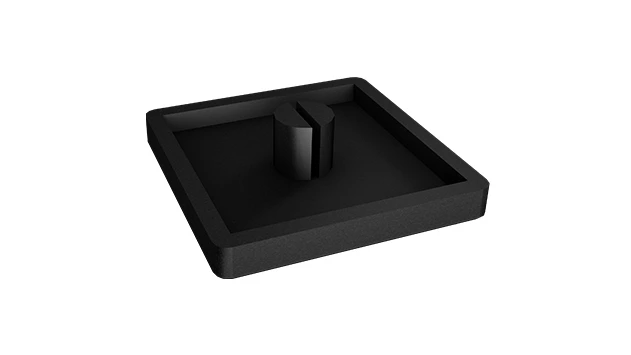
The aluminum profile end cap adds a finishing touch to your project and closes off profile ends to limit dust and debris buildup, also it can avaid some scratch for material and labor during the assemble work.
Walk into any modern workshop, manufacturing plant, or even a well-organized home garage, and you'll likely spot the clean, modular lines of aluminum extrusion profiles. These versatile building blocks are the backbone of everything from workbenches and material racks to conveyor systems and machine guards. But for all their structural brilliance, there's a small yet critical component that often goes unnoticed: the end cap. Specifically, for the popular 3030 aluminum profile—a workhorse in industrial and DIY projects alike—end caps play a huge role in safety, aesthetics, and longevity. Today, we're diving into the three main types of 3030 aluminum profile end caps: Snap-On, Screw-Fixed, and Push-Fit. Whether you're building a lean system for your factory floor or a custom shelf in your garage, understanding these options will help you finish your project like a pro.
Why 3030 Aluminum Profiles (and Their End Caps) Matter
First, let's talk about the star of the show: the 3030 aluminum extrusion profile. Named for its approximate 30mm x 30mm cross-section, this profile is a favorite for its balance of strength, weight, and versatility. You'll find it in everything from material rack B (3 row and 3 floor) setups in warehouses to custom workbenches in maker spaces. Its T-slot design lets you attach accessories like brackets, panels, and shelves with ease—but those open ends? They're a problem waiting to happen.
Imagine running your hand along a finished aluminum frame and catching it on a sharp, raw edge of the profile. Ouch. Or worse, debris, dust, or moisture seeping into the hollow core, leading to corrosion or gunk buildup over time. That's where end caps come in. These simple covers snap, screw, or push into place, transforming rough edges into smooth, safe finishes. They're the unsung heroes that turn a "functional" project into a "polished, professional" one. And when it comes to 3030 profiles, not all end caps are created equal.
Type 1: Snap-On End Caps – Quick, Easy, and Perfect for DIY
If you've ever assembled furniture with those plastic plugs that pop into pre-drilled holes, you'll recognize the vibe of Snap-On end caps. These are the "no-fuss" option, designed for speed and simplicity. Made from flexible materials like PVC, nylon, or polypropylene, they feature small tabs or ridges that compress when pushed into the profile's end, then expand to lock in place. No tools, no measuring—just a firm press, and you're done.
How They Work (and When to Use Them)
Snap-On caps are all about convenience. Let's say you're building a basic workbench in your garage using 3030 profiles. You've cut the rails to length, assembled the frame, and now you need to finish the ends. Grab a Snap-On cap, align it with the profile's opening (most are pre-sized for 3030, so no guessing), and press firmly. You'll hear a satisfying "click" as the tabs catch the inner edges of the T-slots, holding the cap securely. It takes seconds per end—ideal for projects where time is tight or you're new to working with aluminum profiles.
But convenience comes with trade-offs. Snap-On caps aren't the most secure option. If your project is subject to vibration (like a workbench near a heavy machine) or frequent movement (think a rolling cart), there's a chance the caps could pop off over time. They're also not great for high-stress areas, where a sharp impact might dislodge them. That said, for low-key applications—DIY shelves, static workbenches, or temporary setups—they're hard to beat. Plus, they're affordable and come in a range of colors, so you can match your project's aesthetic (think white for a clean lab look, or black for a sleek industrial vibe).
Pros and Cons at a Glance
Pros: Lightning-fast installation (no tools needed), budget-friendly, available in multiple colors, easy to remove and reuse if you need to adjust your project later.
Cons: Less secure than other types, may loosen with vibration or impact, not ideal for heavy-duty industrial use.

Type 2: Screw-Fixed End Caps – The Heavy-Duty Workhorse
Now, let's shift to the opposite end of the spectrum: Screw-Fixed end caps. These are the "permanent" option, built for strength and reliability. Unlike Snap-On caps, they feature pre-drilled holes (or slots) that align with the T-slots of the 3030 profile. You secure them with small screws (usually M3 or M4), which thread into the profile's internal channels, creating a rock-solid bond. Made from sturdier materials like ABS plastic, aluminum, or even steel, they're designed to stay put—no matter what.
Installation: A Little Effort for Big Payoff
Installing Screw-Fixed caps takes a bit more work than Snap-On, but the payoff is worth it. Let's say you're setting up a material rack B (3 row and 3 floor) in a busy warehouse. This rack will hold heavy boxes, get bumped by forklifts, and see daily use—so flimsy end caps just won't cut it. Here's how you'd install Screw-Fixed caps: first, clean the end of the 3030 profile to remove dust or debris. Then, align the cap with the end, making sure the pre-drilled holes line up with the T-slots. Next, insert a screw into each hole and tighten it with a screwdriver or hex key until it's snug (but don't over-tighten—you could strip the threads). The result? A cap that's locked in place, even under stress.
Screw-Fixed caps shine in industrial settings. They're perfect for lean systems on production lines, where machinery vibration is constant, or for safety-critical applications like guardrails or machine enclosures. Some even come with rubber gaskets to seal out moisture and dust, making them ideal for outdoor use or humid environments. The downside? They're not as easy to remove as Snap-On caps—you'll need tools, and if you strip a screw, you could damage the profile. They're also pricier than Snap-On options, but when durability is non-negotiable, the extra cost is a no-brainer.
Pros and Cons at a Glance
Pros: Ultra-secure (won't loosen under vibration/impact), durable materials, optional weather-sealing, ideal for industrial and heavy-duty use.
Cons: Requires tools and time to install, harder to remove/reuse, more expensive than Snap-On caps.

Type 3: Push-Fit End Caps – The Middle Ground of Security and Simplicity
If Snap-On is too loose and Screw-Fixed is too permanent, Push-Fit end caps hit the sweet spot. These are the " Goldilocks" option: tight enough to stay put, but easy enough to remove when needed. Made from denser, less flexible materials than Snap-On caps (think high-density polyethylene or rubber), they rely on friction to stay in place. The fit is snug—you'll need to push firmly, sometimes even tap with a rubber mallet, to get them seated. But once they're on, they grip the inner walls of the 3030 profile like a vice.
When to Choose Push-Fit
Push-Fit caps are great for projects that need a balance of security and adaptability. Let's say you're building a modular workbench for a small workshop. You want it to look clean and professional, but you also might need to reconfigure the layout later (adding a shelf here, moving a rail there). Snap-On caps might loosen with daily use, and Screw-Fixed would be a hassle to remove. Push-Fit? Perfect. They'll stay put during normal use, but if you need to take them off, a firm pull (or a gentle pry with a flathead screwdriver) will release them without damaging the profile.
They're also a favorite for applications where aesthetics matter. Since they don't require screws, Push-Fit caps have a smooth, seamless look—no visible hardware to break up the profile's clean lines. And because they're made from materials like EPDM rubber or ABS, they're resistant to chemicals, oils, and UV rays, making them suitable for both indoor and light outdoor use. Just note: the tighter fit means they're harder to install than Snap-On caps. If you're working with a lot of profiles, your fingers might get tired—but trust us, the extra effort is worth the secure, clean finish.
Pros and Cons at a Glance
Pros: Secure (better than Snap-On, less permanent than Screw-Fixed), no visible hardware, easy to remove without tools, resistant to chemicals and UV damage.
Cons: Harder to install than Snap-On (may require tapping), not as vibration-resistant as Screw-Fixed for extreme conditions.
Side-by-Side: Comparing the Three Types
| Feature | Snap-On End Caps | Screw-Fixed End Caps | Push-Fit End Caps |
|---|---|---|---|
| Installation Time | Seconds per cap (no tools) | 1-2 minutes per cap (tools needed) | 30 seconds per cap (firm push, maybe tapping) |
| Security Level | Low (may loosen with vibration) | High (permanent, vibration-resistant) | Medium-High (secure, but removable) |
| Best For | DIY projects, temporary setups, low-stress applications | Industrial settings, heavy-duty racks (e.g., Material Rack B), safety-critical areas | Modular workbenches, semi-permanent setups, aesthetic-focused projects |
| Reusability | High (easy to remove and reuse) | Low (removal may damage screws or profile) | Medium-High (removable with care) |
| Cost | Most affordable | Most expensive (due to materials and screws) | Mid-range |
Choosing the Right End Cap for Your Project
Now that you know the basics, how do you pick the right end cap for your 3030 aluminum profile project? Start by asking yourself a few key questions:
1. What's the environment like? If your project is in a high-vibration area (like a factory floor) or outdoors, Screw-Fixed or Push-Fit caps are better than Snap-On. For a quiet garage or home workshop, Snap-On might be enough.
2. Will you need to reconfigure later? If you're building something modular (like a workbench you might expand), Push-Fit or Snap-On caps are easier to remove than Screw-Fixed.
3. How important is the finish? For a seamless, hardware-free look, Push-Fit or Snap-On caps are better. Screw-Fixed caps have visible screws, which some people don't mind (they can even add an industrial "look"), but others prefer to avoid.
4. What's your budget? Snap-On caps are the cheapest, followed by Push-Fit, then Screw-Fixed. But remember: investing in quality end caps now can save you from replacing them (or fixing damaged profiles) later.
The Bottom Line: Don't Skimp on End Caps
At the end of the day, 3030 aluminum profile end caps might seem like a small detail—but they're a detail that matters. They protect people from sharp edges, keep your profiles clean and corrosion-free, and give your project that polished, professional look. Whether you opt for Snap-On (quick and easy), Screw-Fixed (industrial strength), or Push-Fit (the perfect middle ground), choosing the right cap will make your aluminum extrusion project safer, more durable, and more visually appealing.
And remember: quality counts. Cheap, flimsy end caps can crack, loosen, or discolor over time. Look for reputable aluminum profile accessories suppliers who offer caps made from high-grade materials (like UV-resistant plastic or anodized aluminum). A little extra spent on quality end caps will pay off in the long run, ensuring your 3030 profiles—and the projects they support—stand the test of time.
So, the next time you're planning a project with 3030 aluminum extrusion profiles, don't overlook the end caps. They might be small, but they're the finishing touch that turns a good build into a great one.