- Company Articles
- Products and Technology
- Procurement Guidelines
- 3030 Aluminum Profile End Cap Pricing: Comparing Suppliers & Quality

3030 Aluminum Profile End Cap Pricing: Comparing Suppliers & Quality
Related Product
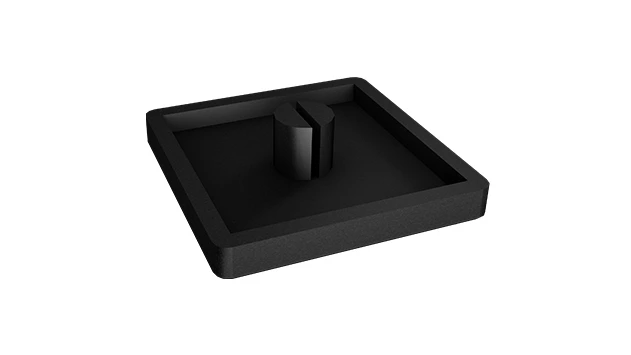
3030 Aluminum Profile End Cap
The aluminum profile end cap adds a finishing touch to your project and closes off profile ends to limit dust and debris buildup, also it can avaid some scratch for material and labor during the assemble work.
Walk into any modern manufacturing facility, warehouse, or even a small workshop, and you'll likely spot the unsung backbone of industrial efficiency: aluminum profile structures. From sturdy workbenches and material racks to sleek conveyor systems and assembly line frames, these lightweight yet durable profiles form the skeleton of countless operations. But here's the thing—what makes these structures truly functional, safe, and long-lasting isn't just the profiles themselves. It's the little details, the finishing touches, the aluminum profile accessories that turn a basic frame into a polished, purpose-built tool. And today, we're zeroing in on one such accessory that's easy to overlook but impossible to ignore once you understand its value: the 3030 aluminum profile end cap.
If you've ever worked with 30mm x 30mm aluminum profiles (a common size in everything from lean manufacturing setups to DIY projects), you know the ends of these profiles are sharp, unfinished, and prone to collecting dust, debris, or even causing minor injuries. That's where the 3030 aluminum profile end cap comes in. It's the small, often plastic or nylon cap that snaps or presses into the open end of the profile, sealing it off. Simple, right? But as anyone who's ever had a loose end cap, a cracked one, or a poorly fitting one can tell you, not all end caps are created equal. And when you're running a business or managing a project, the cost and quality of these seemingly trivial parts can add up—both in terms of time, money, and headaches.
In this article, we're going to dive deep into the world of 3030 aluminum profile end caps. We'll explore why they matter, what factors influence their pricing, how to compare aluminum profile supplier options, and most importantly, how to balance cost and quality to get the best value for your needs. Whether you're a small-scale manufacturer ordering a handful of end caps for a custom workbench or a large facility sourcing thousands for a production line upgrade, this guide will help you make smarter decisions—because even the smallest parts deserve attention.
What Are 3030 Aluminum Profile End Caps, and Why Do They Matter?
Let's start with the basics. A 3030 aluminum profile is exactly what it sounds like: an extruded aluminum bar with a square or rectangular cross-section measuring 30mm by 30mm. These profiles are popular because they strike a perfect balance between strength and weight—strong enough to support heavy loads (think toolboxes, machinery, or stacks of materials) but light enough to be easily assembled and reconfigured. They're also incredibly versatile, thanks to the T-slots running along their length, which let you attach brackets, panels, and other accessories without welding or drilling.
Now, imagine a 3030 profile cut to length for a workbench leg. The cut end is raw aluminum—sharp, with burrs, and full of tiny gaps where dust, dirt, or even moisture can seep in. If you leave it uncovered, over time, that dirt can build up, making the T-slots harder to use. Moisture might cause minor corrosion (even with aluminum's natural resistance). Worse, a sharp edge could scratch a worker's arm, snag a glove, or damage delicate materials being moved around the workspace. That's where the 3030 aluminum profile end cap steps in.
End caps are designed to fit snugly into the open end of the profile, covering those sharp edges and sealing the interior. They're usually made from plastic (like PVC or polypropylene), nylon, or sometimes aluminum (for heavy-duty applications). Most are designed to be press-fit—you push them into the end until they click into place—though some might require a small amount of adhesive for a permanent seal. Their primary jobs? Safety (no more sharp edges), protection (keeping out debris and moisture), and aesthetics (giving the profile a clean, professional look).
Real-World Impact: A friend of mine runs a small electronics assembly shop. A few years back, they skimped on end caps to save costs, using leftover foam tape to cover profile ends instead. Within six months, two issues popped up: the foam collected dust that clogged the T-slots, making it hard to adjust shelves, and a new employee scraped their forearm on an uncovered edge, leading to a minor injury report. They switched to proper 3030 end caps the next week—and haven't looked back. The moral? Cutting corners on small accessories often costs more in the long run.
Beyond safety and protection, end caps also play a role in the structural integrity of the profile system. A well-fitted end cap reinforces the end of the profile, preventing it from deforming under stress—especially important if the profile is being used vertically (like a leg) or supporting weight from the end. Cheap, ill-fitting end caps, on the other hand, can pop off easily, leaving the profile vulnerable again.
Aluminum Profile Accessories: Where End Caps Fit In
To truly understand the value of 3030 end caps, it helps to zoom out and look at the broader ecosystem of aluminum profile accessories . Think of aluminum profiles as the "bones" of a structure—they provide the shape and strength. Accessories are the "muscles" and "connective tissue" that let the structure move, adapt, and perform specific tasks. Without them, a stack of profiles is just… a stack of metal bars.
Accessories include everything from brackets and hinges to panels, casters, and, yes, end caps. Each has a specific job: Brackets connect profiles at angles, casters make structures mobile, panels add surfaces or enclosures. End caps, while small, are the "finishing touch" that ties everything together. They might not get as much attention as a heavy-duty hinge or a locking caster, but they're just as essential for a functional, professional setup.
Here's why: When you're building a workbench, for example, you'll use 3030 profiles for the frame, brackets to join the corners, a wooden or metal top for the surface, and casters to make it mobile. But if the legs are left uncovered, the whole setup feels unfinished. More importantly, those sharp ends could catch on the floor, damage the casters, or even cause the bench to wobble if the end isn't properly sealed. End caps ensure that every part of the structure works together seamlessly.
Suppliers often bundle accessories with profiles, offering "kits" for common setups (like workbenches or shelving). But if you're sourcing parts individually, it's easy to overlook end caps—until you're standing in front of a finished structure with raw, sharp ends. That's why it's smart to factor end caps into your accessory budget from the start.

What Drives 3030 Aluminum Profile End Cap Pricing?
Now, let's talk about the elephant in the room: cost. You might think, "It's just a small plastic cap—how expensive can it be?" The answer? It varies more than you'd expect. A single 3030 end cap can cost anywhere from $0.50 to $5.00, depending on the supplier, material, and order size. Multiply that by hundreds (or thousands) of end caps for a large project, and the price difference adds up fast. So, what causes these variations?
1. Material Quality
The biggest factor is the material. Most end caps are plastic, but not all plastics are the same. Cheap end caps might use low-grade PVC, which is brittle and prone to cracking in cold temperatures or under stress. Mid-range options often use polypropylene or nylon, which are more flexible and durable—they can withstand being pushed, pulled, or even dropped without breaking. High-end end caps might be made from reinforced nylon (with glass fibers for extra strength) or even aluminum (for industrial settings where chemical resistance or extreme temperatures are a concern).
For example, a basic PVC end cap might cost $0.50–$1.00 per unit, while a reinforced nylon one could be $1.50–$3.00. An aluminum end cap? $3.00–$5.00 or more. The material choice depends on your needs: if you're building a temporary structure or a DIY project at home, PVC might be fine. But for a factory workbench that's used 12 hours a day, 5 days a week, investing in nylon or aluminum makes sense—you won't have to replace cracked end caps every few months.
2. Order Volume
Like most industrial parts, end caps are cheaper when bought in bulk. A supplier might charge $1.20 per end cap for an order of 10 units but drop the price to $0.75 per unit for 100 units, or $0.50 for 1,000 units. This is because manufacturing and shipping costs are spread out over more units. If you're a small business or hobbyist needing 20 end caps for a single project, you'll pay more per unit than a large manufacturer ordering 5,000 for a production line.
3. Supplier Location and Overhead
Where the supplier is based matters, too. Overseas suppliers (especially from regions with lower labor and production costs) might offer lower base prices, but you'll have to factor in shipping fees, import taxes, and longer lead times. Domestic suppliers might charge more per unit but offer faster shipping, easier returns, and better communication. For example, a supplier in China might quote $0.60 per end cap (plus $50 shipping for 100 units), while a local U.S.-based supplier might charge $1.00 per unit but offer free shipping and 2-day delivery.
Overhead also plays a role. Big-name suppliers with fancy websites, dedicated customer service teams, and extensive warehouses might charge a premium for their convenience and reliability. Smaller, niche suppliers might have lower prices but less inventory or slower response times.
4. Certifications and Compliance
In regulated industries (like food processing, pharmaceuticals, or aerospace), end caps might need to meet specific standards—FDA approval for food contact, RoHS compliance for electronics, or ISO certifications for quality. These certifications add to the manufacturing cost, as suppliers have to invest in testing and documentation. If you don't need these certifications, you can save money by choosing uncertified end caps. But if compliance is non-negotiable, you'll pay a premium for that peace of mind.
5. Customization
Need end caps in a specific color to match your brand? Or with a logo embossed on top? Customization costs extra. Standard end caps (usually black, white, or gray) are mass-produced, so they're cheaper. Custom colors, logos, or sizes require special tooling or production runs, which drives up the price. For example, a standard black nylon end cap might cost $1.50, while a custom blue one with your company logo could be $3.00 or more per unit.

Comparing 3030 Aluminum Profile End Cap Suppliers
With so many factors influencing price, how do you choose the right supplier? It's not just about finding the cheapest option—it's about balancing cost, quality, and reliability. To help, we've compiled a comparison of four hypothetical aluminum profile supplier options, based on common offerings in the market. Keep in mind that these are general examples; always request quotes and samples from suppliers before making a decision.
| Supplier | Price Per End Cap (100-unit order) | Material Options | Certifications | Lead Time | Minimum Order Quantity | Shipping (U.S. Domestic) |
|---|---|---|---|---|---|---|
| BudgetAlu Parts | $0.65 | Basic PVC | None | 7–10 days | 50 units | $15 flat rate |
| MidWest Profiles | $1.20 | Nylon, Reinforced Nylon | RoHS Compliant | 3–5 days | 25 units | Free (orders over $100) |
| IndustrialAlu Solutions | $2.50 | Reinforced Nylon, Aluminum | ISO 9001, RoHS | 2–3 days | 10 units | Free (all orders) |
| GlobalAlu Exports | $0.50 | PVC, Basic Nylon | CE Certified | 14–21 days | 500 units | $75 (ocean freight) |
BudgetAlu Parts: As the name suggests, this supplier targets price-sensitive buyers. Their PVC end caps are the cheapest option here, but they lack certifications and have a longer lead time. They're a good fit for hobbyists or temporary projects where durability isn't a top priority. Just be aware: the PVC might crack if exposed to extreme temperatures or heavy use.
MidWest Profiles: A domestic supplier focusing on balance. Their nylon end caps are more durable than PVC, and they offer RoHS compliance (important for electronics manufacturing). The minimum order quantity is low (25 units), making them ideal for small businesses. Free shipping over $100 is a nice perk, and the 3–5 day lead time means you won't be waiting weeks for parts.
IndustrialAlu Solutions: A premium supplier for industrial-grade needs. Their reinforced nylon end caps can handle heavy use, and aluminum options are available for extreme environments. ISO 9001 certification ensures consistent quality, and the 2–3 day lead time is perfect for urgent projects. The higher price per unit is offset by free shipping and no minimum order (great for small, high-priority orders).
GlobalAlu Exports: An overseas supplier with rock-bottom prices—if you can order in bulk. Their 500-unit minimum is steep, but $0.50 per end cap is hard to beat for large projects. The catch? Long lead times (4–6 weeks with shipping) and no flexibility for small orders. They're best for manufacturers with predictable demand who can plan ahead.
Quality vs. Cost: How to Spot a Good End Cap
Price is important, but it shouldn't be the only factor. A cheap end cap that cracks after a month of use will end up costing more than a slightly pricier one that lasts for years. So, how do you evaluate quality before buying?
1. Check the Fit
A good end cap should fit snugly into the profile end without being too loose or too tight. If it's loose, it will fall off easily. If it's too tight, you might damage the profile (or the end cap) trying to install it. Ask suppliers for samples, and test them on your actual 3030 profiles. Even minor variations in profile dimensions (due to manufacturing tolerances) can affect fit, so testing is key.
2. Inspect the Material
Flex the end cap gently. PVC will feel stiff and might crack if bent slightly. Nylon should be flexible and spring back into shape. Reinforced nylon will be stiffer than regular nylon but still resistant to cracking. Aluminum end caps should have smooth edges and a tight, uniform fit (no gaps).
3. Look for Consistency
In a batch of end caps, there should be little to no variation in size, color, or finish. Cheap suppliers might have end caps with rough edges, uneven coloring, or inconsistent thickness—signs of poor manufacturing quality.
4. Read Reviews (and Ask for References)
Check online reviews or ask the supplier for references from other customers. Look for complaints about end caps cracking, falling off, or not fitting. A supplier with mostly positive reviews (even if slightly more expensive) is usually a safer bet than one with cheap prices but a history of quality issues.
5. Consider Long-Term Value
Think about the total cost of ownership, not just the upfront price. A $1.20 nylon end cap that lasts 5 years is a better deal than a $0.65 PVC one that needs replacing every 6 months. For example, if you need 100 end caps: 100 x $0.65 = $65 upfront for PVC, but replacing them twice a year would cost $130 annually. The $120 nylon order? It might last 5 years, costing $24 per year. Over time, the "cheaper" option is actually more expensive.
Choosing the Right Aluminum Profile Supplier for Your Needs
At the end of the day, the best supplier for you depends on your specific situation. Here are a few scenarios to help you decide:
You're a hobbyist building a single workbench: Go with a mid-range supplier like MidWest Profiles. Order 20–25 nylon end caps (enough for a 4-legged workbench plus spares). The $1.20 per unit price is reasonable, and you'll get a durable, safe product without overspending.
You're a small manufacturer with ongoing needs: Consider IndustrialAlu Solutions. Even though their per-unit price is higher, the ability to order small quantities (10 units) and get fast shipping means you can keep inventory low and avoid waste. The reinforced nylon end caps will stand up to daily use.
You're a large factory with predictable demand: GlobalAlu Exports might be worth it if you can order 500+ end caps at a time. The $0.50 per unit price saves money, and if you plan ahead for the 6-week lead time, you won't face delays.
You're on a tight budget with no room for upgrades: BudgetAlu Parts could work for temporary setups, but be prepared to replace end caps more frequently. Avoid using their PVC end caps in cold or high-stress environments.
Final Thoughts: Don't Overlook the Small Stuff
3030 aluminum profile end caps might seem like an afterthought, but they're a critical part of any aluminum profile system. They protect workers, keep profiles clean, and ensure your structures look and function professionally. When sourcing end caps, remember to balance price and quality—cheaper isn't always better, and investing in durable materials can save you time and money in the long run.
Take the time to research aluminum profile supplier options, ask for samples, and test fit and durability. Whether you're building a single workbench or outfitting an entire factory, the right end caps will make a noticeable difference in safety, efficiency, and peace of mind.
After all, in manufacturing and industrial work, the little details often have the biggest impact. And when it comes to 3030 aluminum profiles, the end cap is one detail you can't afford to get wrong.